
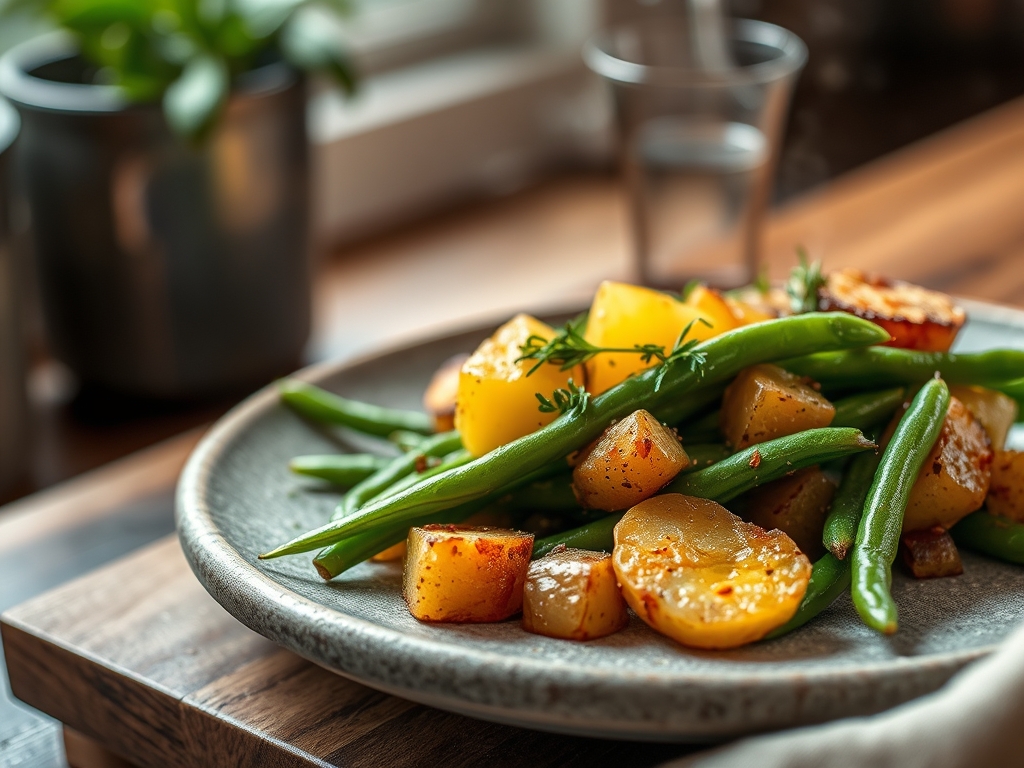
Picture the steam rising from a heavy-bottomed skillet as the snap of a garden-fresh legume meets the creamy, earthy resistance of a Yukon Gold. Mastering fresh green bean and potato recipes is the ultimate Sunday afternoon flex; it is where rustic comfort meets technical precision to create a side dish that steals the spotlight from the roast.
Sunday dinner requires a specific kind of alchemy. We are not just tossing vegetables into a pot; we are managing moisture content and starch gelatinization to ensure every bite is a structural masterpiece. Whether you are aiming for a buttery emulsion or a charred, piquant blister, these six variations transform humble pantry staples into high-art gastronomy. Grab your favorite apron and a glass of wine. We are about to dive deep into the molecular magic that makes these two ingredients the undisputed power couple of the vegetable world.
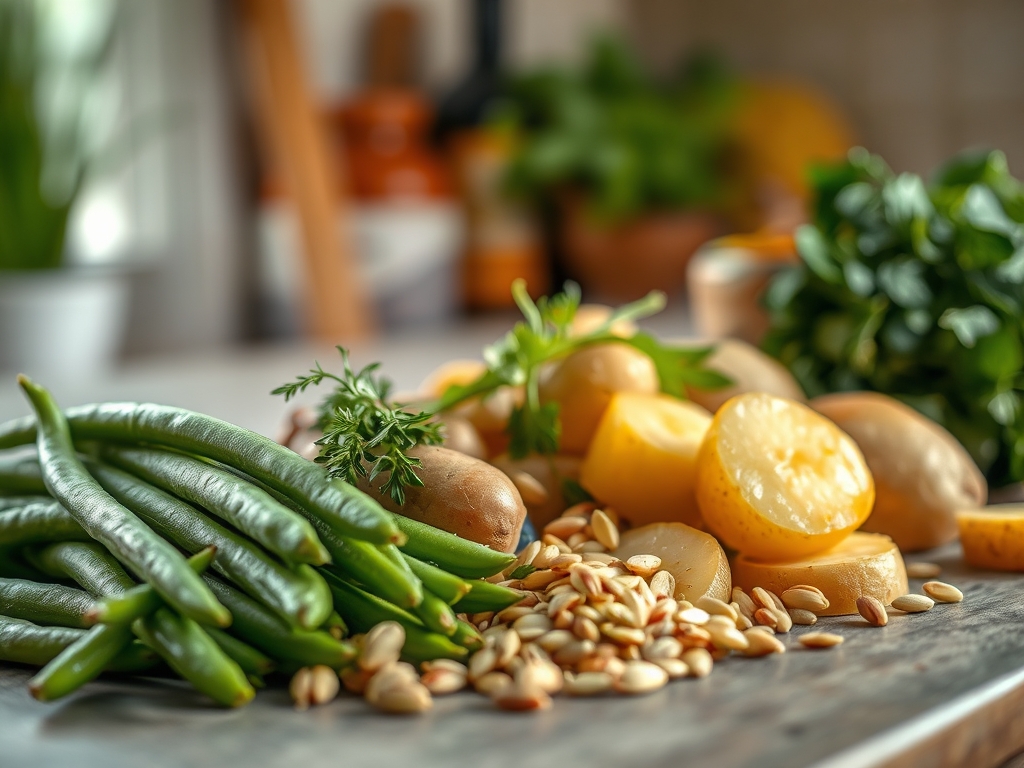
The Gathers:
To execute these fresh green bean and potato recipes with professional finesse, your mise-en-place must be flawless. Start with your potatoes. I recommend Yukon Golds for their high amylopectin content, which provides a naturally waxy texture that holds its shape during thermal processing. If you prefer a fluffier result, a Russet offers more starch granules, though it risks disintegrating if over-agitated.
For the greens, look for Haricots Verts or standard string beans that are firm enough to snap. If they bend, the turgor pressure within the plant cells has dropped, and you will lose that signature crunch. You will also need high-quality fats. Use unsalted European-style butter for a higher butterfat percentage, or a cold-pressed olive oil for a clean, herbaceous finish.
Smart Substitutions:
If you cannot find fresh green beans, frozen whole beans are a scientifically superior alternative to canned versions because flash-freezing preserves the chlorophyll and cellular integrity. No Yukon Golds? Red Bliss potatoes offer a similar waxy profile. For a vegan twist, swap butter for a neutral avocado oil infused with a pinch of nutritional yeast to mimic the savory depth of dairy.
The Clock
Efficiency in the kitchen is all about the Chef's Flow. This is the art of overlapping tasks so that no burner sits idle. For most of these recipes, you are looking at a 15-minute prep window and a 25-minute cook time.
The secret to a 40-minute Sunday side is parallel processing. While your water reaches a rolling boil for the potatoes, use your bench scraper to clear your cutting board of trimmed bean ends. By the time the potatoes have reached the parboiled stage, your heavy-bottomed skillet should be preheating to ensure immediate Maillard reaction once the vegetables hit the pan. Never wait for one component to finish before starting the next; the goal is to have the beans reach tender-crisp status at the exact moment the potatoes achieve a golden, shatter-crisp crust.
The Masterclass
1. The Parboil and Shock
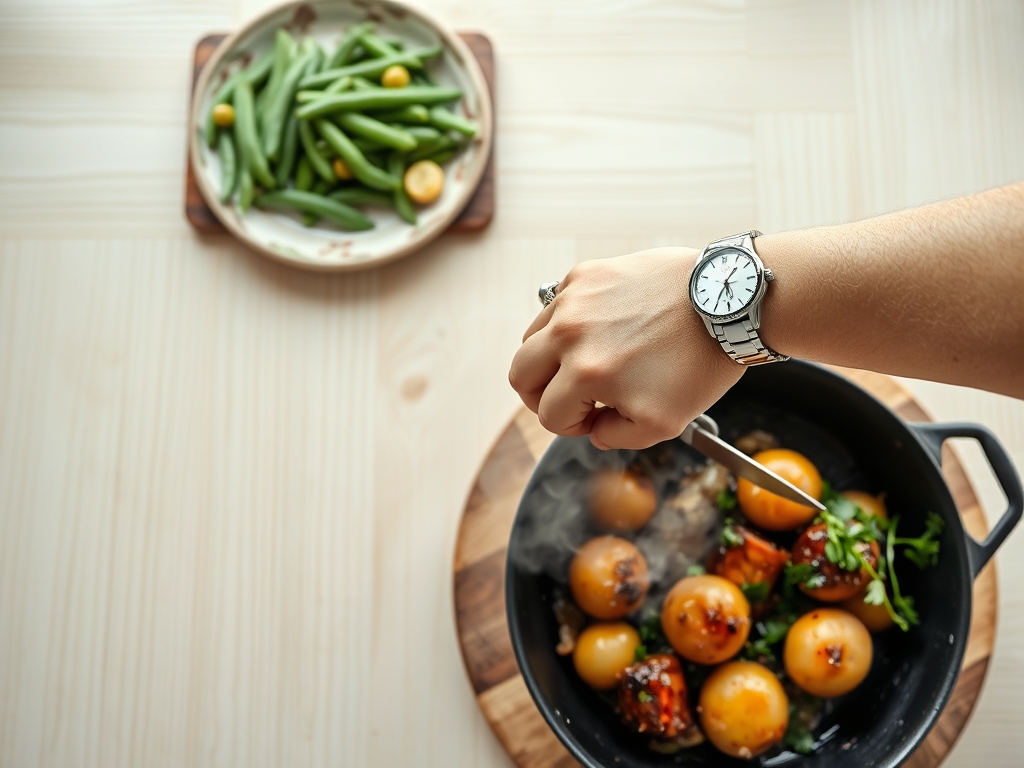
Start by cubing your potatoes into uniform half-inch pieces. Submerge them in cold, heavily salted water and bring to a boil. This prevents the outside from turning to mush before the interior is cooked. Add the green beans during the last three minutes of boiling. Immediately transfer the beans to an ice bath using tongs.
Pro Tip: This process is called blanching and shocking. The ice bath halts residual heat, preventing the degradation of chlorophyll. This ensures your beans stay vibrant green rather than turning a dull, unappetizing olive drab.
2. The Fat Render and Infusion
Place your heavy-bottomed skillet over medium heat. Add your choice of fat; whether it is pancetta rendering its lardons or a knob of butter. Once the fat is shimmering, add aromatics like smashed garlic or shallots. Use a microplane to zest a bit of lemon directly into the oil to release essential oils.
Pro Tip: Fat is a flavor carrier. By infusing the fat with aromatics before adding the bulk ingredients, you ensure that every millimeter of the potato and bean surface is coated in a lipid-soluble flavor profile.
3. Achieving the Maillard Reaction
Drain your parboiled potatoes and pat them bone-dry with a lint-free towel. Increase the skillet heat to medium-high and add the potatoes in a single layer. Do not crowd the pan. Let them sit undisturbed for four minutes to develop a deep, caramelized crust.
Pro Tip: Moisture is the enemy of browning. If the potatoes are wet, the energy from the pan will go toward evaporative cooling (steaming) rather than the Maillard reaction, which requires temperatures above 285 degrees Fahrenheit.
4. The Deglaze and Emulsify
Once the potatoes are golden, toss in your blanched green beans. Add a splash of white wine or vegetable stock. Use a wooden spoon to scrape up the brown bits (fond) from the bottom of the pan. Swirl in a final tablespoon of cold butter and toss vigorously.
Pro Tip: This creates a pan sauce emulsion. The agitation combines the liquid and the fat, while the starch released from the potatoes acts as a natural stabilizer to create a viscous, glossy coating.
5. The Acidic Finish
Remove the pan from the heat. Use your microplane to grate fresh parmesan or add a squeeze of lemon juice. Toss one last time to distribute the seasoning. The heat should be just enough to melt the cheese without breaking the emulsion.
Pro Tip: Adding acid at the very end provides a piquant contrast to the heavy fats. However, adding acid too early can break down the pectin in the vegetables, making them unpleasantly soft.
6. The Final Aeration
Transfer the mixture to a warmed serving bowl. Do not pile them too high; you want air to circulate to prevent the bottom layer from steaming and losing its crispness. Season with flaky sea salt and cracked black pepper from a height to ensure even distribution.
Pro Tip: Thermal carryover will continue to cook the vegetables for several minutes after they leave the pan. Pulling them off the heat when they are just shy of "perfect" ensures they are at their peak when they hit the table.
The Deep Dive
From a nutritional standpoint, these fresh green bean and potato recipes are a powerhouse of complex carbohydrates and fiber. Potatoes provide high levels of potassium and Vitamin C, while green beans offer Vitamin K and folate. To keep this keto-friendly, you can swap the potatoes for cauliflower florets, which mimic the texture but lower the glycemic load. For a vegan version, use a high-quality cashew cream to achieve that signature viscous mouthfeel.
The Fix-It:
If your potatoes are sticking, your pan likely was not hot enough before adding the fat. To fix this, do not force them up; wait for the crust to form, and they will naturally release. If your beans are squeaky, they are undercooked; add a tablespoon of water and cover the pan for sixty seconds to steam them through. If the dish is too salty, a dash of honey or maple syrup can balance the sodium levels through flavor suppression.
Meal Prep:
When reheating, avoid the microwave. The waves agitate water molecules, turning the potato starch into a gummy mess. Instead, use a saucier over medium heat with a teaspoon of water. This creates a gentle steam that re-hydrates the beans while the contact with the pan restores the potato's exterior crunch.
The Wrap-Up
There is a profound satisfaction in mastering the basics. Fresh green bean and potato recipes are more than just a side; they are a testament to how heat, fat, and timing can elevate simple earth-grown ingredients into something extraordinary. By focusing on the science of the sear and the precision of the parboil, you have turned a Sunday staple into a culinary event. Now, serve it up, enjoy the compliments, and remember that the best cooking always starts with understanding the "why" behind the "how."
The Kitchen Table
Can I use canned beans for these recipes?
While possible, canned beans lack the structural integrity and vibrant chlorophyll of fresh ones. If you must use them, skip the parboiling step and add them at the very end just to warm through to avoid a mushy texture.
Why are my potatoes browning unevenly?
Uneven browning usually results from overcrowding the skillet or inconsistent knife work. Ensure each potato piece is the same size so they make uniform contact with the heat source, and cook in batches if your pan is too small.
What is the best potato for roasting vs. sautéing?
For sautéing in these recipes, Yukon Golds are superior because they bridge the gap between starchy and waxy. They hold their shape like a red potato but offer a creamy interior similar to a Russet, providing the best of both worlds.
How do I keep the green beans bright green?
The secret is the "shock" after blanching. Plunging the beans into an ice bath immediately stops the cooking process and locks in the magnesium atom within the chlorophyll molecule, preventing the color from fading during the final sauté.