
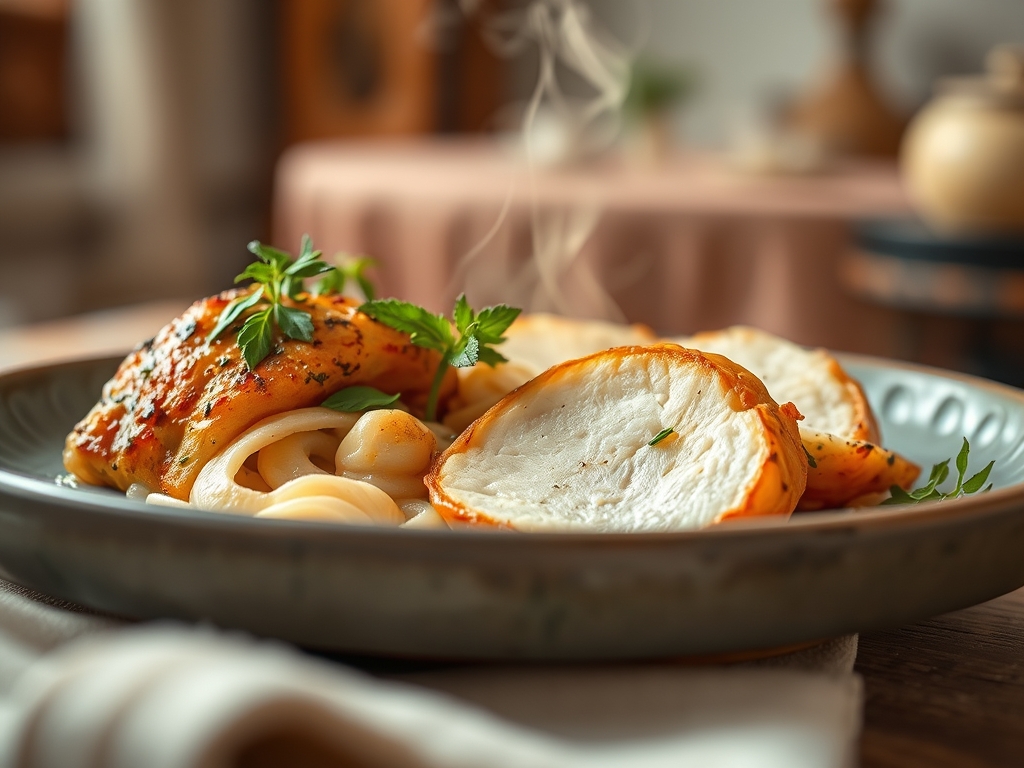
Picture the sound of a heavy-bottomed stainless steel skillet meeting a high-flame burner; that sharp, metallic ring is the opening bell for the best meal of your week. We have all been there, staring at a pack of pale, skinless breasts and wondering how to transform them into something truly transcendent. Finding chicken recipes tasty enough to impress a dinner party but fast enough for a Tuesday requires more than just salt; it requires a fundamental understanding of protein chemistry. We are moving beyond the rubbery, uninspired poultry of the past. Today, we are mastering the art of the sear, the science of the brine, and the magic of the deglaze to ensure every bite is a masterclass in texture and flavor.
The Gathers:
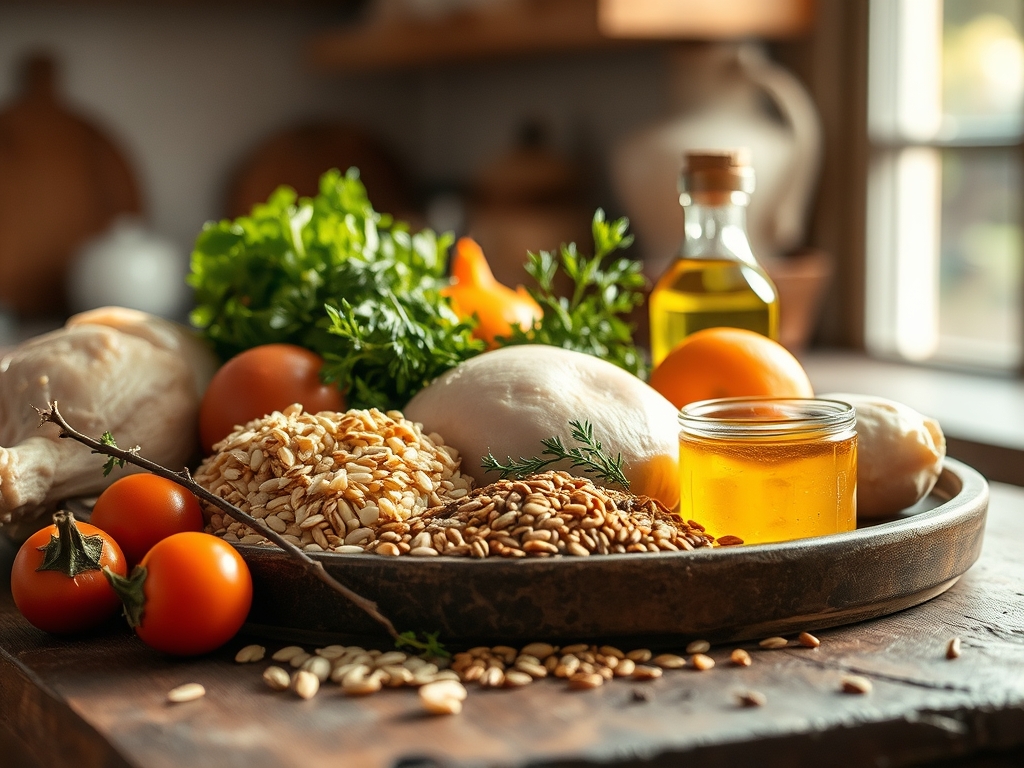
Before we ignite the range, we must organize our mise-en-place with surgical precision. Our primary subject is the organic air-dried chicken breast; air-drying is superior because it lacks the excess water weight found in "retained water" brands, allowing for a faster Maillard reaction. You will need a high-smoke-point lipid, such as avocado oil or clarified butter, to facilitate heat transfer without scorching. For the aromatics, gather fresh thyme, garlic cloves with the skins on to prevent burning, and a high-quality sea salt.
Smart Substitutions: If you are avoiding dairy, replace the butter finish with a viscous emulsion of tahini and lemon juice to mimic that creamy mouthfeel. If you lack fresh aromatics, a dash of high-quality fish sauce provides a hidden umami depth that mimics the savory profile of slow-roasted bones. Always use a digital scale for your spices; consistency is the hallmark of a professional kitchen.
The Clock
Efficiency in the kitchen is about "Chef's Flow," the rhythmic movement between tasks that eliminates dead time. Total active preparation requires exactly 12 minutes of focused knife work and seasoning. The cooking phase spans 15 to 18 minutes, depending on the thickness of the protein. However, the most critical "time" is the 5-minute rest period post-heat. During this phase, the muscle fibers relax and reabsorb the internal juices. If you cut too early, you lose the moisture that makes chicken recipes tasty, leaving you with a dry, fibrous result. Plan for a total "door-to-table" time of 35 minutes.
The Masterclass
1. The Dry Brine Protocol
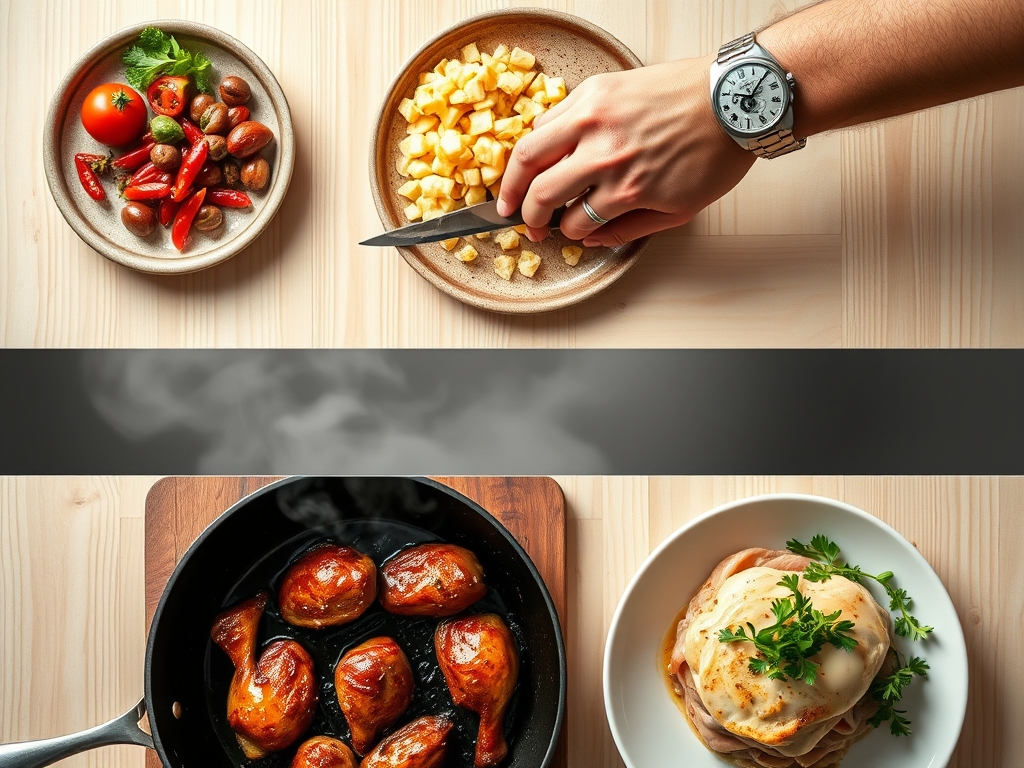
Pat the chicken dry with paper towels until the surface is matte. Generously coat with kosher salt and let it sit at room temperature for 15 minutes.
Pro Tip: This uses osmosis to draw moisture out, dissolve the salt, and then pull that seasoned brine back into the center of the meat, seasoning the bird from the inside out.
2. The Cold-Pan Start for Thighs
If using skin-on thighs, place them skin-side down in a cold, heavy-bottomed skillet before turning on the heat.
Pro Tip: Starting cold allows the subcutaneous fat to render slowly, resulting in a glass-like, crispy skin without overcooking the delicate meat underneath.
3. The Searing Phase
Increase the heat to medium-high. Place the breasts in the pan, moving them as little as possible. Use heavy-duty tongs to check for a deep, golden-brown crust.
Pro Tip: This is the Maillard reaction, a chemical dance between amino acids and reducing sugars that creates hundreds of different flavor compounds.
4. The Butter Baste (Arroser)
Drop a knob of butter, crushed garlic, and thyme into the pan. Tilt the skillet and use a large spoon to repeatedly douse the chicken in the foaming fat.
Pro Tip: This technique, known as arroser, provides gentle, convective heat that finishes the interior while infusing the exterior with nutty, toasted milk solids.
5. The Deglaze
Remove the chicken and add a splash of dry white wine or chicken stock to the hot pan. Use a wooden spoon or bench scraper to lift the browned bits (the fond) from the bottom.
Pro Tip: The fond is a concentrated essence of flavor; by adding liquid, you create a piquant pan sauce that captures every molecule of taste.
6. The Velvet Slicing
Once rested, slice the chicken against the grain. Look for the direction the muscle fibers are running and cut perpendicular to them.
Pro Tip: Cutting against the grain shortens the fibers, making the meat feel significantly more tender and succulent in the mouth.
The Deep Dive
From a nutritional standpoint, chicken is a lean-protein powerhouse. A standard 6-ounce serving provides roughly 52 grams of protein with minimal saturated fat, making it a staple for muscle synthesis. For those following a Keto protocol, increase the fat content by utilizing the skin and finishing with a heavy cream reduction. Vegan friends can apply these same searing and deglazing techniques to oyster mushrooms or extra-firm tofu to achieve a similar savory profile.
The Fix-It:
- Problem: The chicken is sticking to the pan. Fix: Be patient. Protein "releases" naturally once the crust has formed. If it sticks, the Maillard reaction is not yet complete.
- Problem: The exterior is burnt but the interior is raw. Fix: Lower the heat and add a splash of liquid, then cover with a lid to create a steam-chamber effect.
- Problem: The meat is "rubbery." Fix: You likely bypassed the rest period. Always allow the internal temperature to stabilize before slicing.
Meal Prep Science: To maintain "day-one" quality when reheating, avoid the microwave's high-frequency waves which vibrate water molecules and toughen protein. Instead, use a saucier to gently warm the chicken in a tablespoon of broth over low heat to re-hydrate the fibers.
The Wrap-Up
Mastering chicken is not about following a rigid script; it is about understanding the physics of the pan and the chemistry of the ingredients. When you treat the protein with respect; drying the surface, honoring the sear, and allowing for the essential rest; you transform a basic staple into a culinary event. These chicken recipes tasty secrets are now yours to wield. Go forth, grab your favorite skillet, and turn your kitchen into a laboratory of flavor.
The Kitchen Table
Why is my chicken always dry?
Dryness usually stems from overcooking or failing to rest the meat. Use a digital thermometer to pull the chicken at 160 degrees Fahrenheit; carryover cooking will bring it to the safe 165 mark while preserving the internal moisture.
Can I use frozen chicken for these hacks?
Yes, but you must thaw it completely in the refrigerator first. Excess ice crystals damage the cell structure and release too much water, which prevents the Maillard reaction and results in steaming rather than searing.
What is the best pan for cooking chicken?
A heavy-bottomed stainless steel or cast iron skillet is ideal. These materials hold heat consistently, which is essential for achieving a professional-grade sear and developing the "fond" needed for a high-quality pan sauce.
How do I get crispy skin every time?
The secret is moisture control. Pat the skin extremely dry and leave the chicken uncovered in the fridge for two hours before cooking. This dehydrates the surface, allowing the fat to render and the skin to crisp rapidly.