
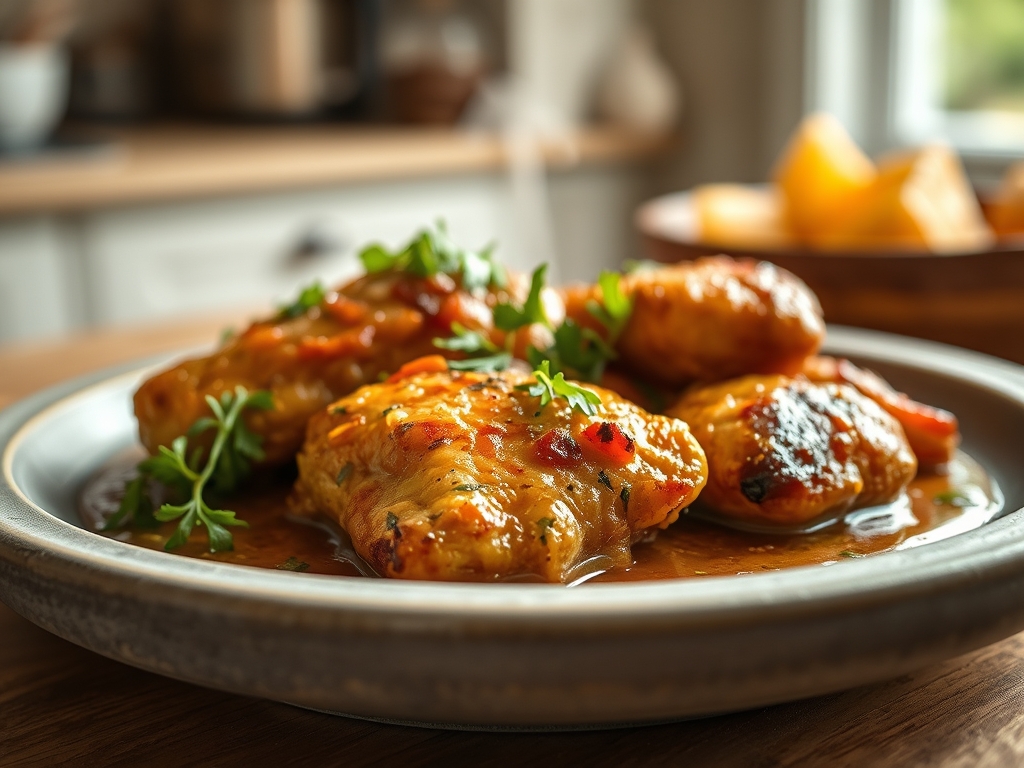
The aroma of searing poultry skin and blooming aromatics is the ultimate siren song for a busy kitchen. We have all been there; it is six in the evening and the desire for a gourmet meal clashes with the reality of a zero-energy tank. This is where the magic of low carb chicken recipes crock pot style becomes your secret weapon for metabolic health and sanity. By leveraging the gentle, consistent thermal energy of a slow cooker, we can transform humble proteins into succulent masterpieces without the carbohydrate heavy fillers that usually plague comfort food. We are talking about deep, resonant flavors that develop over hours, allowing connective tissues to break down into silky collagen while you go about your day. It is not just about convenience; it is about utilizing professional culinary physics to achieve a level of tenderness that a high heat sear simply cannot replicate.
The Gathers:
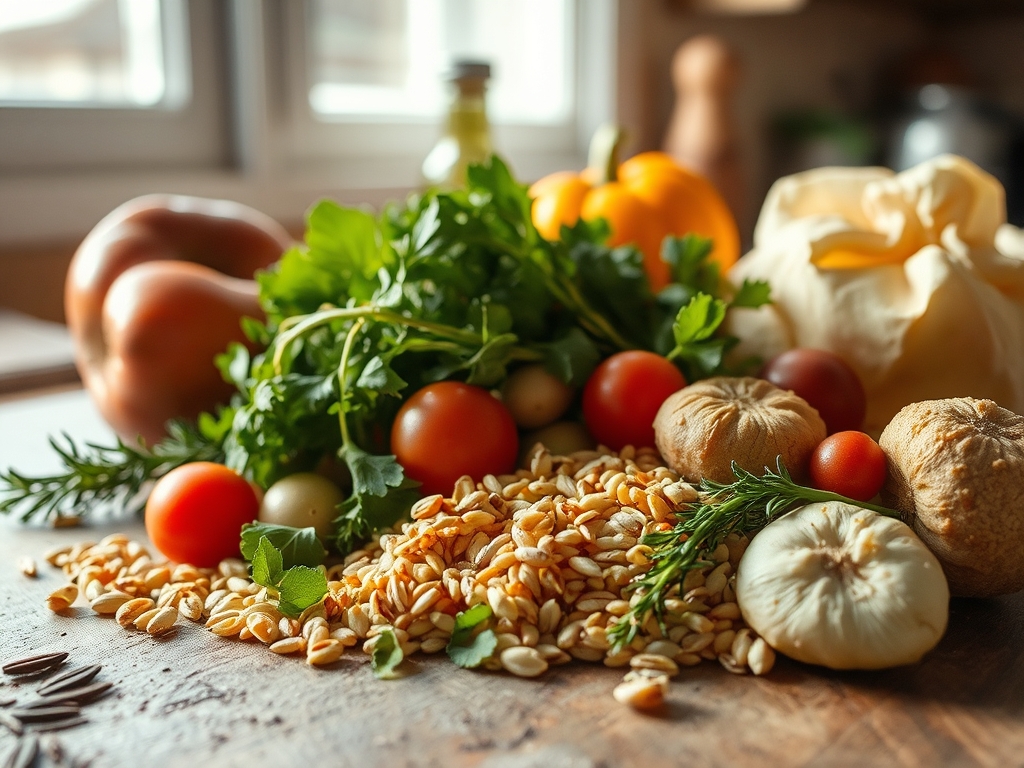
Before we engage the heating element, we must curate our mise-en-place with surgical precision. For these nine variations, your countertop should look like a botanical laboratory. We start with the foundation: high quality chicken thighs or breasts. Thighs are preferable for the slow cooker because their higher lipid content prevents the meat from becoming fibrous during long cook cycles. You will need a microplane for zesting citrus and grating fresh ginger to release volatile oils. Keep a digital scale nearby to ensure your protein ratios are exact for macro tracking.
Smart Substitutions are the hallmark of a savvy chef. Instead of cornstarch to thicken your sauces, we use xanthan gum or a reduction of heavy cream to achieve a viscous consistency. Swap sugary bottled marinades for a blend of apple cider vinegar, liquid aminos, and toasted sesame oil. For a piquant kick without the carbs, reach for fermented chili paste or fresh jalapeños. If a recipe calls for honey, use an allulose-based sweetener which provides the same humectant properties without the glycemic spike. Always have your tongs ready to rotate the meat, ensuring every square inch is submerged in the braising liquid to infuse the fibers with flavor.
The Clock: Mastering Chef's Flow
Efficiency in the kitchen is about managing the "Chef's Flow." Prep time for these meals averages twenty minutes, primarily focused on the Maillard reaction during an initial sear. While many slow cooker recipes suggest a "dump and go" method, we are better than that. Taking five minutes to deglaze a heavy-bottomed skillet with a splash of dry white wine or chicken bone broth adds a layer of complexity that raw ingredients cannot provide.
The cooking window is your greatest asset. Most low carb chicken recipes crock pot variations require four hours on high or seven hours on low. The "Low" setting is superior for structural integrity; it allows the proteins to denature slowly, preventing the "rubber" texture often found in rushed poultry. Plan to start your prep during your morning coffee ritual. By the time the sun sets, the internal temperature will have stabilized, and the flavors will have reached their peak equilibrium.
The Masterclass:
1. The Initial Sear and Deglaze
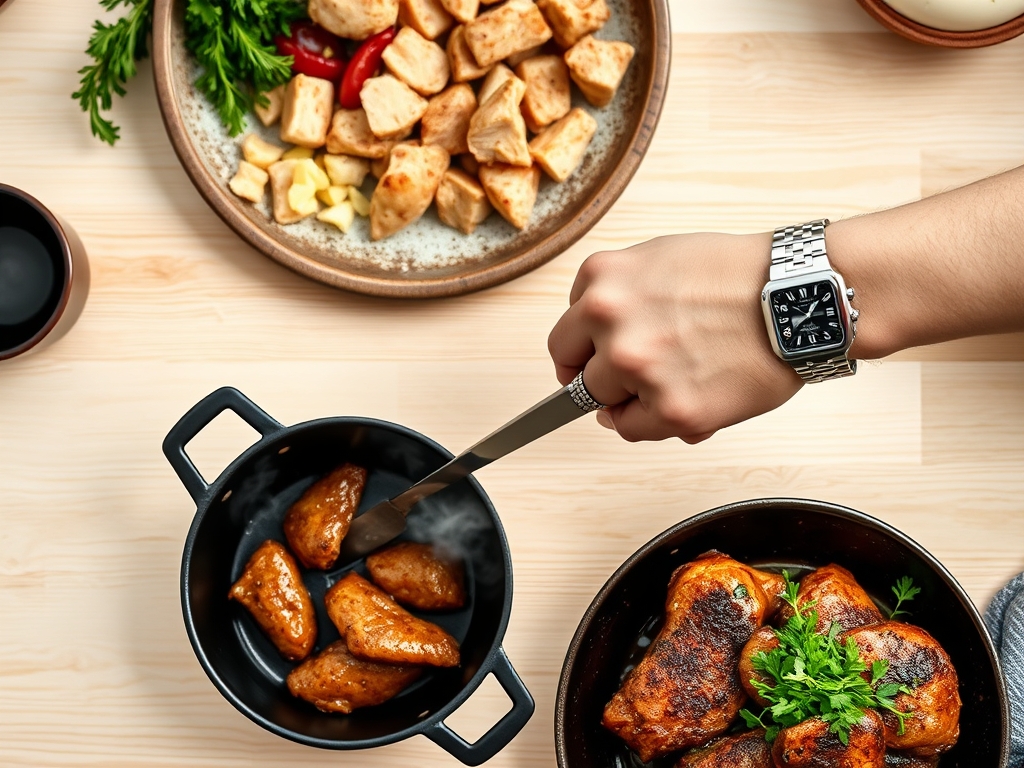
Before the chicken enters the crock pot, hit it with high heat in a heavy-bottomed skillet. This triggers the Maillard reaction, creating hundreds of different flavor compounds. Use your tongs to move the meat once a golden crust forms.
Pro Tip: This step creates "fond," the caramelized bits stuck to the pan. Deglaze with an acid like lemon juice to lift these flavors into your slow cooker.
2. Layering the Aromatics
Place hardy vegetables like celery, radishes (a fantastic low carb potato sub), and garlic at the bottom. These act as a trivet, preventing the chicken from sitting directly on the heat source and overcooking.
Pro Tip: Vegetables at the bottom undergo enzymatic browning more effectively, providing a rich base for your sauce.
3. Emulsifying the Braising Liquid
Whisk your liquids (broth, fats, and acids) in a saucier before pouring them over the chicken. This ensures that spices are evenly distributed and do not clump in the corners of the ceramic insert.
Pro Tip: Adding a fat source like butter or olive oil helps aerate the sauce as it simmers, leading to a smoother mouthfeel.
4. Monitoring the Thermal Curve
Resist the urge to lift the lid. Every time you open the crock pot, you lose significant heat and moisture, extending the cook time by twenty minutes. Use a probe thermometer if your model allows it.
Pro Tip: Understanding thermal carryover is vital; the internal temp will rise about five degrees after you turn the machine off.
5. Shredding with Precision
Once the timer dings, move the chicken to a cutting board. Use two forks or a bench scraper to pull the meat apart into uniform strands. This increases the surface area for sauce absorption.
Pro Tip: Shredding while the meat is hot allows the protein fibers to soak up the residual juices through capillary action.
6. Finishing with Freshness
Just before serving, stir in "bright" ingredients like fresh parsley, cilantro, or a squeeze of lime. These volatile compounds break down under heat, so they must be added at the very end.
Pro Tip: Adding acids at the finish "wakes up" the palate by balancing the heavy, rendered fats from the cooking process.
The Deep Dive: Technical Excellence
When we look at the macro nutrition of these low carb chicken recipes crock pot style, we see a profile dominated by high quality protein and healthy fats. Most servings average 350 to 450 calories with fewer than 6 grams of net carbs. For those following a Keto protocol, increasing the fat content is as simple as stirring in a block of cream cheese or a splash of heavy cream during the final thirty minutes of cooking. If you are leaning toward a Vegan or plant-based adjustment, firm tofu or tempeh can be substituted, though the cook time should be reduced to two hours to maintain texture.
Even the best chefs hit a snag occasionally. If your sauce is too thin, do not panic. Avoid the flour trap. Instead, take a cup of the liquid, whisk in a teaspoon of glucomannan, and return it to the pot. This creates a glossy, thick coating without the carb load. If the chicken feels dry, it is likely over-processed; next time, shorten the cook cycle or switch to bone-in, skin-on cuts which provide a natural moisture barrier. If the flavor is flat, it usually needs salt or acid. A dash of fish sauce provides umami depth that salt alone cannot achieve.
Meal prep is the final frontier. To maintain "day-one" quality, cool the chicken rapidly before refrigerating. When reheating, use a damp paper towel over the bowl in the microwave to create a steam chamber. This prevents the proteins from becoming "woody" or dry. Better yet, reheat on the stovetop in a small pan with an extra splash of broth to re-hydrate the fibers.
The Wrap-Up:
You are now armed with the scientific prowess to turn your kitchen into a low carb powerhouse. These nine recipes are not just meals; they are a lifestyle shift that prioritizes flavor and biology. By mastering the sear, the slow braise, and the final acidic finish, you are ensuring that every bite is a culinary triumph. Grab your digital scale, prep those aromatics, and let the crock pot do the heavy lifting. Your future self, lounging on the couch while dinner cooks itself, will definitely thank you.
The Kitchen Table:
How do I prevent chicken from getting dry in the crock pot?
Always use chicken thighs for better fat content. If using breasts, shorten the cook time and ensure there is enough liquid to cover at least half the meat, creating a self-basting environment that preserves moisture levels.
Can I put frozen chicken directly into the slow cooker?
It is not recommended for safety. Frozen meat stays in the bacterial "danger zone" (40-140 degrees Fahrenheit) for too long. Always thaw your poultry in the refrigerator overnight before starting your low carb chicken recipes crock pot.
What is the best way to thicken a low carb sauce?
Avoid flour or cornstarch. Use a small amount of xanthan gum (whisked into oil first to avoid clumps) or simply remove the lid for the last thirty minutes to allow the liquid to reduce and concentrate naturally.
How long can I store these meals in the fridge?
Cooked chicken stays fresh and safe for three to four days when stored in an airtight container. For longer storage, these recipes freeze beautifully for up to three months; just thaw in the fridge before reheating.