
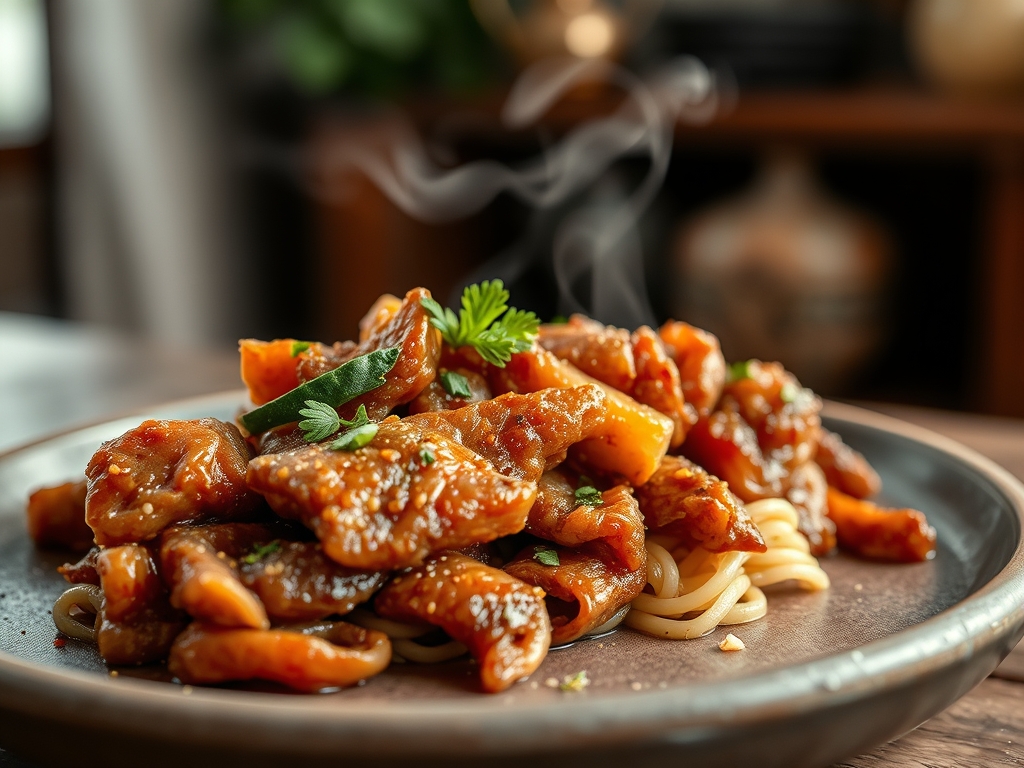
Close your eyes and listen for that distinct, glass-shattering crunch that defines the very best chinese crispy beef recipes. You know the one; it is that addictive harmony of a shattered-glass exterior yielding to a tender, savory interior, all lacquered in a sauce that is equal parts piquant and sweet. We have all been there, staring at a soggy, sad pile of takeout beef wondering why the magic disappeared during the five-minute drive home. Achieving that restaurant-grade structural integrity at home is not about luck; it is about mastering the molecular behavior of starches and the physics of moisture evaporation. We are going to deconstruct the traditional stir-fry to understand how alkaline marinades and double-frying create a crust that stays defiant against even the most viscous glazes. Grab your heavy-bottomed skillet and a digital scale. We are moving beyond basic cooking and into the realm of edible engineering to ensure your next batch of ginger beef is nothing short of legendary.
The Gathers:
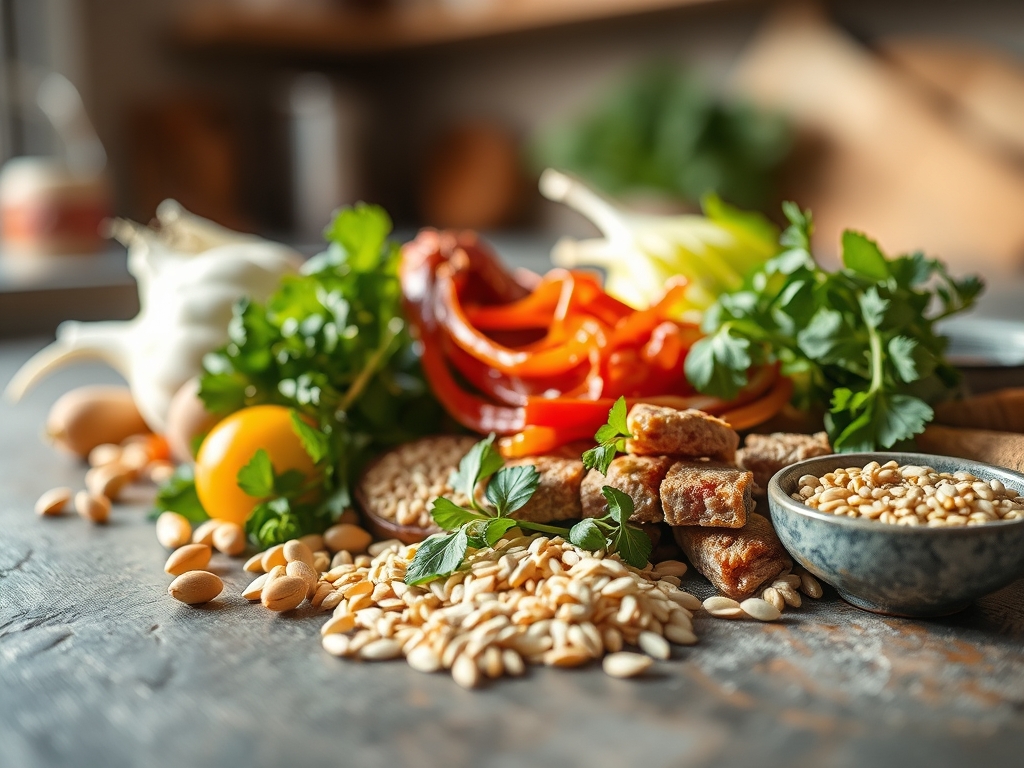
To execute world-class chinese crispy beef recipes, your mise-en-place must be precise. Start with one pound of flank steak or top sirloin. We choose these cuts because their long muscle fibers are ideal for slicing against the grain, which shortens the protein strands and ensures a tender bite. You will need high-quality cornstarch or potato starch; the latter provides a slightly more translucent and durable crunch due to its larger starch granules. For the aromatic base, gather fresh ginger and garlic. Use a microplane to grate these into a fine paste, which allows the essential oils to infuse the sauce more effectively than a rough chop.
Your liquid components should include low-sodium light soy sauce for salt, dark soy sauce for that deep mahogany hue, and Chinkiang black vinegar for a complex, malty acidity. If you cannot find black vinegar, a mix of balsamic and rice vinegar is a smart substitution. For the heat, dried red chilis or a spoonful of chili crisp will provide a slow-burning glow. Finally, ensure you have a neutral oil with a high smoke point, such as grapeseed or peanut oil, to handle the intense thermal demands of the wok.
The Clock
Efficiency in the kitchen is about "Chef's Flow," the art of overlapping tasks so no heat is wasted. Budget 20 minutes for preparation, which includes the critical step of freezing the beef for 15 minutes to firm it up for razor-thin slicing. The active cooking time is surprisingly fast, clocking in at about 12 minutes. However, the secret to the best chinese crispy beef recipes is the rest period between the first and second fry. This five-minute interval allows internal moisture to migrate to the surface, where it can be blasted away during the final high-heat immersion. Total time from fridge to table is roughly 40 minutes.
The Masterclass:
1. The Velvet Marination
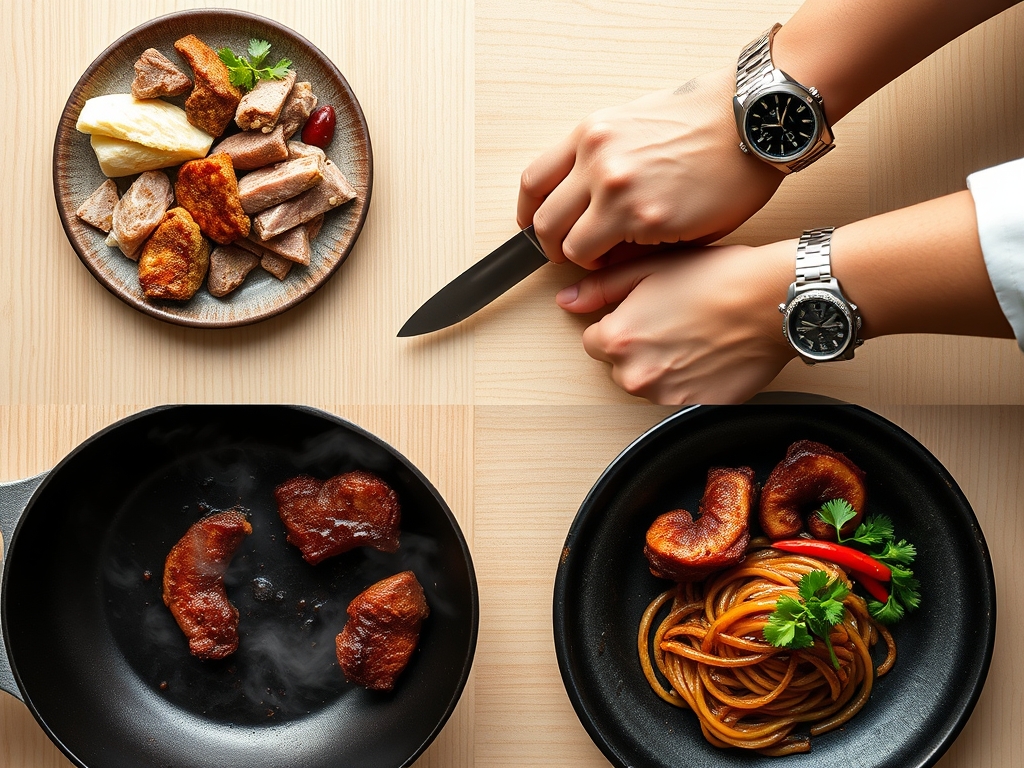
Slice your beef into thin, two-inch strips against the grain. Place them in a bowl with a splash of Shaoxing wine, a pinch of baking soda, and a teaspoon of cornstarch. This process, known as velveting, uses the alkaline baking soda to raise the pH level on the meat's surface, hindering the proteins from bonding tightly when heated.
Pro Tip: This chemical shift prevents the beef from toughening, ensuring the interior remains succulent even as the exterior becomes brittle. This is the secret to why restaurant beef feels "soft" yet cooked through.
2. The Starch Aeration
Dredge the marinated beef in a generous amount of cornstarch. Do not just coat it; press the starch into the meat until it looks dry and chalky. Use a fine-mesh sieve to shake off any excess.
Pro Tip: Aerate the starch by whisking it before dredging. This introduces tiny air pockets that expand during frying, creating a lighter, more honeycomb-like texture rather than a dense, hard shell.
3. The Initial Par-Fry
Heat your oil in a wok or heavy-bottomed skillet to 350 degrees Fahrenheit. Use a digital thermometer to be precise. Fry the beef in small batches for about two minutes until it is pale golden and just cooked through. Remove with a spider skimmer and drain on a wire rack.
Pro Tip: Avoid overcrowding the pan. Dropping too much meat at once causes the oil temperature to plummet, leading to "greasy" beef as the starch absorbs oil instead of searing.
4. The Flash-Fry Crisp
Increase the oil temperature to 400 degrees Fahrenheit. Return the beef to the oil for a mere 45 to 60 seconds. This is where the magic happens; the beef will turn a deep, burnished brown and become incredibly rigid.
Pro Tip: This second fry utilizes thermal carryover to drive out the last remnants of surface moisture. It creates a moisture-resistant barrier that helps the beef stay crunchy even after it is tossed in sauce.
5. The Saucier Reduction
In a separate saucier, combine your aromatics, soy sauces, sugar, and vinegar. Bring to a vigorous simmer until the mixture reduces and becomes viscous enough to coat the back of a spoon.
Pro Tip: The reduction of sugars facilitates Maillard reaction notes within the sauce itself, deepening the savory profile and ensuring the glaze clings to the beef rather than pooling at the bottom of the bowl.
6. The Final Emulsification
Turn off the heat. Toss the crispy beef into the sauce along with sliced scallions and toasted sesame seeds. Use tongs to quickly coat every piece. Serve immediately while the structural integrity of the crust is at its peak.
Pro Tip: Adding a teaspoon of toasted sesame oil at the very end (off-heat) preserves its volatile aromatic compounds, which would otherwise dissipate under high heat.
The Deep Dive
From a nutritional perspective, a standard serving of chinese crispy beef provides approximately 450 calories, with 25 grams of protein and 30 grams of carbohydrates. To make this Keto-friendly, swap the cornstarch for arrowroot powder or unflavored whey protein isolate and use monk fruit sweetener in the sauce. For a Vegan version, king oyster mushrooms or seitan strips work beautifully as beef substitutes, as they mimic the fibrous texture of steak. Gluten-free diners should substitute soy sauce with tamari or liquid aminos and ensure their starch is certified GF.
If you encounter "The Soggy Syndrome," it is likely because your sauce was too watery or the beef was not fried a second time. Fix this by reducing your sauce further until it is a thick syrup. If the beef is "Too Tough," you likely skipped the baking soda or sliced with the grain instead of against it. For "Burnt Garlic," remember to add your aromatics to the sauce only after the pan has cooled slightly or there is enough liquid to buffer the heat.
For Meal Prep, never store the beef and sauce together. Keep the fried beef in an airtight container and the sauce in a separate jar. To reheat, air-fry the beef at 375 degrees for 3 minutes to restore the crunch, then toss with warmed sauce. This "deconstructed" storage method ensures day-one quality on day three.
The Wrap-Up
Mastering chinese crispy beef recipes is a rite of passage for any home cook who craves that perfect balance of texture and taste. By understanding the science of the double-fry and the chemistry of alkaline marinades, you have moved beyond following a recipe to commanding the kitchen. Remember, the secret is in the moisture control and the heat management. Now, go grab your wok and show that flank steak who is boss; your friends are going to think you have a secret professional chef hidden in your pantry!
The Kitchen Table
How do I make my beef extra crispy?
The secret is the double-fry method. Fry once at a lower temperature to cook the meat, then a second time at 400 degrees Fahrenheit to flash-evaporate surface moisture and create a rigid, glass-like crust.
What is the best cut of meat for crispy beef?
Flank steak or top sirloin are the gold standards. They have long muscle fibers that are easy to slice thin. When cut against the grain, they become incredibly tender while maintaining enough structure to hold a heavy starch coating.
Can I make this recipe without a deep fryer?
Absolutely. Use a heavy-bottomed skillet or a cast-iron pan with about two inches of oil. The thick metal helps maintain a consistent temperature, which is crucial for achieving an even, golden-brown crunch without burning the starch.
Why is my crispy beef chewy?
Chewy beef usually results from skipping the "velveting" step with baking soda or slicing the meat with the grain. Slicing against the grain breaks up tough fibers, while baking soda prevents proteins from tightening too much during frying.
How do I keep the sauce from making the beef soggy?
Ensure your sauce is reduced to a thick, syrupy glaze before adding the beef. A watery sauce will penetrate the crust immediately. Toss the beef quickly at the very end and serve it right away to preserve the texture.