
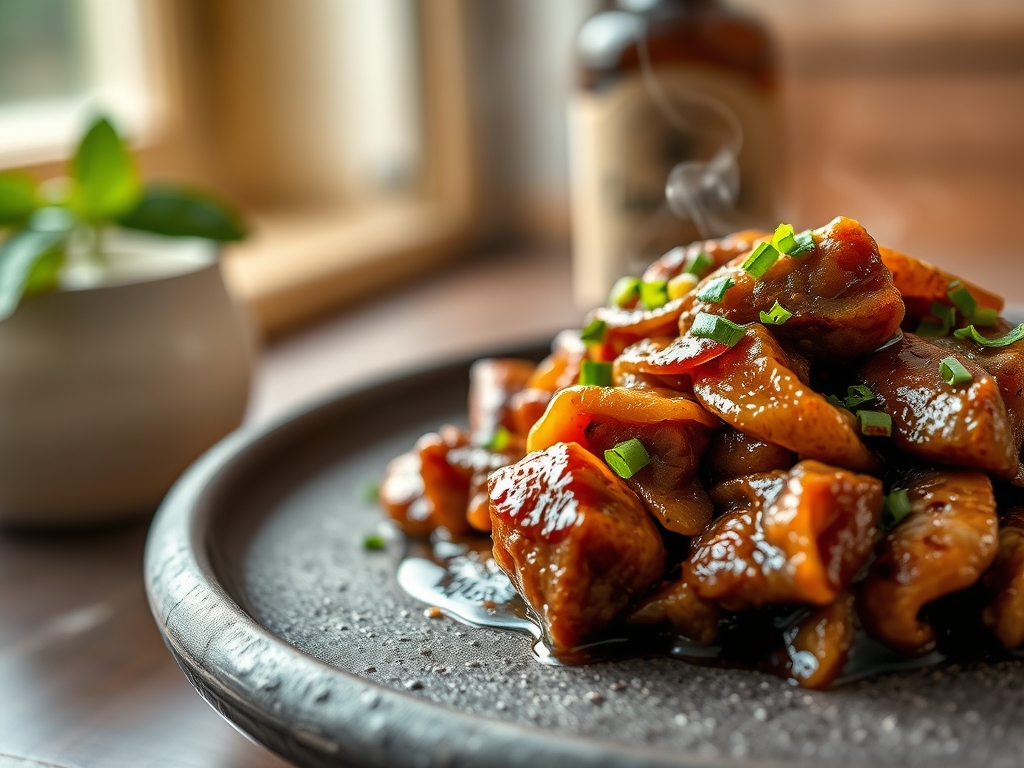
Imagine standing on a sun-drenched porch in Maui, the air thick with the scent of charred sugar and ginger. That intoxicating aroma is the hallmark of the best Hawaiian teriyaki beef recipes, where the salt of the sea meets the sweetness of the tropics. It is a sensory explosion that turns a simple dinner into a coastal celebration.
The secret to that perfect, glossy finish isn't luck; it is a meticulous dance of heat and chemistry. When you master the balance of soy, sugar, and fruit enzymes, you unlock a flavor profile that is both nostalgic and sophisticated. We are moving beyond the bottled stuff today. We are crafting a glaze so viscous and rich it clings to the meat like a silk ribbon. Grab your favorite heavy-bottomed skillet and a sharp knife. We are about to transform a humble cut of beef into a masterpiece of island soul food that will have your kitchen smelling like a five-star beach resort.
The Gathers:
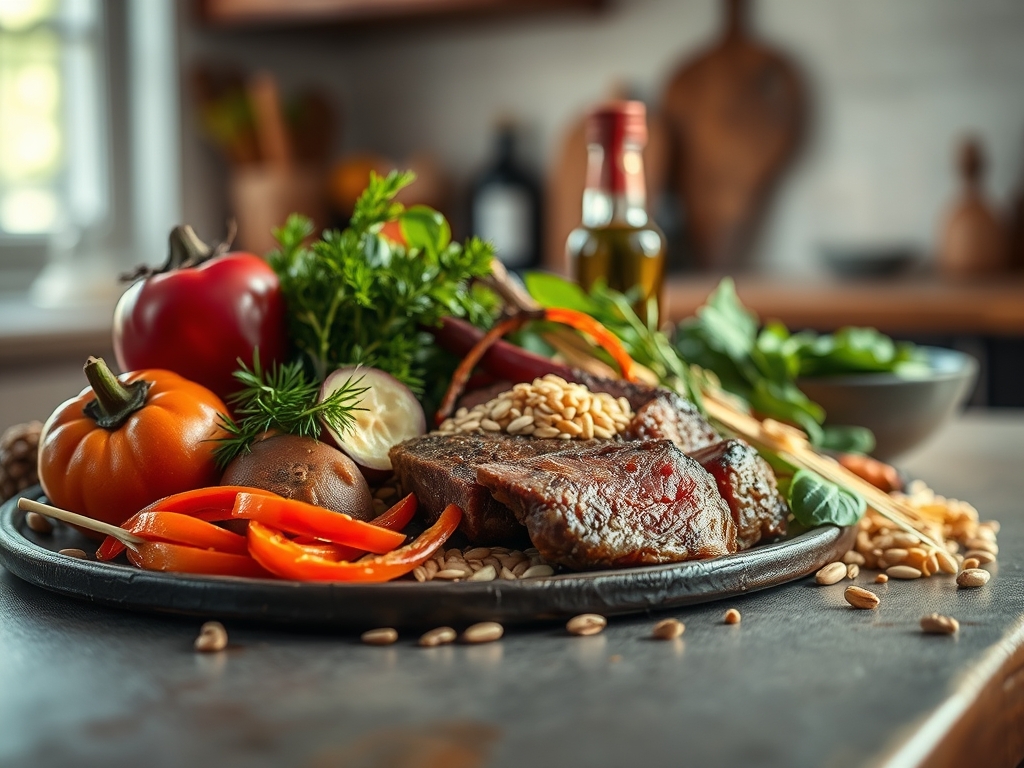
Setting up your mise-en-place is the first step toward culinary success. You will need a digital scale to ensure your ratios are precise; baking might be a science, but high-level saucing is an art of measurement. For the protein, look for flank steak or top sirloin. These cuts have a linear grain structure that allows the marinade to infuse deeply into the muscle fibers.
Your liquid gold begins with high-quality shoyu (Japanese soy sauce). Unlike standard grocery store soy sauce, shoyu is naturally brewed, offering a more complex, fermented profile. You will need fresh ginger and garlic; use a microplane to grate these into a fine paste. This increases the surface area, ensuring the aromatic oils are fully released into the liquid. The tropical kicker is pineapple juice. It contains bromelain, a powerful enzyme that breaks down tough collagen.
Smart Substitutions: If you are watching your refined sugar intake, swap the brown sugar for coconut sugar or honey. For a soy-free alternative, coconut aminos provide a similar umami punch with a lower glycemic index. If you cannot find flank steak, a flat iron steak is a brilliant alternative; it offers incredible marbling and a tender mouthfeel when sliced against the grain.
The Clock
Efficiency in the kitchen is about the Chef's Flow. This isn't just about how long the meat sits in the pan; it is about the preparation of the environment. Expect a total time of about 45 minutes of active work, but the "passive" time is where the magic happens.
Prep Time: 20 minutes. This includes slicing the beef, grating the aromatics, and whisking the marinade.
Marinating Time: 4 to 24 hours. Anything less than 4 hours won't allow the bromelain to properly tenderize the fibers.
Cook Time: 10 minutes. High-heat searing is a rapid process.
Resting Time: 5 to 8 minutes. This is non-negotiable for moisture retention.
The flow is simple: Prep the marinade first, submerge the beef, and let the refrigerator do the heavy lifting. When you are ready to cook, bring the meat to room temperature for 20 minutes. This prevents the pan temperature from dropping, which would cause the meat to steam rather than sear.
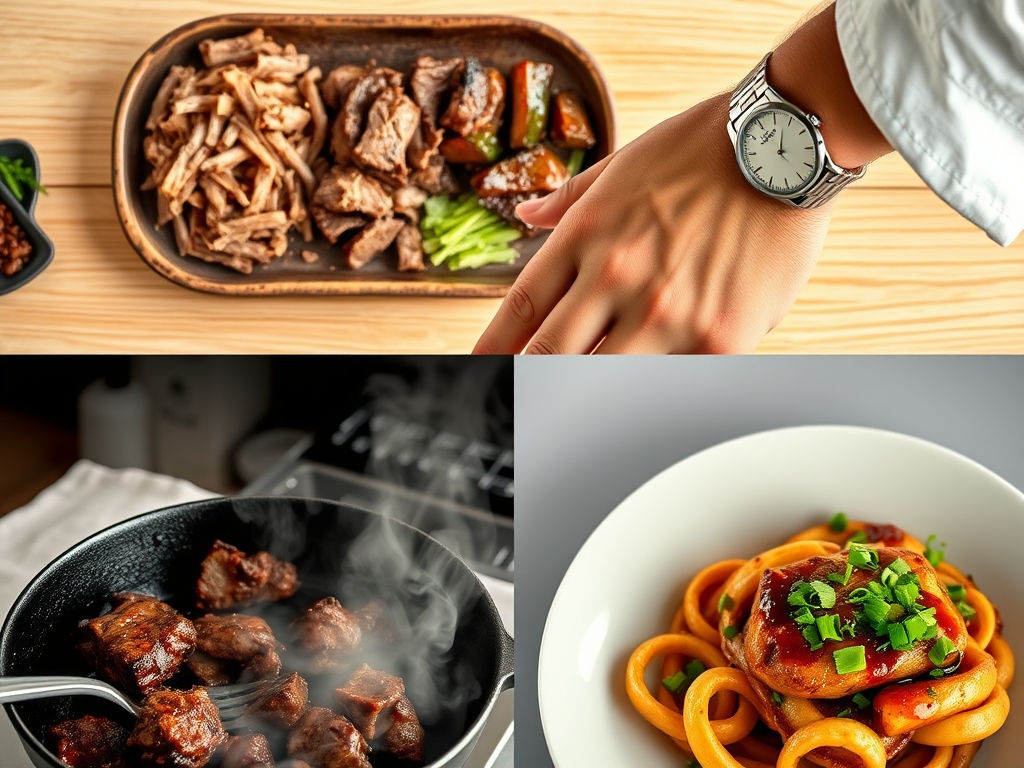
The Masterclass
1. The Precision Slice
Using a sharp chef's knife, slice your beef against the grain into thin, uniform strips. By cutting across the muscle fibers, you shorten them, making the beef significantly easier to chew.
Pro Tip: Place the beef in the freezer for 20 minutes before slicing. This firms up the fat and muscle, allowing for paper-thin precision that mimics professional teppanyaki styles.
2. The Enzymatic Bath
Whisk your shoyu, pineapple juice, grated ginger, garlic, and brown sugar in a saucier. Submerge the beef completely, ensuring every surface is coated. This is where the osmotic pressure begins to pull flavors into the meat while the pineapple juice starts its structural work.
Pro Tip: Do not marinate for more than 24 hours. Over-marinating with pineapple juice can turn the beef "mushy" as the bromelain eventually digests the protein structure too aggressively.
3. The High-Heat Sear
Heat a heavy-bottomed skillet or cast-iron pan until it is shimmering. Use a high-smoke-point oil like avocado or grapeseed oil. Use tongs to lay the beef in a single layer, avoiding overcrowding.
Pro Tip: This stage triggers the Maillard reaction. This chemical reaction between amino acids and reducing sugars creates that savory, browned crust that defines great Hawaiian teriyaki beef recipes.
4. The Glaze Reduction
Once the beef is seared, remove it from the pan. Pour the remaining marinade into the skillet to deglaze the surface, scraping up the browned bits (the fond). Let the liquid simmer until it reduces by half.
Pro Tip: Reduction increases the viscosity of the sauce. As water evaporates, the sugars and proteins concentrate, creating a thick glaze that coats the back of a spoon without the need for excess cornstarch.
5. The Emulsified Finish
Turn off the heat and toss the beef back into the thickened sauce. Add a small pat of cold butter or a splash of sesame oil and stir vigorously.
Pro Tip: This final step is called mounting with butter (monter au beurre). The cold fat creates a temporary emulsion with the water-based sauce, giving the glaze a professional, mirror-like sheen.
6. The Carryover Rest
Transfer the beef to a warm platter. Let it sit for at least five minutes before serving.
Pro Tip: This accounts for thermal carryover. The internal temperature will continue to rise by a few degrees, while the muscle fibers relax and reabsorb the juices, ensuring every bite is succulent.
The Deep Dive
Macro Nutrition: A standard serving of this beef provides roughly 35g of protein, 12g of fat, and 18g of carbohydrates (mostly from the sugars in the glaze). It is a high-iron, high-zinc meal that fuels muscle recovery.
Dietary Swaps:
- Vegan: Use thick slabs of king oyster mushrooms or extra-firm pressed tofu. The porous texture of mushrooms mimics the beef's ability to soak up the marinade.
- Keto: Replace the sugar and pineapple juice with a brown sugar substitute and a splash of rice vinegar with a drop of pineapple extract for aroma.
- Gluten-Free: Always use Tamari or liquid aminos, as standard shoyu contains wheat.
The Fix-It:
- Too Salty: Add a squeeze of fresh lime juice. The acid cuts through the sodium perception.
- Too Thin: If the sauce won't thicken, whisk a teaspoon of cornstarch with cold water (a slurry) and whisk it into the boiling sauce.
- Burned Sugar: If the pan gets too dark too fast, add a splash of water immediately to lower the temperature and stop the sugar from carbonizing.
Meal Prep & Reheating: To maintain "day-one" quality, store the beef and sauce separately if possible. Reheat in a skillet over medium-low heat with a tablespoon of water to aerate the sauce and prevent it from becoming a sticky glob. Avoid the microwave, which can turn the beef rubbery through uneven heating.
The Wrap-Up
Mastering Hawaiian teriyaki beef recipes is about more than just tossing meat in a pan; it is about understanding the chemistry of the sear and the power of the glaze. When you balance the piquant ginger with the deep umami of shoyu, you create a dish that is far greater than the sum of its parts. Use your tools, trust your senses, and don't rush the reduction. Your kitchen is now an island getaway; enjoy every savory, sticky bite!
The Kitchen Table
What is the best cut of beef for teriyaki?
Flank steak or top sirloin are ideal. They have a robust beefy flavor and a grain structure that absorbs marinades beautifully. Ensure you slice against the grain to maximize tenderness after the high-heat searing process.
Can I use canned pineapple juice?
Yes, canned juice works perfectly. Interestingly, canned juice is pasteurized, which deactivates some enzymes. This means you can marinate the beef slightly longer than with fresh juice without the risk of the meat becoming overly soft.
How do I get that thick, shiny sauce?
The secret is reduction and a final emulsion. Simmer the marinade until the water evaporates and the sugars concentrate. Stirring in a small amount of cold butter at the end provides that professional, glossy "mirror" finish.
Why is my beef tough even after marinating?
You likely cut with the grain or overcrowded the pan. Slicing against the grain breaks the tough fibers. Cooking too much meat at once drops the pan temperature, causing the meat to steam in its juices rather than sear.