
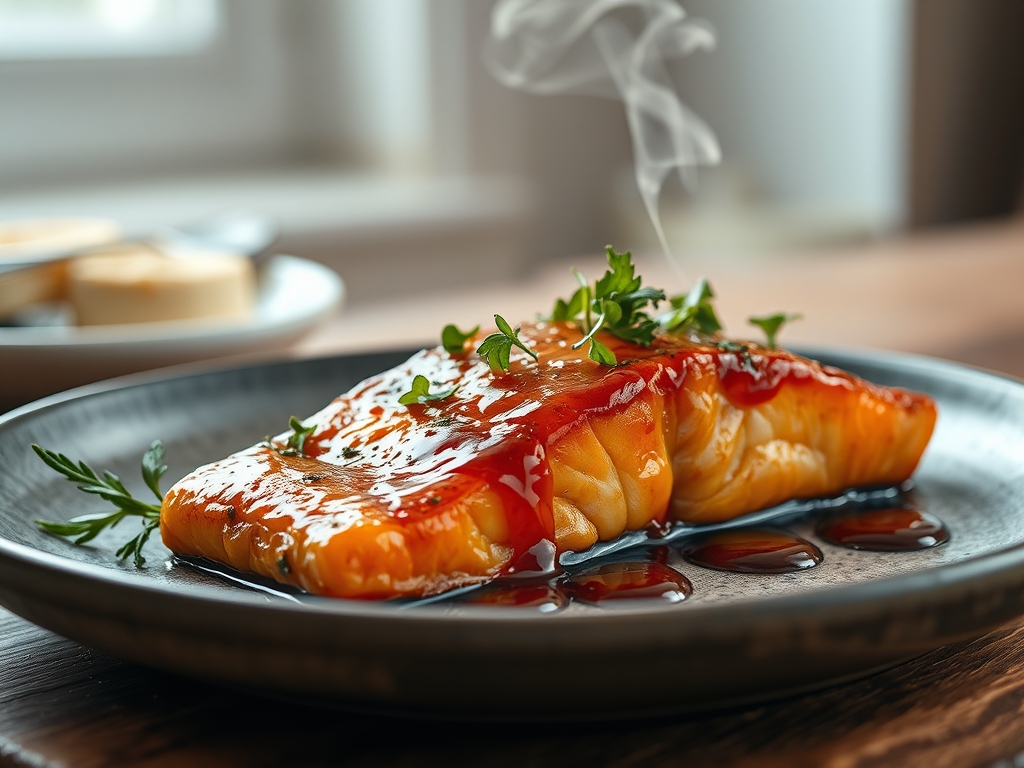
Imagine the sound of a heavy-bottomed skillet meeting a high-flame burner; it is the percussion of a kitchen about to create magic. You are standing there with a fillet of cold, marbled fish, and your goal is a transformation from raw protein to a glass-shattered, sticky masterpiece. We are chasing that specific, addictive tension between a salty, umami-rich crust and a center so buttery it practically sighs under the weight of a fork. Finding the best glazed salmon recipes is not just about a list of ingredients; it is about mastering the physics of sugar and heat. We want a glaze that clings like velvet rather than sliding off into a watery pool. This is where we move beyond basic home cooking and into the realm of culinary architecture. We are going to build layers of flavor that hit every single taste bud, ensuring that your dinner tonight is the kind of meal people text you about three days later.
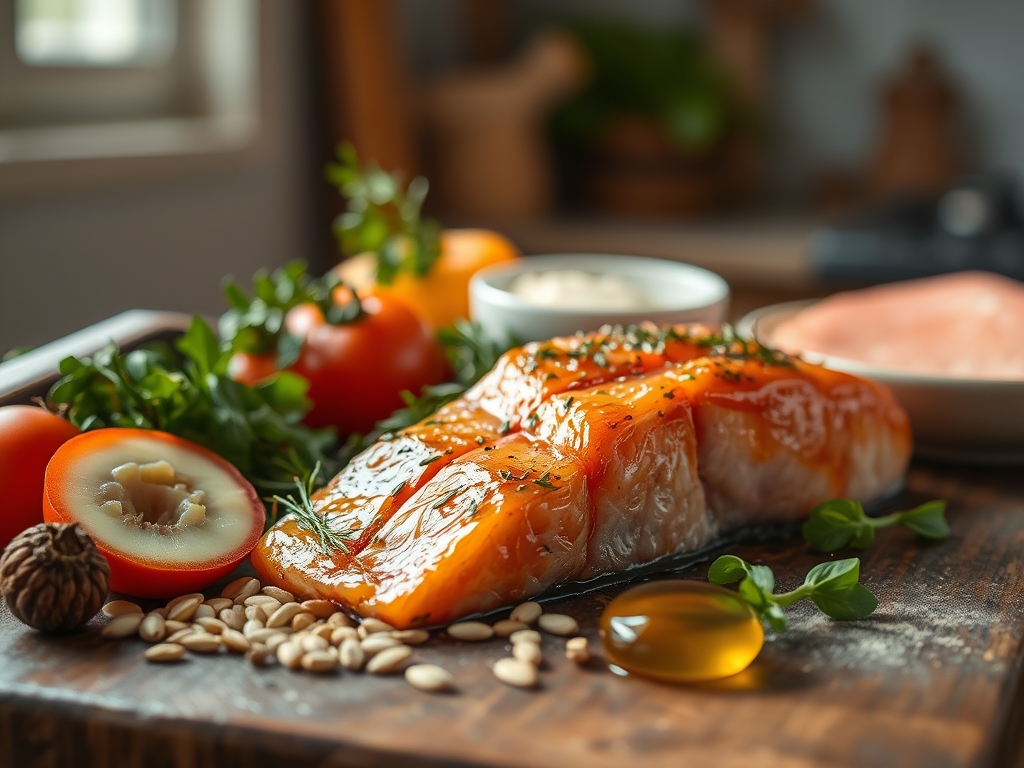
The Gathers:
To achieve a restaurant-grade finish, your mise-en-place must be precise. Start with a center-cut Atlantic or King salmon fillet; these varieties possess the high intramuscular fat necessary to withstand high-heat glazing without drying out. You will need a high-quality fat for the sear; avocado oil is ideal due to its 520 degree Fahrenheit smoke point. For the glaze, gather raw honey or dark brown sugar to act as your primary humectant. You will also need fermented soy sauce for umami, fresh ginger for a piquant bite, and garlic that you have processed through a microplane to create a fine paste.
Smart Substitutions: If you are avoiding soy, coconut aminos offer a similar viscous quality with a lower glycemic index. For those who prefer a brighter profile, swap the honey for a high-quality maple syrup; the specific gravity of maple syrup allows it to reduce into a thicker, more resinous coating. If you lack fresh ginger, a pinch of ground galangal provides a more floral, earthy heat. Always keep a digital scale nearby to ensure your glaze ratios are exact; precision is the difference between a sauce that breaks and one that emulsifies perfectly.
The Clock
Efficiency in the kitchen is all about the "Chef's Flow." This recipe requires a total of 25 minutes from the moment you pull the fish from the refrigerator to the moment you garnish with toasted sesame seeds. Prep time takes roughly 10 minutes, most of which is spent finely grating aromatics and patting the fish dry. The actual cook time is a swift 12 to 15 minutes.
The flow is simple: while the salmon rests at room temperature to take the chill off, you whisk your glaze in a small saucier. By the time your skillet is screaming hot, your glaze is ready to be deployed. Never rush the preheating phase; a cold pan is the enemy of a crisp skin. If you time it correctly, your side dishes should be plating just as the salmon enters its final two-minute rest.
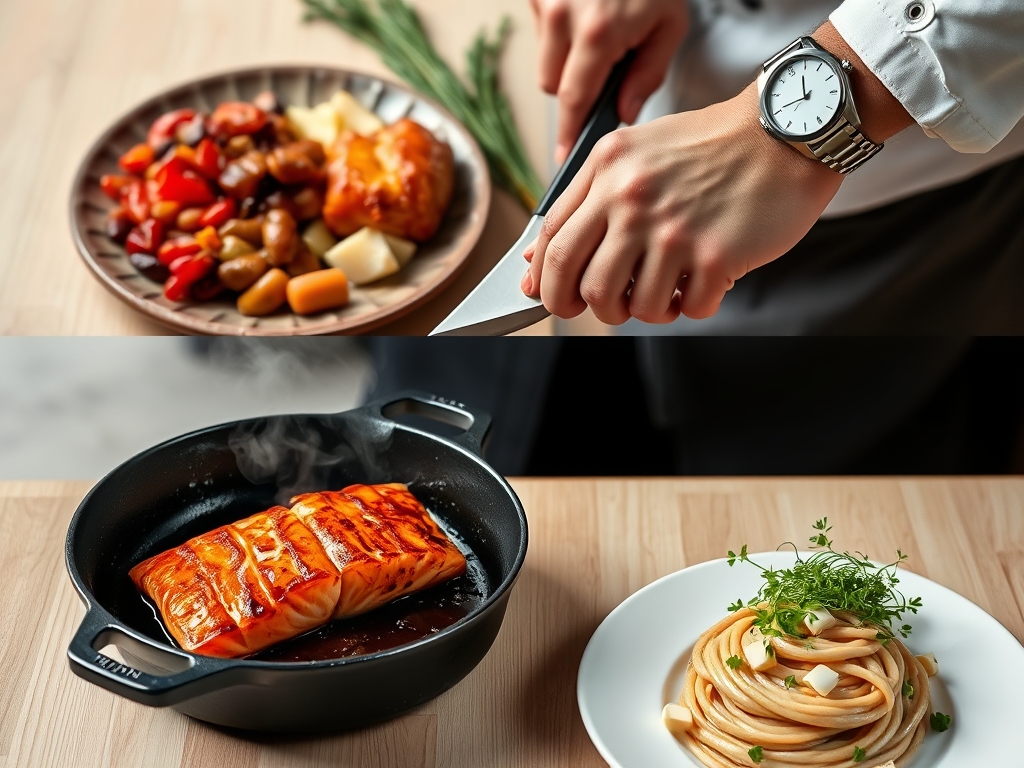
The Masterclass
1. The Desiccation Ritual
The most common mistake is moisture. Use a paper towel to press firmly onto the surface of the salmon until the skin and flesh feel tacky to the touch. Moisture creates steam, and steam prevents the Maillard reaction from occurring.
Pro Tip: This is known as surface desiccation. By removing water molecules, you allow the heat to immediately begin denaturing the proteins and caramelizing the natural sugars, resulting in a superior crust.
2. The Cold-Start Sear
Place your salmon skin-side down in a cold or medium-heat heavy-bottomed skillet before cranking the heat. This allows the subcutaneous fat to render slowly, which prevents the skin from curling and ensures a potato-chip-like crunch.
Pro Tip: This technique utilizes conductive heat to melt the fat layer gradually. If you drop cold fish into a white-hot pan, the proteins contract violently, squeezing out moisture and leaving the skin rubbery.
3. The Aromatics Infusion
Once the fish is flipped, toss in your microplaned garlic and ginger. Move them constantly with tongs to ensure they do not burn. You want them to infuse the oil that is currently bathing the sides of your fish.
Pro Tip: Garlic contains sulfur compounds that turn bitter when scorched. By adding them mid-way through the cook, you capture their aromatic oils without reaching the carbonization point.
4. The Glaze Application
Pour your whisked glaze into the pan. It will bubble violently as the water content evaporates, leaving behind a concentrated syrup. Use a spoon to continuously baste the top of the salmon with this bubbling liquid.
Pro Tip: This is a process of reduction and emulsification. As the water leaves the pan, the sugars and fats bind together, creating a coating that is thick enough to coat the back of a spoon.
5. The Thermal Carryover
Remove the salmon from the heat when the internal temperature hits 125 degrees Fahrenheit. Place it on a warm plate and pour the remaining glaze over it.
Pro Tip: This accounts for thermal carryover. The internal temperature will continue to rise about 5 to 7 degrees while resting, bringing the fish to a perfect, translucent medium-rare without overcooking the exterior.
6. The Final Deglaze
If your pan has stuck-on bits of sugar, a tiny splash of rice vinegar or water will deglaze the pan, creating a final, thin jus that can be drizzled over your greens or rice.
Pro Tip: This utilizes the acidity of the vinegar to balance the heavy sugars of the glaze, creating a "gastrique" style finish that cuts through the fatty richness of the salmon.
The Deep Dive
From a macro perspective, salmon is a nutritional powerhouse. A 6-ounce portion provides roughly 34 grams of protein and 22 grams of healthy fats, primarily Omega-3 fatty acids. If you are following a Keto diet, replace the honey with an allulose-based sweetener; it browns similarly to real sugar without the insulin spike. For a Vegan alternative, this same glazing technique works beautifully on thick slabs of extra-firm tofu or cauliflower steaks.
The Fix-It:
- Skin is sticking: You likely tried to flip the fish too early. Protein "releases" from the pan naturally once the crust has formed.
- Glaze is too thin: You didn't let it reduce long enough. Pull the fish out and boil the sauce solo for 60 seconds.
- White stuff on the fish: That is albumin, a protein that pushes out when fish is cooked too fast or too high. Lower your heat slightly next time.
Meal Prep: To reheat glazed salmon without it becoming "fishy" or dry, avoid the microwave. Place it in a 275 degree Fahrenheit oven with a tablespoon of water and cover tightly with foil. This creates a mini-steamer that rehydrates the glaze and gently warms the fats.
The Wrap-Up
Mastering the best glazed salmon recipes is a gateway to becoming a more confident, intuitive cook. Once you understand how sugars behave under heat and how to manage the moisture in your proteins, you can glaze anything from carrots to pork chops with the same level of finesse. This dish is vibrant, sophisticated, and surprisingly fast; it is the ultimate "ace in the hole" for a busy weeknight or a high-stakes dinner party. Now, grab your skillet and go create that perfect, sticky crunch.
The Kitchen Table
How do I know when the salmon is done?
The most reliable method is using a digital thermometer to hit 130 degrees Fahrenheit. Alternatively, press the side of the fillet with a fork; if the layers of flesh begin to flake or "separate" easily, the fish is ready.
Can I make the glaze in advance?
Yes, you can whisk the glaze ingredients together and store them in an airtight jar for up to a week. This allows the flavors of the ginger and garlic to marry and intensify before they ever hit the heat of the pan.
Why is my salmon skin not crispy?
The primary culprit is moisture. If the skin is damp when it hits the oil, it will steam instead of fry. Ensure the skin is bone-dry and your pan is properly preheated before adding the fish to the skillet.
What is the best way to store leftovers?
Store leftover salmon in a glass container for up to two days. The glaze will thicken in the fridge, so add a tiny splash of water or lime juice before reheating to loosen the sauce back to its original silky consistency.