
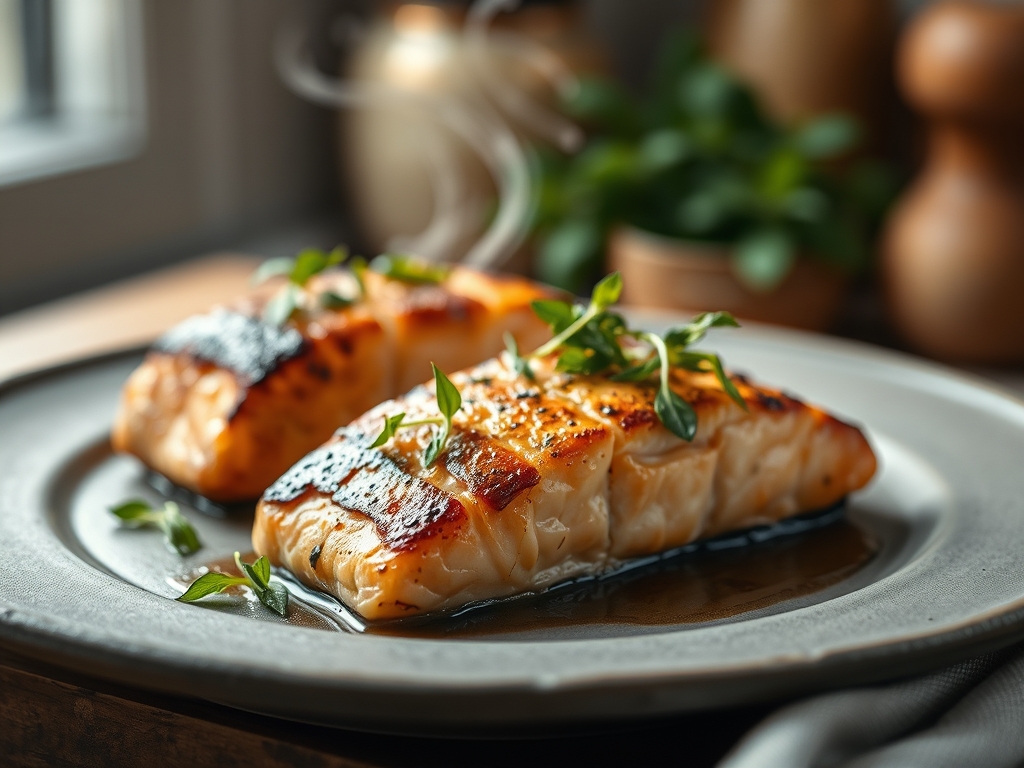
The scent of cold Atlantic salt air meets the aggressive hiss of a 450-degree steel plate; this is the moment your kitchen transforms into a high-end bistro. If you have been searching for the ultimate salmon recipes blackstone style, you have officially arrived at the intersection of thermal physics and culinary art. We are moving beyond the basic fillet. We are talking about achieving that glass-like shatter on the skin while maintaining a translucent, buttery center that flakes at the mere suggestion of a fork. The Blackstone is not just a griddle; it is a high-capacity heat engine that allows for moisture retention that a standard oven simply cannot replicate. By utilizing the expansive surface area, we can control the Maillard reaction with surgical precision, ensuring every millimeter of protein is kissed by fire without the dreaded overcooking that plagues home cooks.
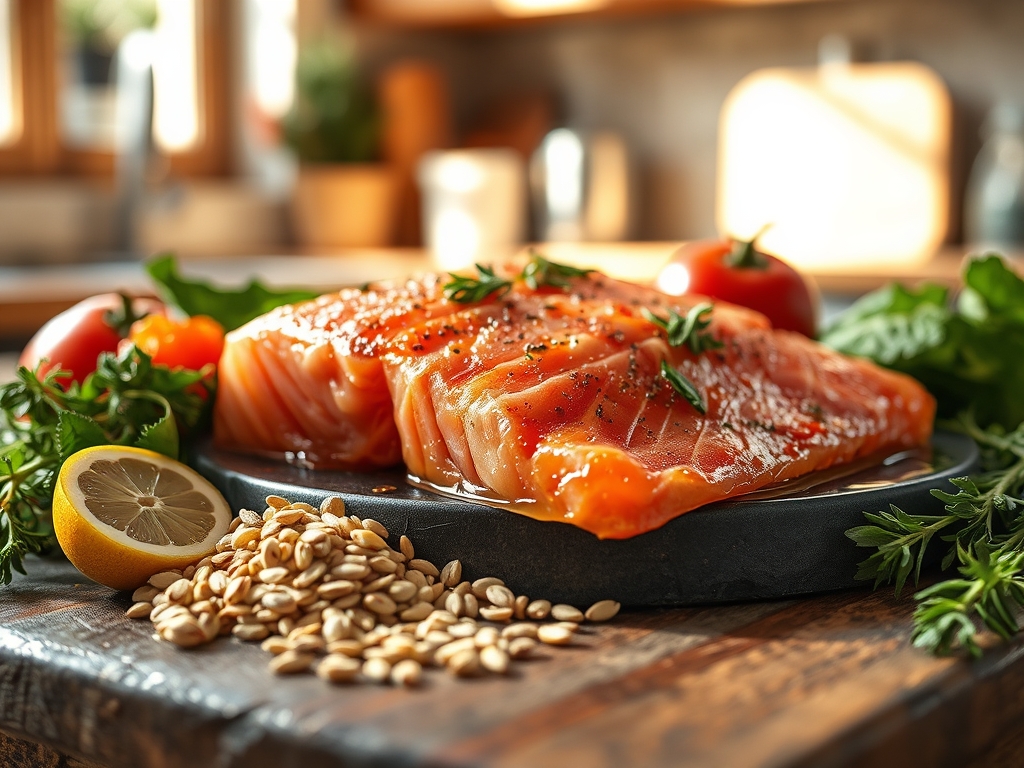
The Gathers:
To execute these salmon recipes blackstone enthusiasts swear by, your mise-en-place must be clinical. Start with center-cut fillets, ideally six to eight ounces each, which provides the optimal surface-to-volume ratio for heat penetration. You will need a high-smoke-point lipid; avocado oil is the gold standard here because its fatty acid profile remains stable up to 520 degrees Fahrenheit. For seasoning, gather coarse kosher salt to draw out surface moisture and freshly cracked peppercorns.
Professional tools are non-negotiable for this workflow. Have your bench scraper ready for cleaning the surface between batches and a flexible fish spatula to slide under the delicate albumin layers without tearing. A microplane is essential for showering the finished fish with piquant citrus zest, while a digital scale ensures your portions are uniform for synchronized cooking times.
Smart Substitutions: If you are avoiding nightshades, swap paprika for ground sumac to maintain that vibrant red hue and a bright, acidic finish. For a dairy-free richness that mimics butter, use a viscous, cold-pressed macadamia nut oil during the final thirty seconds of searing to infuse a nutty complexity.
The Clock: Chef's Flow
Timing is the difference between a silk-textured masterpiece and a dry, fibrous disappointment. Your total active "fire time" is remarkably short, usually clocking in at eight to ten minutes. However, the "Chef's Flow" begins thirty minutes prior. You must temper the fish at room temperature to prevent thermal shock, which causes the muscle fibers to contract violently and expel moisture.
Prep takes fifteen minutes: patting the skin bone-dry and calibrating your griddle zones. The cook itself follows a 70/30 rule: seventy percent of the time is spent skin-side down to render the subcutaneous fat, and the remaining thirty percent is a quick flip to kiss the flesh side. Allow for a five-minute rest period; this is the "silent phase" where residual heat finishes the internal cook to a perfect 125 degrees Fahrenheit.
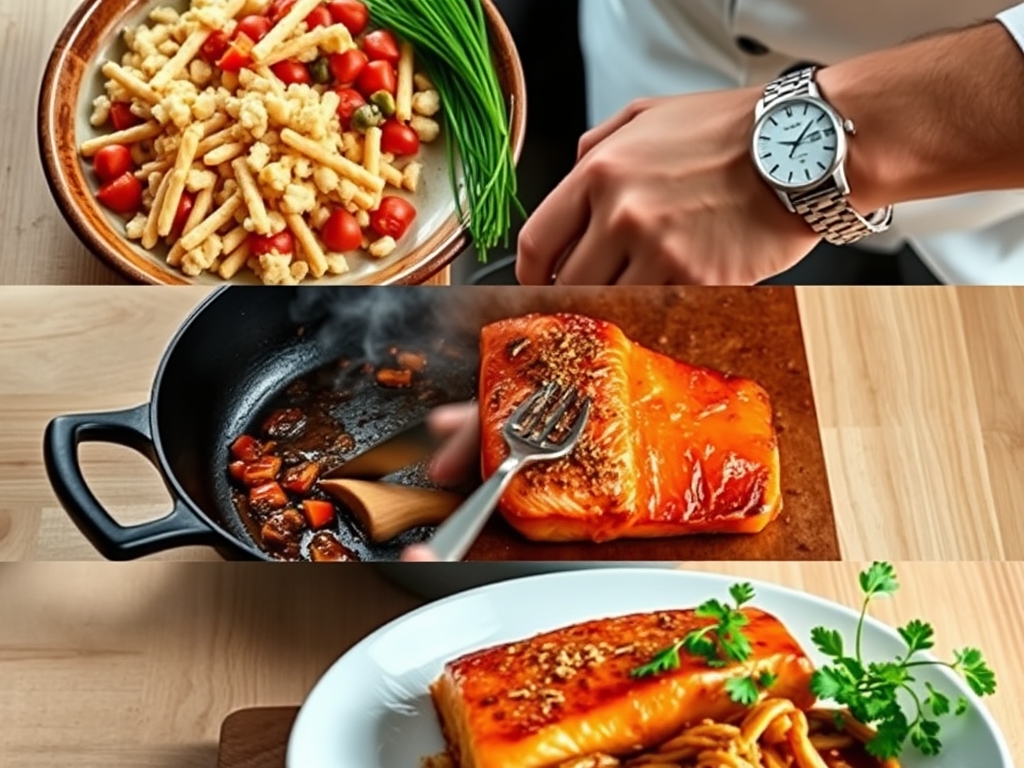
The Masterclass
1. The Dry Brine Protocol
Generously coat the skin side with kosher salt ten minutes before cooking. This process uses osmosis to pull moisture to the surface, which you will then wipe away.
Pro Tip: This ensures a "dry" sear. When water meets hot oil, it creates steam, which acts as a thermal barrier. Removing surface moisture allows for direct conduction and a superior crust.
2. Calibrating the Heat Zones
Set one side of your Blackstone to high and the other to medium-low. This creates a dual-environment system.
Pro Tip: Using two zones allows you to deglaze the hot side with a splash of white wine or citrus juice for flavor, then slide the fish to the cooler side to finish via convection without burning the sugars.
3. The Weighted Press
Place a heavy-bottomed skillet or a griddle press on top of the fillets for the first sixty seconds.
Pro Tip: Salmon skin tends to curl when it hits heat due to protein denaturation. A weight ensures maximum surface contact, leading to an even, golden-brown render of the fat layer.
4. The Butter Baste
In the final two minutes, place a knob of ghee and crushed garlic directly on the griddle next to the fish. Use your spatula to pool the liquid and spoon it over the fillets.
Pro Tip: This is known as "arroser." The hot fat carries the aromatics into the crevices of the fish, creating a deeply infused flavor profile that salt alone cannot achieve.
5. The Acid Flash
Just before pulling the fish, squeeze fresh lemon juice onto the griddle surface, not the fish itself, and let the steam envelope the fillets.
Pro Tip: This creates a localized "steam tent" that provides a final burst of moisture and brightness, cutting through the fatty richness of the omega-3 oils.
The Deep Dive
Macro Nutrition: Salmon is a nutritional powerhouse, offering approximately 20 grams of protein and 12 grams of healthy fats per 100-gram serving. It is rich in Vitamin B12 and Selenium, which are vital for metabolic function.
Dietary Swaps: For a Keto-compliant glaze, whisk together liquid aminos and ginger. If you are serving a vegan guest, use this same Blackstone technique on thick-cut "steaks" of cauliflower or king oyster mushrooms; the heavy sear mimics the savory depth of the fish.
The Fix-It:
- Fish Sticking: Your surface wasn't hot enough. Fix it by sliding a bench scraper firmly under the skin to release it, then increase the heat.
- White Gunk (Albumin): This means the fish is cooking too fast. Move it to a cooler zone immediately.
- Flabby Skin: You didn't render the fat long enough. Flip it back over and apply direct pressure.
Meal Prep: To maintain "day-one" quality, do not microwave. Reheat your salmon in a saucier with a tablespoon of water or broth over low heat. This creates a gentle steam environment that rehydrates the proteins without toughening them.
The Wrap-Up
Mastering salmon recipes blackstone style is your ticket to becoming the undisputed hero of the backyard cookout. It is about respecting the ingredient and understanding the thermodynamics of your gear. When you see that perfectly rendered, crackling skin and the vibrant pink center, you will know you have moved from "making dinner" to "crafting an experience." Grab your tongs, fire up those burners, and let the steel do the heavy lifting. You have got the science; now go make some magic!
The Kitchen Table
How do I stop salmon from sticking to the Blackstone?
Ensure the griddle is at least 400 degrees and the fish skin is bone-dry. Use a high-smoke-point oil and do not attempt to flip the fish until the proteins have naturally released from the metal surface.
What is the best internal temperature for salmon?
For a buttery, medium-rare texture, pull the salmon off the heat at 125 degrees Fahrenheit. The temperature will rise to a perfect 130 or 135 degrees during the resting phase due to thermal carryover.
Can I cook frozen salmon on a Blackstone?
It is not recommended. Frozen salmon releases excess moisture as it thaws, which steams the fish instead of searing it. Always thaw completely in the refrigerator and pat dry with paper towels before hitting the hot steel.
Should I leave the skin on?
Absolutely. The skin acts as a natural insulator, protecting the delicate flesh from the intense heat of the Blackstone. It also provides a satisfying textural contrast and contains the highest concentration of healthy omega-3 fatty acids.