
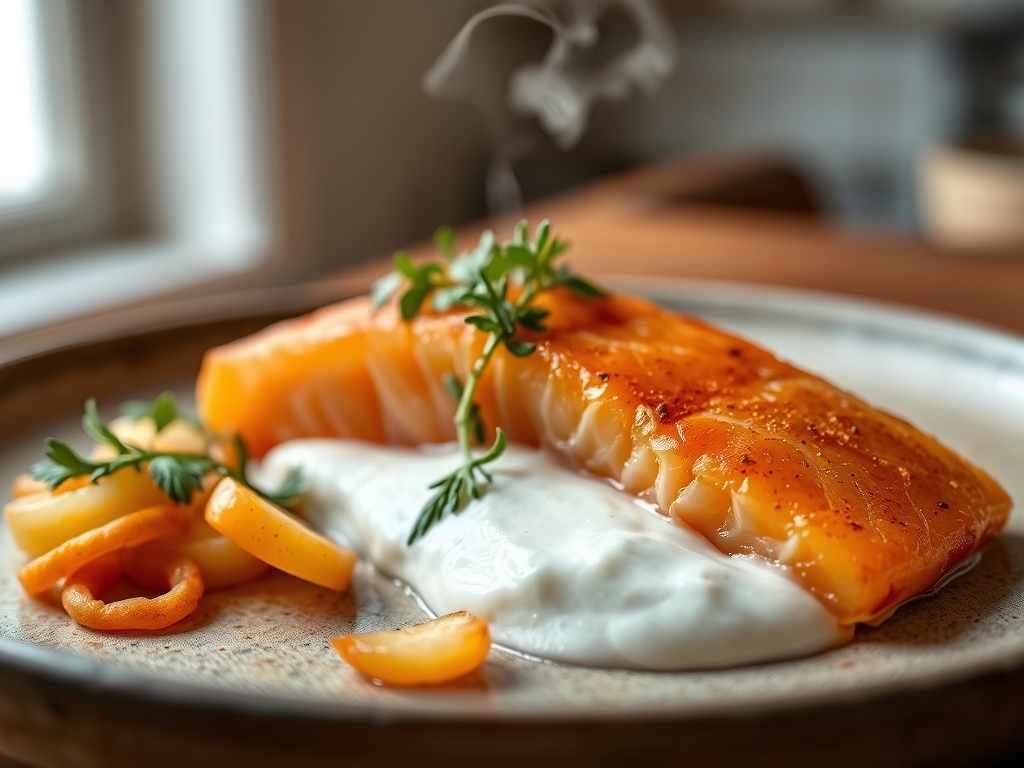
Imagine a heavy bottomed skillet sizzling as a cold fillet of King Salmon hits the hot fat; the skin instantly tightens and transforms into a golden, glass like lattice. This is the sensory peak of the kitchen, but the real magic happens when you introduce the cooling, acidic embrace of a probiotic rich sauce. Mastering salmon recipes yogurt combinations is about more than just a quick dinner; it is a study in the balance of lipids and lactic acid. The richness of the fish, packed with omega 3 fatty acids, requires a sharp, bright counterpoint to cut through the fat and elevate the palate. By utilizing the viscous nature of Greek yogurt, we create a velvet mouthfeel that heavy cream simply cannot replicate. This pairing is a nutritional powerhouse that supports gut health while delivering a high protein punch. Whether you are searing, poaching, or roasting, the interplay of textures between the flaky, tender protein and the piquant yogurt base creates a restaurant quality experience in your own home. Let us dive into the molecular harmony of these nine pairings that will redefine your weeknight rotation.
The Gathers:
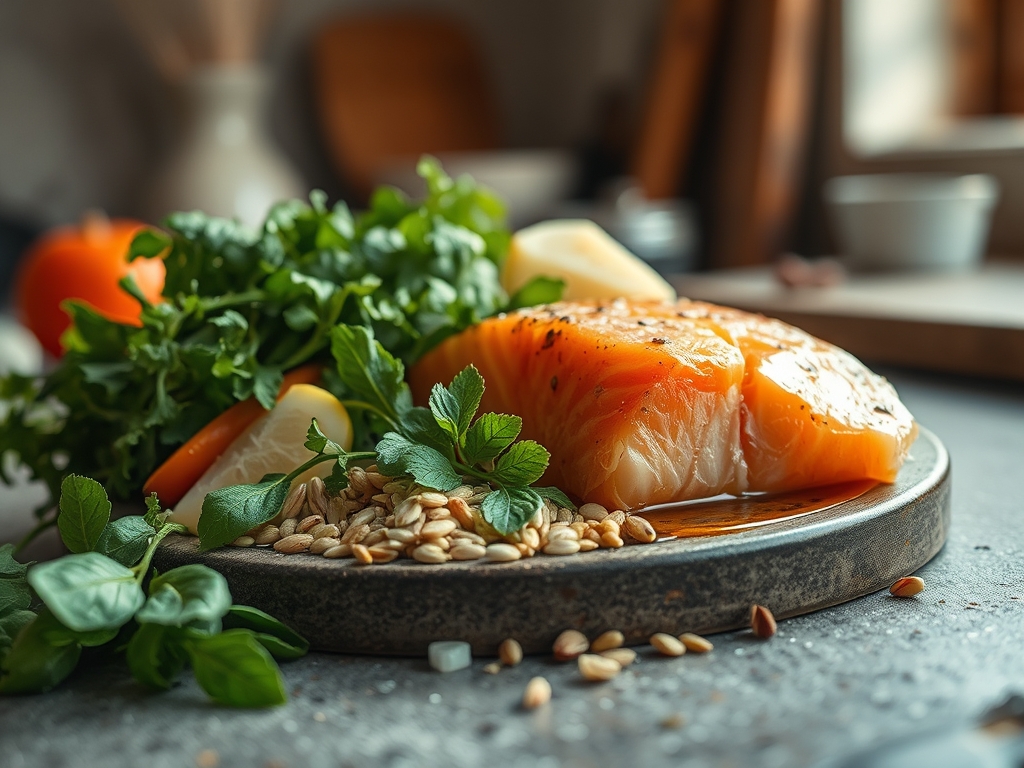
Setting up your station is a ritual of precision. You will need high quality, center cut salmon fillets; look for vibrant flesh that springs back when touched. Your yogurt must be full fat Greek or Icelandic skyr to ensure the sauce does not split under heat. For the aromatics, gather fresh dill, flat leaf parsley, and a bulb of garlic. Use a microplane to zest a Meyer lemon, which releases the essential oils without the bitter pith. You will also need high smoke point oils like avocado oil and a block of unsalted grass fed butter for basting.
Smart Substitutions:
If you are avoiding dairy, a thick cashew cream fermented with probiotic capsules mimics the tang of yogurt perfectly. For those who find salmon too oily, Arctic char is a leaner relative that responds beautifully to these same techniques. If fresh herbs are unavailable, use a high quality freeze dried alternative, but remember to rehydrate them in a teaspoon of lemon juice before adding them to your yogurt base to wake up the volatile compounds.
The Clock
Efficiency in the kitchen is about understanding the Chef's Flow, which is the chronological dance of prep and heat. Total active time for these recipes averages twenty minutes, with a total turnaround of thirty five minutes.
Prep (15 Minutes): This includes the mise-en-place. Use a bench scraper to move your chopped aromatics efficiently and a digital scale to ensure your salmon portions are uniform for even cooking.
Cook (10-15 Minutes): The salmon requires approximately four minutes per side depending on thickness. While the fish rests, you will whisk your yogurt sauces to prevent them from sitting too long and losing their aerated volume.
The Rest (5 Minutes): Never skip this. Resting allows the muscle fibers to relax and reabsorb the internal juices, ensuring every bite is succulent rather than dry.
The Masterclass
1. The Perfect Sear
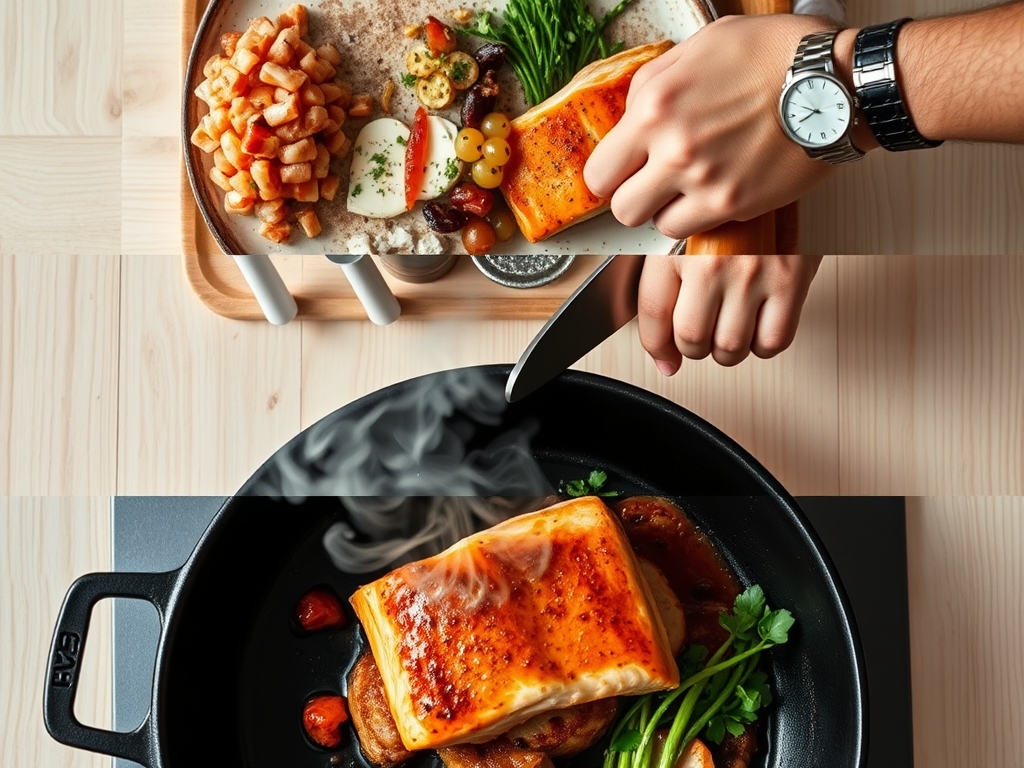
Start by patting the salmon skin bone dry with a paper towel. Place it in a preheated heavy-bottomed skillet with a thin film of oil. Press down firmly with a flexible spatula for the first thirty seconds to prevent the skin from curling.
Pro Tip: This technique facilitates the Maillard reaction, a chemical reaction between amino acids and reducing sugars that gives browned food its distinctive flavor. Drying the skin is essential because moisture creates steam, which acts as a thermal barrier against crisping.
2. Infusing the Fat
Once you flip the fish, drop a knob of butter and a smashed garlic clove into the pan. Use a large spoon to continuously bathe the salmon in the foaming butter. This is called arroser, a French technique that ensures the top of the fish cooks gently while absorbing the garlic essence.
Pro Tip: Butter basting utilizes thermal carryover. The hot fat continues to cook the interior of the fish even after it leaves the pan, so pull the salmon when it is five degrees below your target internal temperature.
3. Emulsifying the Yogurt Base
In a small saucier, whisk your Greek yogurt with lemon juice, salt, and a drizzle of extra virgin olive oil. Do not boil this mixture; instead, gently warm it or serve it at room temperature to preserve the live probiotic cultures.
Pro Tip: Yogurt is an oil in water emulsion. Adding a fat like olive oil helps to stabilize the proteins, preventing the sauce from curdling when it comes into contact with the warm salmon.
4. Aerating with Fresh Herbs
Fold in your finely minced herbs at the very last second. Use a sharp knife to avoid bruising the leaves, which causes oxidation and a metallic taste.
Pro Tip: This step involves volatile organic compounds. By adding herbs at the end, you ensure the heat does not dissipate the delicate oils that provide the piquant aroma and flavor.
The Deep Dive
Macro Nutrition:
A standard serving of salmon with yogurt sauce provides roughly 35 grams of protein, 22 grams of healthy fats, and less than 5 grams of carbohydrates. It is a metabolic dream, offering high satiety and essential micronutrients like Vitamin B12 and Selenium.
Dietary Swaps:
- Keto: Stick to full fat yogurt and add a tablespoon of MCT oil to the sauce for an extra fat boost.
- Vegan: Use a soy based yogurt and replace the salmon with a thick "steak" of roasted cauliflower or marinated tofu.
- GF: This recipe is naturally gluten free, but ensure your spices are not processed in a facility with wheat.
The Fix-It:
- Curdled Sauce: If your yogurt sauce breaks, whisk in a teaspoon of warm water or heavy cream to re-emulsify the fats.
- Stuck Skin: If the salmon won't release from the pan, it isn't ready. The proteins will naturally "release" once the crust has fully formed.
- Bland Flavor: You likely need more acid. A splash of apple cider vinegar or more lemon zest will brighten the entire profile.
Meal Prep:
To reheat salmon without it becoming rubbery, use the "low and slow" method. Place it in a 275 degree oven with a splash of water and cover with foil. This creates a gentle steam environment that preserves the viscous texture of the fish.
The Wrap-Up
You have officially graduated from basic fillets to a sophisticated culinary harmony. By understanding the science of the sear and the chemistry of a stable yogurt emulsion, you are no longer just following a recipe; you are commanding the kitchen. These salmon recipes yogurt pairings are versatile, elegant, and deeply nourishing. Now, grab your tongs, fire up that skillet, and let the sizzle begin!
The Kitchen Table
Can I use non-fat yogurt for the sauce?
Non fat yogurt lacks the lipids necessary to create a stable emulsion. It is prone to thinning and curdling when exposed to heat. For the best texture and flavor, always choose a full fat or 5 percent Greek yogurt variety.
How do I prevent the salmon from smelling fishy?
Freshness is key, but you can also soak the fillets in a milk or yogurt bath for ten minutes before cooking. The proteins in the dairy bind to the trimethylamine oxide, the compound responsible for that "fishy" odor, neutralizing it completely.
What is the best way to zest a lemon?
Use a microplane or a fine grater. Only grate the yellow outer layer of the skin. Avoid the white pith underneath, as it contains bitter alkaloids that will ruin the delicate balance of your probiotic yogurt sauce.
Is it safe to heat yogurt sauces?
Yes, but do so gently. High heat will kill the beneficial probiotics and cause the proteins to clump. It is best to fold the yogurt into the warm pan juices off the heat or serve it as a chilled accompaniment.