
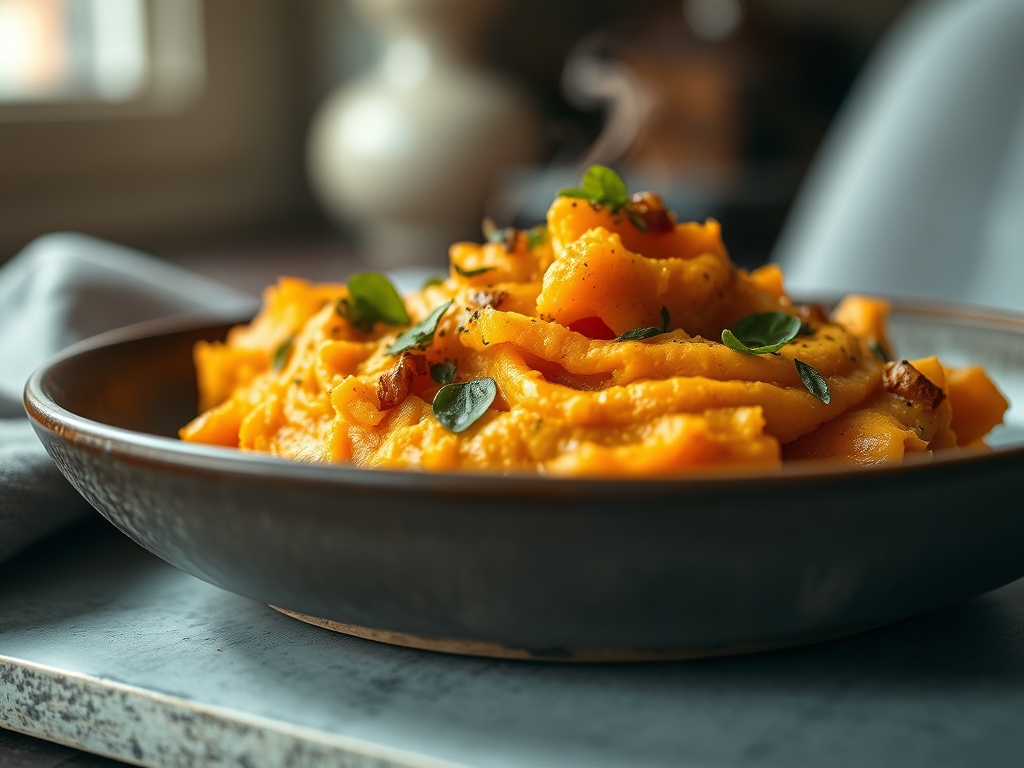
Imagine a bowl of cold, orange velvet sitting in your refrigerator. It looks a bit lonely after the holiday rush, but that starch is actually a culinary goldmine. Learning how to master leftover mashed sweet potato recipes transforms that dense, chilled mash into everything from pillowy gnocchi to caramelized waffles. We are talking about a vegetable that is packed with complex carbohydrates and natural sugars just waiting for a second act.
When sweet potatoes are roasted and mashed, their starches undergo a partial conversion into maltose. This means your leftovers are sweeter and more chemically stable than raw tubers. We are going to use that stability to create textures that are crisp on the outside and custardy within. Do not let that orange bowl go to waste; we are about to apply some serious kitchen science to elevate your meal prep game. Whether you are craving something savory with a piquant kick or a sweet treat that feels like a hug, these nine transformations will turn your "fridge forage" into a five star experience.
The Gathers:
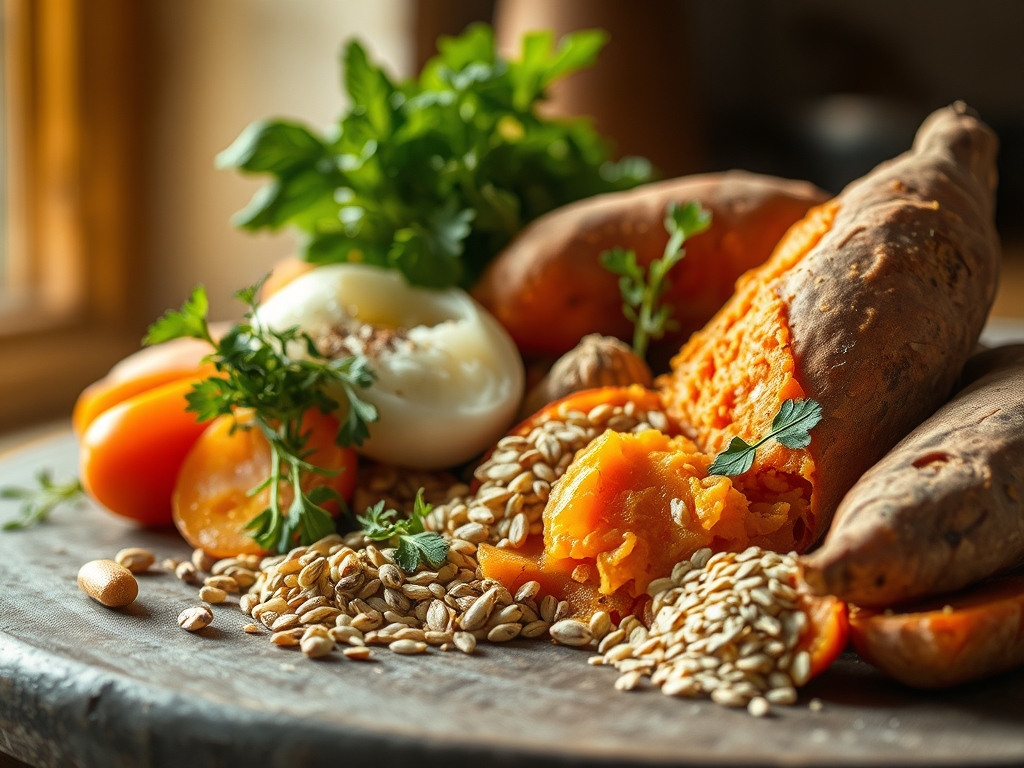
To begin our transformation, you need a mise en place that respects the moisture content of your mash. Grab your digital scale because precision is the difference between a soggy fritter and a crisp masterpiece. You will need high quality binders like organic eggs and "00" flour if you are heading toward pasta. For savory applications, gather fresh sage, nutty brown butter, and a microplane for grating aged Pecorino Romano.
If you are looking for smart substitutions, consider the viscosity of your mash. If your leftovers are particularly loose or buttery, reduce the added fats in your new recipe. You can swap traditional flour for almond flour or oat flour to keep things gluten free; just remember that nut flours do not provide the same protein structure, so you may need an extra egg to help the mixture coalesce. For a vegan twist, a flax egg works beautifully because the natural pectin in the sweet potato acts as a secondary binding agent.
The Clock
Efficiency in the kitchen is all about the "Chef's Flow." Most of these transformations require about 15 minutes of active prep and 20 minutes of cook time. If you are making dough, factor in a 30 minute rest period. This allows the flour to fully hydrate and the gluten to relax, which prevents your final product from becoming tough or rubbery. Always preheat your heavy-bottomed skillet or oven at least 10 minutes before you plan to cook. A hot surface is non negotiable for achieving the Maillard reaction.
The Masterclass
1. The Velvet Gnocchi Shift
Folding your mash into flour creates a dough that is lighter than traditional potato gnocchi. Use a bench scraper to incorporate the flour gently without overworking the dough. Over-mixing leads to excess gluten development, which turns your pillows into lead weights.
Pro Tip: This relies on retrogradation. When mashed potatoes cool, the starch molecules realign into a more crystalline structure. This makes the mash less sticky and easier to work into a dough without requiring excessive amounts of flour.
2. The Golden Morning Waffle
Whisk your sweet potato mash into a standard waffle batter. The sugars in the potato will caramelize against the hot iron, creating a deeply browned, crisp exterior. Use a saucier to melt your butter before folding it in for a seamless emulsion.
Pro Tip: This process is driven by the Maillard reaction. The amino acids in the eggs react with the natural sugars in the potato at high heat, creating hundreds of different flavor compounds and that signature golden brown hue.
3. Savory Sweet Potato Fritters
Mix the mash with scallions, cumin, and a touch of cornstarch. Drop small mounds into a heavy-bottomed skillet with shimmering oil. Use tongs to flip them once the edges are opaque and the bottom is rigid.
Pro Tip: Using cornstarch instead of flour helps with moisture evaporation. Cornstarch absorbs more water and fries up crispier because it lacks the proteins that can make flour based batters feel heavy or soggy.
4. The Silk Soup Base
Whisk your leftovers into a simmering pot of vegetable stock. Use an immersion blender to aerate the mixture until it is completely smooth. The starches in the potato act as a natural thickener, eliminating the need for a flour based roux.
Pro Tip: This is a classic example of starch gelatinization. As the potato particles heat up in the stock, they swell and burst, releasing starch molecules that trap water and thicken the liquid into a luxurious sauce.
5. Sweet Potato Brioche Buns
Incorporate the mash into a yeast dough. The moisture in the potatoes keeps the bread soft for days. Use a digital scale to ensure your ratio of potato to flour stays around 1:3 for the best structural integrity.
Pro Tip: Potatoes contain potassium, which can actually help yeast grow faster. Additionally, the potato starch interferes with gluten formation just enough to ensure the crumb remains incredibly tender and moist.
6. Spicy Southwest Hand Pies
Encase a mixture of sweet potato, black beans, and chipotle in a flaky pastry crust. Use a bench scraper to fold your dough, ensuring you keep those cold butter pockets intact for maximum flakiness.
Pro Tip: This involves thermal expansion. When the cold butter in the crust hits the hot oven, the water in the butter turns to steam, pushing the layers of dough apart before the starch sets.
7. The Ultimate Veggie Burger Binder
Use the mash to bind black beans, quinoa, and spices. The viscous nature of the sweet potato ensures the patties do not crumble on the grill. Chill the patties for 20 minutes before searing to help them hold their shape.
Pro Tip: Chilling the mixture allows for protein denaturation to stabilize. The cold temperature helps the binders "set," ensuring that the patty maintains its structural integrity when it hits the high heat of the pan.
8. Sweet Potato Soufflé Pancakes
Fold whipped egg whites into a mixture of mash and cinnamon. The air bubbles trapped in the egg whites will expand in the heat, creating a pancake that is incredibly light and airy despite the density of the potato.
Pro Tip: This is all about leavening physics. By folding in whipped whites, you are creating a mechanical leavening system where trapped air expands as it heats, while the potato starch provides the "walls" to hold that air in place.
9. Roasted Garlic and Potato Croquettes
Roll the mash into balls, coat in panko, and fry until shattering. The contrast between the creamy interior and the jagged exterior is a sensory delight. Use a spider strainer to remove them from the oil safely.
Pro Tip: This utilizes hydrophobicity. The oil cannot penetrate the starch barrier easily, so it quickly dehydrates the surface of the breadcrumbs to create a crunch while the interior remains hydrated and soft.
The Deep Dive
Nutritionally, sweet potatoes are a powerhouse of Beta-Carotene and Vitamin A. When you reuse them, you are maintaining that fiber content which aids in digestion. For those with dietary restrictions, these recipes are incredibly flexible. To go Keto, swap the mash for a cauliflower puree, though the starch chemistry will change. For Vegan diners, coconut oil is a fantastic substitute for butter as it provides a similar saturated fat mouthfeel.
The Fix-It:
- Too Runny: If your mash is too wet, do not just add flour. Spread it on a baking sheet and bake at 300F for 10 minutes to render out excess moisture.
- Too Bland: Sweet potatoes need acid. Add a squeeze of lime or a splash of apple cider vinegar to brighten the earthy flavors.
- Sticking to Pan: Your pan isn't hot enough. Wait for the "Leidenfrost effect" where a drop of water dances on the surface before adding your oil and food.
For meal prep, reheating is a science. Avoid the microwave if you want texture. Instead, use a toaster oven or a dry skillet to re-crisp the exterior. This prevents the starch from becoming "rubbery" due to uneven heating.
The Wrap-Up
Transforming your kitchen scraps is not just about being thrifty; it is about being a smarter, more creative cook. These leftover mashed sweet potato recipes prove that a humble side dish can become the star of a completely different meal. Grab your tongs, fire up the stove, and turn that orange gold into something spectacular. You have the tools, you have the science, and now you have the inspiration.
The Kitchen Table
Can I freeze leftover mashed sweet potatoes for these recipes?
Yes, you can freeze mash for up to three months. Thaw it in the refrigerator overnight and drain any excess liquid before using it in doughs or batters to maintain the correct moisture balance.
How do I make my sweet potato fritters crispier?
Ensure your oil is at 350F and do not crowd the skillet. Use a touch of cornstarch in the mix; it absorbs moisture better than flour and creates a more delicate, glass-like crunch on the exterior.
What is the best way to reheat sweet potato pancakes?
Avoid the microwave to prevent sogginess. Reheat them in a dry skillet over medium heat or in a 350F oven for five minutes. This helps the exterior sugars re-caramelize and restores the original texture.
Can I use these recipes with savory or sweet leftovers?
Most sweet potato mashes work for both. If your leftovers have marshmallows or heavy sugar, stick to dessert recipes like waffles or bread. If they are garlicky, lean into gnocchi, soups, or savory fritters.