
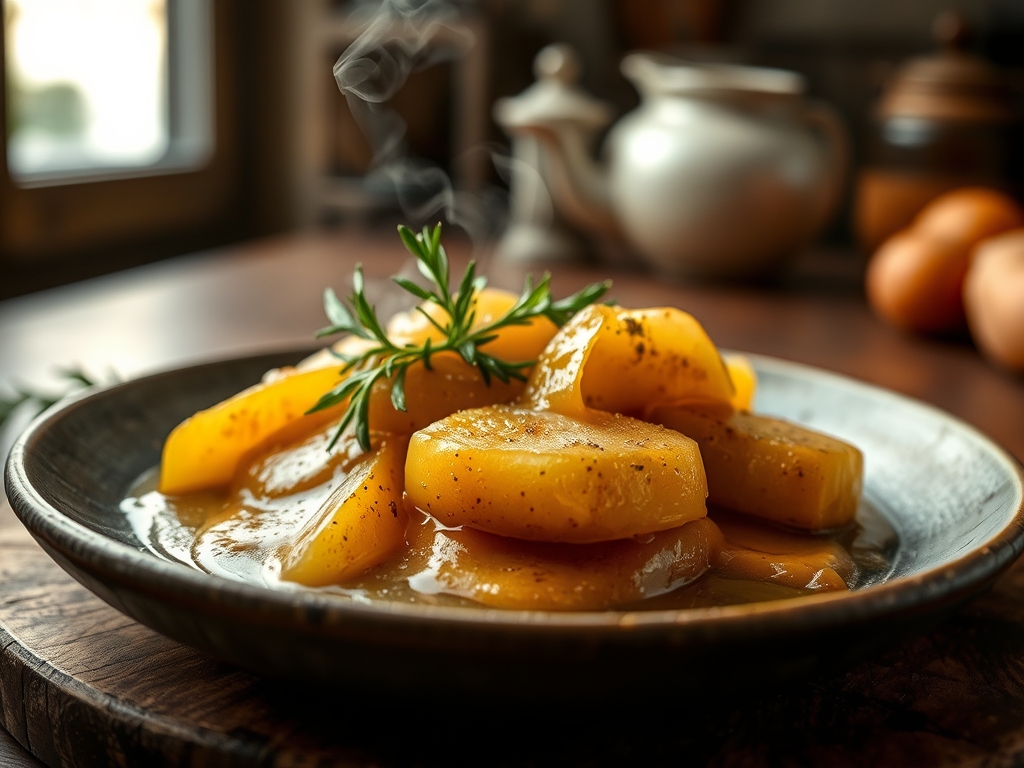
The kitchen is currently a humid sanctuary of steam and starch; the windows are frosted over while the scent of roasting tubers fills every corner. There is a specific kind of magic that happens when you master the art of potato recipes gravy during the coldest months of the year. It is more than just comfort food. It is a calculated exercise in texture and temperature. We are talking about the contrast between a crisp, golden exterior and a velvet, viscous sauce that clings to every crevice. Whether you are looking for the bite of a sharp peppercorn or the deep umami of a red wine reduction, these six pairings are designed to elevate your winter dinner rotation from basic to brilliant. Grab your favorite apron and a glass of something bold because we are about to turn humble spuds into a technical masterpiece of flavor and heat.
The Gathers:
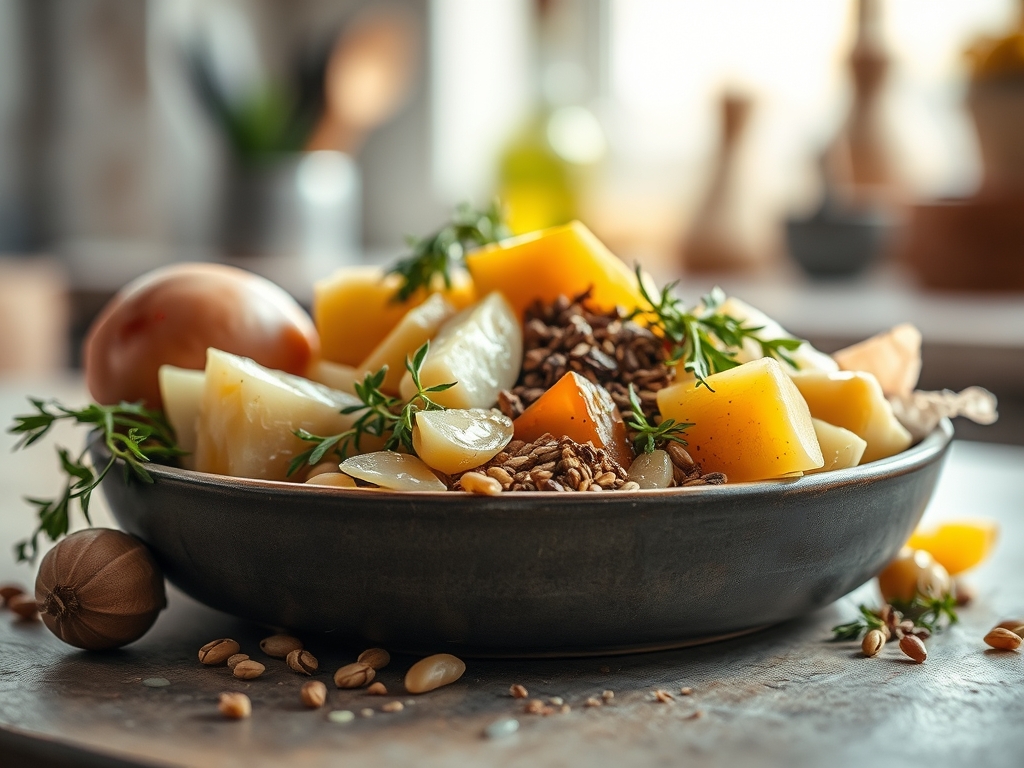
To execute these pairings with precision, your mise-en-place must be flawless. Start with your star performers: high-starch Russets for fluffiness or waxy Yukon Golds for a buttery, dense crumb. You will need a digital scale to ensure your flour-to-fat ratios are exact for the roux. Keep high-quality fats on hand, such as unsalted European-style butter with a high butterfat content or rendered duck fat for an intense savory profile. For the liquids, stock is king. Use a bone-in beef stock or a fortified mushroom broth to provide the necessary gelatinous body.
Smart Substitutions: If you are out of heavy cream, a dollop of full-fat Greek yogurt adds a piquant acidity that cuts through the richness. No cornstarch? Use a microplane to grate a raw potato into your simmering gravy; the released starches act as a natural, gluten-free thickener. If you lack fresh herbs like rosemary or thyme, use a small amount of dried herbs but crush them in your palm first to release the volatile oils.
The Clock
Preparation for these six pairings requires a rhythmic "Chef's Flow." Total active time sits at roughly 45 minutes, with a total cook time of 90 minutes.
The Prep (20 Minutes): Peeling, dicing, and soaking potatoes in cold water to remove excess surface starch. This prevents a gummy texture.
The Roasting/Boiling (40-50 Minutes): While the potatoes undergo the Maillard reaction in the oven or soften in salted water, you focus on the sauce.
The Sauce Construction (20 Minutes): This is the window where you render fats, sauté aromatics, and deglaze your heavy-bottomed skillet.
The Rest (10 Minutes): Crucial for "thermal carryover," allowing the internal temperature of the potatoes to stabilize so they do not fall apart when plated.
The Masterclass
1. The Classic Russet Mash with Bone Broth Gravy
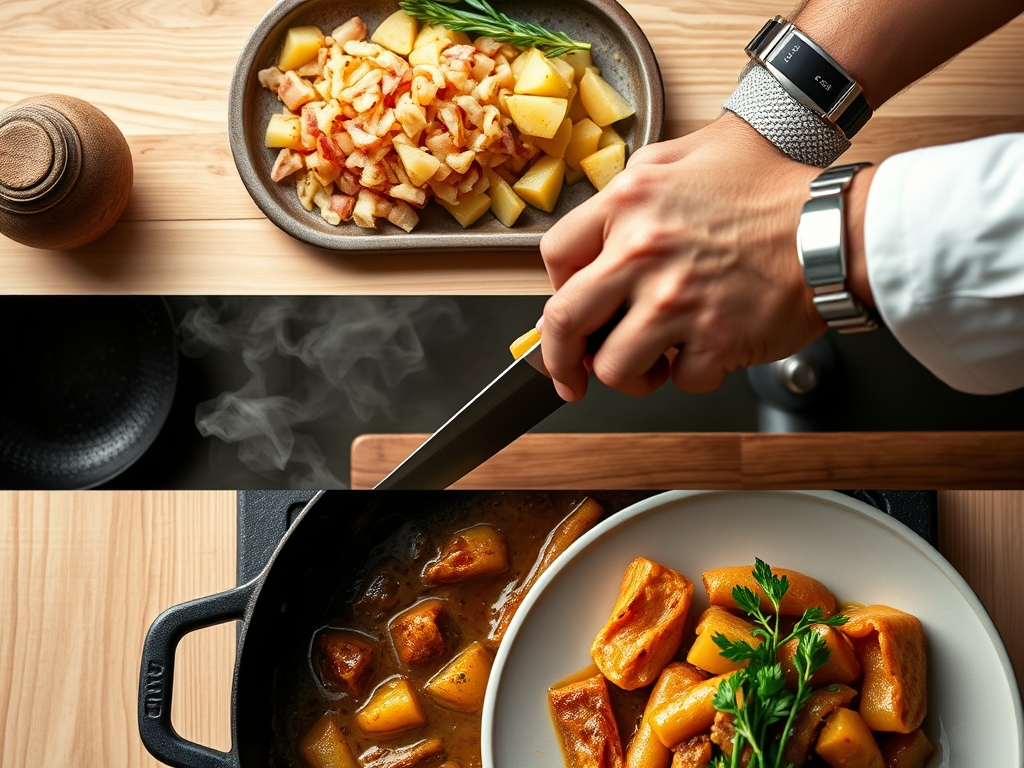
Peel and cube your Russets, then boil in heavily salted water until fork-tender. Use a potato ricer rather than a masher to aerate the potatoes, creating a cloud-like texture. For the gravy, create a dark roux with butter and flour, then slowly whisk in beef bone broth until it reaches a coat-the-back-of-the-spoon consistency.
Pro Tip: Always start your potatoes in cold water. This ensures the exterior and interior cook at the same rate, preventing the outside from becoming waterlogged before the center is soft. This is known as preventing uneven gelatinization.
2. Crispy Smashed Golds with Peppercorn Cream
Parboil small Yukon Golds, then use a bench scraper to flatten them onto a baking sheet. Drizzle with olive oil and roast at 425 degrees Fahrenheit. While they crisp, simmer heavy cream with cracked black peppercorns and a splash of cognac in a saucier.
Pro Tip: The "smash" increases the surface area exposed to the dry heat of the oven. This maximizes the Maillard reaction, creating a higher ratio of crunchy bits to soft interior.
3. Duck Fat Roasties with Onion Jam Jus
Roast large potato chunks in rendered duck fat until they are glass-shatter crisp. For the sauce, caramelize thinly sliced shallots until they are deep mahogany, then deglaze with a splash of balsamic vinegar and chicken stock.
Pro Tip: Dust your parboiled potatoes with a teaspoon of baking soda before roasting. The alkaline environment breaks down the potato surface, creating a starchy paste that fries into an extra-thick, crunchy crust.
4. Garlic Confit Puree with Red Wine Reduction
Slow-roast garlic cloves in olive oil until soft, then blend them into a silky potato puree. Pair this with a gravy made from reduced red wine, beef stock, and a cold butter whisk-in (beurre monte) at the very end for a glossy finish.
Pro Tip: Whisking cold butter into a hot sauce at the end is called "mounting." The milk solids create a temporary emulsification that gives the gravy a professional, mirror-like sheen.
5. Hasselback Spuds with Herbed Veloute
Slice potatoes nearly all the way through into thin fans. Brush with melted butter and bake. Serve with a light, blonde gravy made from chicken stock and fresh tarragon.
Pro Tip: Use a pair of wooden spoons as "stops" on either side of the potato while slicing. This prevents the knife from cutting all the way through, ensuring the structural integrity of the Hasselback shape.
6. Loaded Potato Wedges with Sausage Gravy
Cut Russets into thick wedges and toss in cornstarch and spices before roasting. Top with a southern-style white gravy featuring crumbled sage sausage and plenty of black pepper.
Pro Tip: The cornstarch coating acts as a moisture barrier. It absorbs any escaping steam from the potato and fries it into a secondary, ultra-crisp shell.
The Deep Dive
Macro Nutrition: Potatoes are a powerhouse of potassium and Vitamin C. While the gravy adds fats, you can balance the macros by using a turkey-based stock and minimizing the roux fat. A standard serving of mash and gravy provides roughly 250 to 350 calories, depending on the butter content.
Dietary Swaps:
- Vegan: Use coconut oil or vegan butter for the roux and fortified mushroom stock for the liquid.
- Keto: Swap potatoes for steamed cauliflower and use xanthan gum as a thickener for the gravy instead of flour.
- GF: Use sweet rice flour or a 1:1 gluten-free blend for the roux.
The Fix-It:
- Lumpy Gravy: Pour the sauce through a fine-mesh sieve or use an immersion blender to break up flour pockets.
- Gummy Potatoes: This happens from over-working the starch. To fix, spread them in a baking dish, top with cheese, and bake into a gratin to mask the texture.
- Broken Sauce: If the fat separates, whisk in a tablespoon of boiling water or a splash of cold cream to re-emulsify.
Meal Prep: When reheating, potatoes often lose moisture. Add a splash of milk or stock before microwaving. For the gravy, reheat slowly in a saucier over low heat, adding a teaspoon of water to restore its original viscous flow.
The Wrap-Up
Mastering these pairings is about more than just filling a bowl; it is about understanding the chemistry of comfort. When you combine the structural science of a perfectly roasted potato with the emulsified richness of a well-made gravy, you create a culinary experience that defines the winter season. These recipes are your roadmap to becoming the ultimate host. So, get your tongs ready, fire up the oven, and let the starch-fueled festivities begin. Your kitchen is about to become the warmest place in the house.
The Kitchen Table
How do I stop my gravy from forming a skin?
Place a piece of plastic wrap or parchment paper directly on the surface of the gravy while it cools. This prevents evaporation and the subsequent formation of a dehydrated protein layer on top of the sauce.
What is the best potato for a smooth mash?
High-starch Russet potatoes are the gold standard. Their cells break apart easily when cooked, resulting in a light, fluffy texture that absorbs butter and cream more efficiently than waxy varieties like Red Bliss.
Can I make gravy without meat drippings?
Absolutely. Use a "brown butter" base and a high-quality vegetable or mushroom stock. Adding a teaspoon of soy sauce or Worcestershire sauce provides the deep umami and dark color usually provided by meat drippings.
Why is my gravy too thin?
You likely did not cook the roux long enough or the liquid-to-starch ratio is off. Simmer the sauce longer to evaporate excess water, or whisk in a "slurry" of equal parts cornstarch and cold water.