
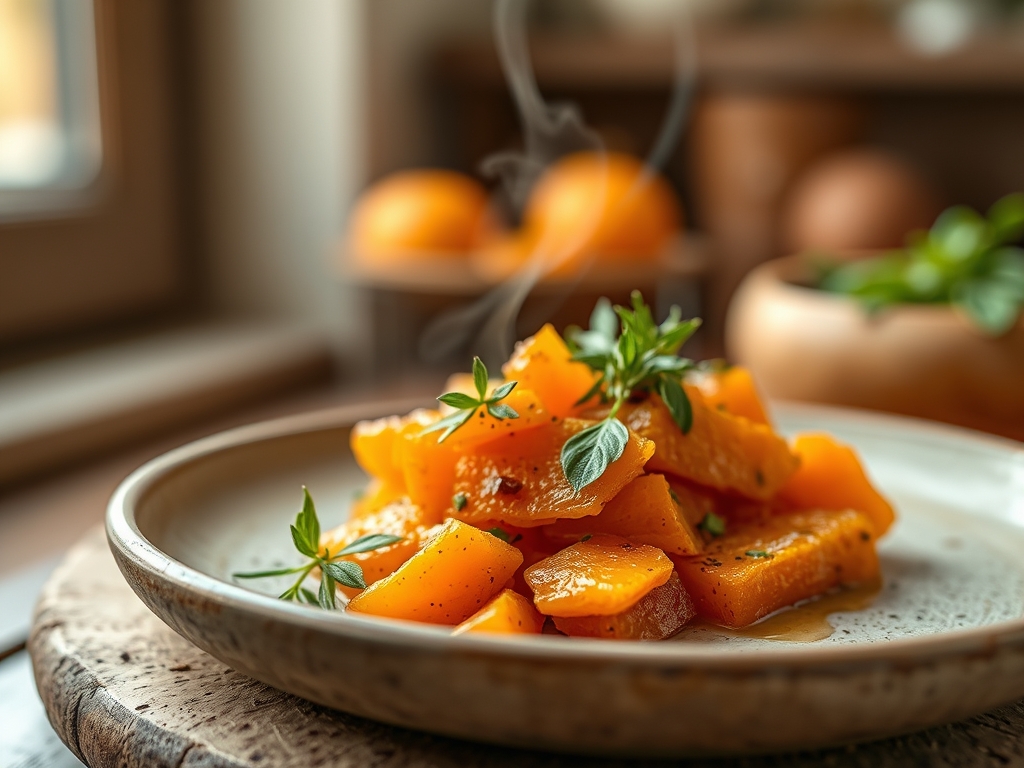
Imagine the scent of caramelizing sugars hitting a hot pan; it is a heady, earthy perfume that signals the start of something spectacular. When you dive into orange sweet potato recipes, you are not just cooking a side dish; you are engineering a masterpiece of beta-carotene and complex carbohydrates. These vibrant tubers are the secret weapon for any modern, health-conscious kitchen.
The Gathers:
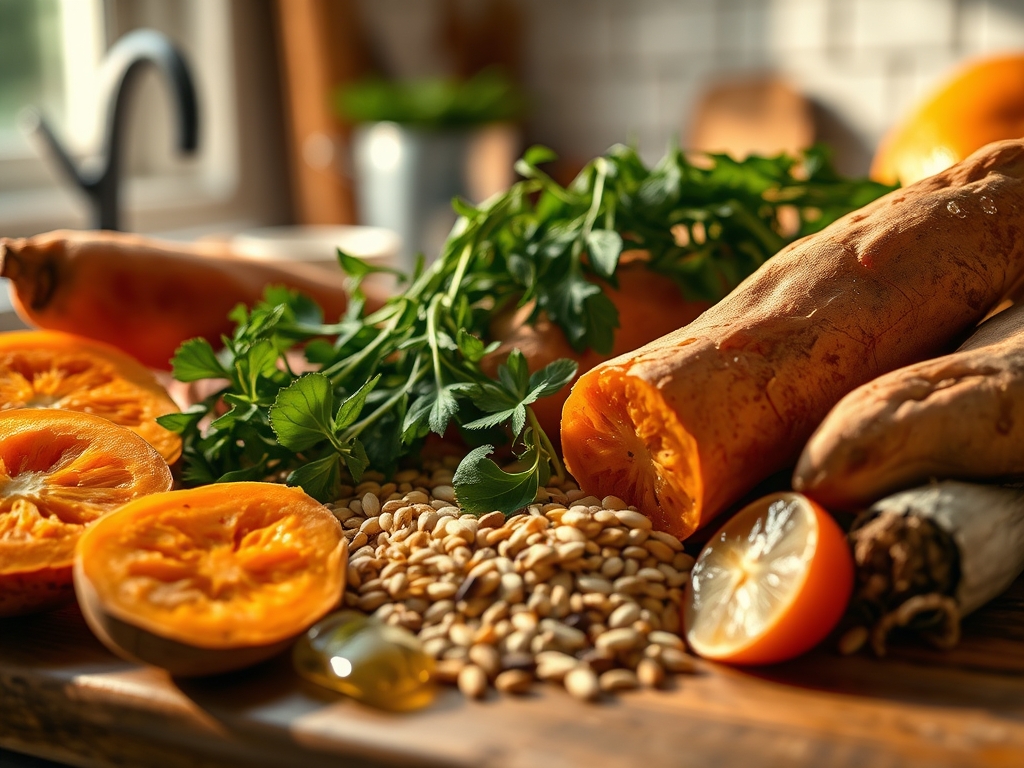
To master these orange sweet potato recipes, your mise-en-place must be precise. Start with firm, jewel-toned Beauregard or Garnet varieties. You will need high-quality fats like grass-fed ghee or cold-pressed avocado oil to ensure proper nutrient absorption. Gather your microplane for zesting citrus and grating fresh ginger; these aromatics cut through the natural starchiness of the root.
For seasonings, think beyond salt. Smoked paprika adds a deep, woodsy note that mimics the Maillard reaction even in gentle preparations. If you are looking for smart substitutions, swap heavy cream for full-fat coconut milk to maintain a viscous texture while keeping the dish plant-based. Use a digital scale to measure your tubers; weight-based cooking ensures consistent results every time you step into the kitchen.
The Clock
Efficiency is the hallmark of a professional. Prep time for most orange sweet potato recipes takes roughly 15 minutes if your knife skills are sharp. Cooking times vary: roasting cubes takes 25 minutes at high heat, while whole-roasting for a silky puree requires 45 to 60 minutes.
The "Chef's Flow" involves multitasking. While your potatoes are in the oven, use your heavy-bottomed skillet to render fat or toast spices. This overlap ensures that every component is ready at the exact moment of plating, preventing the dreaded temperature drop that ruins a meal's textural integrity.
The Masterclass
1. The Precision Dice
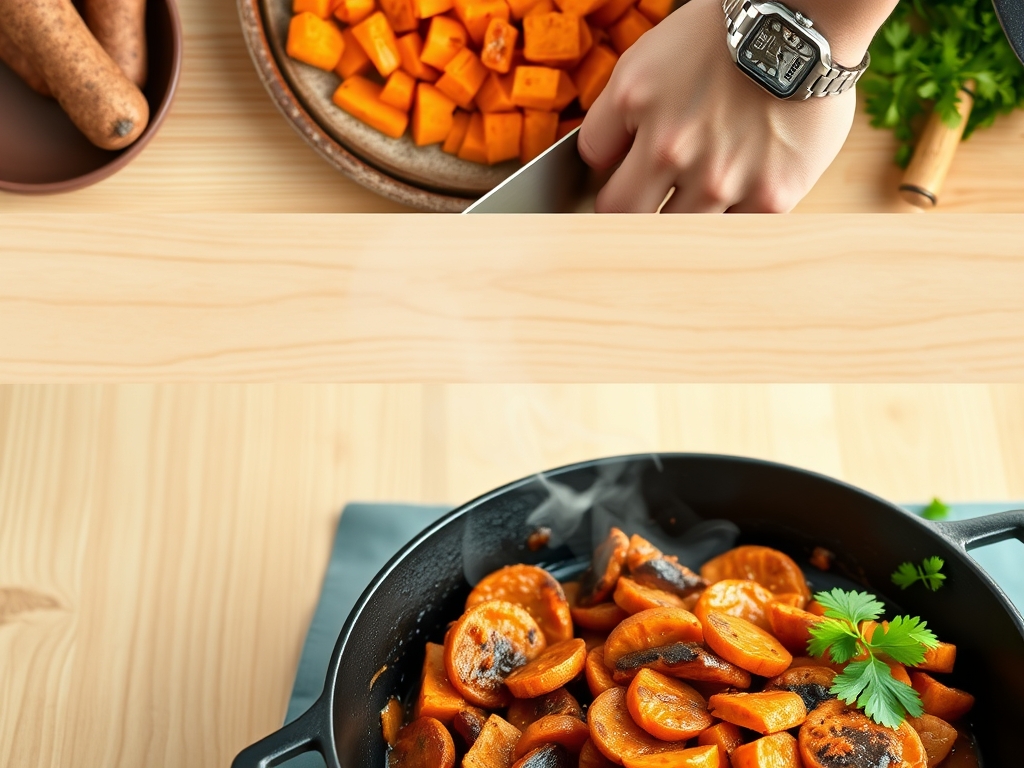
Start by using a sharp chef's knife to create uniform half-inch cubes. Uniformity is not just for aesthetics; it ensures that every piece cooks at the same rate, preventing a mix of mushy and raw centers. Use a bench scraper to transfer your dice to a mixing bowl without bruising the flesh.
Pro Tip: This step prevents enzymatic browning. By keeping the cut surfaces away from open air or tossing them immediately in a light acid like lemon juice, you preserve the vibrant orange hue.
2. The High-Heat Roast
Spread your cubes on a parchment-lined sheet pan. Do not crowd them. If the pieces touch, they will steam instead of roast. Aim for a 425-degree oven to trigger the rapid breakdown of starches into maltose.
Pro Tip: Understand thermal carryover. Remove the potatoes when they look just slightly underdone. The internal heat will continue to cook the starch granules for several minutes after they leave the oven.
3. The Silky Puree
For a velvety texture, roast the potatoes whole in their skins. Once soft, peel them and pass the flesh through a saucier or a fine-mesh sieve. This mechanical breakdown creates a smoother mouthfeel than a food processor, which can sometimes make starches gummy.
Pro Tip: This method utilizes gelatinization. By heating the starch in its own moisture, you create a naturally creamy texture without needing excessive added fats.
4. The Spice Infusion
While the potatoes are hot, fold in your aromatics. Use your tongs to toss roasted cubes with chili flakes, lime zest, and sea salt. The heat allows the essential oils in the spices to infuse directly into the surface of the potato.
Pro Tip: This is a lesson in solubility. Many flavor compounds are fat-soluble, so adding your spices along with a drizzle of olive oil ensures the flavor permeates the entire dish.
5. The Caramelized Sear
If you want a steak-like crust, take parboiled slices and sear them in a heavy-bottomed skillet. Use high heat and a touch of honey or maple syrup to accelerate the browning process.
Pro Tip: This creates a piquant crust through the Maillard reaction. The amino acids and reducing sugars react under high heat to create hundreds of different flavor compounds.
6. The Nutrient Boost
Top your orange sweet potato recipes with toasted seeds or nuts. This adds a necessary crunch to contrast the soft interior of the tuber. Use a dry pan to toast pepitas until they pop and release their nutty aroma.
Pro Tip: Adding healthy fats here is crucial for bioavailability. The vitamin A in sweet potatoes is fat-soluble, meaning your body cannot absorb it effectively without a lipid source.
7. The Acid Balance
Always finish your dish with a splash of vinegar or a squeeze of fresh lime. This brightens the heavy, sweet notes of the potato and cleanses the palate between bites.
Pro Tip: This manages the pH balance of the dish. Acid cuts through the density of the starch, making the overall flavor profile feel lighter and more sophisticated.
8. The Aerated Whip
If you are making a mash, use a whisk to aerate the mixture. Incorporating air bubbles makes the side dish feel cloud-like rather than leaden.
Pro Tip: This physical agitation breaks down the pectin walls of the vegetable cells, allowing for a fluffier consistency that holds onto sauces better.
9. The Final Rest
Allow your finished dish to sit for three minutes before serving. This allows the moisture levels to stabilize so the potatoes do not "weep" on the plate.
Pro Tip: This stage is about vapor pressure. Letting the steam escape slightly prevents the exterior from becoming soggy, preserving that perfect roasted edge.
The Deep Dive
From a macro perspective, orange sweet potato recipes are a powerhouse. One medium potato provides over 400 percent of your daily vitamin A needs. They are low on the glycemic index compared to white potatoes, providing sustained energy without the insulin spike.
For dietary swaps, these recipes are naturally gluten-free. If you are following a Keto protocol, keep portions small and pair them with high-fiber greens to offset the net carbs. If you are vegan, replace butter with a high-quality walnut oil for an omega-3 boost.
The Fix-It:
- Soggy Fries: You likely overcrowded the pan. Spread them out on two trays next time.
- Bitter Aftertaste: You may have burnt the small bits of garlic. Add aromatics during the last five minutes of roasting.
- Grainy Mash: The potatoes were likely undercooked. Ensure they are fork-tender all the way to the center before mashing.
Meal Prep: To reheat and maintain "day-one" quality, avoid the microwave. Use an air fryer or a toaster oven at 350 degrees for five minutes. This recrisps the exterior without drying out the middle.
The Wrap-Up
Mastering orange sweet potato recipes is your ticket to becoming the ultimate kitchen alchemist. By understanding the science of starch and the magic of the Maillard reaction, you transform a humble root into a gourmet experience. Get creative, stay bold, and let that vibrant orange color shine on your dinner table!
The Kitchen Table
Are orange sweet potatoes healthier than white ones?
Yes, they contain significantly more Vitamin A and fiber. While both offer potassium, the orange variety has a lower glycemic index; this means they provide a slower, more stable release of energy into your bloodstream.
How do I stop my sweet potatoes from getting mushy?
Avoid boiling them in water. Instead, roast or steam them to preserve their cellular structure. High-heat roasting at 425 degrees Fahrenheit creates a crisp exterior while keeping the inside fluffy and intact.
Can I eat the skin of an orange sweet potato?
Absolutely. The skin contains concentrated fiber and antioxidants. Just be sure to scrub them thoroughly with a vegetable brush to remove any grit before roasting or slicing for your favorite recipes.
What is the best way to store leftover sweet potatoes?
Store cooked potatoes in an airtight glass container in the fridge for up to four days. To maintain texture, reheat them in an oven or air fryer rather than a microwave to prevent sogginess.