
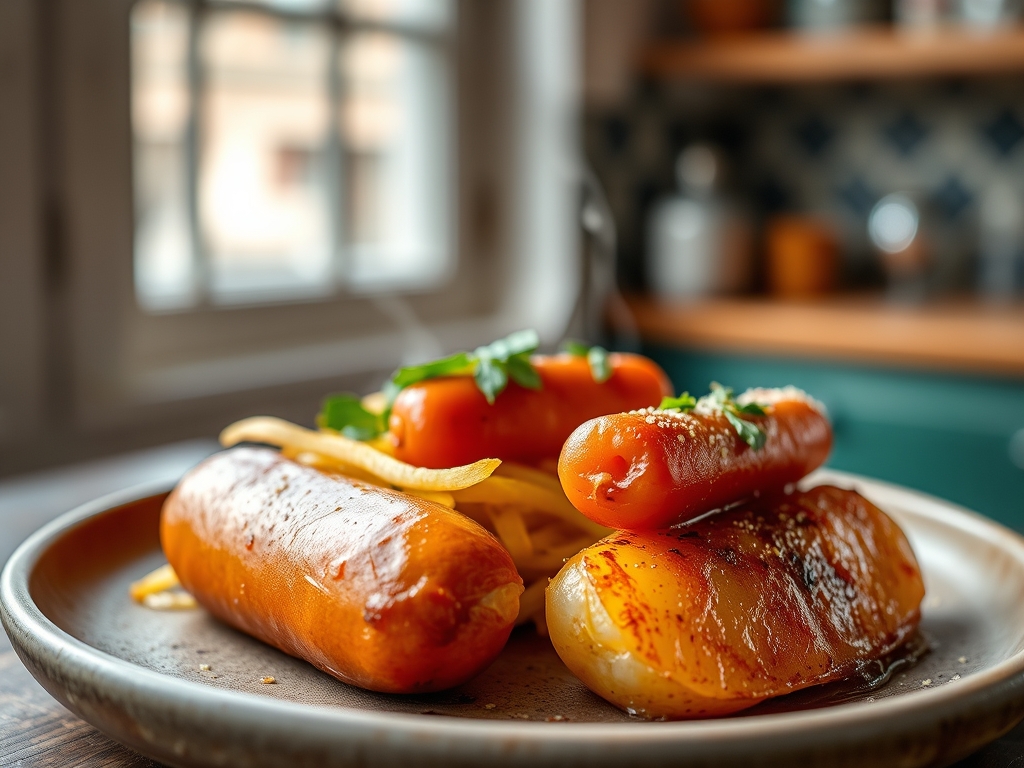
Imagine the scent of a snap-casing frankfurter meeting the earthy, buttery aroma of a golden tuber. It is the ultimate comfort synergy. Mastering hot dog and potato recipes requires more than just heat; it is an exercise in balancing salt, fat, and starch. Whether you are charring or braising, the chemistry of these two staples creates a perfect lunch.
That sizzle you hear when the meat hits the pan is not just noise. It is the sound of the Maillard reaction, where amino acids and reducing sugars transform into a complex profile of savory notes. When paired with the fluffy, cellular structure of a Yukon Gold or the starchy snap of a Russet, you get a textural playground. We are moving far beyond the basic backyard grill session. We are diving into a world where emulsified proteins meet gelatinized starches to create a midday meal that feels like a five-star event. Grab your apron; we are about to turn these pantry heroes into a culinary masterclass.
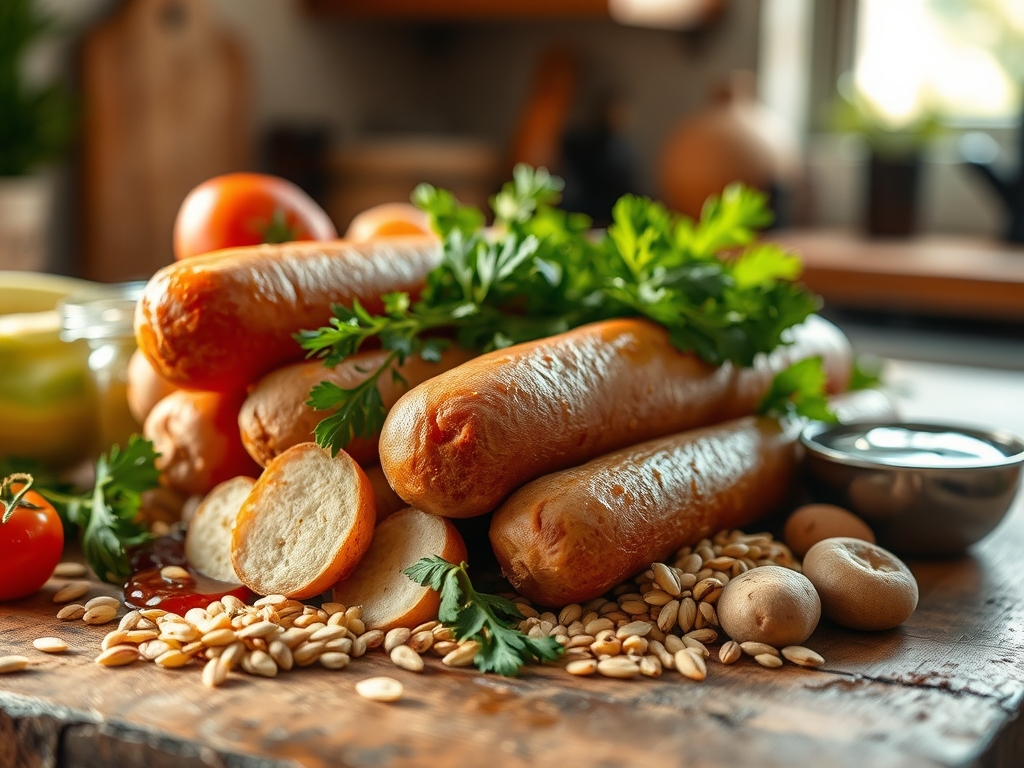
The Gathers:
To execute these hot dog and potato recipes with precision, your mise-en-place must be flawless. Start with your protein. Look for high-quality, all-beef franks with a natural casing; this provides the essential "snap" that resists the soft give of the potato. For the starch, the choice is functional. Use Russets for a high-starch content that fries into a crystalline crunch, or Red Bliss potatoes if you want a waxy, hold-together texture for a hash.
Your aromatics are just as vital. You will need shallots for a delicate piquancy and garlic cloves that you will crush to infuse your cooking fats. Speaking of fats, keep a high-smoke point oil like avocado oil on hand, alongside unsalted European-style butter for finishing. The higher butterfat content in European varieties ensures a more viscous, luxurious mouthfeel when deglazing your pan.
Smart Substitutions:
If you are looking to lighten the profile, swap the beef franks for smoked turkey sausages or a plant-based alternative with a high pea-protein count to maintain structural integrity. For the potatoes, parsnips or celery root offer a similar cellular density with a lower glycemic index. If you lack a specific acid, a splash of apple cider vinegar can replace lemon juice to brighten the heavy fats.
The Clock
Efficiency in the kitchen is about "Chef's Flow." This is the practice of overlapping tasks so that no heat is wasted. For most of these recipes, you are looking at a 15-minute prep window and a 20-minute cook time. The secret to speed is the "par-cook." By starting your potatoes in cold, salted water and bringing them to a boil while you slice your aromatics, you reduce total skillet time by half.
The "Flow" dictates that you prep your densest ingredients first. While the potatoes undergo their initial starch gelatinization, you can use your bench scraper to clear your board of chopped onions and peppers. By the time your heavy-bottomed skillet is preheated, your potatoes are ready to be drained and seared. This synchronization ensures that the franks remain juicy while the potatoes reach peak crispness.
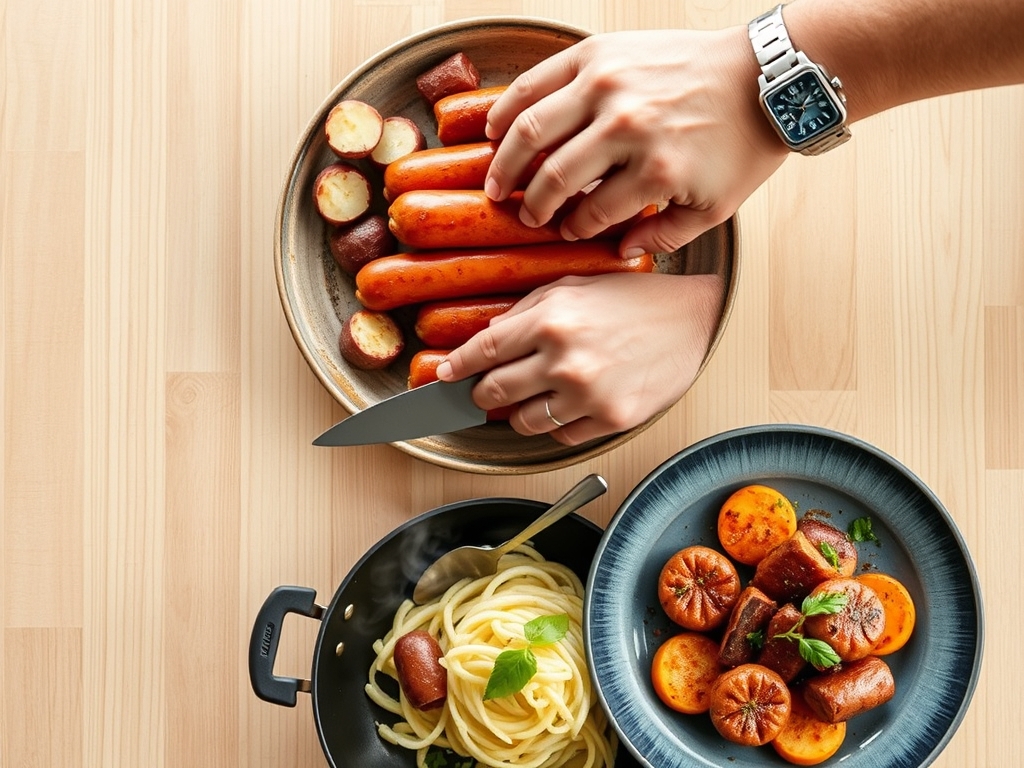
The Masterclass
1. The Precision Dice
Begin by cubing your potatoes into uniform half-inch pieces using a sharpened chef knife. Consistency is not just for aesthetics; it ensures that every piece of starch cooks at the exact same rate, preventing a mix of mushy and raw centers.
Pro Tip: This prevents enzymatic browning. Once cut, submerge the potatoes in cold water to wash away excess surface starch. This allows the exterior to crisp up in the pan rather than gumming together.
2. The Protein Render
Slice your hot dogs into "coins" or longitudinal strips. Place them into a cold saucier or skillet and turn the heat to medium. Starting cold allows the fat to render slowly, providing a flavorful base for the potatoes.
Pro Tip: Thermal carryover is real. Remove the meat when it is just shy of your desired darkness. The internal residual heat will continue to cook the protein even after it leaves the pan.
3. The Starch Sear
Increase the heat to medium-high and add your par-cooked potatoes to the rendered fat. Do not crowd the pan. If the pieces are too close, they will steam instead of fry, resulting in a soggy texture.
Pro Tip: This is the Maillard stage. Use tongs to flip individual pieces once a golden crust forms. The crust is a dehydrated layer of starch that acts as a barrier, keeping the interior moist.
4. The Aromatic Infusion
Toss in your minced shallots and garlic during the last three minutes of searing. Use a microplane to zest a bit of lemon over the top to cut through the richness of the fats.
Pro Tip: Aromatics contain volatile oils that burn quickly. Adding them at the end ensures they infuse the dish with flavor without becoming bitter or carbonized.
5. The Deglaze and Emulsify
Add a tablespoon of butter and a splash of stock or water to the hot pan. Use a wooden spoon to scrape up the brown bits (the fond) from the bottom.
Pro Tip: This creates a pan sauce through emulsification. The water and fat bind together with the help of the potato starch, coating every ingredient in a savory, viscous glaze.
6. The Final Aeration
Before serving, toss the mixture with fresh herbs like parsley or chives. Lift the ingredients high with your spoon to aerate the dish, which helps cool it slightly and distributes the scent.
Pro Tip: Fresh herbs are heat-sensitive. Adding them at the very end preserves their bright color and prevents the delicate oils from evaporating.
The Deep Dive
From a macro nutrition perspective, this pairing is a powerhouse of carbohydrates and protein. A standard serving provides approximately 450 calories, with a solid balance of 15g of protein and 40g of complex carbs. To optimize this for dietary needs, use Gluten-Free franks and ensure your potatoes are prepared with heart-healthy oils. For Keto enthusiasts, replace the potato with roasted cauliflower florets; they mimic the texture while slashing the net carb count.
The Fix-It:
- Soggy Potatoes: If your potatoes are limp, you likely overcrowded the pan. Fix this by spreading them on a wire rack and placing them in a 400-degree oven for five minutes to flash-dehydrate the surface.
- Burnt Garlic: If the aromatics turn black, the flavor will be acrid. Quickly stir in a tablespoon of heavy cream or Greek yogurt to neutralize the bitterness and create a creamy sauce.
- Split Sausages: If the casings burst, your heat was too high too fast. Next time, score the casings with shallow diagonal cuts to allow steam to escape.
Meal Prep:
To maintain "day-one" quality, store the potatoes and hot dogs in an airtight glass container. When reheating, avoid the microwave, which turns starch into rubber. Instead, use an air fryer or a dry skillet. This re-activates the fats and restores the crisp exterior through rapid convection.
The Wrap-Up
Creating elite hot dog and potato recipes is about respecting the science of the ingredients. By focusing on the Maillard reaction, proper rendering, and the delicate balance of aromatics, you transform humble lunch components into a sophisticated meal. Remember that texture is just as important as taste. Use your tools, watch your temperatures, and never be afraid to deglaze that pan for extra flavor. You have the technical knowledge; now go make something incredible!
The Kitchen Table
Can I use frozen potatoes for these recipes?
Yes, but ensure they are fully thawed and patted dry with a paper towel. Excess moisture creates steam, which prevents the Maillard reaction from forming a crispy crust on the potato exterior.
What is the best potato for frying with hot dogs?
Yukon Golds are the gold standard. They possess a medium starch content that allows for a creamy interior while still developing a resilient, golden-brown crust when seared in rendered animal fats.
How do I stop the hot dogs from curling?
Score the surface of the hot dog with shallow, parallel slits. This allows the casing to expand evenly under heat, preventing the protein from buckling and ensuring more surface area contacts the pan.
Why do my potatoes stick to the skillet?
This usually happens if the pan or the oil isn't hot enough before adding the starch. Ensure the oil is shimmering; this creates a steam barrier that prevents the potato from bonding to the metal.