
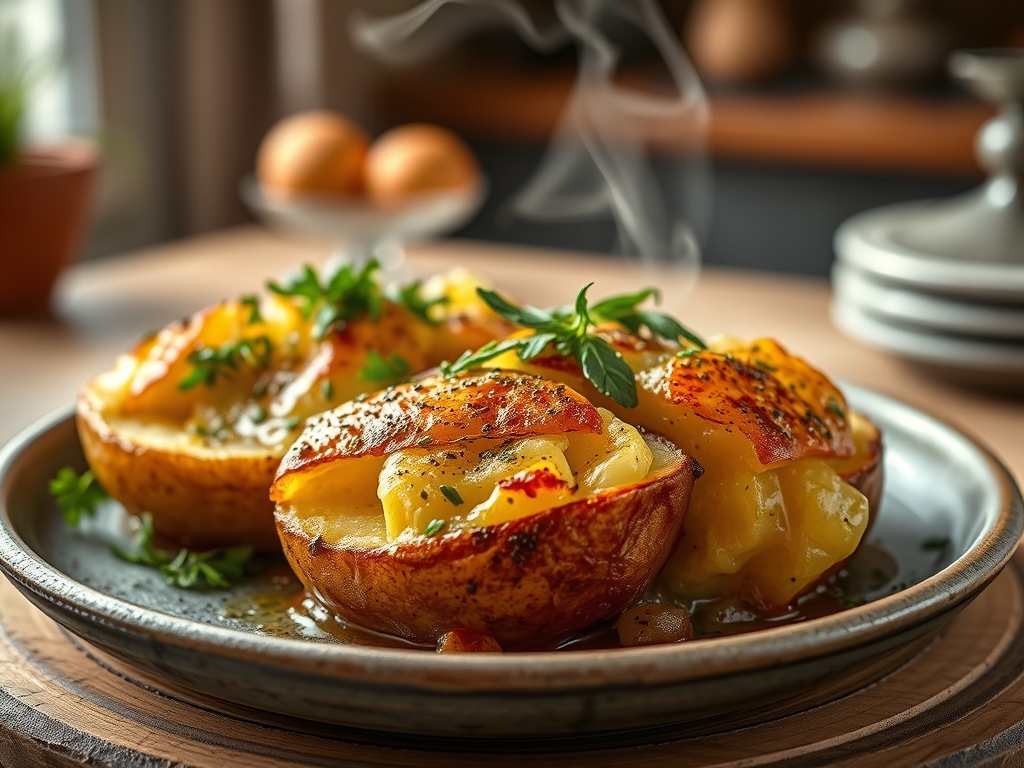
Imagine the scent of slow-roasted starch mingling with a savory, concentrated veloute that clings to every golden edge. When you are looking for the ultimate comfort food, mastering campbell soup potato recipes is your secret weapon for achieving professional-grade viscosity without the three-hour reduction time. It is chemistry in a can; it is the shortcut to culinary glory.
We are moving beyond the basic casserole. We are talking about the molecular magic of emulsification and the Maillard reaction. By utilizing the pre-stabilized starches in a classic tin of Cream of Mushroom or Cheddar Cheese soup, you bypass the risk of a broken sauce. You get that luscious, mouth-coating texture every single time. Whether you are hosting a frantic weeknight dinner or a curated Sunday brunch, these hacks turn a humble tuber into a technical masterpiece. Grab your favorite apron; we are about to elevate your pantry staples into something truly sublime.
The Gathers:
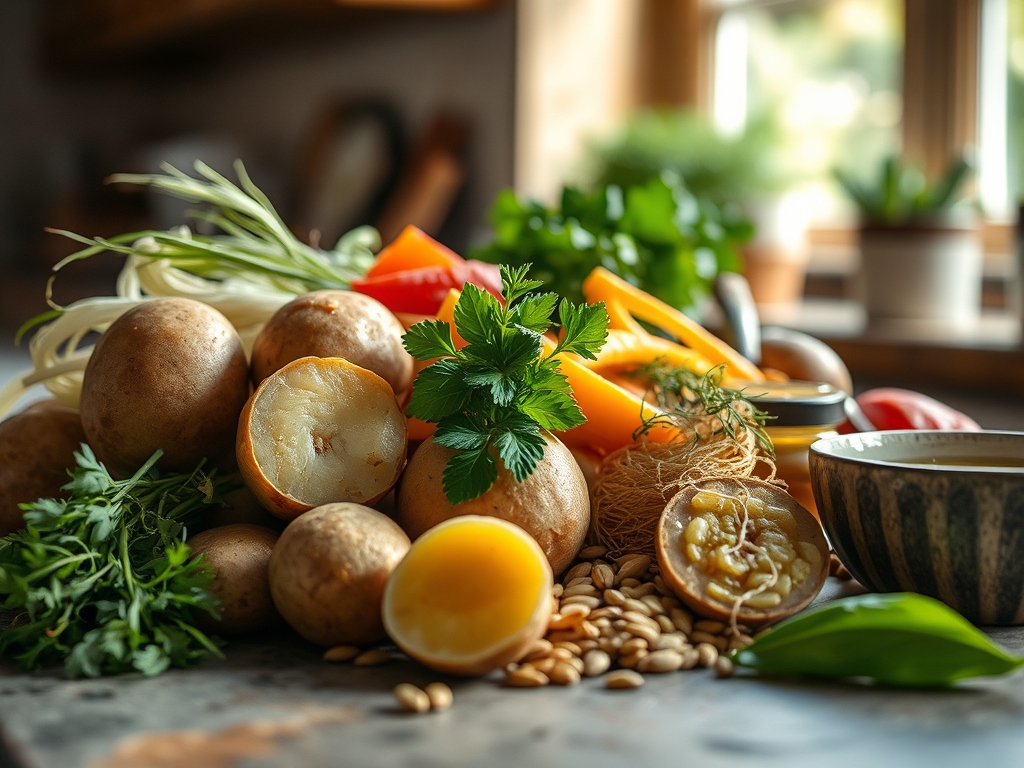
Setting up your station is the difference between a chaotic kitchen and a rhythmic flow. For these recipes, your mise-en-place should look like a laboratory of flavor. Start with your potatoes. For high-starch applications like mashing, reach for Russets. For structural integrity in gratins, use the waxy Yukon Gold. You will need a digital scale to ensure your ratios of liquid to solid are precise; consistency is the hallmark of a pro.
Your toolkit is just as vital as your ingredients. Ensure you have a bench scraper for moving chopped spuds, a microplane for grating fresh nutmeg or garlic into the mix, and a heavy-bottomed skillet or a saucier to prevent scorching. The soup acts as your primary flavor base, providing a complex profile of aromatics and thickeners.
Smart Substitutions:
If you find yourself short on the classic Cream of Mushroom, swap in Cream of Celery for a brighter, more vegetal undertone. For a piquant kick, use the Fiesta Nacho Cheese soup instead of standard Cheddar. If you are watching sodium, the "Healthy Request" line offers the same structural benefits with a more controlled mineral profile. Always keep a splash of heavy cream or whole milk nearby to aerate the mixture if the soup is too dense for your specific potato cut.
The Clock:
Efficiency is the soul of great cooking. We call this the "Chef's Flow." Most of these hacks require a 15-minute prep window followed by a 45-to-60-minute bake or simmer time. The goal is to synchronize your tasks so the oven preheats while you peel, and the sauce reduces while the potatoes parboil.
The "Golden Hour" of potato cookery occurs when the internal temperature of the tuber reaches 210 degrees Fahrenheit. This is when the cell walls soften perfectly. By using the soup-base method, you are insulating the potatoes, allowing for a slower, more even heat transfer. This prevents the outside from becoming mushy before the center is tender. Always factor in a 10-minute rest period; this allows the starches to "set" so your sauce doesn't run all over the plate when you serve.
The Masterclass:
1. The Velvet Mash Infusion
Peel and cube your Russets, then boil in salted water until fork-tender. Instead of just butter, fold in half a can of Cream of Chicken soup.
Pro Tip: This utilizes starch gelatinization. The pre-cooked flour in the soup binds with the potato cells, preventing the "gluey" texture that happens when you overwork the spuds.
2. The Hasselback Gratin
Slice potatoes thin but not all the way through. Place them in a heavy-bottomed skillet and pour a mixture of Cheddar Cheese soup and melted butter over the top.
Pro Tip: This creates a thermal barrier. The soup fills the crevices, conducting heat into the center of the potato while the exposed tops undergo the Maillard reaction for a crispy finish.
3. The Slow-Cooker Chowder Base
Combine diced Yukon Golds with a can of Clam Chowder or Potato Soup. Let them simmer on low for six hours.
Pro Tip: This is a lesson in enzymatic browning. Keeping the potatoes submerged in the acidic, salty soup environment prevents them from turning gray while they slowly soften.
4. The Crispy Smashed Soup Glaze
Parboil baby potatoes, smash them flat with a bench scraper, and roast. In the last ten minutes, brush them with a concentrated French Onion soup reduction.
Pro Tip: The high sugar content in the onion soup facilitates caramelization, creating a deeply savory, umami-rich crust that a standard salt-and-pepper seasoning cannot achieve.
5. The Sheet Pan Scalloped Potatoes
Layer thin slices on a rimmed baking sheet and drench in Cream of Celery soup thinned with a bit of white wine.
Pro Tip: Use a saucier to warm the soup before pouring. This kickstarts the heat transfer immediately, ensuring the potatoes cook through before the edges of the pan burn.
6. The Loaded Potato Soup "Extender"
If your homemade soup feels thin, whisk in a can of Cream of Potato.
Pro Tip: This is an emulsification hack. The stabilizers in the canned soup help hold the fats from your cheese and bacon in suspension, preventing an oily film from forming on top.
7. The Twice-Bake Stuffing
Scoop out baked potato centers and mix with Broccoli Cheese soup before restuffing.
Pro Tip: This manages moisture migration. The soup provides a consistent hydration level, ensuring the filling stays moist even after a second trip into the high-heat oven.
The Deep Dive:
When we look at the macro nutrition of these campbell soup potato recipes, we are looking at a high-carb, moderate-fat profile that is perfect for post-activity recovery. To make these Vegan, look for plant-based cream soups and use almond milk to thin the consistency. For a Keto twist, swap the potatoes for cauliflower florets; the soup hacks work identically with cruciferous vegetables. For Gluten-Free needs, ensure you select the specific GF-labeled Campbell's cans, as standard versions use wheat flour as a thickener.
The Fix-It:
If your sauce looks "broken" or oily, whisk in a teaspoon of warm water to re-emulsify the fats. If the potatoes are still hard after the timer goes off, cover the dish with foil to trap steam and increase the convection within the dish. If the flavor is flat, add a splash of lemon juice or vinegar; acidity cuts through the richness and "wakes up" the palate.
Meal Prep:
To maintain "day-one" quality, reheat your potato dishes in the oven rather than the microwave. The microwave vibrates water molecules too quickly, which can turn the starch "rubbery." A 350-degree oven for 15 minutes will re-hydrate the sauce and crisp the edges perfectly.
The Wrap-Up:
You are now officially a potato whisperer. By understanding the intersection of pantry staples and molecular biology, you have turned a simple can of soup into a culinary tool. These campbell soup potato recipes are about more than just convenience; they are about achieving a level of texture and flavor depth that usually takes years of kitchen experience to master. So, go forth and whisk, roast, and smash your way to a better dinner. Your kitchen, your rules, and a whole lot of delicious science.
The Kitchen Table:
Can I use frozen hash browns for these recipes?
Yes. Frozen potatoes are often par-cooked, so reduce your baking time by ten minutes. Ensure they are fully thawed and patted dry to avoid excess water diluting your savory soup base.
Why did my soup sauce turn thin in the oven?
This usually happens if the potatoes release too much internal moisture. Use waxy potatoes like Yukon Golds for gratins; they hold their water content better than starchy Russets during long baking cycles.
How do I make the top of my potato dish extra crispy?
Switch your oven to the broil setting for the final three minutes. The concentrated sugars and fats in the soup will undergo rapid caramelization, creating a professional, golden-brown crust.
Can I prep these potato dishes a day in advance?
Absolutely. Assemble the dish, cover tightly, and refrigerate. The potatoes may absorb some of the soup liquid, so add a two-tablespoon "splash" of milk or broth just before sliding it into the oven.