
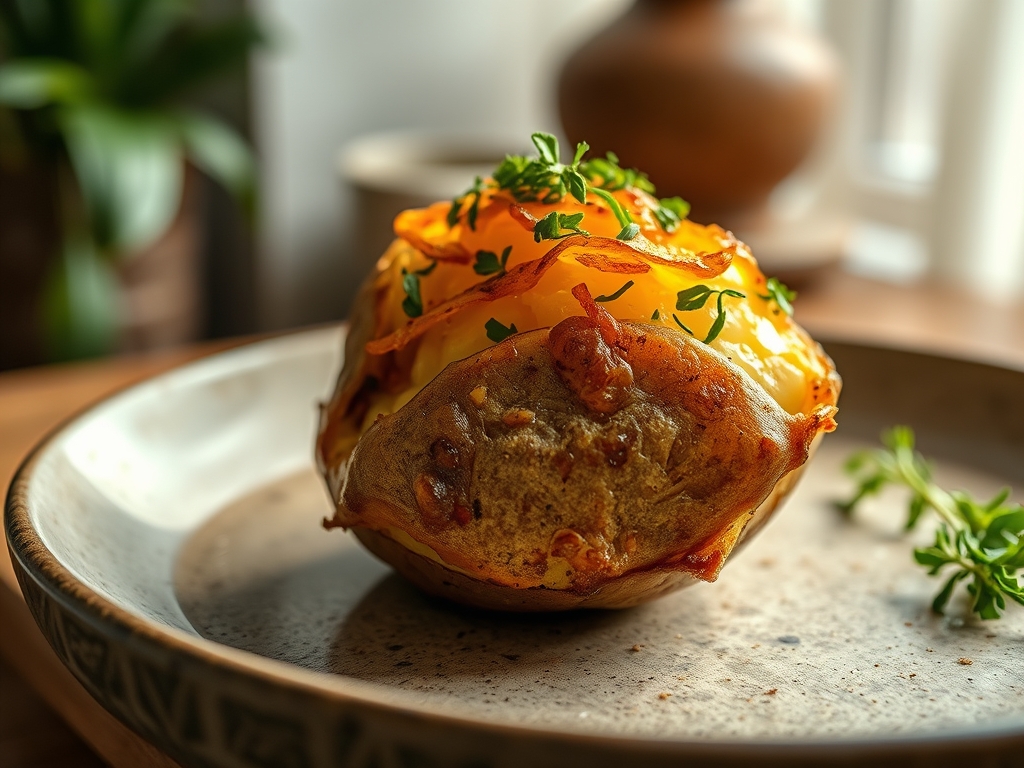
Imagine a cold, rainy Tuesday evening where the only thing standing between you and total serenity is a heavy, earth-scented Russet potato. There is a primal magic in the way a humble tuber transforms into a cloud of steaming, starchy gold. When you master baked potato recipes vegan style, you are not just eating dinner; you are conducting a masterclass in texture and plant-based luxury. We are moving far beyond the sad, dry spud of yesteryear. We are talking about skins so crisp they shatter like glass and interiors so fluffy they defy the laws of gravity. This is about the intersection of comfort and culinary science.
To reach this potato nirvana, we must treat the potato as a vessel for complex flavors. The secret lies in the moisture management of the starch granules. By the time we finish, you will be able to whip up a dinner that feels like a five-star bistro meal using nothing but a few pantry staples and a bit of heat. Get your apron on; we are about to turn the humble potato into a high-performance vehicle for nutrition and flavor.
The Gathers:
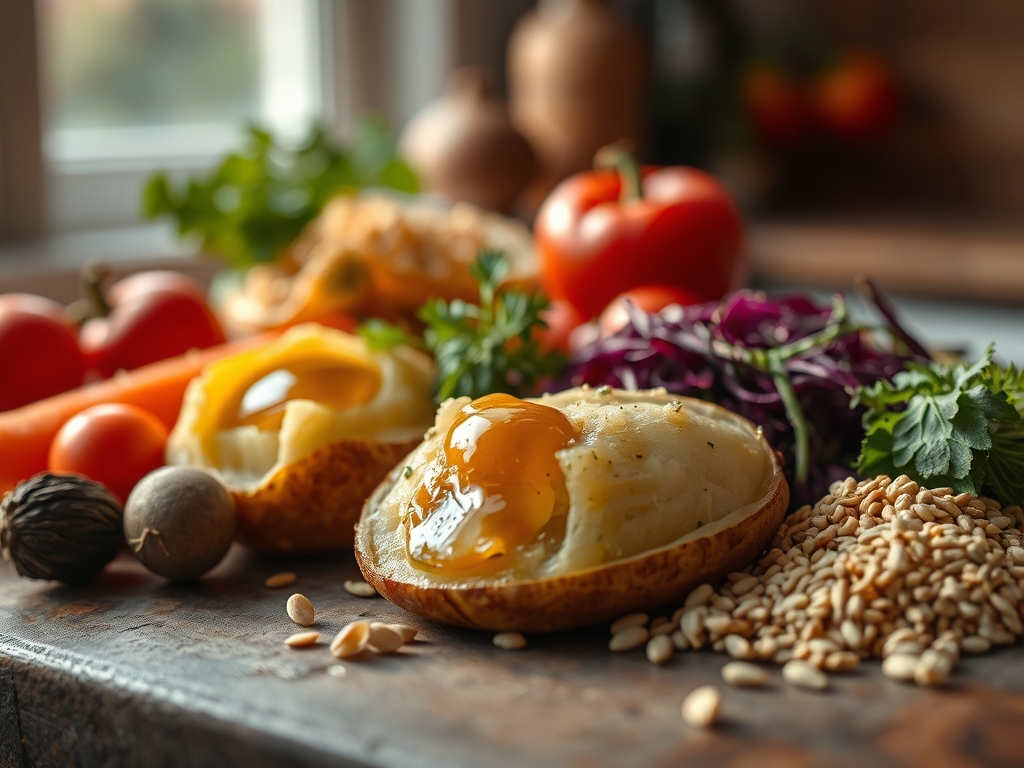
Before we fire up the oven, we must curate our mise-en-place with surgical precision. Start with large Russet potatoes; their high starch content is essential for that signature mealy texture. You will need high-quality sea salt to facilitate osmotic dehydration of the skin and a neutral oil with a high smoke point, such as avocado oil.
For our smart substitutions, we are looking at the molecular level. Instead of butter, we utilize refined coconut oil for its saturated fat structure or a high-phenolic extra virgin olive oil for a piquant finish. For the "sour cream" element, we rely on silken tofu blended with lemon juice to mimic the viscous, lactic tang of dairy. Gather your professional tools: a digital scale for uniform cooking times, a microplane for zesting aromatics, and a heavy-bottomed skillet if you plan on crisping any mushroom "bacon" toppers. Ensure your bench scraper is handy to clear the workspace of any stray salt or potato eyes.
The Clock
Efficiency in the kitchen is all about the "Chef's Flow." Total preparation time is approximately 10 minutes, while the active baking time ranges from 45 to 60 minutes depending on the size of your tubers.
- The Prep (0-10 min): Scrub, dry, and season.
- The Roast (10-55 min): Passive heat application.
- The Assembly (55-65 min): Slicing, fluffing, and garnishing.
While the potatoes are in the oven, use that 45-minute window to prepare your sauces and toppings. This prevents the "plating panic" and ensures your potato is served at its thermal peak.
The Masterclass
1. The Surface Preparation
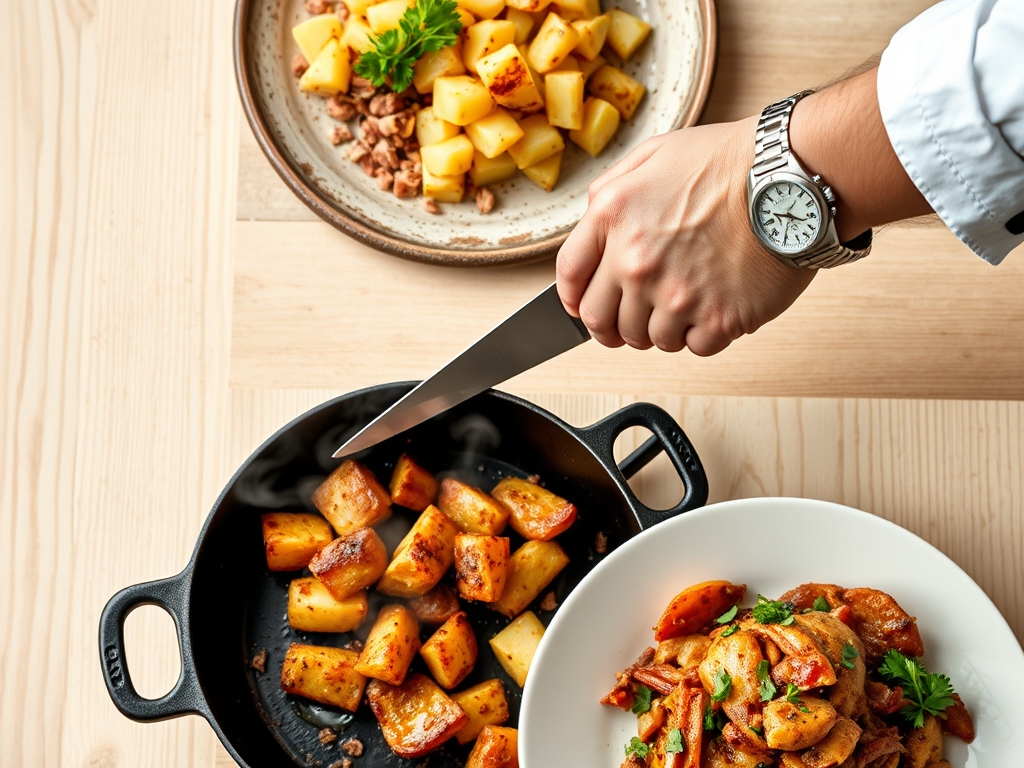
Scrub your potatoes under cold water to remove debris. Use a lint-free towel to dry them completely. Moisture is the enemy of the Maillard reaction; if the skin is damp, it will steam rather than crisp. Use a fork to pierce the skin 6 to 8 times to allow internal steam to escape.
Pro Tip: Piercing prevents the buildup of internal pressure. Without these vents, the expanding steam can cause the potato to burst, a result of the rapid expansion of water molecules trapped within the cellular structure.
2. The Osmotic Salt Rub
Coat each potato in a thin layer of oil and a generous dusting of fine sea salt. Place them directly on the oven rack with a baking sheet on the lower rack to catch any drips.
Pro Tip: Salt acts as a desiccant. It draws moisture out of the skin, allowing the heat to concentrate on the starches, which results in a parchment-thin, ultra-crispy exterior.
3. The Thermal Roast
Bake at 425 degrees Fahrenheit. This high heat is necessary to trigger the Maillard reaction, where amino acids and reducing sugars create that savory, toasted flavor profile.
Pro Tip: Use tongs to flip the potatoes halfway through. This ensures even heat distribution and prevents "flat spots" where the potato contacts the rack, allowing for 360-degree airflow.
4. The Internal Check
Use a digital probe thermometer to check for an internal temperature of 205 to 210 degrees Fahrenheit. The potato should feel slightly soft when squeezed with a gloved hand.
Pro Tip: At 205 degrees, the starch granules have fully hydrated and burst, creating the fluffy texture we crave. This is known as starch gelatinization.
5. The Release
Immediately upon removal, use a sharp paring knife to cut a longitudinal slit down the center. Use a clean kitchen towel to "pop" the ends toward the middle, forcing the steam out and the fluff up.
Pro Tip: This prevents "thermal carryover" from turning the fluffy interior back into a gummy, dense mass. Releasing the steam stops the cooking process instantly.
6. The Fat Infusion
While the potato is still piping hot, add your vegan butter or oil. Use a fork to gently aerate the flesh, folding the fat into the starch.
Pro Tip: Fats coat the starch molecules, preventing them from sticking together. This creates a velvety mouthfeel that mimics the richness of traditional dairy.
7. The Umami Layer
Dust with nutritional yeast or a pinch of smoked paprika. This adds a layer of savory "meatiness" without the need for animal products.
Pro Tip: Nutritional yeast contains glutamates, which trigger the umami sensors on your tongue, making the vegan dish feel more satisfying and "complete."
8. The Acid Balance
Top with a dollop of vegan cashew cream or a squeeze of lime.
Pro Tip: Acid cuts through the density of the starch and the richness of the fats. It brightens the overall flavor profile by balancing the pH levels on the palate.
9. The Textural Contrast
Add a crunch factor, such as toasted pepitas or crispy fried shallots.
Pro Tip: Multi-sensory eating involves contrasting textures. The "snap" of a seed against the "softness" of the potato sends positive signals to the brain's reward centers.
10. The Herb Infusion
Finish with fresh chives or parsley chopped finely with a sharp chef knife.
Pro Tip: Fresh herbs contain volatile oils that are released upon cutting. Adding them at the very end ensures these delicate aromas don't dissipate under the high heat of the oven.
The Deep Dive
From a macro perspective, a medium baked potato provides roughly 160 calories, 4 grams of protein, and a massive hit of potassium. When you keep the skin on, you are also consuming a significant amount of dietary fiber, which slows the glucose response.
Dietary Swaps:
- Keto: Swap the Russet for a roasted cauliflower head.
- GF: Naturally gluten-free! Just ensure your toppings (like vegan bacon bits) are certified.
- Oil-Free: Rub the skin with a bit of aquafaba (chickpea liquid) instead of oil to help the salt stick.
The Fix-It:
- Problem: Soggy skin. Fix: Never wrap potatoes in foil; it traps steam and boils the skin.
- Problem: Gummy interior. Fix: You likely over-mixed the potato or used a low-starch waxy potato like a Red Bliss. Stick to Russets.
- Problem: Underdone center. Fix: Use a saucier or a small pot of boiling water to par-boil the potatoes for 10 minutes before roasting if you are short on time.
Meal Prep: To reheat and maintain "day-one" quality, avoid the microwave. Use an air fryer or a toaster oven at 350 degrees for 10 minutes to re-crisp the skin and re-animate the starches.
The Wrap-Up
Mastering baked potato recipes vegan style is a superpower. It is the ultimate "empty fridge" meal that feels like an absolute indulgence. By understanding the science of starch gelatinization and the importance of moisture control, you have elevated a simple root vegetable into a culinary icon. Go forth, fluff those spuds, and enjoy the crispy, salty, creamy rewards of your labor!
The Kitchen Table
Can I bake potatoes in the microwave?
Yes, but the skin will remain soft and leathery. For the best vegan results, microwave for 5 minutes to soften the core, then finish in a hot oven for 10 minutes to crisp the exterior skin.
What is the best vegan substitute for sour cream?
Blended cashews with lemon juice and apple cider vinegar create the most authentic tang. For a lower-fat version, use silken tofu processed until smooth with a pinch of salt and lactic acid powder if available.
Why is my baked potato grey inside?
This is usually due to "after-cooking darkening." It happens when iron and chlorogenic acid react during cooling. To prevent this, ensure you serve the potato immediately after slicing or add an acidic topping like lemon juice.
Should I salt the potato before or after baking?
Salt before baking. The salt crystals draw out surface moisture through osmosis, which is the key to achieving a professional-grade, shatteringly crisp skin that contrasts perfectly with the soft, fluffy interior.