
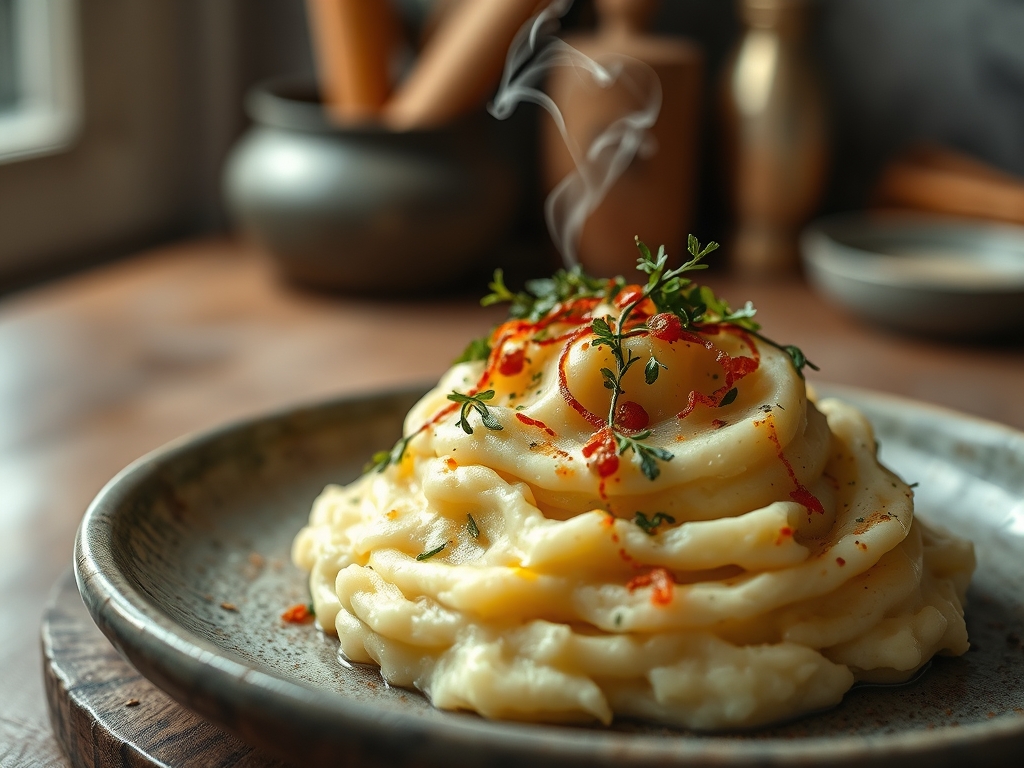
Imagine a cloud of pure, buttery silk resting on your plate; it is the ultimate comfort food that bridges the gap between a humble root vegetable and a fine-dining masterpiece. When you are hunting for the best creamy mashed potato recipes, you are not just looking for a side dish. You are looking for a chemical transformation where starch granules swell and soften into a luxurious, velvet texture. Most home cooks settle for lumpy or gluey results because they treat the potato like a passive ingredient rather than a complex structure of cellular walls and amylose. We are going to change that today. We are diving deep into the molecular mechanics of the spud to ensure your next batch is so aerated and rich that it defies gravity. Grab your favorite apron and a glass of wine; we are about to turn a simple tuber into a culinary event that will make your guests question everything they thought they knew about dinner.
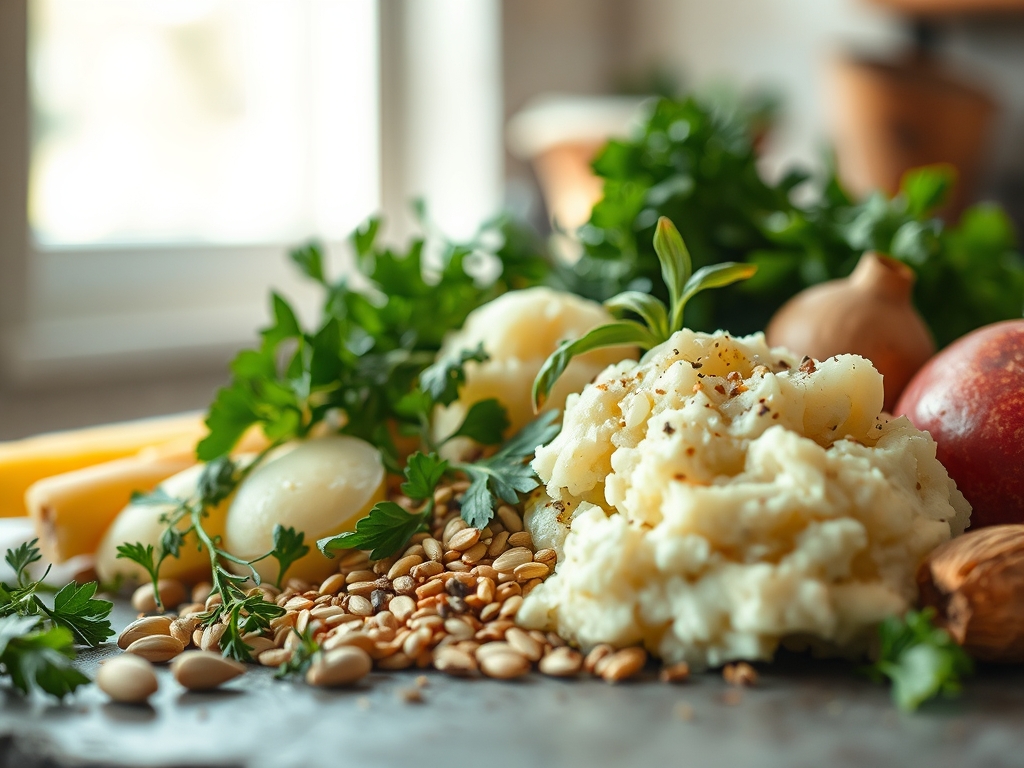
The Gathers:
To achieve a professional-grade mash, your mise-en-place must be precise. Start with a digital scale to weigh out high-starch Yukon Gold or Russet potatoes. Yukon Golds offer a natural buttery hue and a waxy-fluffy balance, while Russets provide the maximum surface area for absorption. You will need high-fat European butter (look for 82 percent butterfat or higher) and heavy cream with a minimum of 36 percent milkfat. Do not forget the aromatics; fresh garlic cloves, sprigs of thyme, and a hint of nutmeg grated on a microplane will elevate the flavor profile from flat to multidimensional.
Smart Substitutions: If you are looking for a lighter profile without sacrificing the viscous mouthfeel, swap half of the heavy cream for full-fat Greek yogurt or creme fraiche. This adds a piquant tang that cuts through the richness of the butter. For a vegan alternative, use a high-quality cashew cream and refined coconut oil; the fats will emulsify similarly to dairy if handled with the correct thermal precision.
The Clock
Mastering the "Chef's Flow" is about managing the thermal carryover and moisture evaporation. Your total active prep time is approximately 15 minutes for peeling and dicing. The boiling phase requires 20 to 25 minutes depending on the size of your dice. The most critical window is the five-minute "drying phase" immediately after draining. Total time from pantry to table is roughly 45 minutes. By timing your protein to rest while you perform the final whip, you ensure the potatoes are served at the peak of their aerated glory.
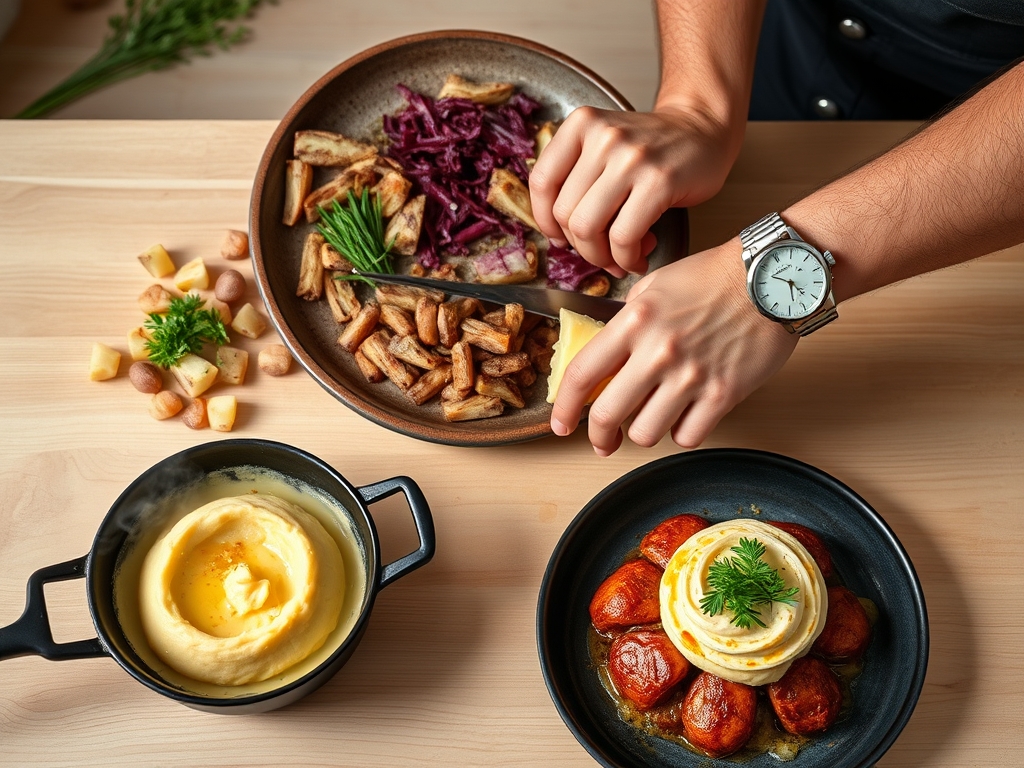
The Masterclass
1. The Uniform Cube
Consistency is the soul of even cooking. Use a sharp chef knife and a bench scraper to move your uniform one-inch cubes into a large pot. If the pieces vary in size, the smaller ones will overcook and take on water, leading to a soggy mash, while the larger ones remain hard.
Pro Tip: This prevents enzymatic browning. By placing the cut potatoes immediately into cold, salted water, you stop the oxygen from reacting with the phenols in the potato skin, keeping the flesh bright and ivory.
2. The Cold Start Method
Never drop potatoes into boiling water. Start with cold, heavily salted water (it should taste like the sea). This allows the starch granules to heat gradually and evenly from the core to the surface.
Pro Tip: Starting cold ensures the outside does not turn to mush before the center is tender. This preserves the pectin chains that hold the potato cells together, preventing a grainy texture.
3. The Steam Dry
Once the potatoes are fork-tender, drain them in a colander and immediately return them to the warm, empty pot. Place it back on the burner over low heat for 60 seconds, shaking the pot gently with tongs or the handles.
Pro Tip: This step facilitates evaporative cooling and removes excess moisture. Removing water is essential because it creates "space" within the potato cells to absorb the butter and cream later.
4. The Ricer Revolution
Forget the handheld masher. For the best creamy mashed potato recipes, use a potato ricer or a food mill. This tool pushes the potato through tiny holes, separating the fibers without overworking the starch.
Pro Tip: Over-mashing with a mixer triggers the release of too much amylose, which turns the potatoes into a sticky, glue-like paste. Ricing keeps the cells intact for a fluffy finish.
5. The Butter Barrier
Always add your melted butter before any other liquid. Use a silicone spatula to fold the fat into the hot riced potatoes. The fat coats the starch molecules, creating a waterproof barrier.
Pro Tip: This is the secret to lipid encapsulation. By coating the starch in fat first, you prevent the subsequent addition of milk or cream from turning the mash into a gummy mess.
6. The Infused Liquid
While the potatoes are drying, use a saucier to heat your cream with smashed garlic and herbs. Never add cold dairy to hot potatoes; it shocks the starch and causes the texture to tighten.
Pro Tip: Heating the liquid allows the fat-soluble compounds in the herbs to infuse into the cream, distributing flavor more evenly throughout the final dish.
7. The Gentle Fold
Slowly stream the warm cream into the buttered potatoes. Use a folding motion rather than a stirring motion. You want to aerate the mixture, incorporating tiny air bubbles that contribute to a light mouthfeel.
Pro Tip: This minimizes mechanical shear. The less you move the potatoes once the liquid is added, the more delicate the final "cloud" texture will be.
8. The Seasoning Layer
Season with fine sea salt and white pepper. White pepper is preferred in professional kitchens to maintain the pristine aesthetic of the dish. A final grating of nutmeg adds a "hidden" depth.
Pro Tip: Salt is a flavor enhancer that works by suppressing bitterness and highlighting the natural sweetness of the potato. Always season in stages to build a complex flavor profile.
9. The Silk Finish
For a true restaurant-style finish, pass the entire mixture through a fine-mesh chinois or sieve one last time. This removes any microscopic lumps and results in a texture that is closer to a puree than a mash.
Pro Tip: This final pass ensures a perfectly homogeneous mixture. It is the difference between "good" home cooking and a five-star culinary experience.
The Deep Dive
Macro Nutrition: A standard serving of professional-grade mashed potatoes contains approximately 240 calories, 12 grams of fat, and 30 grams of carbohydrates. While calorie-dense, potatoes are a significant source of potassium and Vitamin C.
Dietary Swaps: To make this Keto-friendly, substitute the potatoes for steamed and thoroughly dried cauliflower florets; follow the ricing and buttering steps exactly. For a gluten-free guarantee, ensure your butter and cream are pure and have no additives, as potatoes are naturally gluten-free.
The Fix-It:
- Too Salty: Fold in a small amount of unsalted whipped cream or an extra plain riced potato to dilute the sodium concentration.
- Too Runny: Simmer the mash in a heavy-bottomed skillet over low heat to cook off excess moisture, or whisk in a tablespoon of instant potato flakes as a binder.
- Gluey Texture: Unfortunately, you cannot "undo" broken starch. However, you can transform them into a "Pomme Aligot" by folding in a massive amount of melted Gruyere or Mozzarella cheese to lean into the stretchiness.
Meal Prep: To reheat and maintain "day-one" quality, use a double boiler. Direct heat will cause the fats to render out and separate. The gentle steam of a double boiler keeps the emulsion stable and the texture creamy.
The Wrap-Up
You are now armed with the scientific secrets to conquering the potato. By focusing on moisture control, starch management, and temperature precision, you have moved beyond basic recipes and into the realm of culinary artistry. Remember that the best creamy mashed potato recipes are built on a foundation of quality ingredients and gentle handling. Go forth, use your ricer with pride, and enjoy the most decadent side dish you have ever created.
The Kitchen Table
Why are my mashed potatoes gummy?
Gummy potatoes occur when starch granules are overworked, releasing excess amylose. This usually happens from using a food processor or over-mixing. Use a ricer and a gentle folding technique to keep the starch contained within the potato cells.
Can I peel potatoes ahead of time?
Yes, you can peel and dice them up to 24 hours in advance. Store them submerged in cold water in the refrigerator to prevent oxidation and browning. This also helps remove some surface starch for a fluffier result.
Is it better to boil or steam potatoes?
Boiling in salted water is generally better for flavor, as the potato absorbs the seasoning as it cooks. However, steaming prevents the potato from becoming waterlogged. If you boil, always perform a "steam dry" in the hot pot afterward.
What is the best potato for mashing?
Yukon Golds are the professional choice for their creamy texture and buttery flavor. Russets are also excellent for a fluffier, more absorbent mash. Avoid red or new potatoes, as they are too waxy and often become heavy.