
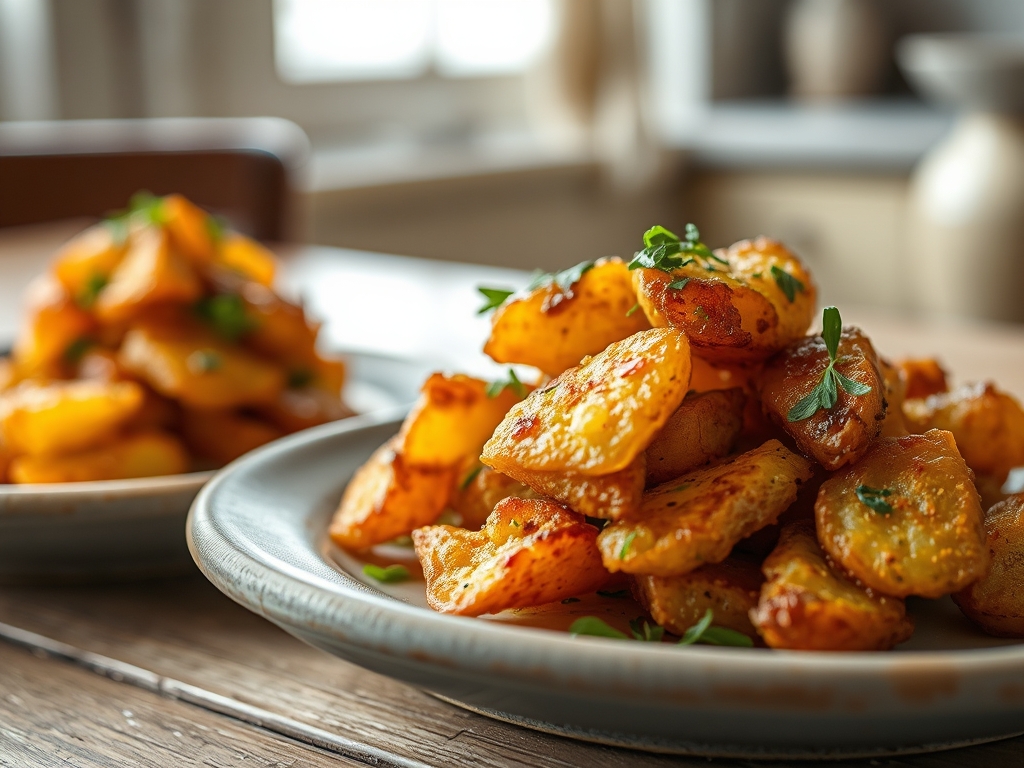
Listen to that sound. It is the distinct, aggressive sizzle of cold starch hitting three hundred and fifty degree oil; a violent evaporation of moisture that transforms a humble tuber into a golden, glass-shattering masterpiece. If you are hunting for the ultimate deep fried potato recipes, you have officially arrived at the intersection of molecular chemistry and pure, unadulterated comfort. We are not just making fries here. We are manipulating amylose and amylopectin to create a structural marvel that stays crunchy long after it leaves the fat.
The secret to a world-class fry is not just the heat; it is the preparation of the surface area. We want to maximize the Maillard reaction, that beautiful chemical dance between amino acids and reducing sugars that creates savory complexity. By the time we are finished, you will understand exactly why your potatoes have been soggy in the past and how to ensure they never suffer that fate again. Grab your apron and your favorite heavy-bottomed skillet. We are about to turn your kitchen into a high-end bistro.
The Gathers:
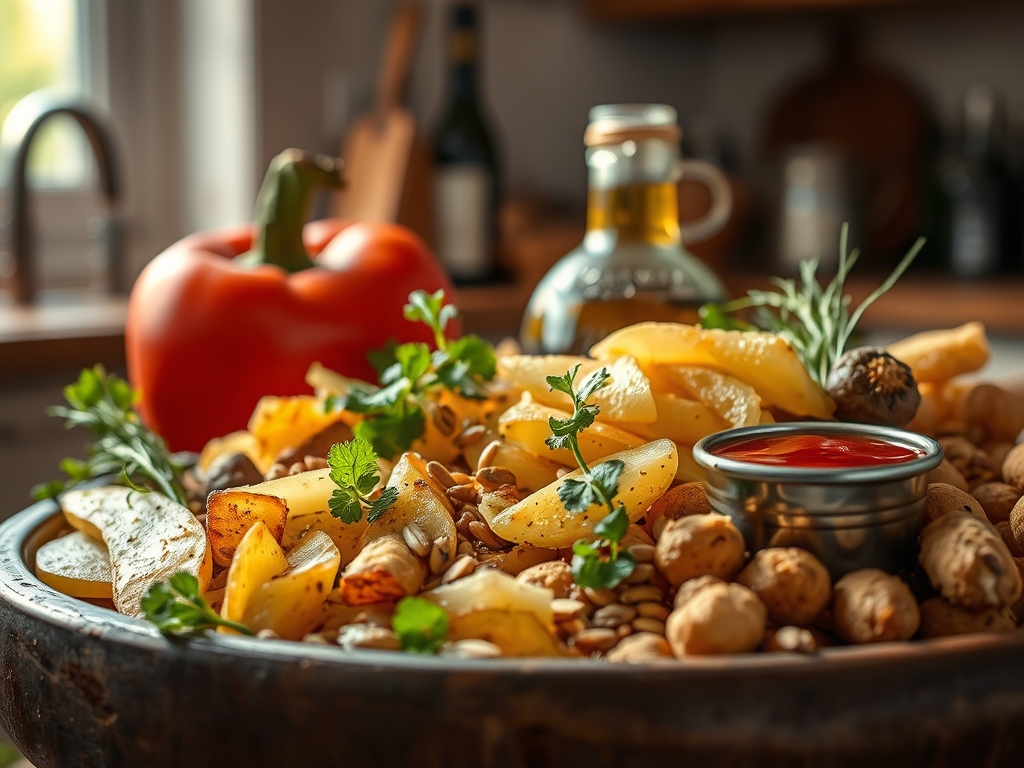
Before we ignite the burners, we must curate our mise-en-place with precision. You will need high-starch potatoes; specifically Russets or Idaho varieties. These contain the high solids content necessary for a fluffy interior. Avoid waxy potatoes like Red Bliss for deep frying, as their high moisture and low starch lead to a limp, greasy result. You will also need a high-smoke-point oil. Refined peanut oil or beef tallow are the gold standards here because they can withstand high temperatures without breaking down into acrid, smoky compounds.
Your tool kit is just as vital as your ingredients. Pull out your digital scale to ensure uniform sizing; consistency in mass equals consistency in cook time. You will also need a spider skimmer for safe retrieval, a bench scraper for organizing your cuts, and a thermometer to monitor the viscous oil. For seasoning, skip the table salt and reach for fine sea salt or a microplane to zest some parmesan over the hot oil while the surface is still tacky.
Smart Substitutions: If you are avoiding nightshades, Japanese Sweet Potatoes (Satsumaimo) offer a dense, creamy alternative that fries beautifully. For a lower-glycemic option, par-boiled daikon radish can be coated in cornstarch and fried for a surprisingly piquant, crispy snack. If peanut oil is off the table due to allergies, refined avocado oil is a stellar, albeit pricier, substitute with a smoke point north of five hundred degrees.
The Clock
Efficiency in the kitchen is about mastering the "Chef's Flow." Total active prep time for these hacks is roughly thirty minutes, but the secret lies in the passive time. You must factor in a thirty-minute cold water soak to remove excess surface starch. This prevents the potatoes from sticking together and ensures a crispier exterior.
The frying itself happens in two stages: the blanch and the finish. The initial blanch takes about six to eight minutes at a lower temperature, followed by a cooling period of at least twenty minutes. The final "hard fry" takes only three to five minutes. Total time from soil to plate is approximately ninety minutes. Do not rush the cooling phase; this is when the starch granules retrogress and toughen, which is the key to that legendary crunch.
The Masterclass
1. The Precision Cut
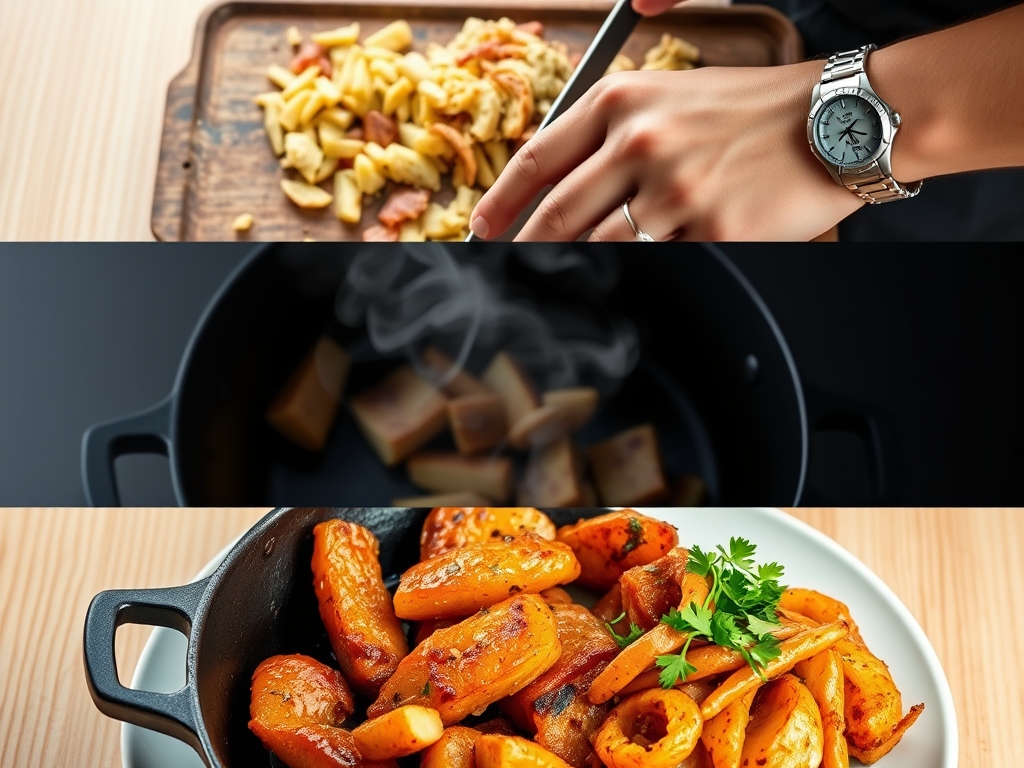
Using a sharp chef's knife or a mandoline, slice your potatoes into uniform batons. Aim for a thickness of exactly three-eighths of an inch. Use your bench scraper to clear the board and keep your workspace pristine.
Pro Tip: Uniformity is not just for aesthetics. It prevents smaller pieces from carbonizing before the larger ones are cooked through. This is known as managing the surface-to-volume ratio to ensure even heat distribution.
2. The Cold Water Leech
Submerge your cut potatoes in a bowl of ice-cold water. Agitate them vigorously until the water becomes cloudy. Drain and repeat until the water remains clear.
Pro Tip: Rushing this step leads to limp fries. By removing the excess surface starch, you prevent the sugars from caramelizing too quickly, which allows the interior to cook fully before the outside burns.
3. The Vinegar Blanch
Place the potatoes in a saucier with cold water and a tablespoon of white vinegar. Bring to a simmer and cook for eight minutes until they are "knife-tender" but not falling apart.
Pro Tip: Vinegar lowers the pH level of the water, which slows the breakdown of pectin. This keeps the potato structurally sound during the first fry, preventing it from shattering.
4. The Dehydration Phase
Spread the blanched potatoes on a wire rack and pat them completely dry with lint-free towels. Any residual surface moisture will turn to steam in the oil, resulting in a soggy crust.
Pro Tip: Evaporative cooling happens here. As moisture leaves the surface, it creates tiny fissures in the starch. These fissures will eventually fill with oil and crisp up into a glass-like texture.
5. The First Fry (The Blanch)
Heat your oil in a heavy-bottomed skillet to three hundred twenty-five degrees. Fry the potatoes in small batches for six minutes. They should look pale and limp, not golden.
Pro Tip: This stage is about gelatinizing the starch. We are cooking the potato from the inside out without developing color yet. This creates the "fluff" that contrasts with the eventual crunch.
6. The Deep Freeze
After the first fry, place the potatoes on a tray and put them in the freezer for at least thirty minutes.
Pro Tip: Freezing causes the internal moisture to turn into ice crystals, which rupture the starch cells. When refried, this creates a lighter, more aerated interior. This is the secret behind the world's most famous fast-food fries.
7. The Hard Fry (The Finish)
Increase your oil temperature to three hundred seventy-five degrees. Fry the frozen potatoes until they are deep golden brown, which usually takes about four minutes.
Pro Tip: This is the moment of the Maillard reaction. The high heat rapidly dehydrates the exterior, creating a rigid, crunchy shell. The temperature must stay high to prevent oil absorption.
8. The Aeration Toss
Immediately move the fries to a stainless steel bowl and toss them with salt. Use a spider skimmer to ensure you are not bringing excess oil into the bowl.
Pro Tip: Tossing the fries while they are screaming hot creates a vacuum effect. As the steam escapes, it pulls the seasoning into the microscopic pores of the crust, ensuring the flavor is "infused" rather than just sitting on top.
9. The Carryover Rest
Let the fries sit on a paper-towel-lined rack for sixty seconds before serving.
Pro Tip: Thermal carryover means the potatoes continue to cook for a minute after leaving the oil. This brief rest allows the internal steam to stabilize so the crust does not soften immediately upon plating.
The Deep Dive
When we look at the macro nutrition of deep fried potato recipes, we are looking at a high-energy food. A standard serving contains roughly three hundred calories, with fifteen grams of fat and thirty-eight grams of carbohydrates. To make this Vegan, simply ensure your oil is plant-based. For a Gluten-Free version, these are naturally safe as long as no flour-based batters are used. For Keto, you must swap the potato for jicama or celery root, though the starch profile will differ.
The Fix-It:
- Soggy Fries: Usually caused by overcrowding the pan. This drops the oil temperature too low. Fix: Fry in smaller batches.
- Too Dark/Bitter: This is the result of high sugar content in older potatoes. Fix: Increase the soaking time or add more vinegar to the blanching water.
- Greasy Interior: The oil was not hot enough during the second fry. Fix: Use a thermometer to ensure a steady three hundred seventy-five degrees.
Meal Prep: You can par-fry and freeze these potatoes weeks in advance. To reheat, do not use a microwave. Use an air fryer or oven at four hundred degrees for five minutes to re-activate the oils and restore the "day-one" crunch.
The Wrap-Up
Mastering deep fried potato recipes is a rite of passage for any serious home cook. It is a lesson in patience, temperature control, and the beautiful physics of fat. By respecting the starch and utilizing the double-fry method, you have elevated a basic root vegetable into a culinary icon. Now, grab your favorite dipping sauce, pour a cold drink, and enjoy the literal fruits of your scientific labor. You have earned every single crunch.
The Kitchen Table
Which potato is best for deep frying?
Russet potatoes are the gold standard. Their high starch and low moisture content create a fluffy interior and a crisp, golden exterior that holds its shape perfectly after hitting the hot oil.
Why do my fries turn brown too quickly?
This is caused by excess surface sugars. To fix this, soak your cut potatoes in cold water for at least thirty minutes to leech out the starch, ensuring a more even, golden-brown caramelization.
Can I reuse my frying oil?
Yes, if you filter it through a fine-mesh sieve to remove food particles. Store it in a cool, dark place. However, if the oil smells acrid or looks dark, it has oxidized and should be discarded.
What is the best temperature for deep frying?
For the initial blanch, use three hundred twenty-five degrees. For the final crisping fry, increase the heat to three hundred seventy-five degrees. This two-step process ensures the center is cooked while the outside remains shatteringly crisp.