
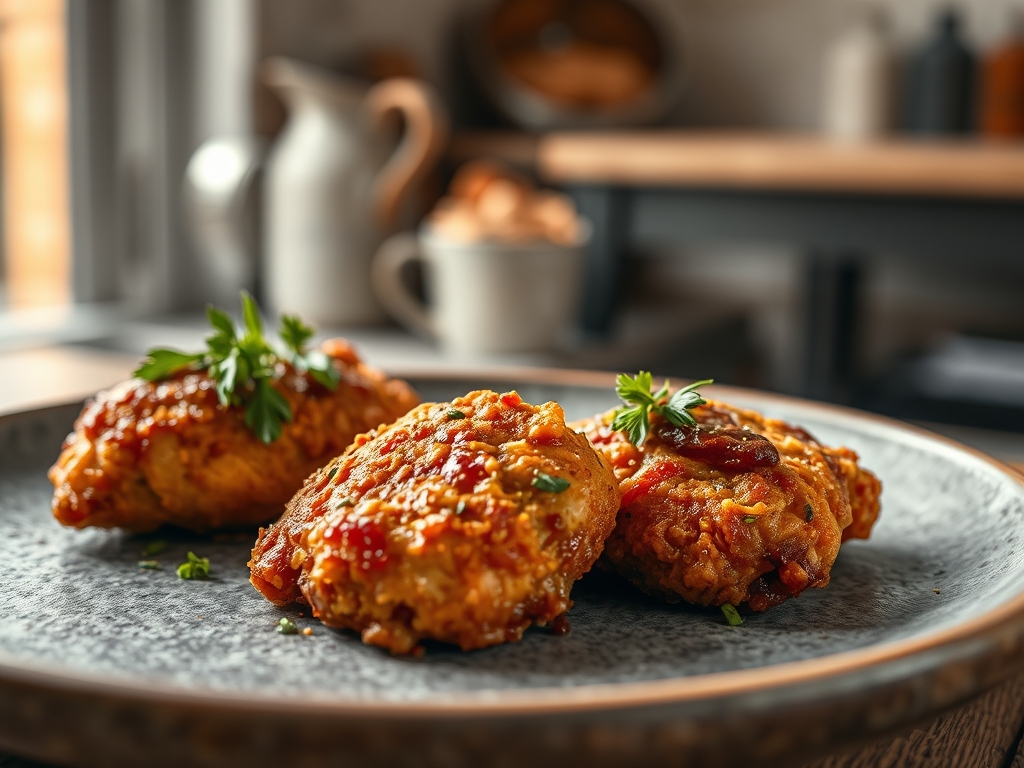
Picture this: you open your refrigerator to find a cardboard box of cold, slightly soggy breading and poultry. Most people see a sad midnight snack, but you and I know better. By mastering a few leftover fried chicken recipes, we can transform that structural integrity into something spectacular. We are talking about reviving the Maillard reaction and utilizing that existing fat profile to create high-concept meals that taste better than the original bucket.
The secret lies in understanding the molecular structure of the coating. When fried chicken cools, the starch molecules undergo retrogradation; they get tough and leathery. Our mission is to re-hydrate the interior while flash-crisping the exterior using high-velocity heat or moisture-rich sauces. Whether we are shredding it for a piquant taco or dicing it for a viscous, creamy pasta, the goal is total textural redemption.
The Gathers:
To execute these leftover fried chicken recipes, your mise-en-place must be precise. Start with your cold protein. You will need a heavy-bottomed skillet to distribute heat evenly and a microplane for integrating aromatics like ginger or hard cheeses. Gather high-smoke-point oils such as avocado or grapeseed to avoid acridity during the reheating phase. For the sauces, ensure you have a saucier ready to emulsify fats and liquids into a cohesive, glossy finish.
Smart Substitutions:
If you lack fresh aromatics, a high-quality garlic oil can infuse the dish with depth without the risk of burning raw cloves. If the original breading is too salty, balance the palate with an acid like rice vinegar or lime juice. For a gluten-free pivot, ensure your thickening agents are cornstarch or arrowroot powder rather than flour. If you are aiming for a lighter profile, swap heavy cream for full-fat Greek yogurt to maintain a viscous mouthfeel without the caloric density.
The Clock:
The "Chef's Flow" is all about overlapping tasks to minimize downtime. Expect a total active prep time of 15 minutes and a cook time of 10 to 20 minutes depending on the complexity of the makeover. While your skillet preheats, you should be dicing your cold chicken; cold meat is easier to cut into uniform cubes than warm meat because the fats are solid.
The flow begins with the aromatics. While they render and soften, you prepare your liquids. By the time the pan is screaming hot, your protein is ready to hit the surface. This synchronized movement ensures that the chicken spends the least amount of time under heat, preventing the protein fibers from tightening and becoming "rubbery." Efficiency is the difference between a soggy stir-fry and a crisp masterpiece.
The Masterclass:
1. The Hot Honey Shred
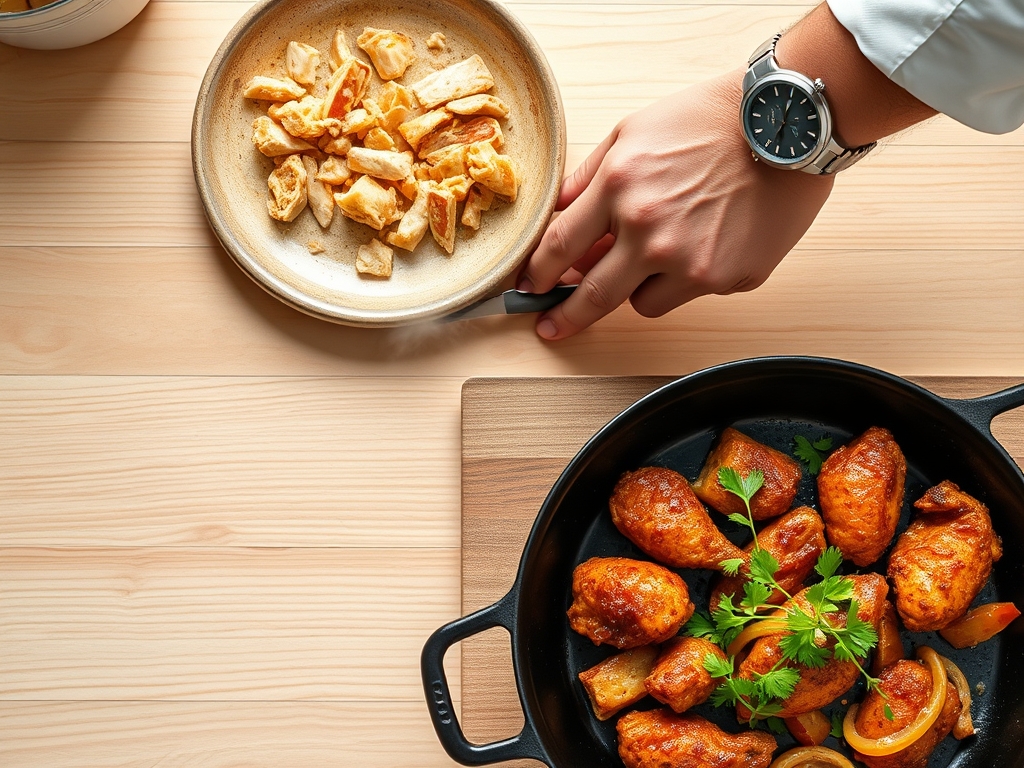
Remove the skin from the cold chicken and set it aside. Shred the meat using two forks. In a small saucier, combine honey, chili flakes, and a splash of apple cider vinegar. Toss the meat in the warm glaze until it is fully coated and glistening.
Pro Tip: This relies on hygroscopy. The honey attracts moisture from the air and the sauce, preventing the lean breast meat from drying out while it reaches serving temperature.
2. The Crispy Skin Crouton
Take that skin you set aside and place it in a dry heavy-bottomed skillet over medium heat. Use a bench scraper to press it flat. Cook until the fat renders out and the skin becomes a shatteringly crisp "cracker." Crumble these over a Caesar salad or a bowl of ramen.
Pro Tip: This is a secondary rendering process. By removing the residual moisture trapped in the breading, you achieve a level of crispness that exceeds the original fry.
3. The Buffalo Blue Mac
Dice the chicken into half-inch cubes. Prepare a standard roux, then whisk in milk to create a viscous bechamel. Fold in sharp cheddar and buffalo sauce. Add the chicken at the very last second before serving to maintain the breading's texture.
Pro Tip: Use the science of emulsification. The fats in the cheese and the buffalo sauce must be bonded by the starch in the roux to prevent a greasy "broken" sauce.
4. The Morning-After Chilaquiles
Sauté onions and peppers, then add a jar of salsa verde. Once bubbling, toss in thick-cut tortilla chips and your sliced leftover chicken. Top with a fried egg and radish slices for a piquant kick.
Pro Tip: This technique uses steam-conduction. The moisture from the salsa penetrates the breading of the chicken, softening it into a dumpling-like texture that pairs perfectly with the crunch of the chips.
5. The Kimchi Fried Rice
Cold rice and cold chicken are the ultimate duo. Use tongs to toss them in a hot wok with kimchi, soy sauce, and sesame oil. The high heat will aerate the rice grains while the chicken fats lubricate the pan.
Pro Tip: This is the Leidenfrost effect in action. A hot enough pan creates a vapor barrier that prevents the starch from sticking, ensuring every grain of rice remains distinct.
6. The Pesto Chicken Flatbread
Smear a pre-made flatbread with basil pesto. Top with sliced leftover fried chicken and fresh mozzarella. Bake at 425 degrees Fahrenheit until the cheese is blistered and the chicken is heated through.
Pro Tip: This utilizes thermal carryover. The heat from the bread and the melting cheese gently warms the chicken from the outside in, preserving its internal juices.
7. The Spicy Chicken Bao
Steam frozen bao buns until pillowy. Stuff them with a slice of reheated fried chicken, pickled carrots, and a heavy drizzle of kewpie mayo. Use a digital scale to ensure your portions are consistent for a professional presentation.
Pro Tip: The contrast between the aerated dough of the bun and the dense, salty chicken creates a sensory experience known as dynamic contrast, which makes food more addictive.
The Deep Dive:
From a nutritional standpoint, leftover fried chicken recipes are protein-dense but can be high in sodium. To balance the macros, pair these dishes with high-fiber cruciferous vegetables or complex carbohydrates like brown rice. If you are following a Keto diet, ditch the buns and rice; use the chicken as a "crouton" for a spinach salad with an avocado-oil-based dressing. For a Gluten-Free version, ensure your sauces are thickened with tamari instead of standard soy sauce.
The Fix-It:
- The Soggy Bottom: If your chicken is limp, do not microwave it. Use an air fryer or a wire rack in the oven to allow hot air to circulate 360 degrees around the meat.
- The Salt Bomb: If the original seasoning is too aggressive, add an acid like lemon juice or a fat like avocado. These mask the perception of salt on the tongue.
- The Dry Interior: If the meat is parched, deglaze your pan with a tablespoon of chicken stock. The steam will re-hydrate the protein fibers instantly.
Meal Prep: Reheating science dictates that "day-one" quality is only possible if you avoid the microwave. The microwave vibrates water molecules, which turns the breading into a sponge. Always opt for dry, radiant heat to maintain the structural integrity of the crust.
The Wrap-Up:
Transforming your fridge finds into gourmet leftover fried chicken recipes is more than just a kitchen hack; it is an exercise in culinary chemistry. By understanding how to manipulate fats, acids, and heat, you turn a forgotten meal into a high-octane dining experience. Grab your heavy-bottomed skillet, trust your instincts, and remember that the best meals are often the ones we reinvent. Now, go turn that cold chicken into something your friends will actually envy!
The Kitchen Table:
How do I make leftover fried chicken crispy again?
Avoid the microwave at all costs. Use an air fryer at 375 degrees for four minutes or a wire rack in a toaster oven. This allows dry, radiant heat to render residual fats and evaporate moisture from the breading.
Can I freeze leftover fried chicken for later recipes?
Yes, you can freeze it for up to three months. Wrap each piece tightly in foil and place in a freezer bag. To use, thaw in the refrigerator overnight before applying one of the high-heat makeover methods mentioned above.
Is it safe to eat cold fried chicken?
As long as the chicken was refrigerated within two hours of its original cooking and kept at or below 40 degrees Fahrenheit, it is perfectly safe. Cold chicken is actually a fantastic base for high-acid salads and wraps.
What is the best sauce for reviving dry chicken?
A viscous sauce with a high fat content is best. Think garlic aioli, buffalo sauce with melted butter, or a creamy pesto. These fats coat the dry protein fibers, providing a succulent mouthfeel that mimics freshly fried meat.