
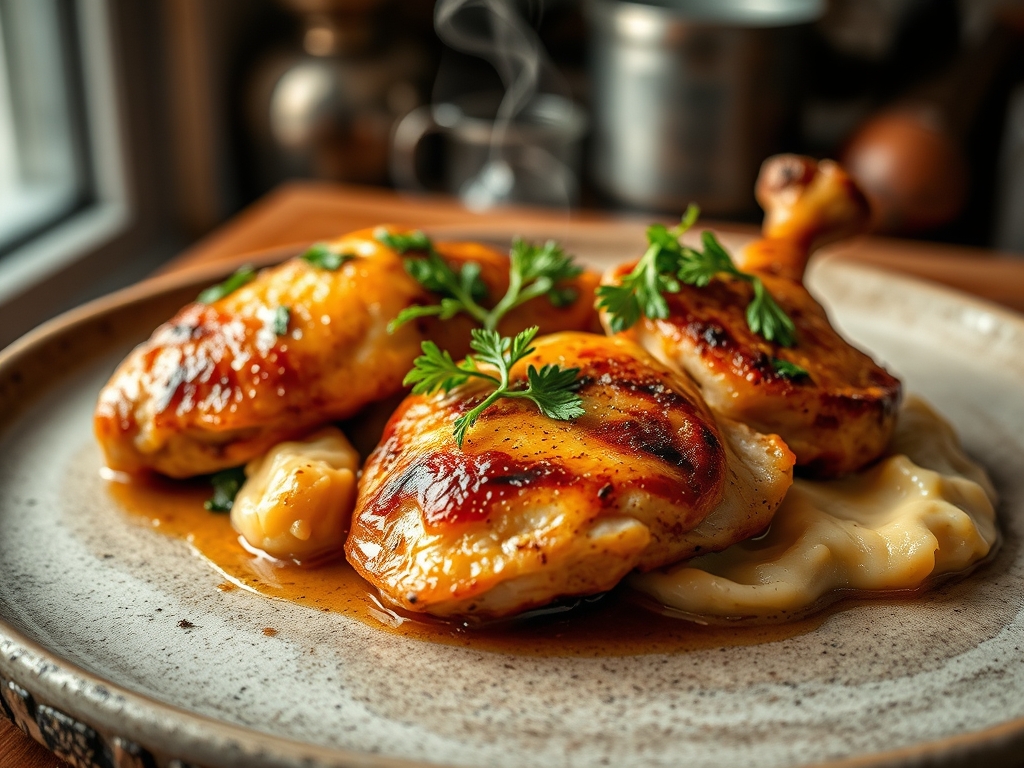
The kitchen is currently humming with the sound of a heavy-bottomed skillet meeting a high-velocity flame. You can smell it before you see it; that unmistakable, nutty aroma of proteins transforming into gold. When you are hunting for simple chicken recipes ideas, you are not just looking for a meal. You are looking for a repeatable victory. Most home cooks treat poultry like a chore, but we are going to treat it like a chemical reaction. We are chasing the Maillard reaction, that magical scientific process where amino acids and reducing sugars rearrange themselves under heat to create hundreds of different flavor compounds. It is the difference between a sad, grey cutlet and a crusty, bronze masterpiece that shatters under a fork.
This collection of six methods focuses on the architecture of flavor. We are stripping away the fluff and focusing on high-density techniques that work every single time. Whether you are dealing with the lean, temperamental breast or the forgiving, collagen-rich thigh, the goal is the same: maximum succulence with zero existential dread. Grab your favorite apron and a glass of something crisp. We are about to turn your kitchen into a high-performance laboratory of deliciousness.
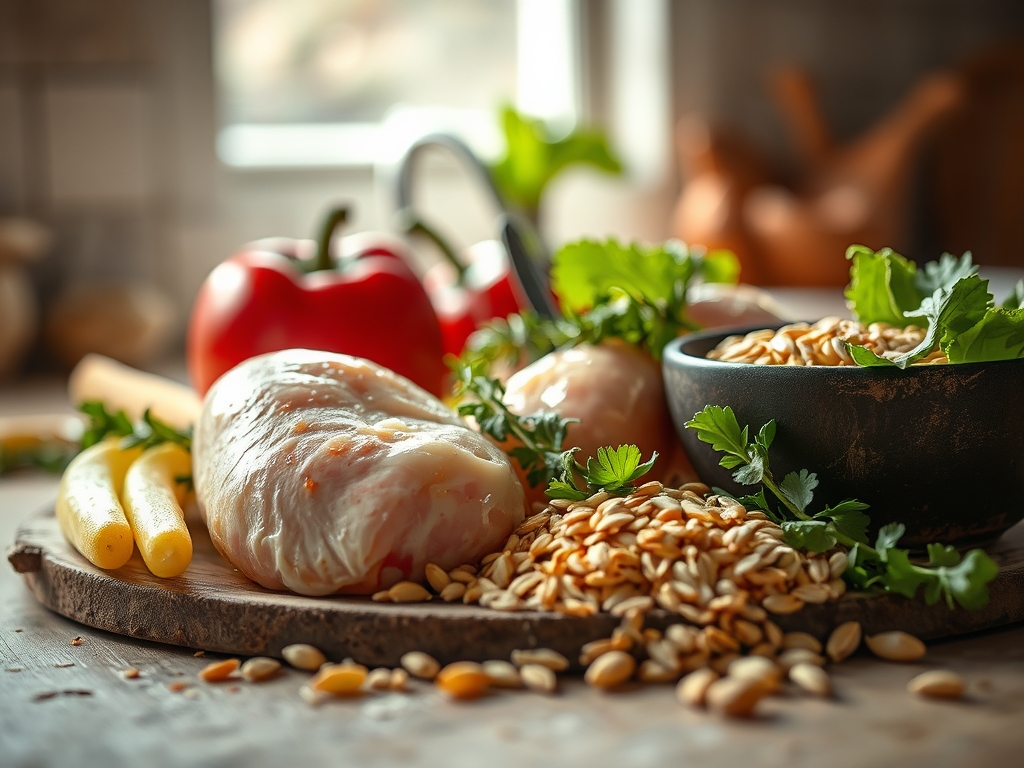
The Gathers:
To execute these simple chicken recipes ideas, your mise-en-place must be precise. Start with high-quality poultry; look for air-chilled birds which lack the excess water weight of brine-injected alternatives. You will need a viscous fat source like avocado oil for high-heat searing or clarified butter for a piquant, rich finish. Fresh aromatics are non-negotiable. We are talking about garlic cloves that still have their papery skins, woody herbs like rosemary and thyme, and bright citrus to provide the necessary acid to cut through the lipids.
Smart Substitutions:
If you lack fresh shallots, use the white parts of green onions for a similar sulfurous bite. No dry white wine for deglazing? A splash of verjus or even a diluted apple cider vinegar will provide that essential bright lift. If you are out of heavy cream for a pan sauce, a dollop of full-fat Greek yogurt added off the heat will create a beautiful emulsification without the risk of curdling. Always keep a digital scale nearby to ensure your dry rubs are balanced; consistency is the hallmark of a pro.
The Clock: Chef's Flow
Efficiency in the kitchen is about managing the "Chef's Flow." This means identifying which tasks are passive and which are active. For these simple chicken recipes ideas, the active prep time is a lean 15 minutes. This involves the breakdown of aromatics with a sharp chef's knife and the seasoning of the proteins. The "dead time" occurs during the sear or the roast, usually spanning 12 to 22 minutes depending on the thickness of the cut.
Always factor in the "Resting Phase." This is the most overlooked part of the clock. If you cut into a chicken breast the second it leaves the pan, the internal pressure will force all those precious juices onto the cutting board. By allowing a 5 to 7 minute rest, you allow the muscle fibers to relax and reabsorb the moisture. Total time from fridge to table? Under 40 minutes. That is faster than most delivery apps and infinitely more satisfying.
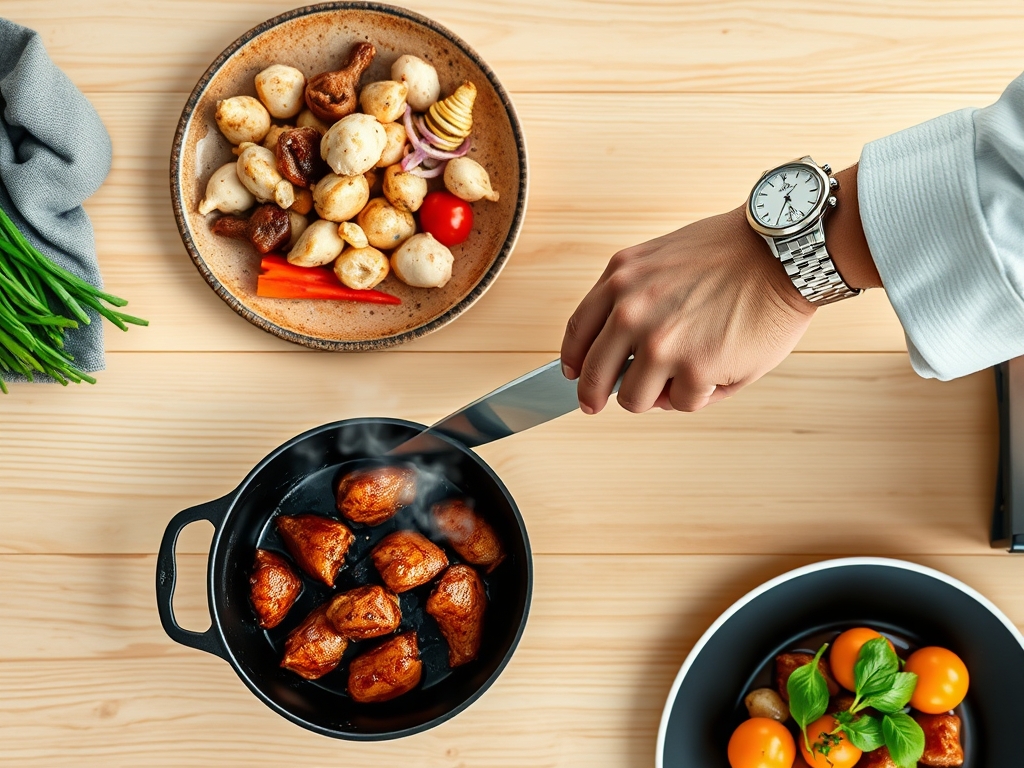
The Masterclass:
1. The Perfect Sear
Pat the chicken skin bone-dry with paper towels. This removes surface moisture that would otherwise turn to steam and prevent browning. Place the meat in a pre-heated heavy-bottomed skillet with a high-smoke-point oil. Press down firmly with a bench scraper or a heavy press to ensure maximum surface contact.
Pro Tip: This is the science of thermal conduction. By removing moisture and applying pressure, you accelerate the Maillard reaction, creating a crisp crust that seals in the internal moisture.
2. The Aromatics Infusion
Once you flip the chicken, toss in smashed garlic, butter, and thyme. Use a large spoon to baste the hot, bubbling fat over the cooked side of the meat. This is called "Arroser."
Pro Tip: Fats are incredible flavor carriers. This process allows the fat-soluble compounds in the herbs to infuse directly into the crust of the meat, deepening the flavor profile instantly.
3. The Deglaze
Remove the chicken and look at the brown bits stuck to the pan. That is "fond," and it is pure gold. Pour in a splash of stock or wine and use a wooden spoon to scrape it up.
Pro Tip: This is a chemical extraction. The liquid acts as a solvent, lifting the caramelized proteins and sugars into a concentrated, viscous sauce that coats the back of a spoon.
4. The Gentle Finish
If using thicker cuts, transfer the pan to a 400-degree oven. Use a digital thermometer to pull the meat when it hits 160 degrees Fahrenheit.
Pro Tip: This accounts for thermal carryover. The internal temperature will continue to rise by 5 degrees while resting, bringing it to the food-safe and perfectly juicy 165-degree mark.
5. The Acid Brightening
Just before serving, use a microplane to zest fresh lemon over the dish and add a squeeze of juice.
Pro Tip: Acid acts as a flavor "highlighter." It balances the richness of the rendered fats and stimulates the salivary glands, making every subsequent bite taste as vibrant as the first.
6. The Emulsified Pan Sauce
Whisk a cold knob of butter into your deglazed liquid off the heat until it becomes glossy and thick.
Pro Tip: This is creating a suspension. The cold butter slowly melts into the hot liquid, creating a stable emulsion that provides a luxurious mouthfeel without the sauce breaking into a greasy mess.
The Deep Dive:
From a macro perspective, chicken is a lean protein powerhouse. A standard 6-ounce serving provides roughly 50 grams of protein with minimal saturated fat. For those following a Keto lifestyle, keep the skin on to boost the healthy lipid profile. If you are Vegan, these same pan-searing and deglazing techniques work beautifully with "meaty" mushrooms like King Oysters or Lion's Mane. For Gluten-Free diners, ensure your chicken stock is certified and swap any flour-based thickeners for a cornstarch slurry or a cold butter whisk-in.
The Fix-It:
If your chicken is "rubbery," you likely overcooked it; use a thermometer next time. If the skin is "flabby," your pan wasn't hot enough or you crowded the skillet, causing the meat to steam. If the sauce is "broken" (oily), whisk in a teaspoon of warm water or stock to re-bind the emulsion.
Meal Prep:
To maintain "day-one" quality when reheating, avoid the microwave. The high-frequency waves agitate water molecules, leading to "steamed" and tough meat. Instead, reheat in a covered skillet with a tablespoon of water over medium-low heat. This creates a gentle steam bath that restores moisture without overcooking the core.
The Wrap-Up:
You now have the technical blueprint to master simple chicken recipes ideas with the confidence of a seasoned chef. Cooking is not a mystery; it is a series of controlled variables. By focusing on temperature control, moisture management, and the layering of flavors through deglazing and basting, you have graduated from a recipe-follower to a flavor-maker. Go forth, grab those tongs, and make your kitchen the most popular spot in the house!
The Kitchen Table:
How do I prevent chicken from sticking to the pan?
Ensure the pan is fully pre-heated before adding oil. Once the chicken is added, do not move it. The meat will naturally "release" from the surface once the Maillard reaction has sufficiently hardened the crust.
Is it safe to cook chicken from frozen?
It is not recommended for searing as the exterior will overcook before the center thaws. For best results, thaw in the refrigerator overnight to maintain the structural integrity of the muscle fibers and ensure even heat distribution.
What is the best way to season chicken?
Season with kosher salt at least 15 minutes before cooking. This allows the salt to penetrate the fibers through osmosis, seasoning the meat deeply rather than just sitting on the surface of the skin.
Why is my pan sauce always too thin?
You likely didn't reduce the liquid enough before adding your fat. Boil the deglazing liquid until it is reduced by half; this concentrates the flavors and creates a more stable base for your final butter emulsion.