
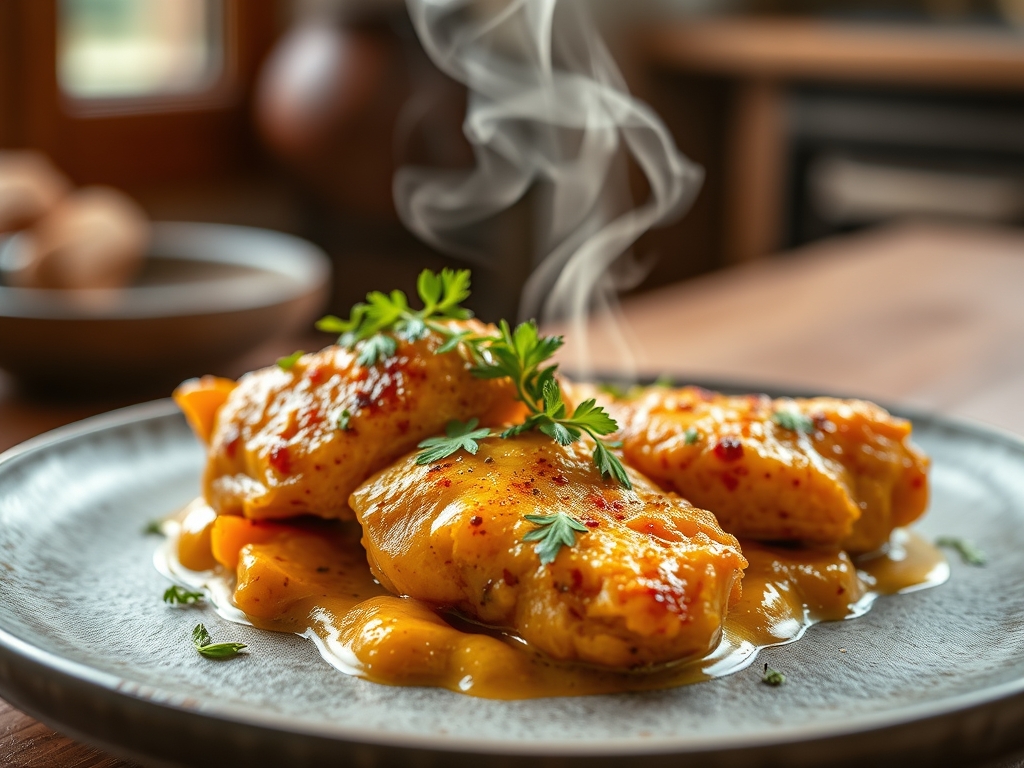
Imagine walking into a kitchen where the air is heavy with the scent of toasted cumin and the sharp, earthy bite of fresh aromatics. Your hands are stained a faint, cheerful gold; a badge of honor from prep. These chicken recipes with turmeric are not just about dinner; they are about a molecular transformation that turns a humble protein into a glowing masterpiece of flavor and function.
I am obsessed with the way a single teaspoon of this golden rhizome can fundamentally alter the profile of a dish. It is not just the color, though that vibrant hue is certainly a mood lifter. It is the way the curcumin interacts with fats and heat to create a deep, resonant warmth that lingers on the palate. Whether you are searing thighs in a heavy bottomed skillet or simmering a delicate breast in a silken coconut broth, you are engaging in a beautiful bit of kitchen chemistry. We are going to explore seven distinct ways to harness this power, ranging from crispy skin techniques to slow braises that melt off the bone. Grab your apron and your favorite microplane; we are about to turn your kitchen into a high end laboratory of flavor.
The Gathers:
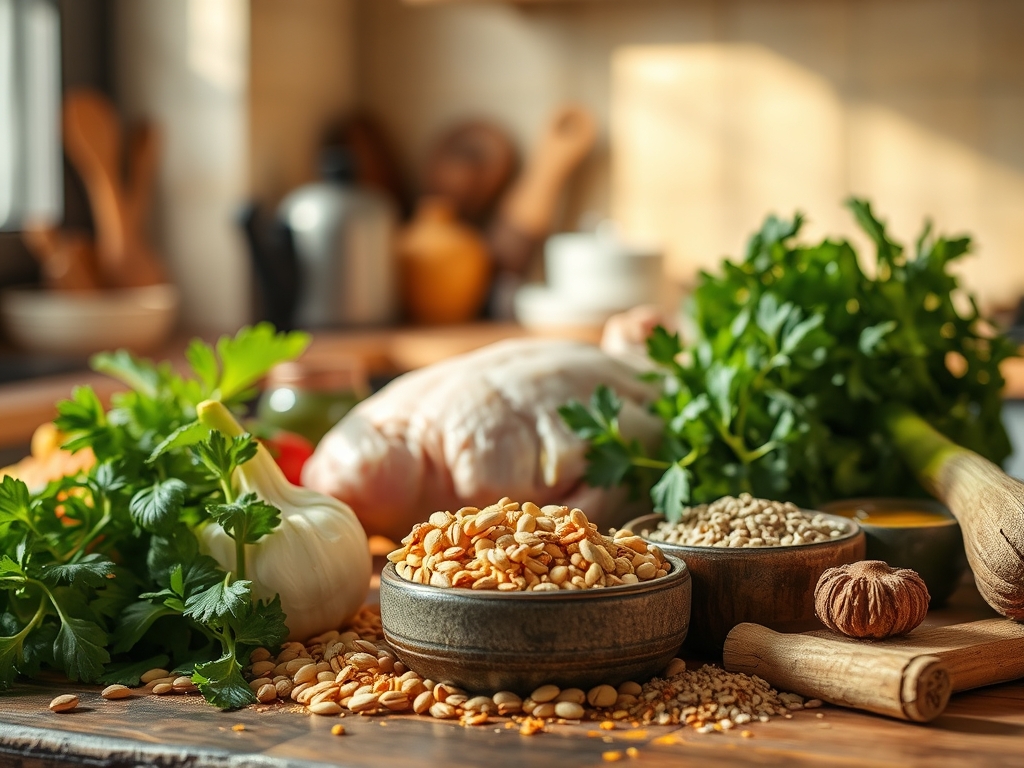
To execute these chicken recipes with turmeric properly, your mise en place must be precise. We are looking for a balance of lipids, acids, and dry aromatics. Start with your protein: organic, air chilled chicken is preferred because it has less water content, allowing for better Maillard reaction. You will need high quality ground turmeric with at least three percent curcumin content for that signature punch.
Your counter should also hold fresh aromatics like ginger and garlic, which contain sulfur compounds that mellow and sweeten when heated. Do not forget the black pepper; the piperine in pepper increases the bioavailability of turmeric by two thousand percent. For fats, keep grass fed ghee or cold pressed coconut oil nearby. These have high smoke points and provide a viscous mouthfeel that carries the fat soluble pigments of the spice.
Smart Substitutions:
If you cannot find fresh turmeric root, use a ratio of one tablespoon fresh grated to one teaspoon dried powder. If you are avoiding nightshades, swap out the paprika for a pinch of saffron to maintain that golden glow without the capsaicin heat. For a citrus hit, if lemons are too sharp, use dried lime powder (loomi) to add a fermented, musky acidity that pairs beautifully with earthy spices.
The Clock
Efficiency in the kitchen is all about the Chef's Flow. This is the art of overlapping tasks so that no second is wasted while the pan is heating. For these recipes, expect a total active prep time of twenty minutes and a cook time ranging from fifteen to forty five minutes depending on the cut of meat.
The flow starts with the dry rub. Applying salt and turmeric at least thirty minutes before cooking allows for osmotic pressure to pull the seasoning into the muscle fibers. While the chicken rests, you use your bench scraper to clear your board and prep your aromatics. By the time your heavy bottomed skillet is shimmering with heat, your mise en place is staged and ready. This prevents the frantic chopping that leads to uneven cooking or, worse, scorched spices.
The Masterclass
1. The Dry Brine and Temper
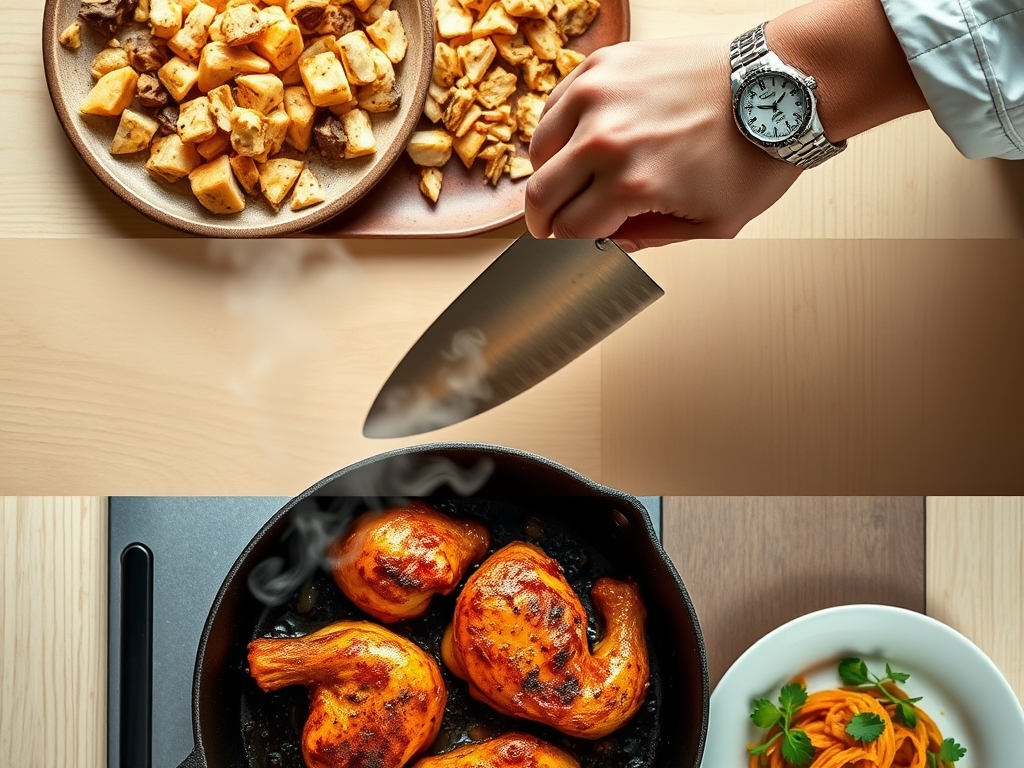
Pat the chicken dry with paper towels to remove surface moisture. Dust evenly with salt, pepper, and turmeric. Let the meat sit at room temperature for twenty minutes.
Pro Tip: This process is called tempering. By bringing the meat closer to room temperature, you ensure the muscle fibers do not contract violently when hitting the hot pan, which results in a much more tender final texture.
2. The Sear and Render
Place the chicken skin side down in a cold skillet, then turn the heat to medium high. Use your tongs to press the skin firmly against the metal.
Pro Tip: Starting in a cold pan allows the subcutaneous fat to render slowly. This leads to an incredibly crispy skin without overcooking the delicate protein underneath, a process known as thermal gradient management.
3. The Aromatic Infusion
Once the chicken is flipped, drop in your smashed garlic, ginger, and a knob of ghee. Use a large spoon to baste the foaming fat over the chicken.
Pro Tip: This is fat-soluble extraction. Turmeric and other spices release their aromatic compounds more effectively in hot lipids than in water, creating a more complex flavor profile than simply boiling or steaming.
4. The Deglaze
Remove the chicken and pour a splash of white wine or bone broth into the hot pan. Use a wooden spoon to scrape up the browned bits at the bottom.
Pro Tip: Those brown bits are the result of the Maillard reaction. Deglazing creates a pan sauce that captures these concentrated flavor molecules, turning a simple sear into a professional grade sauce.
5. The Gentle Braise
Return the chicken to the pan, add your liquid (like coconut milk), and reduce the heat to a simmer. Cover with a tight fitting lid.
Pro Tip: Maintaining a low temperature prevents the proteins from denaturing too quickly. A slow simmer keeps the moisture locked inside the cell walls, ensuring the chicken remains succulent rather than rubbery.
6. The Acid Finish
Just before serving, squeeze fresh lime juice over the dish and toss in a handful of chopped cilantro or mint.
Pro Tip: Acid acts as a flavor brightener. It cuts through the heavy lipids and the earthiness of the turmeric, providing a high frequency note that balances the deep, savory base of the chicken.
7. The Resting Period
Transfer the chicken to a warm plate and let it rest for five to ten minutes before slicing.
Pro Tip: This allows for thermal carryover. The internal temperature will continue to rise by about five degrees, and the juices will redistribute throughout the meat instead of spilling out onto the cutting board.
The Deep Dive
When we look at the macro nutrition of these chicken recipes with turmeric, we see a powerhouse of lean protein and anti inflammatory compounds. A standard serving provides roughly thirty grams of protein with minimal carbohydrates, making it an ideal choice for metabolic health.
Dietary Swaps:
For a vegan version, swap the chicken for extra firm tofu or cauliflower steaks. Use the same dry rub technique, but decrease the cooking time as plant proteins do not require the same breakdown of connective tissue. For Keto followers, increase the ghee or coconut milk to boost the healthy fat ratios.
The Fix-It:
- Bitter Aftertaste: This happens if the turmeric is scorched. Fix it by adding a touch of honey or maple syrup to balance the bitterness with sweetness.
- Grainy Sauce: This occurs if the spices did not bloom in fat. Fix it by whisking in a teaspoon of cold butter or heavy cream to emulsify the sauce.
- Pale Chicken: This is a lack of Maillard reaction. Fix it by ensuring your pan is hot enough and you are not overcrowding the skillet, which causes the meat to steam instead of sear.
Meal Prep:
To maintain "day one" quality, reheat your turmeric chicken in a saucier over low heat with a tablespoon of water or broth. This creates a small amount of steam that rehydrates the protein without toughening the fibers in a microwave.
The Wrap-Up
Mastering chicken recipes with turmeric is like unlocking a secret level of culinary skill. You are balancing ancient wisdom with modern food science to create something that is as nourishing as it is delicious. Remember to trust your senses; watch for that golden oil to separate, smell the change from raw spice to toasted aroma, and always let your meat rest. Your kitchen is now a place of vibrant color and incredible health. Go forth and glow!
The Kitchen Table
Can I use turmeric powder instead of fresh root?
Yes, use one teaspoon of dried turmeric for every tablespoon of fresh. The powder is more concentrated, so it provides a potent color and earthy flavor that integrates easily into dry rubs and sauces.
Why did my turmeric chicken turn out bitter?
Bitterness usually results from burning the spices in dry heat. Always "bloom" your turmeric in a fat like oil or ghee over medium heat to release flavors safely without scorching the delicate organic compounds.
How do I get the yellow stains off my counter?
Turmeric contains strong pigments. Create a paste of baking soda and water, let it sit on the stain for fifteen minutes, then scrub. For skin, a bit of vegetable oil or makeup remover usually does the trick.
What is the best way to store leftovers?
Store in an airtight glass container for up to four days. Glass is preferable because turmeric can permanently stain plastic containers. Reheat gently on the stovetop with a splash of liquid to maintain moisture.