
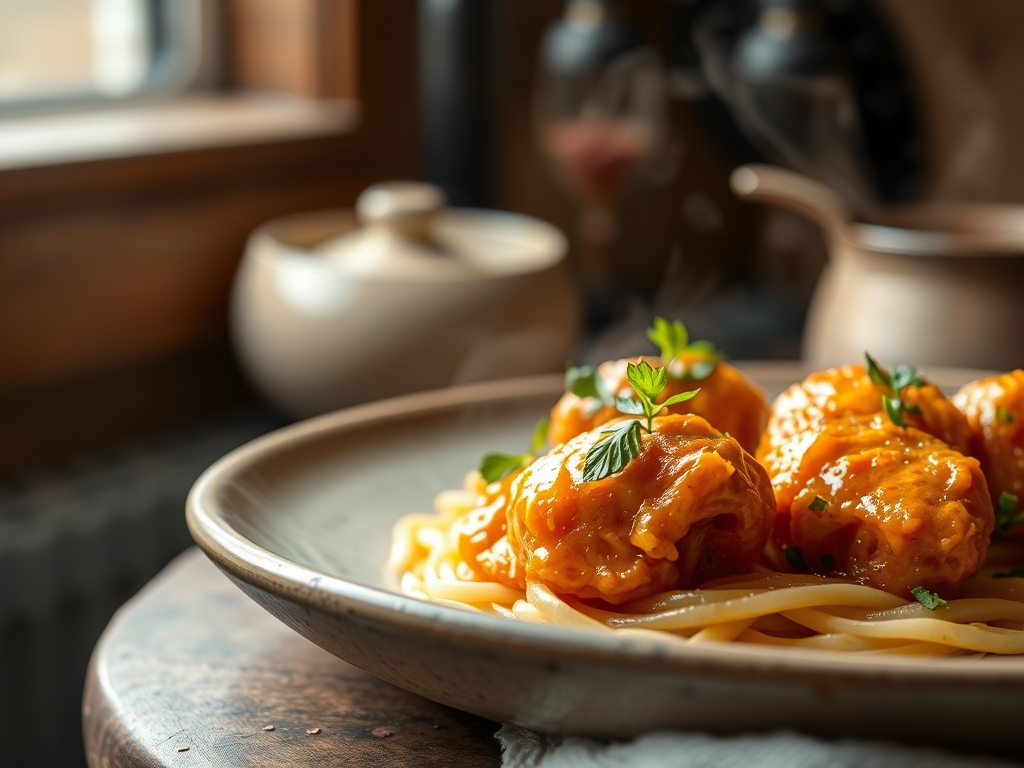
Close your eyes and listen to the sound of a heavy-bottomed skillet meeting a high-flame burner. That rhythmic sizzle is the heartbeat of a kitchen about to transform basic poultry into something legendary. We have all been there; scrolling through endless good orange chicken recipes while nursing a craving for that perfect balance of citrus and crunch. But let's be honest: most home versions end up as soggy, over-sweetened disappointments that lack the punch of a professional wok. Today, we are changing that. We are moving beyond the bottled sauces and the rubbery breading to master the art of the perfect glaze. This isn't just about following a list of instructions; it is about understanding the molecular chemistry of a piquant sauce and the physics of a double-fry. By the time we are done, your kitchen will smell like a high-end bistro, and your takeout app will start feeling very lonely. We are chasing that elusive, glass-like coating that stays crispy even after it is tossed in a viscous, vibrant orange reduction.
The Gathers:
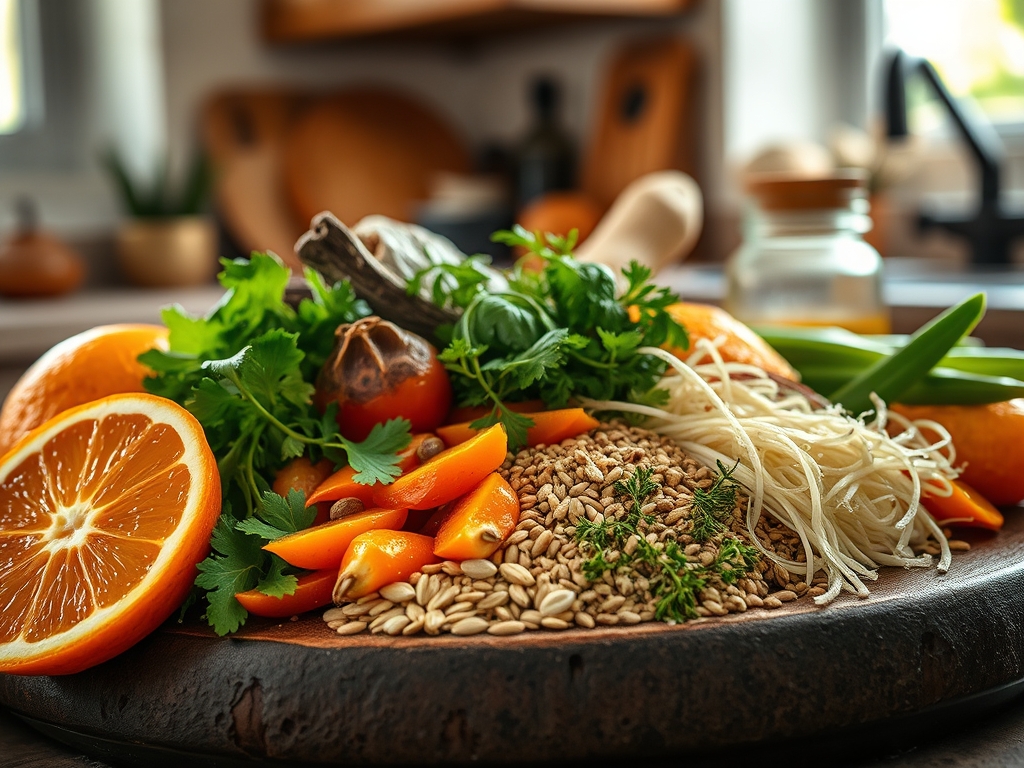
To achieve the gold standard of good orange chicken recipes, your mise-en-place must be precise. Start with boneless, skinless chicken thighs rather than breasts. Thigh meat contains more connective tissue and fat, which ensures the protein remains succulent during high-heat frying. For the coating, you need a 2:1 ratio of cornstarch to all-purpose flour. This creates a high-surface-area crust that traps air and resists moisture.
Your aromatics are the soul of this dish. Use a microplane to zest three large Navel oranges; you want the zest to be fine enough to infuse the oil without becoming bitter. Fresh ginger and garlic must be minced finely using a sharp chef's knife or a garlic press to ensure they melt into the sauce. For the liquid base, gather fresh-squeezed orange juice, rice vinegar for acidity, and dark soy sauce for that deep umami undertone.
Smart Substitutions: If you are avoiding gluten, swap the all-purpose flour for white rice flour; it actually provides a superior "shatter-crisp" texture. For a lower glycemic index, replace refined white sugar with honey or agave, though be mindful that honey will caramelize faster due to its fructose content. If you lack a traditional wok, a cast-iron skillet is your best friend because its high thermal mass prevents temperature drops when the cold chicken hits the oil.
The Clock: 45 Minutes to Perfection
The "Chef's Flow" is all about overlapping tasks to maximize efficiency. You will spend roughly 15 minutes on prep: cubing the chicken, zesting the citrus, and whisking the sauce components. The "active" cooking time is 20 minutes, split between the frying cycles and the sauce reduction. The final 10 minutes are reserved for the "glaze-and-serve" phase.
Professional kitchens rely on a "staggered start." While your chicken marinates in a splash of soy sauce and white pepper, you should be reducing your orange base in a saucier. This allows the water content in the juice to evaporate, concentrating the natural sugars before the chicken ever touches the pan. This synchronization ensures that the chicken is at its peak crispness the exact moment the sauce reaches its ideal viscosity.
The Masterclass:
1. The Velvet Marinate
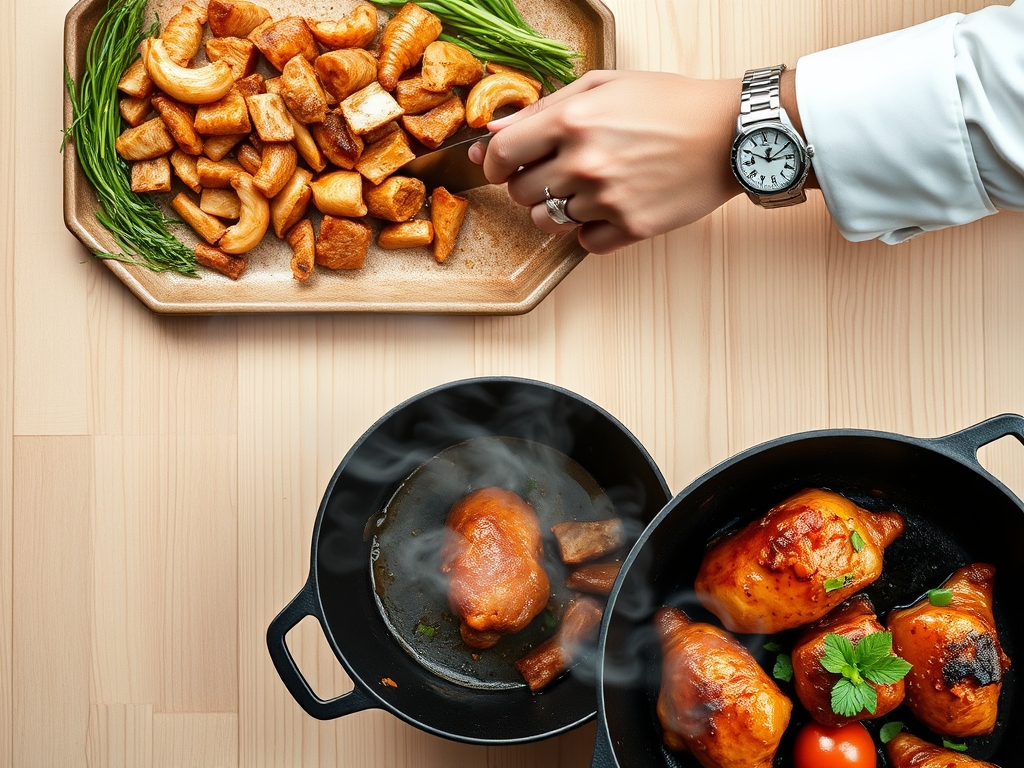
Toss your chicken cubes in a mixture of egg white, soy sauce, and a pinch of baking soda. Let this sit for 15 minutes while you prep the aromatics.
Pro Tip: This technique, known as velveting, uses the alkaline nature of baking soda to raise the pH level on the surface of the meat. This prevents the muscle fibers from tightening up when exposed to heat, resulting in a tender, "silk-like" interior.
2. The Aerated Dredge
Whisk your cornstarch and flour with a heavy dose of black pepper. Dredge the marinated chicken, pressing the powder into the meat to create small "crags" and "nooks."
Pro Tip: These irregular surfaces increase the total surface area. When fried, these crags create more sites for the Maillard reaction, leading to a more complex flavor profile and a crunchier exterior.
3. The First Fry
Heat your oil to 325 degrees Fahrenheit. Use a digital thermometer to be precise. Fry the chicken in batches for 3-4 minutes until pale gold.
Pro Tip: This initial fry is about cooking the protein through and setting the starch structure. If you crowd the pan, the oil temperature will plummet, causing the coating to absorb grease rather than repel it.
4. The Flash Second Fry
Increase the oil temperature to 375 degrees Fahrenheit. Return all the chicken to the oil for a quick 60-second "flash fry" until deep golden brown.
Pro Tip: This second fry triggers moisture migration. It drives out any remaining water in the crust, leaving behind a rigid, glass-like structure that stays crunchy even after being coated in sauce.
5. Infusing the Aromatics
In a clean skillet, heat a tablespoon of neutral oil. Add the ginger, garlic, and red pepper flakes, stirring constantly for 30 seconds.
Pro Tip: This is called blooming. Fat-soluble flavor compounds in the aromatics are released into the oil, ensuring the heat and spice are evenly distributed throughout the final dish.
6. The Glaze Reduction
Pour in your orange juice mixture. Bring it to a vigorous boil and let it reduce by half until it coats the back of a spoon.
Pro Tip: As water evaporates, the sugar concentration increases, leading to caramelization. This thickens the sauce naturally, though a small cornstarch slurry can be used for that classic "takeout" sheen.
7. The Final Emulsification
Turn off the heat. Toss the crispy chicken into the sauce along with the fresh orange zest and a teaspoon of toasted sesame oil.
Pro Tip: Adding the zest at the very end preserves the volatile oils. High heat destroys the delicate citrus aromas, so the "off-heat toss" ensures the brightest flavor possible.
The Deep Dive
When we look at the macro nutrition of good orange chicken recipes, the primary focus is the balance of protein and carbohydrates. A standard serving provides roughly 35g of protein. To keep it lighter, you can "air-fry" the chicken at 400 degrees, though you will lose some of that traditional "shatter-crisp" texture. For a Keto-friendly version, use xanthan gum as a thickener and crushed pork rinds mixed with almond flour for the breading. Vegan enthusiasts can substitute the chicken with extra-firm tofu that has been frozen and thawed; this process creates "meat-like" pockets that soak up the sauce beautifully.
The Fix-It: Troubleshooting Your Sauce
- Too Thin: If your sauce is watery, whisk one teaspoon of cornstarch with one teaspoon of cold water and stir it into the boiling sauce. This creates a colloidal suspension that thickens the liquid instantly.
- Too Sweet: Balance the sugar with a teaspoon of rice vinegar or a squeeze of fresh lime juice. The acid cuts through the glucose.
- Soggy Chicken: This happens when the sauce is too watery or the chicken wasn't fried twice. Always ensure the sauce is "syrupy" before adding the protein.
Meal Prep Science: To reheat orange chicken without it turning into a mushy mess, avoid the microwave. The microwave vibrates water molecules, which softens the crust. Instead, use an air fryer or a toaster oven at 350 degrees for 5 minutes. This re-activates the fats in the coating, restoring the crunch.
The Wrap-Up
Mastering good orange chicken recipes is a rite of passage for any home cook who loves bold, vibrant flavors. It is a beautiful dance between high-heat chemistry and delicate citrus notes. By focusing on the double-fry technique and the reduction of your glaze, you are elevating a humble weeknight meal into a culinary event. Remember: the secret is in the temperature control and the timing of your aromatics. Now, grab your tongs, fire up that skillet, and prepare to ruin takeout for yourself forever. You have the science; now go make some magic.
The Kitchen Table
How do I make the chicken extra crispy?
The secret is the double-fry method. Fry once at a lower temperature to cook the meat, then a second time at a higher temperature to dehydrate the crust. This creates a rigid, long-lasting crunch that stands up to the sauce.
Can I use bottled orange juice?
You can, but fresh juice is superior. Bottled juice is often pasteurized at high heat, which dulls the bright, acidic notes. If using bottled, add extra fresh zest to the finished sauce to restore those lost volatile citrus oils.
Why is my orange chicken sauce bitter?
Bitterness usually comes from zesting too deeply into the orange. Only use the bright orange outer layer; the white part underneath, called the pith, contains bitter alkaloids that will ruin the flavor profile of your delicate glaze.
What is the best oil for frying chicken?
Use a neutral oil with a high smoke point, such as peanut, canola, or grapeseed oil. These oils can withstand the 375-degree "flash fry" without breaking down or imparting "off" flavors to your crispy chicken coating.