
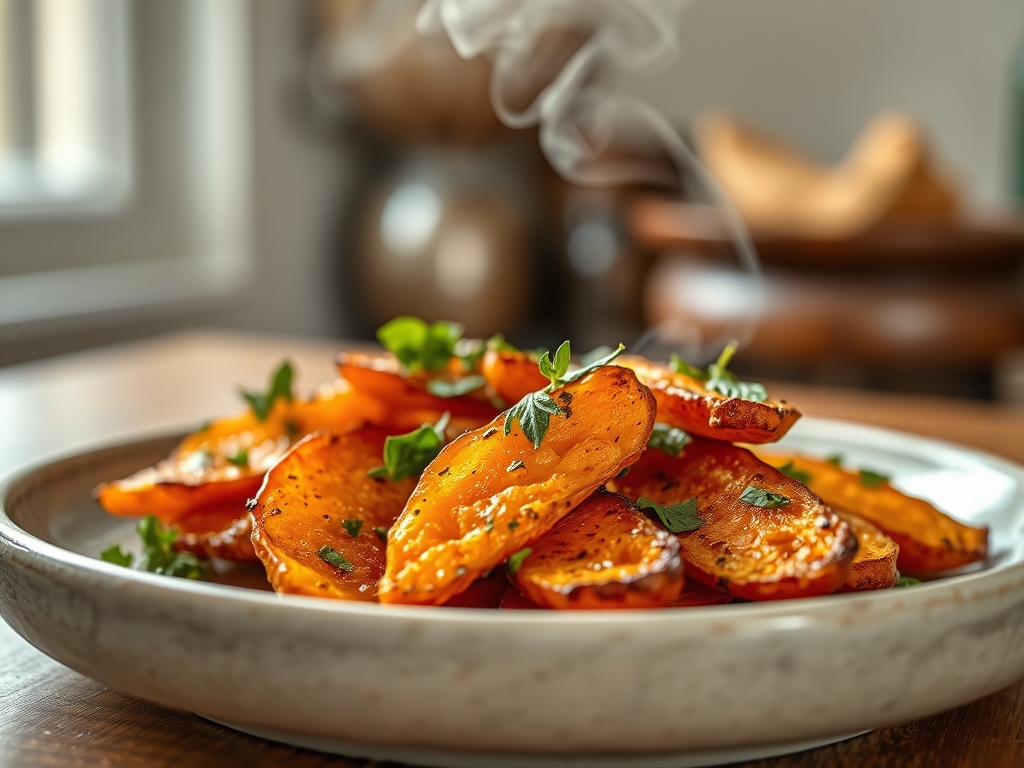
Listen to that sound. It is the distinct, percussive shatter of a perfectly caramelized crust meeting the soft, velvet interior of a root vegetable. If your past attempts at crispy sweet potato recipes have resulted in a sad, soggy pile of orange mush, we are about to change your culinary trajectory forever. The humble Ipomoea batatas is a complex specimen; it is packed with natural sugars and high moisture content, which are the twin enemies of structural integrity. Achieving that elusive, glass-like exterior requires more than just high heat. It requires a fundamental understanding of starch gelatinization and the Maillard reaction. We are moving beyond basic roasting into the realm of architectural vegetable engineering. Grab your favorite apron and a sharp chef's knife. We are diving into the molecular mechanics of crunch, transforming these tubers into golden, savory masterpieces that defy the laws of humidity. By the time we are finished, you will possess the technical prowess to manipulate moisture levels and sugar caramelization like a seasoned professional.
The Gathers:
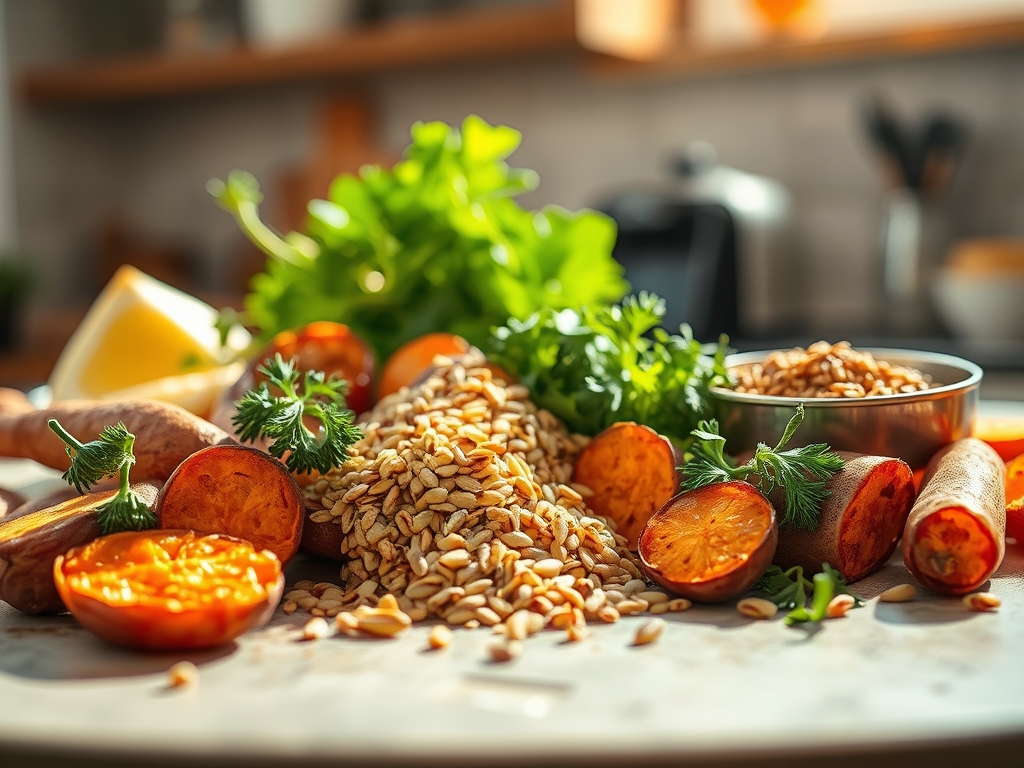
To execute these crispy sweet potato recipes with precision, your mise-en-place must be immaculate. Start with firm, jewel-toned Garnet or Beauregard potatoes. These varieties possess the ideal sugar-to-starch ratio for high-heat applications. You will need a high-smoke-point lipid; avocado oil or clarified butter (ghee) are superior because they do not break down and acridize at 425 degrees Fahrenheit.
For the dry components, gather cornstarch or arrowroot powder. These fine particulates act as a desiccant, absorbing surface moisture to create a brittle, aerated crust. You will also need kosher salt for its jagged crystal structure and a piquant element like smoked paprika or cayenne to balance the inherent sweetness.
Smart Substitutions: If you are avoiding nightshades, swap the paprika for ground sumac to maintain that vibrant red hue and acidic bite. For those monitoring glycemic impact, you can substitute the starch coating with finely ground pork rinds or almond flour, though the texture will be more granular than glassy. Always use a digital scale for your dry ingredients to ensure a consistent coating-to-surface-area ratio.
The Clock:
Efficiency in the kitchen is governed by "Chef's Flow," the art of overlapping tasks to minimize downtime. Total preparation time for these hacks is approximately 15 minutes, while the thermal transformation takes 25 to 35 minutes depending on your oven's convection capabilities.
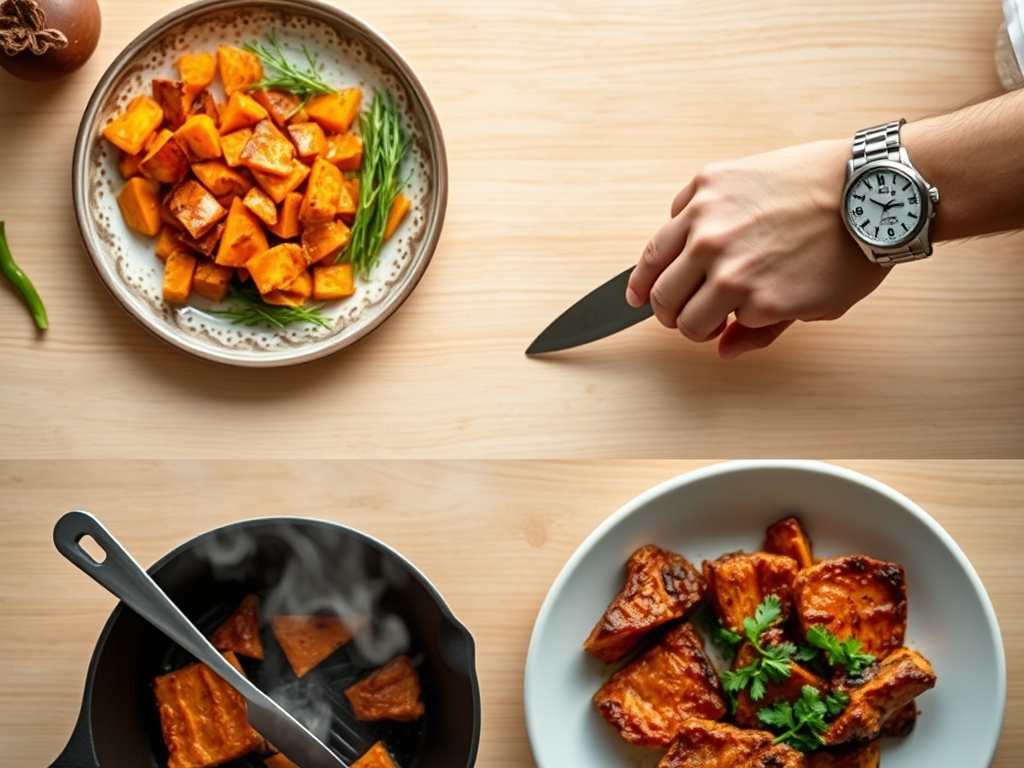
Begin by preheating your oven and your heavy-bottomed skillet or baking sheet simultaneously. This "pre-charging" of the cooking surface ensures immediate heat transfer the moment the potatoes make contact. While the metal absorbs energy, you will perform your knife work. Use a bench scraper to quickly move your precise cubes into a cold-water bath. This sequence allows the potatoes to shed excess surface starch while the oven reaches the critical temperature required for rapid evaporation.
The Masterclass:
1. The Cold Water Shock
Submerge your sliced potatoes in an ice-cold water bath for at least ten minutes. This process removes the external amylose starch that typically leads to a gummy, sticky exterior.
Pro Tip: This step prevents enzymatic browning by limiting the potato's exposure to oxygen. It also ensures the surface remains taut, allowing for a more uniform application of oils later.
2. The Total Desiccation
Drain the potatoes and pat them dry with surgical precision using lint-free kitchen towels. Any residual surface moisture will turn to steam in the oven, effectively poaching the potato from the outside in rather than roasting it.
Pro Tip: Use a microplane to zest a hint of lime over the dry potatoes now. The citrus oils provide an aromatic top note without adding the water weight of juice, which would compromise the crunch.
3. The Starch Dusting
Toss the dry potatoes in a bowl with a light coating of arrowroot or cornstarch. You want a translucent veil, not a thick paste. This creates a sacrificial layer that fries in the oil, protecting the interior flesh.
Pro Tip: This technique exploits starch gelatinization. The starch granules swell and then dehydrate into a rigid, honeycomb structure that provides the ultimate "shatter" effect.
4. The Lipid Infusion
Drizzle your high-smoke-point oil over the starched potatoes. Use your hands to ensure every millimeter of surface area is coated. The oil acts as a heat conductor, distributing thermal energy evenly across the irregular surfaces of the potato.
Pro Tip: This creates an emulsification on the surface. The oil prevents the starch from clumping, ensuring a smooth, professional finish rather than a chalky one.
5. The Pre-Heated Launch
Carefully spread the potatoes onto your screaming-hot baking sheet. Use tongs to ensure no two pieces are touching. Overcrowding the pan creates a localized humid microclimate, which is the death of crispiness.
Pro Tip: This immediate contact triggers the Leidenfrost effect briefly, where a layer of vapor prevents the potato from sticking to the metal while the crust instantly sets.
6. The Convection Rotation
Flip the potatoes halfway through the cooking cycle. If you are using a standard oven, rotate the pan 180 degrees to account for uneven heating elements.
Pro Tip: This manages thermal carryover. By rotating, you ensure the internal sugars caramelize at the same rate the exterior dehydrates, preventing burnt edges and raw centers.
7. The Post-Heat Seasoning
Season with salt and spices the second they emerge from the oven. The residual heat allows the salt crystals to adhere to the remaining oil before it cools and solidifies.
Pro Tip: Avoid seasoning with salt before cooking, as salt is a hygroscopic agent that draws moisture out of the vegetable, which can lead to steaming during the roasting process.
The Deep Dive:
From a macro perspective, sweet potatoes are nutritional powerhouses, offering high levels of Beta-Carotene and Vitamin A. When prepared using these crispy sweet potato recipes, you are maintaining the fiber integrity while adding healthy fats from the avocado oil.
For dietary swaps, vegans can utilize nutritional yeast for a "cheesy" umami hit without dairy. Keto followers should stick to smaller portions and use a collagen-based dusting instead of starch. If you are Gluten-Free, ensure your spices are certified, as some anti-caking agents contain wheat derivatives.
The Fix-It:
- Soggy Results: You likely overcrowded the pan. Use two sheets next time to allow for proper airflow.
- Burnt Sugars: Your oven rack was too high. Move it to the center position to balance radiant heat from the top and bottom.
- Bland Flavor: You didn't use enough acid. A tiny splash of apple cider vinegar in the soaking water can brighten the entire profile.
For meal prep, never microwave your leftovers. The microwave vibrates water molecules, turning your crispy masterpiece into a sponge. Instead, use an air fryer or a saucier on the stovetop for three minutes to re-dehydrate the crust and restore day-one quality.
The Wrap-Up:
Mastering crispy sweet potato recipes is a rite of passage for any serious home cook. It is a beautiful marriage of chemistry and craft; a reminder that with the right technique, even the most basic ingredients can be elevated to gourmet status. You now have the tools to manipulate texture and flavor like a pro. Go forth, preheat that pan, and let the crunch be heard across the neighborhood!
The Kitchen Table:
Why are my sweet potato fries always soggy?
Soggy fries usually result from excess surface moisture or overcrowding the pan. When potatoes are too close, they release steam that softens their neighbors. Always pat them bone-dry and give each piece plenty of "personal space" on the baking sheet.
Do I really need to soak them in water?
Yes. Soaking removes excess surface starch that causes sticking and burning. It also hydrates the interior cells, which leads to a better contrast between the creamy center and the brittle exterior once the high heat is applied.
What is the best oil for crispy sweet potatoes?
Use oils with high smoke points like avocado oil, grapeseed oil, or ghee. Avoid extra virgin olive oil for high-heat roasting, as it can break down and create bitter flavors at the temperatures required for maximum crunch.
Can I make these without cornstarch?
You can, but the crunch will be less pronounced. Arrowroot powder or potato starch are excellent alternatives. If you skip starch entirely, ensure your oven is at least 425 degrees to encourage rapid surface dehydration through heat alone.
How do I reheat them to keep them crispy?
Avoid the microwave at all costs. Reheat your sweet potatoes in an air fryer at 375 degrees for three minutes, or in a hot dry skillet. This evaporates any absorbed moisture and re-crisps the external fat layer perfectly.