
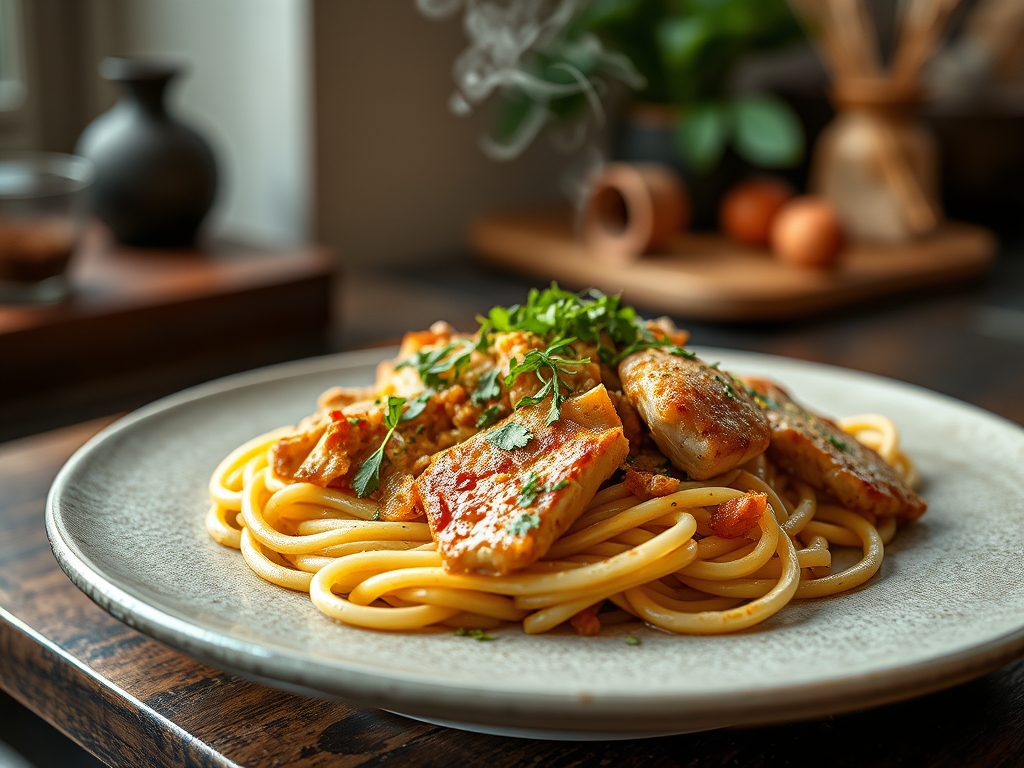
Picture this: a heavy-bottomed skillet resting on your range; its surface is slick with golden fat and the air is thick with the scent of toasted garlic and searing poultry. You are not just making dinner; you are mastering the art of one pot pasta and chicken recipes. This is the ultimate culinary efficiency where starch meets protein in a single, glorious vessel.
The magic of this method lies in the starch. When you cook pasta directly in the sauce, you are not just hydrating wheat; you are creating a viscous, silk-like emulsion that clings to every piece of chicken. There is no colander to wash and no wasted flavor down the drain. Instead, the pasta absorbs the savory juices released by the meat, creating a depth of flavor that a traditional two-pot method simply cannot replicate. It is smart, it is fast, and it is scientifically superior for the home cook who values both their time and their palate. We are going to transform basic pantry staples into a restaurant-quality masterpiece using nothing but heat, timing, and a little bit of chemistry.
The Gathers:
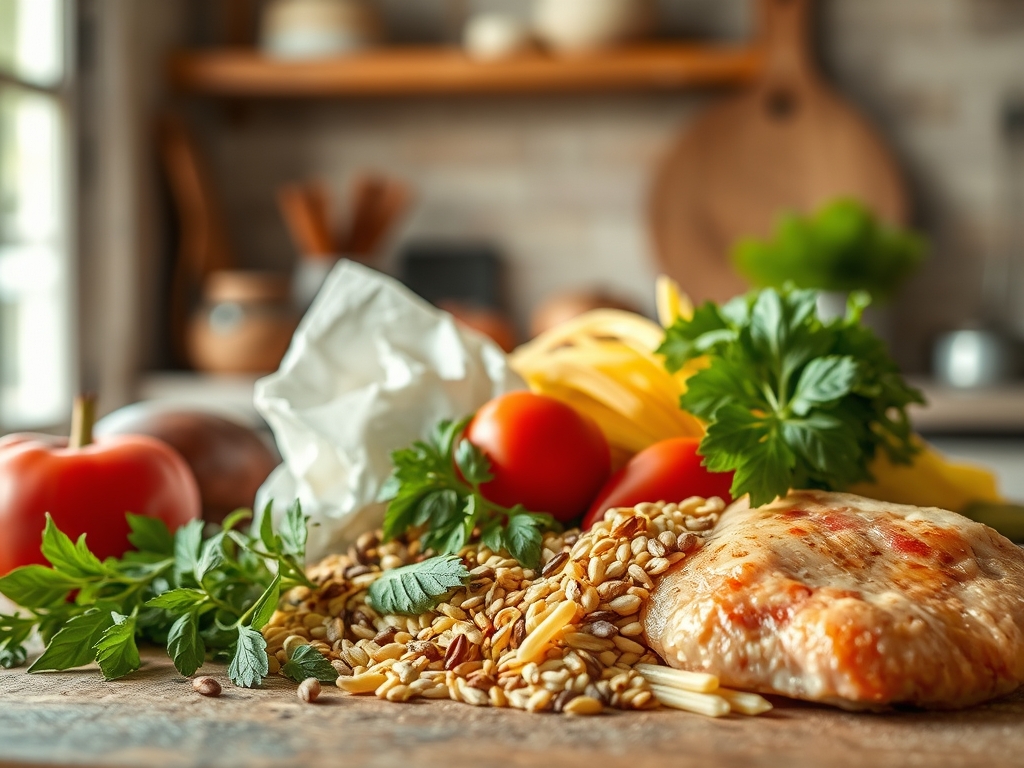
Before we ignite the burner, we must assemble our mise-en-place. Use a digital scale for your pasta to ensure the liquid-to-starch ratio is exact. You will need one pound of boneless, skinless chicken thighs; these are preferred over breasts because they contain more connective tissue that breaks down into gelatin, adding body to your sauce. Your pasta choice matters too. Opt for extruded shapes like penne or rigatoni; their ridges are designed to capture the emulsified fats we are about to create.
For the aromatics, reach for fresh garlic and shallots. Use a microplane to grate your aromatics directly into the pan; this increases the surface area and allows the volatile oils to infuse the oil instantly. You will also need a high-quality chicken stock with low sodium so you can control the salinity of the reduction.
Smart Substitutions: If you are out of shallots, a red onion provides a similar piquant bite. If you need a dairy-free creaminess, swap the heavy cream for full-fat coconut milk or a splash of starchy pasta water blended with soaked cashews. For a gluten-free version, use brown rice pasta, but reduce your stirring frequency to prevent the delicate noodles from breaking apart.
The Clock: Chef's Flow
Efficiency in the kitchen is about the "Chef's Flow." This is the sequence of operations that ensures no heat is wasted. Your total active prep time is 15 minutes, with a cook time of approximately 20 minutes.
The flow begins with the chicken. While your skillet preheats, you dice your protein. As the chicken sears, you mince your aromatics. By the time the meat is browned, your liquid is ready to deglaze. This overlapping schedule means you are never standing idle. Total time from pantry to table is under 40 minutes; a feat made possible by the single-vessel technique.
The Masterclass:
1. The Maillard Sear
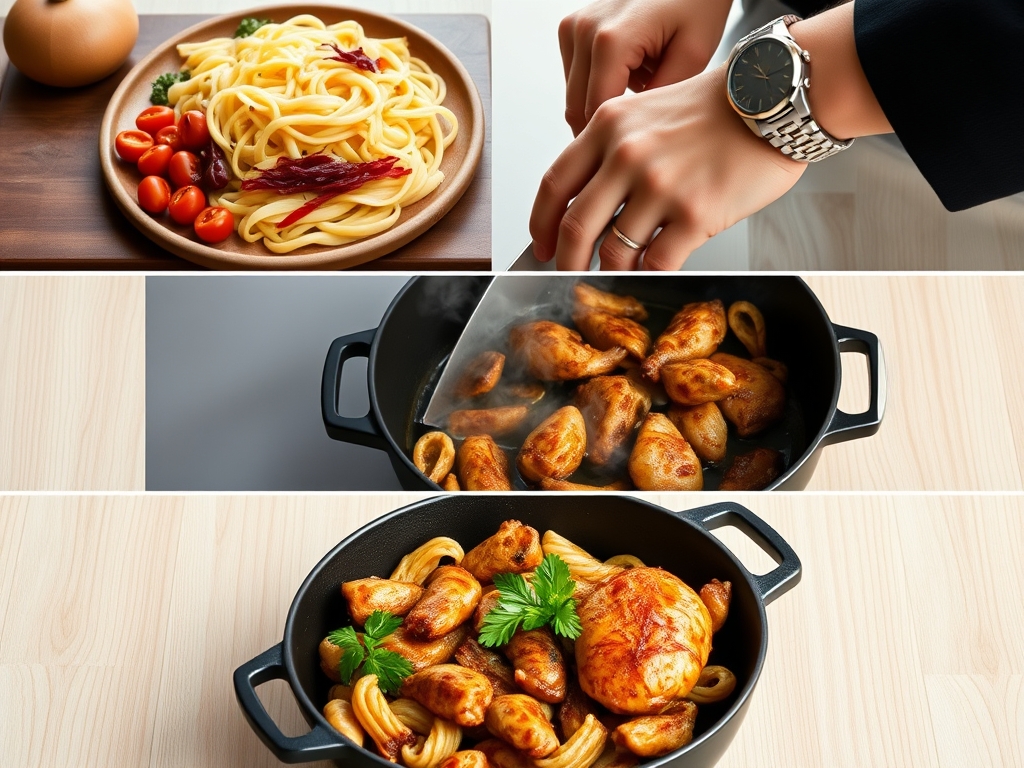
Pat your chicken dry with paper towels. Moisture is the enemy of browning. Heat your heavy-bottomed skillet until the oil shimmers, then add the chicken in a single layer. Do not crowd the pan.
Pro Tip: This step relies on the Maillard reaction, a chemical dance between amino acids and reducing sugars that creates hundreds of flavor compounds. If the pan is too crowded, the chicken will steam in its own moisture rather than sear.
2. Deglazing the Fond
Once the chicken is browned and removed, you will see brown bits stuck to the bottom. This is "fond." Add your aromatics, then pour in a splash of dry white wine or stock. Use a wooden spoon or a bench scraper to lift those bits.
Pro Tip: Deglazing is a solvent-based extraction. The alcohol or acid in your liquid dissolves the caramelized proteins, incorporating deep umami notes back into the liquid base of your one pot pasta and chicken recipes.
3. The Hydration Phase
Add your dry pasta and the remaining stock. The liquid should just barely cover the noodles. Bring to a boil, then immediately drop to a simmer. Use tongs to move the pasta around, ensuring no pieces stick to the floor of the saucier.
Pro Tip: As the pasta hydrates, it releases amylopectin starch into the liquid. This acts as a natural thickener, creating a creamy texture without the need for excessive flour or heavy roux.
4. The Emulsion Finish
When the pasta is al dente, stir in a handful of grated Parmesan and a knob of cold butter. Stir vigorously. This is where the magic happens; the fat from the cheese and butter binds with the starchy water.
Pro Tip: This is the physics of emulsification. The rapid stirring breaks the fat into tiny droplets that are suspended by the starch molecules, resulting in a glossy, stable sauce that won't break on the plate.
The Deep Dive:
Let's talk numbers and nuances. A standard serving of this dish provides roughly 35 grams of protein and 50 grams of complex carbohydrates. It is a balanced fuel source, but you can easily tweak it. For a Keto-friendly version, swap the pasta for zoodles or konjac noodles, but skip the hydration phase and simply toss them in at the end. For vegans, nutritional yeast provides that savory, nutty "cheese" flavor while maintaining the emulsion.
The Fix-It:
- Sauce is too thin: Remove the lid and increase the heat for 2 minutes. The evaporation will concentrate the starches.
- Pasta is crunchy but liquid is gone: Add 1/4 cup of boiling water at a time. Never add cold water; it shocks the starch and ruins the texture.
- Chicken is dry: This is likely due to thermal carryover. Remember that meat continues to cook after being removed from heat. Pull your chicken when it hits 160 degrees Fahrenheit; it will reach the safe 165 mark while resting.
Meal Prep Science: To reheat, add a tablespoon of water or milk before microwaving. This creates a mini-steam chamber that re-hydrates the starch molecules, preventing the pasta from becoming "rubbery" or dry.
The Wrap-Up:
You have officially graduated from basic boiling to culinary chemistry. By leveraging the power of one pot pasta and chicken recipes, you have minimized cleanup while maximizing the molecular potential of your ingredients. This dish is a testament to the fact that you do not need a dozen pans to create a complex, layered meal. You just need the right technique and a little bit of heat. Now, grab your favorite bowl, a generous crack of black pepper, and enjoy the fruits of your very smart labor.
The Kitchen Table:
Can I use chicken breasts instead of thighs?
Yes; however, breasts cook faster and dry out easily. Cut them into larger chunks and add them back to the pot during the last five minutes of pasta simmering to avoid overcooking the lean muscle fibers.
Why is my sauce breaking and looking oily?
This usually happens if the heat is too high when adding cheese. High heat causes proteins in cheese to clump and fats to separate. Always turn the heat to low before whisking in your fats for a smooth emulsion.
What is the best pasta shape for one-pot meals?
Short, tubular shapes like penne, fusilli, or rigatoni are best. They have a sturdy structure that withstands the constant stirring and a high surface area to volume ratio for optimal starch release into your sauce.
Do I need to wash the pasta before cooking?
Absolutely not. Washing pasta removes the surface starch. In one-pot cooking, that starch is your best friend; it is the primary thickening agent that creates a professional, silky sauce consistency without using a heavy roux.