
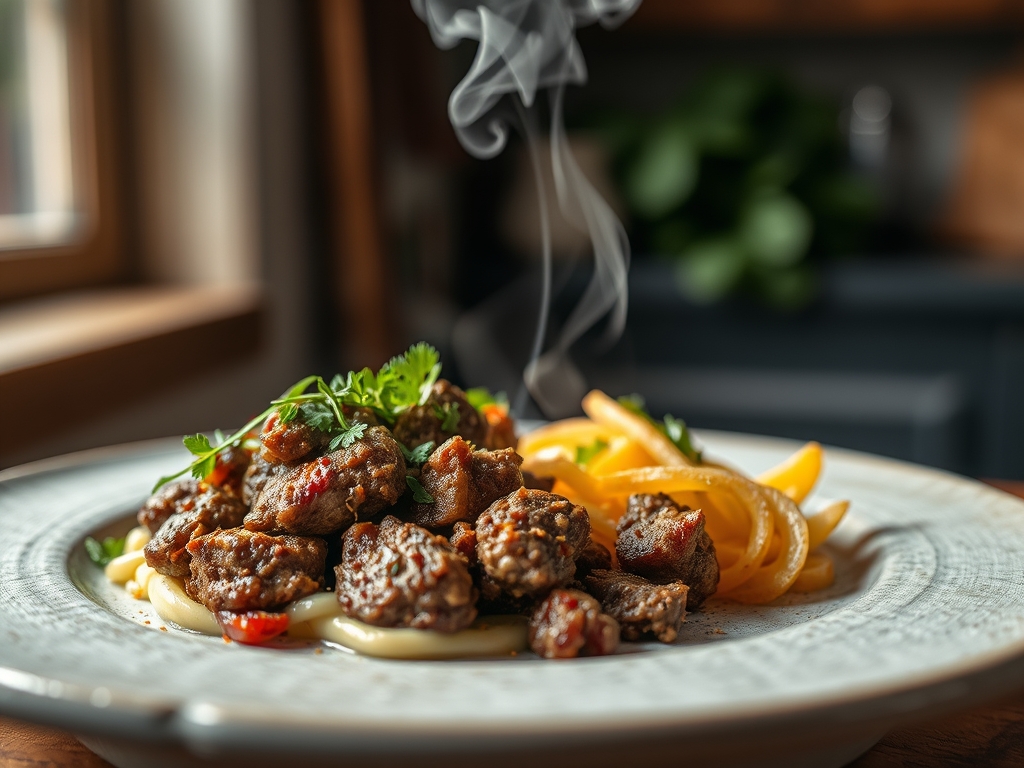
Imagine the sound of cold, marbleized fat hitting a preheated cast iron skillet. It is that aggressive, rhythmic sizzle that signals the start of something transformative. We are moving far beyond the humble burger or the standard weeknight taco. When you master these gourmet ground beef recipes, you are essentially learning to manipulate protein structures and lipid profiles to create five star results on a budget.
The secret to elevating ground beef lies in understanding that it is a canvas for complex chemical reactions. We are looking for that specific deep mahogany crust, a result of the Maillard reaction, where amino acids and reducing sugars rearrange themselves under high heat to create hundreds of new flavor compounds. It is not just cooking; it is edible engineering.
Most people treat ground meat as a monolith, but we are going to treat it like the versatile, fat-rich medium it truly is. By the time we are finished, you will be deglazing with precision and balancing acidity like a seasoned saucier. Whether you are hosting a dinner party or just want to feel like a culinary genius on a Tuesday, these hacks will redefine your relationship with the butcher counter. Let us get your mise-en-place ready and your heat sources calibrated.
The Gathers:
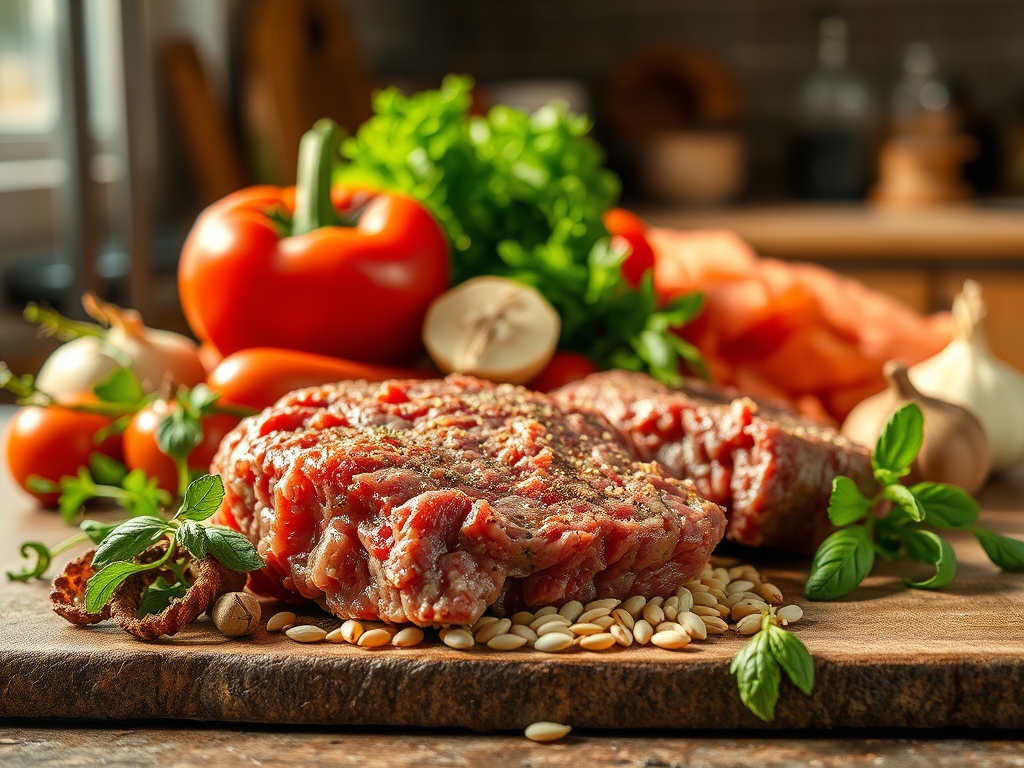
To execute these gourmet ground beef recipes, your workstation must be organized with clinical precision. Start with high-quality beef, preferably an 80/20 blend. This ratio is vital because the 20 percent fat content provides the necessary lipids for flavor carryover and moisture. You will need a heavy-bottomed skillet, preferably cast iron or stainless steel, to ensure even heat distribution and superior heat retention.
Gather your aromatics: shallots for a delicate piquant note, garlic cloves ready for the microplane, and fresh thyme or rosemary. For liquids, keep a dry red wine for deglazing and a high-quality beef bone broth for depth. You will also need "The flavor enhancers," which include umami-heavy hitters like Worcestershire sauce, tomato paste, and perhaps a dash of fish sauce to deepen the savory profile without adding a "fishy" taste.
Smart Substitutions:
If you are looking to lighten the profile, you can swap 25 percent of the beef for finely minced cremini mushrooms. This "blend" technique increases the moisture content and adds a layer of earthy complexity while reducing total calories. For a dairy-free richness, use a high-quality avocado oil or ghee instead of butter when finishing your sauces. If you lack red wine, a splash of balsamic vinegar diluted with water provides the necessary acidity to cut through the viscous fats.
The Clock: Chef's Flow
Efficiency in the kitchen is about managing "The Clock." For these hacks, expect a total active time of 40 minutes, but the flow is what matters. The first 10 minutes are dedicated to your mise-en-place; chopping, measuring, and organizing. Never start the heat until your ingredients are staged.
The middle 20 minutes are the "active sear and build" phase. This is where you manage the thermal energy of your pan. The final 10 minutes are for the "rest and emulsify" stage. Just like a steak, ground beef dishes benefit from a brief rest to allow the proteins to reabsorb juices. During this time, you will also be mounting your sauces with cold butter or a starch slurry to achieve that glossy, restaurant-grade finish.
The Masterclass:
1. The Cold-Sear Technique
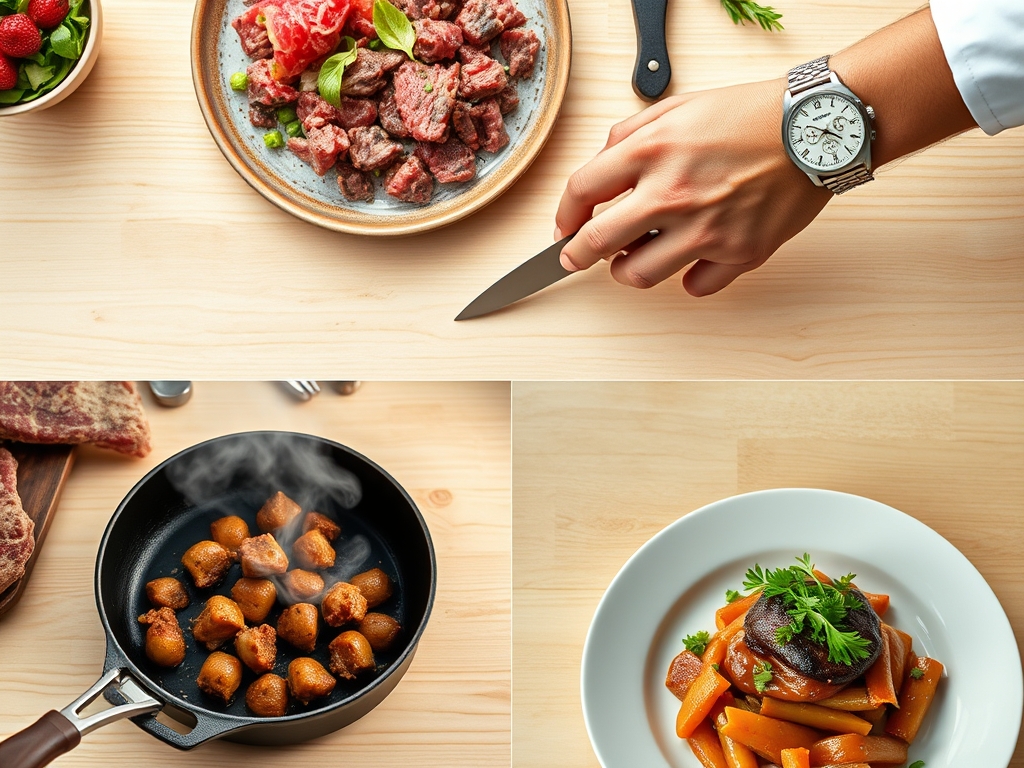
Instead of crumbling the meat immediately, press the cold beef into a flat disc and place it into a cold skillet. Turn the heat to high and let it sear undisturbed for four minutes. This creates a massive, singular surface area for the Maillard reaction to occur before you break it apart.
Pro Tip: This method prevents the "gray meat" syndrome. By starting cold, you allow the fat to render slowly, which then fries the protein in its own lipids, creating a superior crust.
2. The Baking Soda Bloom
Toss your raw ground beef with a pinch of baking soda and a teaspoon of salt, then let it sit for 15 minutes before cooking. This slightly raises the pH of the meat, which helps the proteins hold onto water more effectively during the cooking process.
Pro Tip: This is a matter of protein denaturation. The higher pH prevents the proteins from bonding too tightly when heated, ensuring the meat stays tender and juicy rather than becoming grainy.
3. Deglazing for Depth
Once your meat is browned and removed from the pan, you will see brown bits stuck to the bottom. This is "fond," and it is pure gold. Pour in a half-cup of liquid and use a sturdy wooden spoon or a bench scraper to lift those bits.
Pro Tip: This process uses solvent extraction to pull concentrated flavor compounds into your sauce, creating a complex, layered profile that salt alone cannot achieve.
4. The Umami Bomb Addition
Incorporate a tablespoon of tomato paste and a teaspoon of anchovy paste or fish sauce into the center of the pan once the meat is nearly done. Fry the paste for 60 seconds until it turns a dark rust color.
Pro Tip: This is called caramelization of the sugars in the tomato. It removes the raw, metallic taste and replaces it with a deep, savory sweetness that acts as a flavor multiplier.
5. Aerating the Sauce
When finishing a ragu or a pan sauce, use a whisk or a saucier to vigorously stir in a knob of cold butter at the very end. Move the pan in a circular motion to incorporate air and fat simultaneously.
Pro Tip: This creates a fat-in-water emulsion. The cold temperature of the butter prevents the sauce from "breaking," resulting in a velvety, professional mouthfeel.
6. Thermal Carryover Management
Remove your beef from the heat when it is exactly two degrees below your target temperature. Use a digital scale to ensure even portioning if you are making patties, and always use an instant-read thermometer.
Pro Tip: Thermal carryover means the internal temperature will continue to rise even after the meat is off the flame. Pulling it early ensures you never cross the line into "overcooked and dry."
The Deep Dive:
From a macro nutrition perspective, ground beef is a powerhouse of bioavailable iron, B12, and high-quality protein. An 80/20 blend provides roughly 250 calories per 4-ounce serving, with 20 grams of protein. To keep it Keto-friendly, serve your gourmet beef over roasted cauliflower or zoodles. For a Gluten-Free version, ensure your Worcestershire sauce is certified and use cornstarch or arrowroot as a thickener instead of flour.
The Fix-It: Common Pitfalls
- The Pan is Crowded: If you put too much meat in at once, the temperature drops and the meat steams in its own juices. Fix: Cook in batches to maintain high heat.
- The Meat is Greasy: This happens when the fat doesn't emulsify into a sauce. Fix: Add a splash of starchy pasta water or a "slurry" to bind the fats.
- The Flavor is Flat: Usually, this is a lack of acidity. Fix: Add a squeeze of lemon or a teaspoon of sherry vinegar right before serving to "wake up" the fats.
Meal Prep Science:
When reheating ground beef, the goal is to prevent "warmed-over flavor," which is caused by lipid oxidation. To maintain "day-one" quality, reheat gently on the stovetop with a tablespoon of broth or water. This creates steam that re-hydrates the protein fibers without overcooking the exterior.
The Wrap-Up:
You are now officially equipped to turn a basic package of ground beef into a culinary masterpiece. By focusing on the science of the sear, the precision of the deglaze, and the magic of emulsions, you have elevated your kitchen game to a professional level. Remember, cooking is as much about chemistry as it is about heart. Now, grab that heavy skillet and go make something incredible!
The Kitchen Table:
How do I get a better crust on my ground beef?
Dry the meat with paper towels before cooking. Moisture is the enemy of the Maillard reaction. Use a heavy cast iron skillet and avoid moving the meat for at least four minutes to allow the crust to form properly.
Can I use lean ground beef for these recipes?
You can, but you must add a fat source like olive oil or butter to prevent the meat from becoming tough. Lean meat lacks the internal lipids required for a truly "gourmet" mouthfeel and flavor carryover.
Why does my ground beef taste metallic?
This usually happens if the tomato paste isn't cooked down or if the meat was frozen for too long. Searing the meat deeply and "frying" your aromatics and pastes will neutralize these metallic notes through caramelization.
What is the best way to store leftovers?
Store in an airtight glass container for up to four days. To maintain the best texture, add a small amount of liquid before sealing to create a humid environment that prevents the protein from drying out in the fridge.