
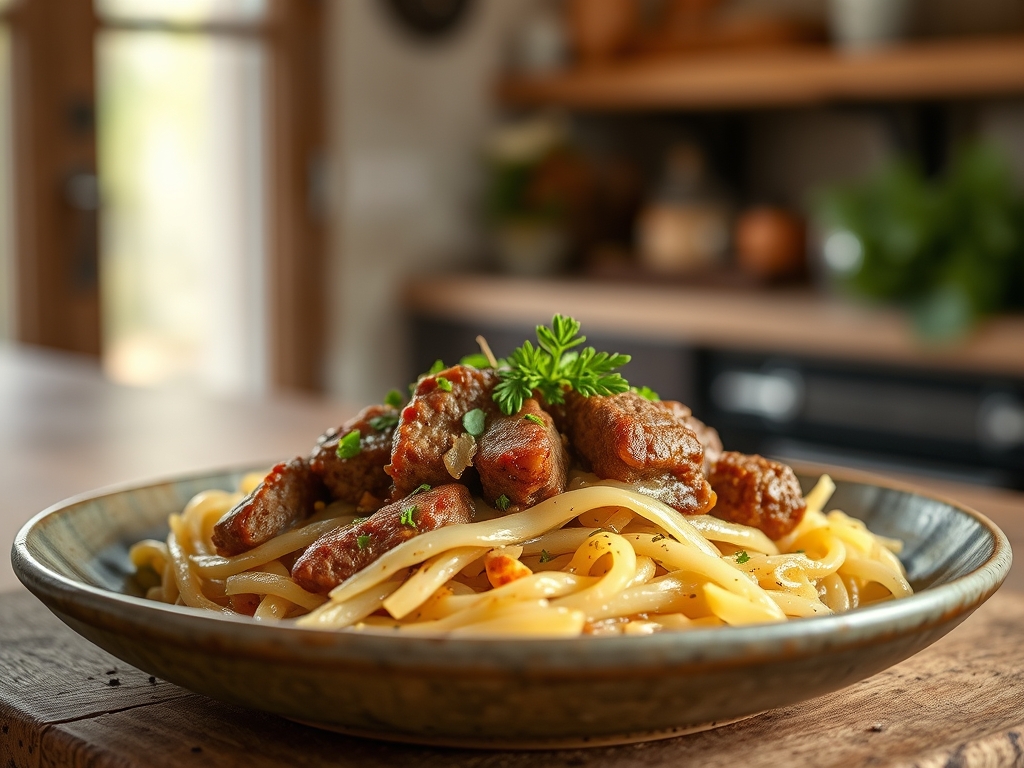
Imagine the sizzle of fat hitting a heavy-bottomed skillet; the sound is a chemical chorus of Maillard reactions. When you combine the savory depth of seared protein with the bright, fermented crunch of cabbage, you unlock a culinary cheat code. Mastering sauerkraut and ground beef recipes transforms humble pantry staples into a sophisticated balance of piquant acidity and rich umami.
This combination is a masterclass in flavor architecture. The lactic acid in the sauerkraut acts as a natural tenderizer for the beef fibers, while the saltiness of the ferment seasons the meat from the inside out. We are moving beyond basic skillet meals and into the realm of molecular harmony. Whether you are craving a deconstructed cabbage roll or a fermented burger patty, these pairings rely on the science of contrast.
We are going to explore ten distinct ways to marry these ingredients. You will learn how to balance pH levels and manage moisture content so your beef stays succulent while your kraut retains its signature snap. Grab your favorite apron; we are about to turn your kitchen into a laboratory of deliciousness.
The Gathers:
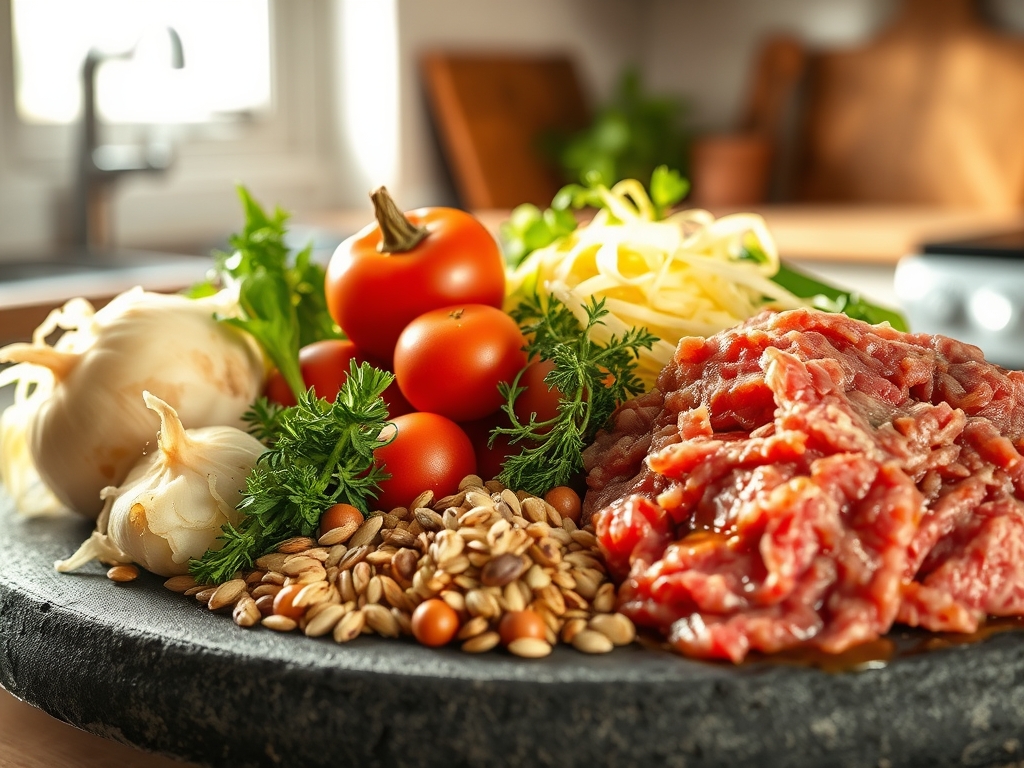
Setting up your mise-en-place is the difference between a chaotic kitchen and a professional flow. For these sauerkraut and ground beef recipes, your primary protein should be an 80/20 ground chuck. This specific ratio ensures enough fat to render and coat the cabbage leaves, creating a viscous mouthfeel that lean meat simply cannot replicate. Use a digital scale to portion your beef into exact 1-pound increments for consistent cooking times.
Your sauerkraut is the star of the show. Look for "raw" or "live culture" varieties found in the refrigerated section rather than the shelf-stable cans. Raw kraut contains active enzymes and a more complex acidity profile. You will also need aromatics: yellow onions for their high sugar content (perfect for caramelization), fresh garlic cloves to be crushed with a wide-bladed knife, and caraway seeds to provide an earthy, anise-like counterpoint.
Smart Substitutions: If you are out of ground beef, ground pork or a 50/50 blend works beautifully to increase the fat content. For those avoiding nightshades, swap paprika for a touch of turmeric and ground ginger to maintain a warm flavor profile. If your kraut is too aggressive, a quick rinse in a fine-mesh sieve will temper the brine without sacrificing the texture.
The Clock:
Time management in the kitchen is about understanding the "Chef's Flow." You are looking at a 15-minute prep window and a 25-minute active cook time. The first ten minutes are dedicated to aerating your ground beef and prepping aromatics. Never throw cold meat directly into a pan; let it sit at room temperature for ten minutes to ensure an even sear.
The cooking phase is a tactical sequence. You spend five minutes rendering the beef fat, three minutes softening the aromatics, and the final twelve minutes simmering the mixture to allow the flavors to infuse. This total 40-minute window is the "sweet spot" where the cabbage softens slightly but retains enough cellular structure to provide a satisfying crunch against the tender meat.
The Masterclass:
1. The High-Heat Sear
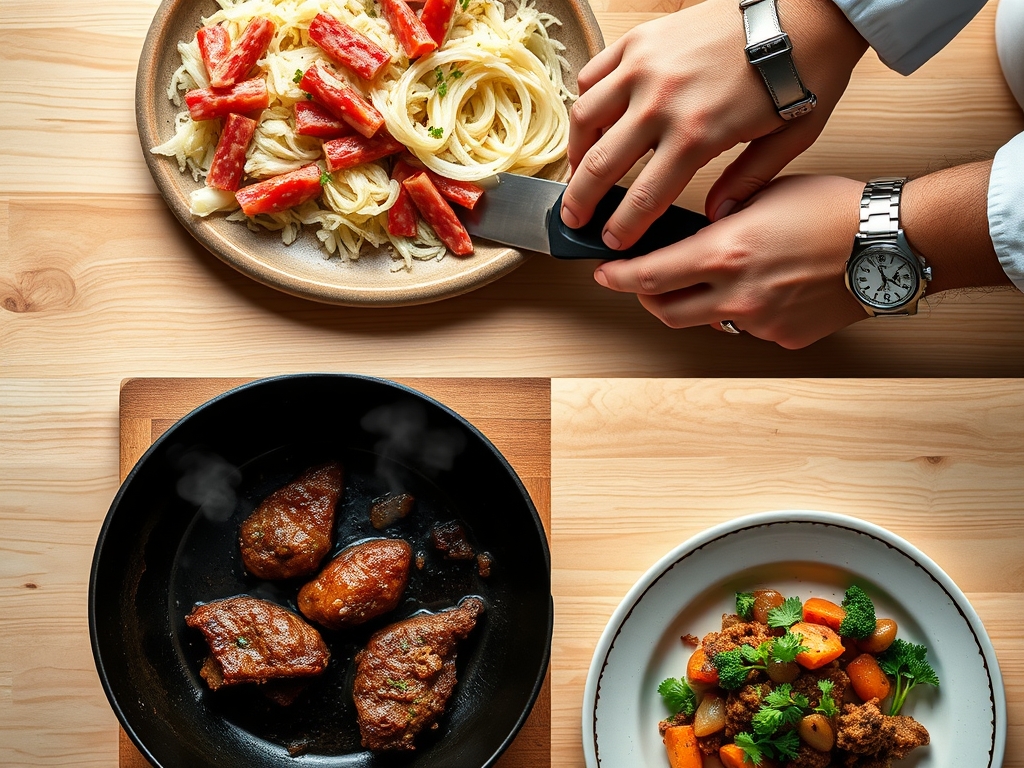
Place your heavy-bottomed skillet over medium-high heat until it wisps with smoke. Add the beef in large chunks rather than breaking it up immediately. This allows for maximum surface area contact, which triggers the Maillard reaction, creating those brown, flavorful crusts. Use stainless steel tongs to flip the pieces once they release naturally from the pan.
Pro Tip: This is called thermal carryover. If you cook the beef until it is fully gray, it will be dry by the time you eat. Pull the beef when it still has a hint of pink; the residual heat will finish the job during the resting phase.
2. Deglazing the Fond
Once the beef is browned and removed, you will see brown bits stuck to the bottom of the pan. This is "fond," and it is concentrated flavor gold. Pour in a splash of dry white wine or beef stock and use a flat-edged wooden spoon to scrape the bottom. This process, known as deglazing, incorporates those toasted proteins back into the sauce base.
Pro Tip: The alcohol in wine acts as a solvent, extracting flavor compounds that are not water-soluble. This creates a more complex, multi-dimensional sauce that water or broth alone cannot achieve.
3. Sweating the Aromatics
Add your diced onions and caraway seeds to the rendered fat. You are not looking for a hard sear here; you want to "sweat" them until they are translucent. This low-heat process breaks down the sulfur compounds in the onions, turning them sweet and mellow. Use a microplane to zest in a bit of fresh garlic at the very end to prevent burning.
Pro Tip: Onions contain precursors that turn into sugar when heated slowly. This sweetness is the essential scientific counterbalance to the high acidity of the sauerkraut you are about to add.
4. Integrating the Kraut
Drain your sauerkraut but do not squeeze it bone-dry. You want some of that lactic acid brine to help emulsify the fats in the pan. Fold the kraut into the onions and beef, ensuring every strand of cabbage is coated in the seasoned fat. This prevents the cabbage from steaming and instead allows it to fry slightly.
Pro Tip: The fats from the beef coat the tongue, which can dull flavors. The acetic acid in the sauerkraut brine "cuts" through this fat, refreshing your palate with every bite and making the beef taste "beefier."
5. The Final Simmer and Emulsification
Lower the heat and cover the pan for five minutes. This creates a small steam chamber that softens the kraut just enough to marry with the beef juices. If the mixture looks dry, add a tablespoon of butter and a splash of water, stirring vigorously to create a velouté-style emulsion that clings to the ingredients.
Pro Tip: Emulsification is the process of forcing fat and water to bond. The natural pectins in the cabbage help stabilize this bond, resulting in a glossy, rich sauce rather than a greasy puddle.
The Deep Dive:
From a nutritional standpoint, sauerkraut and ground beef recipes are a powerhouse. A standard serving provides roughly 25g of protein and a significant dose of Vitamin C and Vitamin K2 from the ferment. Because sauerkraut is a prebiotic-rich food, it aids in the digestion of the heavy proteins found in the beef.
Dietary Swaps: For a Keto-friendly version, ensure your sauerkraut has no added sugars. If you are going Vegan, substitute the beef with a walnut and mushroom crumble processed in a food processor; use a splash of soy sauce to mimic the umami of the meat. For a Gluten-Free guarantee, always check your beef stock labels for hidden wheat thickeners.
The Fix-It:
- Too Salty: If the dish tastes like a salt lick, add a peeled, halved potato to the pan for five minutes to absorb excess sodium, then discard the potato.
- Too Watery: Remove the lid and increase the heat to high for three minutes to rapidly evaporate excess moisture and concentrate the flavors.
- Too Sour: Add a teaspoon of brown sugar or honey. The glucose molecules will neutralize the perception of acidity on your taste buds.
Meal Prep: To reheat, avoid the microwave, which turns beef rubbery. Instead, use a saucier over low heat with a tablespoon of water. This gently re-hydrates the cabbage and prevents the beef fats from breaking and becoming oily.
The Wrap-Up:
You have now mastered the art of balancing the rustic and the refined. By understanding the science of acidity, the mechanics of the Maillard reaction, and the importance of deglazing, you have elevated a simple skillet meal into a culinary event. These sauerkraut and ground beef recipes are more than just fuel; they are a testament to how simple ingredients, when treated with technical respect, can create something truly extraordinary. Now, go forth, grab your tongs, and let the fermentation magic begin!
The Kitchen Table:
Can I use canned sauerkraut for these recipes?
Yes, but rinse it thoroughly first. Canned varieties are often packed in a harsh brine that can overwhelm the beef. Rinsing allows you to control the sodium levels and acidity more precisely during the cooking process.
What is the best way to store leftovers?
Store in an airtight glass container for up to four days. Glass is preferable to plastic because the high acidity of the sauerkraut can sometimes react with plastic liners or retain odors over time.
Do I need to add oil to the pan?
If using 80/20 ground beef, no extra oil is needed. The beef will render enough natural fat to sauté the aromatics and coat the sauerkraut perfectly. Only add oil if using very lean meat like 95/5.
Can I freeze sauerkraut and ground beef dishes?
You can, but the texture of the cabbage will change. Freezing breaks down the cell walls of the sauerkraut, making it much softer upon thawing. It is best eaten fresh for the ideal crunch.