
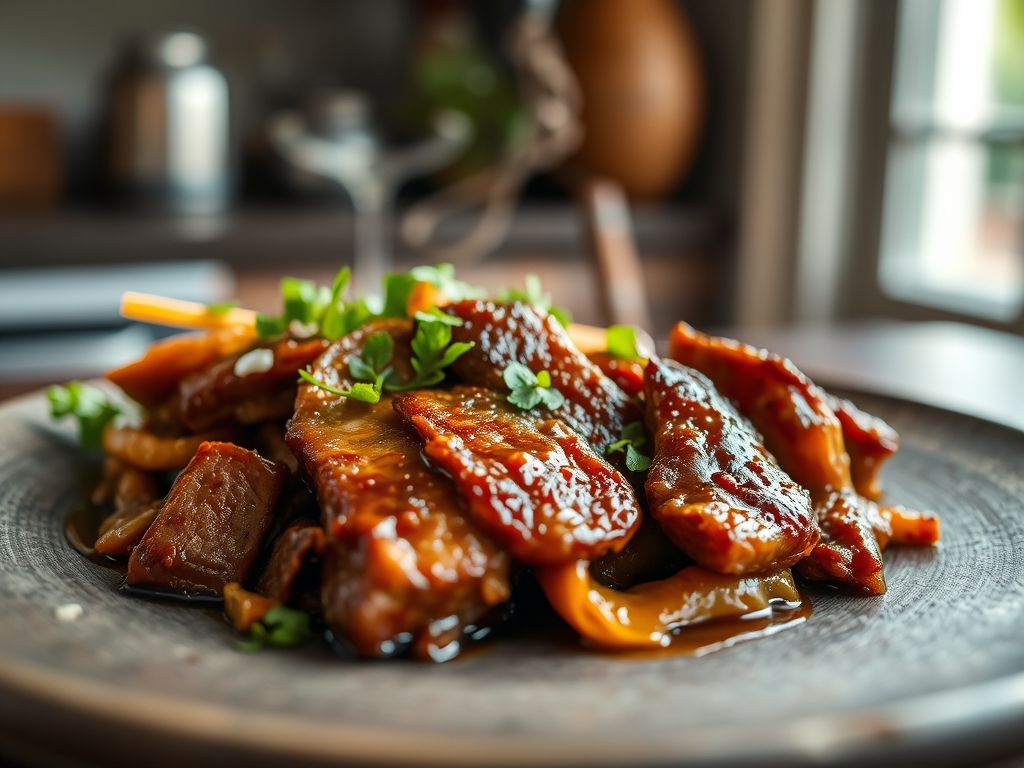
Close your eyes and imagine the scent of charred sugar and ginger hitting a blistering cast iron surface. That intoxicating aroma is the hallmark of authentic hawaiian bbq beef recipes; a sensory experience that balances tropical sweetness with a deep, savory umami punch. It is the kind of meal that stops conversation and demands your full attention.
We are moving beyond the standard takeout container today. To master this dish, you have to understand that it is not just about the marinade; it is about the chemistry of the sear and the structural integrity of the protein. Most people treat this beef like a standard steak, but we are going to treat it like a scientific experiment in flavor layering. We are looking for that perfect, lacquered finish that clings to the meat without becoming a syrupy mess.
The secret lies in the interplay between the fruit enzymes and the high-heat Maillard reaction. By the time we are finished, you will be able to produce a plate that looks like it belongs on a coastal shoreline in Maui, even if you are just standing in your kitchen in a pair of fuzzy socks. Grab your apron; we are going to get technical.
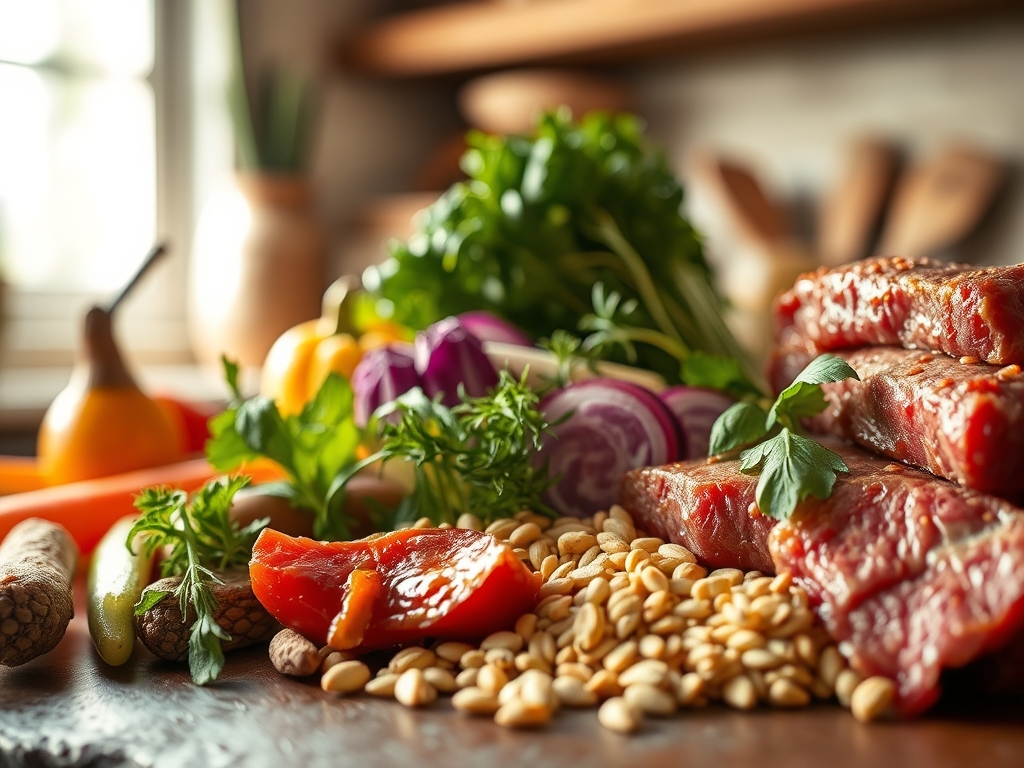
The Gathers:
To execute this properly, your mise-en-place must be precise. We are dealing with high sugar content, which means the window between caramelized and burnt is measured in seconds. You will need a digital scale for the marinade to ensure the salinity levels are balanced.
The star is the flank steak or short rib, sliced against the grain to a thickness of exactly one-quarter inch. For the marinade, you need high-quality soy sauce (the base of our salt profile), brown sugar for the molasses notes, and fresh ginger. Use a microplane to grate the ginger into a fine paste; this increases the surface area and allows the gingerols to infuse the liquid more effectively.
You also need fresh pineapple juice. This is not just for flavor; pineapple contains bromelain, a powerful enzyme that breaks down tough muscle fibers. However, use it sparingly, or your beef will turn to mush. For smart substitutions, you can swap the brown sugar for coconut aminos if you want to lower the glycemic index, or use a splash of rice vinegar if the marinade feels too viscous and needs a hit of acidity to cut through the fat.
The Clock
The "Chef's Flow" for this recipe is all about the wait. Total prep time is 20 minutes, but the passive time is where the magic happens.
- Prep Time: 20 minutes (slicing and whisking).
- Marination: 4 to 12 hours (the sweet spot for enzymatic action).
- Cook Time: 8 minutes (high-intensity heat).
Efficiency is key. While the beef is marinating, use your bench scraper to clear your workstation and prep your garnishes. By the time you pull the meat from the fridge, your heavy-bottomed skillet should already be preheating. This staggered approach ensures that you aren't rushing the sear, which is the most critical phase of the entire process.
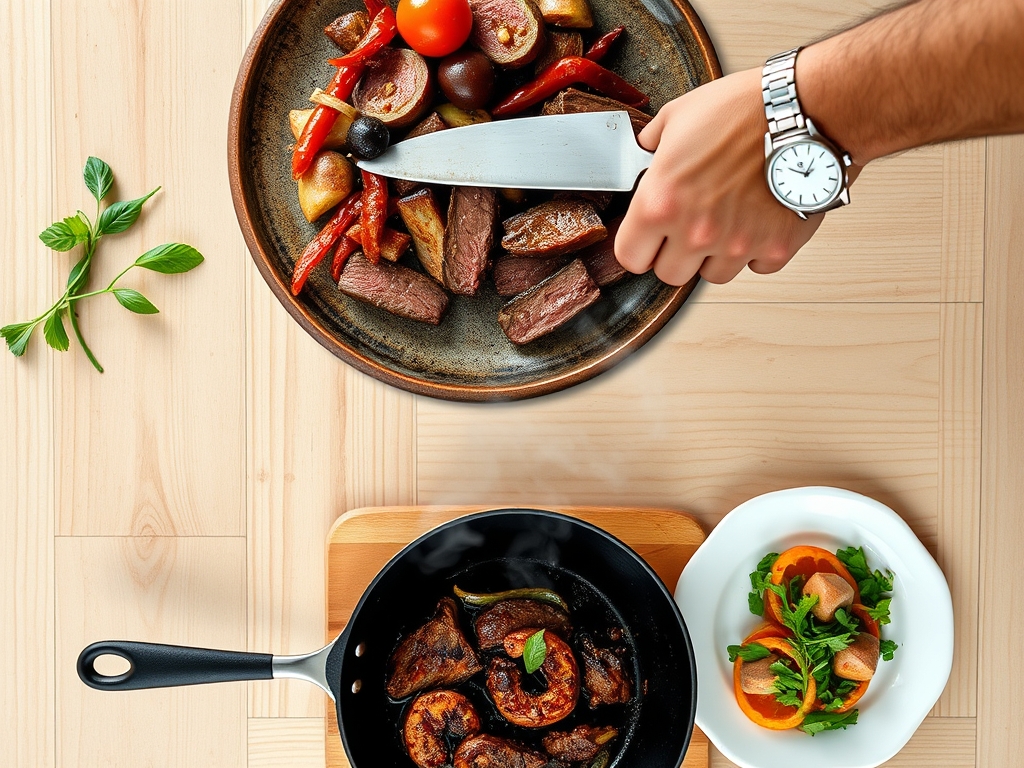
The Masterclass
1. The Precision Slice
Place your beef in the freezer for 20 minutes before cutting. This firms up the lipids, allowing you to achieve paper-thin slices with a sharp chef's knife. Always cut against the grain to shorten the muscle fibers.
Pro Tip: Cutting against the grain is a mechanical form of tenderization. By shortening the fibers, you ensure the meat remains tender even after the high-heat moisture loss that occurs during searing.
2. The Enzymatic Bath
Whisk your soy, ginger, garlic, and pineapple juice in a saucier until the sugar is fully dissolved. Submerge the beef completely, ensuring no surfaces are exposed to air, which can cause oxidation.
Pro Tip: This is where osmosis occurs. The salt in the soy sauce draws the marinade into the cellular structure of the meat, seasoning it from the inside out rather than just coating the surface.
3. The Thermal Shock
Heat your skillet until it is wisping smoke. Use tongs to lay the beef flat, ensuring you do not overcrowd the pan. If the temperature drops too low, the meat will steam in its own juices instead of searing.
Pro Tip: This stage triggers the Maillard reaction, a chemical reaction between amino acids and reducing sugars. This creates the complex, savory flavors and the iconic dark crust that defines the dish.
4. The Glaze Reduction
Once the beef is seared, remove it and pour the remaining marinade into the pan to deglaze. Scrape up the browned bits (the fond) and let the liquid simmer until it reaches a piquant, syrupy consistency.
Pro Tip: Reducing the liquid concentrates the solutes. As water evaporates, the sugars become more concentrated, creating a natural glaze that will emulsify with the rendered fats from the beef.
5. The Final Toss
Return the beef to the pan for 30 seconds to coat it in the thickened glaze. Toss quickly to ensure every crevice is covered without overcooking the interior of the meat.
Pro Tip: This final step utilizes thermal carryover. The residual heat in the pan will finish cooking the beef to a perfect medium-rare while the glaze sets into a lacquer.
6. The Aerated Rest
Move the beef to a warm platter and let it rest for three minutes before serving. Garnish with toasted sesame seeds and sliced scallions for a hit of fresh texture.
Pro Tip: Resting allows the muscle fibers to relax and reabsorb the internal juices. If you cut or serve too early, the moisture will leak out, leaving the meat dry and tough.
The Deep Dive
From a macro perspective, this dish is a protein powerhouse, though the sugar content in the marinade does contribute to the carbohydrate count. A standard serving contains roughly 350 calories, 30g of protein, and 12g of sugar.
For my Dietary Swaps, you can make this keto-friendly by using monk fruit sweetener and liquid aminos. For a vegan version, use king oyster mushrooms sliced thin; they have a remarkably similar cellular structure to beef when seared. If you are gluten-free, ensure your soy sauce is replaced with tamari.
The Fix-It:
- Too Salty: Add a squeeze of fresh lime juice; the citric acid will neutralize the perception of salt on the tongue.
- Tough Meat: You likely skipped the rest period or sliced with the grain. Next time, use a meat mallet to break down fibers before marinating.
- Burned Sauce: Your pan was too hot during the reduction. Add a tablespoon of water or beef stock immediately to lower the temperature and stop the sugars from carbonizing.
For Meal Prep, reheating is a science. Avoid the microwave, which turns beef into rubber. Instead, flash-sear the leftovers in a pan with a teaspoon of water. This creates steam that rehydrates the proteins without overcooking them, maintaining that "day-one" quality.
The Wrap-Up
Mastering hawaiian bbq beef recipes is about more than just following a list of ingredients; it is about controlling the variables of heat, time, and chemistry. When you understand how bromelain softens the meat and how the Maillard reaction builds flavor, you stop being a cook and start being a culinary artist. This dish is vibrant, bold, and technically rewarding. Now, take those tongs and show that skillet who is boss.
The Kitchen Table
What is the best cut of beef for Hawaiian BBQ?
Flank steak or short ribs are ideal. They have enough fat to render beautifully under high heat while maintaining a structural integrity that holds up to long marination periods without becoming overly fibrous or dry.
Can I use canned pineapple juice?
Yes, but fresh is superior. Canned juice is pasteurized, which denatures the bromelain enzymes. While it provides the correct flavor profile, it will not offer the same tenderizing benefits as fresh, raw juice.
How do I prevent the sugar from burning?
Ensure your skillet is hot for the initial sear, but lower the heat once you add the marinade for the glaze. Controlling the temperature prevents the sugars from reaching the point of carbonization, which creates bitterness.
How long can I marinate the beef?
The sweet spot is 4 to 12 hours. If you exceed 24 hours, the acids and enzymes will begin to denature the protein too much, resulting in a mealy texture that lacks the desired "snap."