
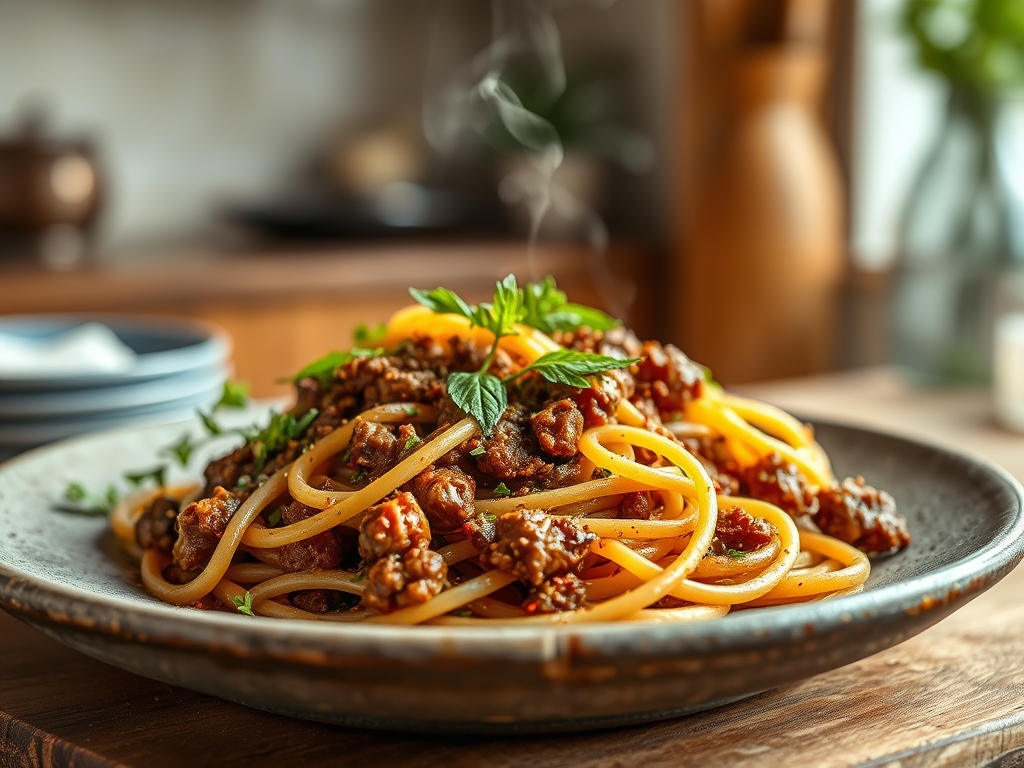
Imagine the scent of slow-simmered tomatoes colliding with the nutty aroma of toasted whole wheat noodles. There is a specific kind of magic that happens when high-quality protein meets complex carbohydrates. If you are searching for healthy pasta ground beef recipes, you are likely looking for that perfect intersection of comfort and nutrition. This is not about heavy, greasy sauces that leave you sluggish. Instead, we are focusing on vibrant, nutrient-dense bowls that fuel your body while satisfying your soul. We are talking about lean grass-fed beef, aromatic garden herbs, and noodles that provide a sustained energy release. This is the ultimate guide to mastering the art of the healthy pasta bowl without sacrificing the deep, savory flavors we crave.
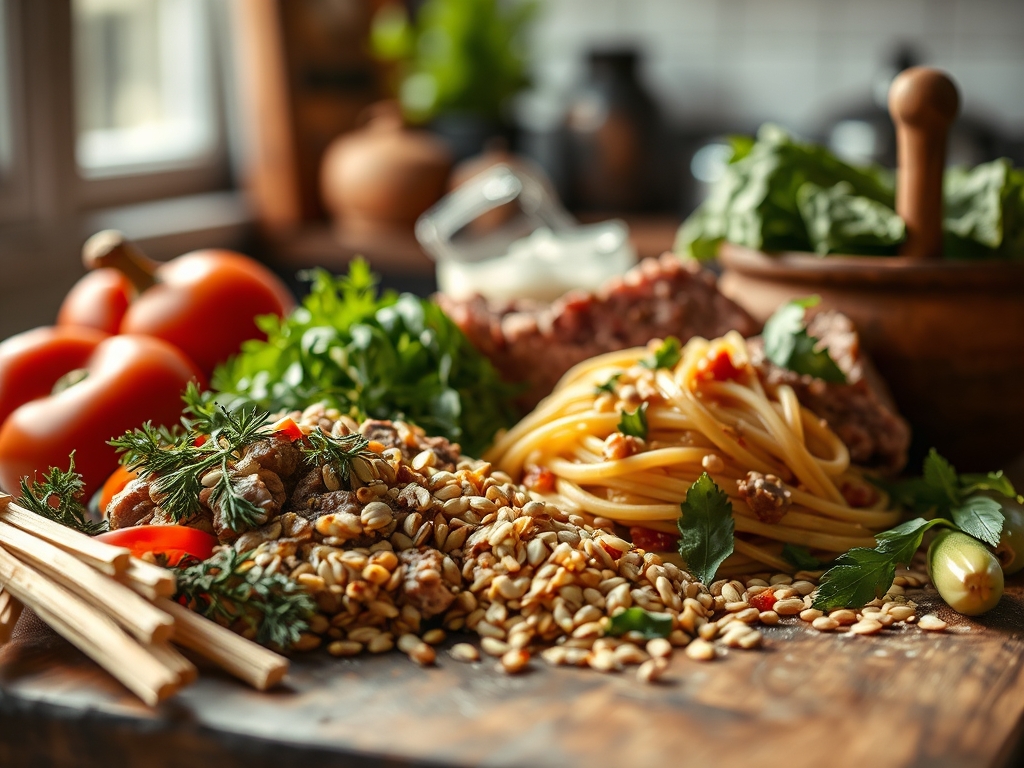
The Gathers:
To execute these healthy pasta ground beef recipes with professional precision, your mise-en-place must be flawless. Start with your protein. Opt for 90/10 or 93/7 lean ground beef. This ensures you have enough fat to render and carry flavor without creating a pool of grease. Use a digital scale to portion your pasta; 2 ounces of dry pasta is the standard serving size for maintaining caloric balance.
Your vegetable aromatics are the backbone of flavor. You will need a mirepoix of finely diced carrots, celery, and onions. The sugars in the carrots will caramelize to provide a natural sweetness that balances the acidity of the tomatoes. For your pasta, look beyond traditional white flour. Chickpea pasta, lentil-based rotini, or high-protein whole wheat penne offer significantly more fiber and a lower glycemic index.
Smart Substitutions:
- Fat: Replace butter with cold-pressed extra virgin olive oil to introduce heart-healthy monounsaturated fats.
- Salt: Use a microplane to zest fresh lemon over the finished dish; the citric acid mimics the tongue's perception of salt, allowing you to reduce sodium intake.
- Umami: Instead of excess salt, add a teaspoon of tomato paste or a splash of coconut aminos to deepen the savory profile.
- Texture: Use a bench scraper to finely mince mushrooms. When sautéed with the beef, they provide a "meaty" texture while cutting the overall calorie density.
The Clock:
Efficiency in the kitchen is about understanding the Chef's Flow. This is the sequence of operations that ensures every component reaches its peak state at the exact moment of plating. Total active prep time for these recipes usually spans 15 minutes, with a cook time of 20 to 25 minutes.
Start by setting a large pot of salted water to boil. While the water reaches its boiling point, begin searing your beef in a heavy-bottomed skillet. The goal is to maximize the Maillard reaction early on. While the meat browns, chop your aromatics. By the time the pasta is "al dente," your sauce should be thick and viscous. The final five minutes are reserved for the "marriage," where the pasta finishes cooking directly in the sauce to ensure every strand is infused with flavor.
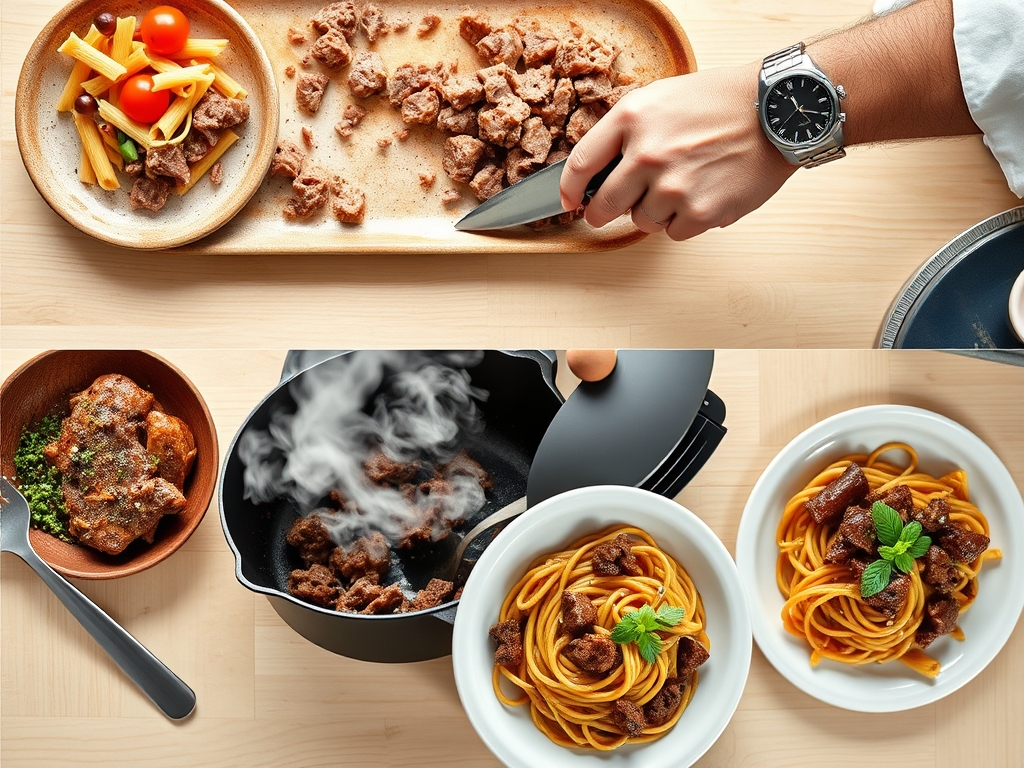
The Masterclass:
1. The High-Heat Sear
Place your lean beef into a preheated heavy-bottomed skillet. Do not crowd the pan; if the meat is too crowded, it will steam in its own moisture rather than brown. Use a wooden spoon to break the meat into small, uniform crumbles.
Pro Tip: This step relies on thermal carryover. Remove the meat when it is just slightly pink; it will finish cooking through residual heat, preventing the proteins from becoming tough and rubbery.
2. Deglazing the Fond
Once the meat is browned and removed, you will see brown bits stuck to the bottom of the pan. This is called fond. Add your diced aromatics and a splash of beef stock or dry red wine. Use your spoon to scrape the bottom of the pan.
Pro Tip: This process is called deglazing. The liquid dissolves the concentrated proteins and sugars, incorporating them back into the sauce for a complex, piquant flavor profile.
3. Emulsifying the Sauce
Add your tomato base or light cream alternative. Bring the mixture to a gentle simmer. As the liquid reduces, the fats and water-based liquids will begin to bind together.
Pro Tip: Add a half-cup of starchy pasta water to the skillet. The starches act as a natural emulsifier, creating a silky, glossy sauce that clings to the pasta rather than pooling at the bottom of the bowl.
4. The Aerated Finish
Toss the pasta with the sauce using tongs. Lift the noodles high and drop them back into the pan repeatedly. This incorporates air into the mixture and ensures an even coating.
Pro Tip: Aerating the sauce just before serving lightens the texture and helps the aromatic compounds in the herbs reach your olfactory receptors more effectively.
The Deep Dive:
Macro Nutrition
A standard serving of these healthy pasta ground beef recipes provides approximately 350 to 450 calories. You are looking at a balanced macro split of 30g protein, 45g complex carbohydrates, and 12g healthy fats. By using lean beef and fiber-rich pasta, you create a high-satiety meal that prevents blood sugar spikes.
Dietary Swaps
- Vegan: Replace ground beef with a mix of walnuts and lentils processed in a food processor. Use nutritional yeast for a cheesy flavor.
- Keto: Swap traditional pasta for spiralized zucchini or palmini noodles. Increase the healthy fats by adding avocado oil.
- Gluten-Free: Utilize brown rice pasta or quinoa-based noodles. Ensure your beef stock is certified gluten-free.
The Fix-It: Common Pitfalls
- The Watery Sauce: If your sauce is too thin, do not keep boiling it, as this can dull the flavors. Instead, whisk in a teaspoon of tapioca starch slurry to thicken it instantly.
- The Mushy Noodle: This happens when pasta is overcooked in the water. Always pull the pasta two minutes before the package instructions suggest; it will finish cooking in the sauce.
- The Bland Beef: If the meat tastes flat, you likely missed the searing stage. Add a drop of Worcestershire sauce or a pinch of smoked paprika to mimic that charred depth.
Meal Prep: The Science of Reheating
To maintain "day-one" quality, store the sauce and pasta separately if possible. If already mixed, add a tablespoon of water before microwaving. This creates steam, which re-hydrates the starch molecules and prevents the pasta from becoming brittle. Reheat on medium power to avoid denaturing the beef proteins too quickly.
The Wrap-Up:
Mastering healthy pasta ground beef recipes is all about respecting the ingredients and the physics of the pan. By focusing on lean proteins, high-fiber noodles, and the magic of emulsification, you can transform a basic weeknight dinner into a gourmet, body-fueling masterpiece. Grab your saucier, sharpen your knife, and get ready to impress yourself with how vibrant and "clean" a beef pasta dish can truly feel. You have the tools, the science, and the flavor; now go make something incredible!
The Kitchen Table:
How do I keep ground beef from getting dry in pasta?
Brown the beef over high heat but remove it while slightly pink. The thermal carryover finish ensures the meat stays succulent. Adding starchy pasta water to the sauce also provides a protective moisture barrier for the protein.
What is the healthiest pasta to use with beef?
Chickpea or lentil pasta offers the highest protein and fiber content. If you prefer traditional textures, whole wheat or sprouted grain pasta provides a lower glycemic index than white flour varieties, keeping you full longer.
Can I make these recipes in one pot?
Yes, but watch your liquid ratios. You will need enough broth to submerge the noodles. The starch released during the one-pot process creates a very thick, creamy sauce naturally without needing extra fats or creams.
How long does cooked ground beef pasta last in the fridge?
When stored in an airtight container, it remains fresh for three to four days. For the best texture, reheat with a splash of water or broth to loosen the starches and prevent the noodles from drying out.
Is grass-fed beef better for healthy pasta recipes?
Grass-fed beef typically has a higher ratio of Omega-3 fatty acids and lower total fat. It offers a more robust, "earthy" flavor that stands up well to bold tomato sauces and hearty whole-grain pastas.