
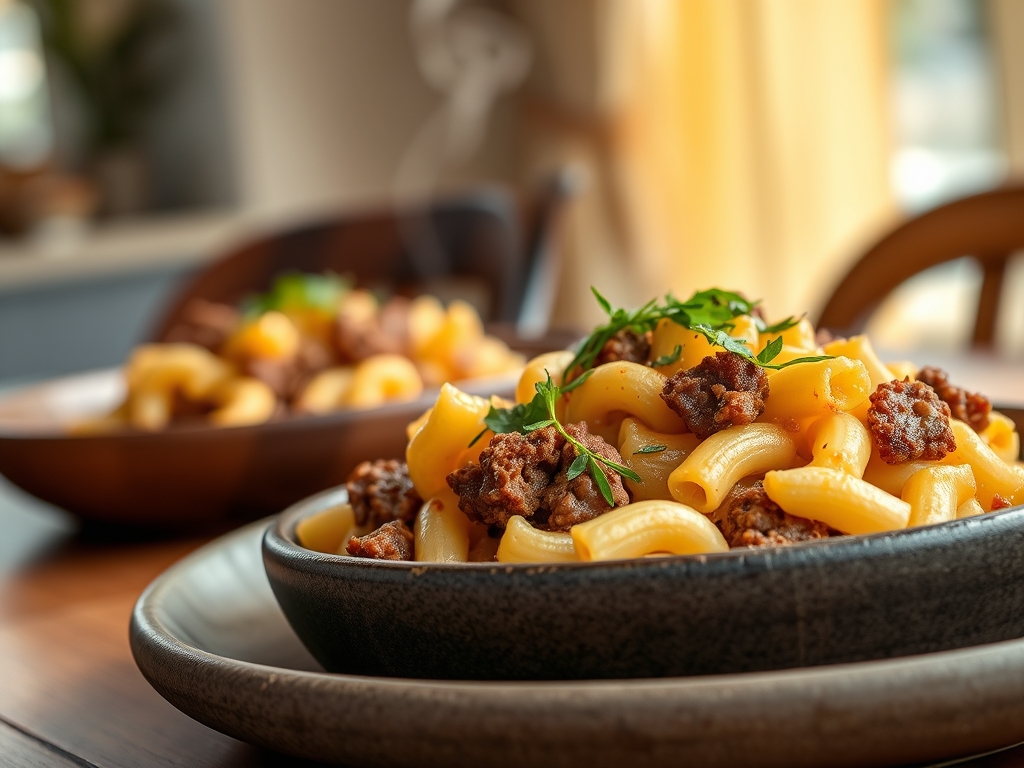
Imagine the scent of browning fat hitting a hot pan; it is the olfactory equivalent of a warm hug. When you are craving the ultimate comfort, kraft mac and cheese and ground beef recipes deliver a nostalgic, high-protein punch that satisfies the soul. We are taking that blue box and elevating it into a culinary masterpiece.
The magic happens when the nostalgic, fluorescent orange cheese sauce meets the savory depth of perfectly seared beef. It is not just dinner; it is a symphony of textures and flavors. By understanding the chemistry of your ingredients, you can transform a pantry staple into a gourmet experience that feels expensive but costs pennies. We are talking about achieving that perfect velvety mouthfeel while ensuring the beef is packed with umami. Grab your favorite heavy bottomed skillet and let us get to work on these elevated classics.
The Gathers:
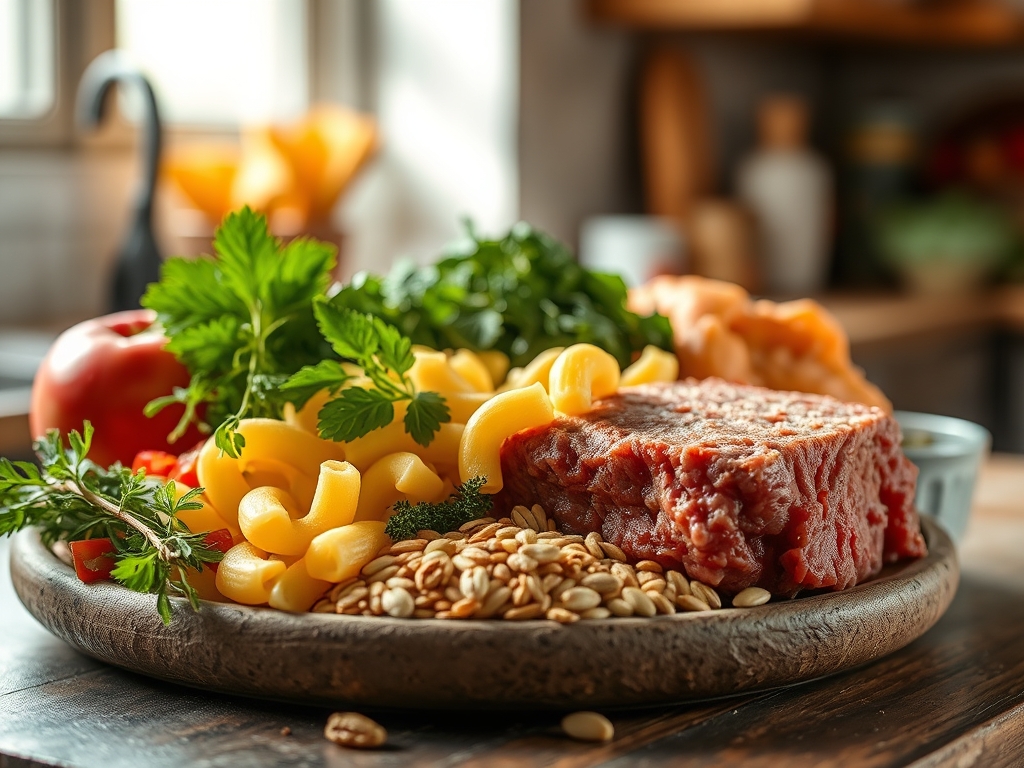
To execute these kraft mac and cheese and ground beef recipes with precision, your mise-en-place must be impeccable. Start with high quality ground beef; preferably an 80/20 blend. This ratio ensures enough fat to render out, providing the necessary lipids to carry flavor throughout the pasta. You will need your standard blue box kit, but we are adding depth with piquant aromatics like shallots, garlic, and perhaps a splash of Worcestershire sauce to boost the savory profile.
Have your digital scale ready to portion out extra sharp cheddar or Gruyere if you want to increase the viscosity of the sauce. For tools, ensure you have a saucier for the cheese sauce to prevent scorching in the corners and a sturdy bench scraper to move your chopped aromatics. Smart substitutions include using Greek yogurt instead of milk for a tangier, high protein finish, or swapping butter for ghee to achieve a higher smoke point during the initial sear. If you want to brighten the dish, keep a microplane handy to zest a bit of lemon or grate fresh nutmeg into the cheese mixture.
The Clock
The "Chef's Flow" is all about synchronization. Total prep time is a brisk 10 minutes, while active cooking spans approximately 15 to 20 minutes. The secret is to start your pasta water first; it takes the longest to reach a rolling boil. While the water heats, you focus on the beef. By the time the noodles are al dente, your beef should be fully browned and deglazed. This overlap ensures that the starches in the pasta are at their peak absorption levels just as the sauce is ready. Never let the pasta sit in a colander for too long; the surface starches will dry out and cause clumping, which ruins the emulsification process.
The Masterclass
1. The Maillard Sear
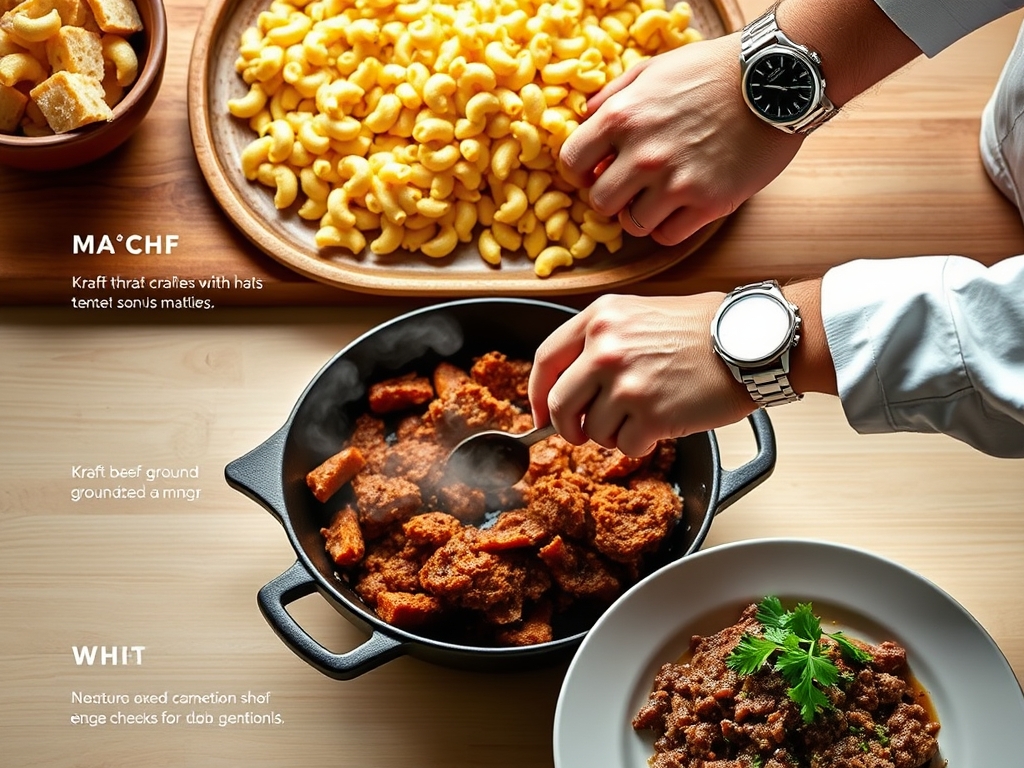
Place your ground beef in a preheated heavy-bottomed skillet. Do not crowd the pan; you want to maximize surface area contact to trigger the Maillard reaction. This chemical reaction between amino acids and reducing sugars creates that deep, savory crust. Use your tongs or a stiff spatula to break the meat into small crumbles.
Pro Tip: Avoid moving the meat too much in the first three minutes. This allows for optimal enzymatic browning, which develops complex flavor compounds that raw or steamed meat simply cannot provide.
2. Deglazing the Fond
Once the beef is browned, you will notice brown bits stuck to the bottom of the pan; this is called the fond. Add a splash of beef stock or dry white wine to deglaze the skillet. Use a wooden spoon to scrape those bits into the meat mixture.
Pro Tip: Deglazing captures concentrated flavor that would otherwise be lost. The liquid helps dissolve the caramelization, integrating it back into the beef for a more robust profile.
3. Precision Pasta Boiling
Boil your pasta in heavily salted water. Aim for one minute less than the box instructions. You want the noodles to be slightly firm because they will continue to cook during the final assembly through thermal carryover.
Pro Tip: Starchy pasta water is liquid gold. Save half a cup before draining. The starch acts as a bridge between the fats and the water, helping to emulsify your cheese sauce into a silky coating.
4. Emulsifying the Liquid Gold
In your saucier, whisk together the milk, butter, and cheese powder. For a more viscous sauce, add a handful of freshly grated cheese using your microplane. Gradually whisk in your reserved pasta water until the sauce is glossy and thick.
Pro Tip: Emulsification is the process of combining two liquids that usually do not mix. The starch in the pasta water stabilizes the fat in the cheese, preventing the sauce from breaking or becoming oily.
5. The Final Integration
Fold the cooked beef and the drained pasta into the cheese sauce. Use a gentle folding motion to ensure every noodle is coated without breaking the delicate pasta shapes. Taste for seasoning and add a pinch of smoked paprika for a hint of heat.
Pro Tip: Let the dish rest for two minutes before serving. This allows the pasta to absorb the excess moisture, ensuring the sauce clings to the ridges of the macaroni rather than pooling at the bottom of the bowl.
6. The Aromatic Finish
Top the dish with fresh herbs or toasted breadcrumbs for texture. If you are feeling fancy, use a kitchen torch to lightly caramelize the top layer of cheese for a smoky, charred aroma.
Pro Tip: Adding a fresh element like parsley or chives at the very end provides a piquant contrast to the heavy fats, balancing the palate and making the dish feel lighter.
The Deep Dive
When we look at the macro nutrition, a standard serving provides a significant hit of protein and carbohydrates, making it an excellent post-workout recovery meal. However, if you are looking for dietary swaps, the world is your oyster. For a Keto-friendly version, swap the pasta for roasted cauliflower and use a homemade cheese sauce. For Vegan options, utilize cashew-based cheese and plant-based crumbles. If you require a Gluten-Free path, there are several high quality corn or quinoa-based mac and cheese boxes that perform beautifully.
The "Fix-It" guide for common pitfalls:
- Grainy Sauce: This happens if the heat is too high, causing the proteins in the cheese to clump. Fix it by adding a splash of warm milk and whisking vigorously off the heat.
- Dry Meat: If you used meat that was too lean, add a tablespoon of butter or olive oil during the deglazing phase to reintroduce moisture.
- Bland Flavor: Usually a salt issue. Add a teaspoon of Dijon mustard or a dash of hot sauce to brighten the flavors without making it spicy.
For meal prep, reheating is a science. Microwave heating can cause the fats to separate. To maintain "day-one" quality, reheat on the stovetop with a splash of milk to re-emulsify the sauce.
The Wrap-Up
Mastering kraft mac and cheese and ground beef recipes is about more than just following a box; it is about applying professional techniques to everyday ingredients. By focusing on the sear, the emulsification, and the timing, you turn a simple pantry meal into a high-density flavor experience. Now go forth, grab your heavy-bottomed skillet, and show that blue box what a little culinary science can do.
The Kitchen Table
Can I use frozen ground beef for this recipe?
Yes, but ensure it is fully thawed and patted dry with paper towels. Excess moisture prevents the Maillard reaction, leading to steamed meat rather than a savory, browned crust. Always drain excess liquid before adding the cheese sauce.
How do I make the cheese sauce creamier?
Incorporate a tablespoon of heavy cream or cream cheese during the mixing phase. This increases the fat content and adds stabilizers, resulting in a more viscous and velvety texture that clings perfectly to the pasta.
What is the best way to store leftovers?
Store in an airtight container for up to three days. When reheating, add a teaspoon of water or milk per serving to loosen the starches. Heat gently on the stove to prevent the cheese oils from separating.
Can I add vegetables to this dish?
Absolutely. Fold in sautéed spinach, frozen peas, or diced bell peppers during the final integration. These add fiber and micronutrients without compromising the structural integrity of the creamy cheese sauce or the savory beef.