
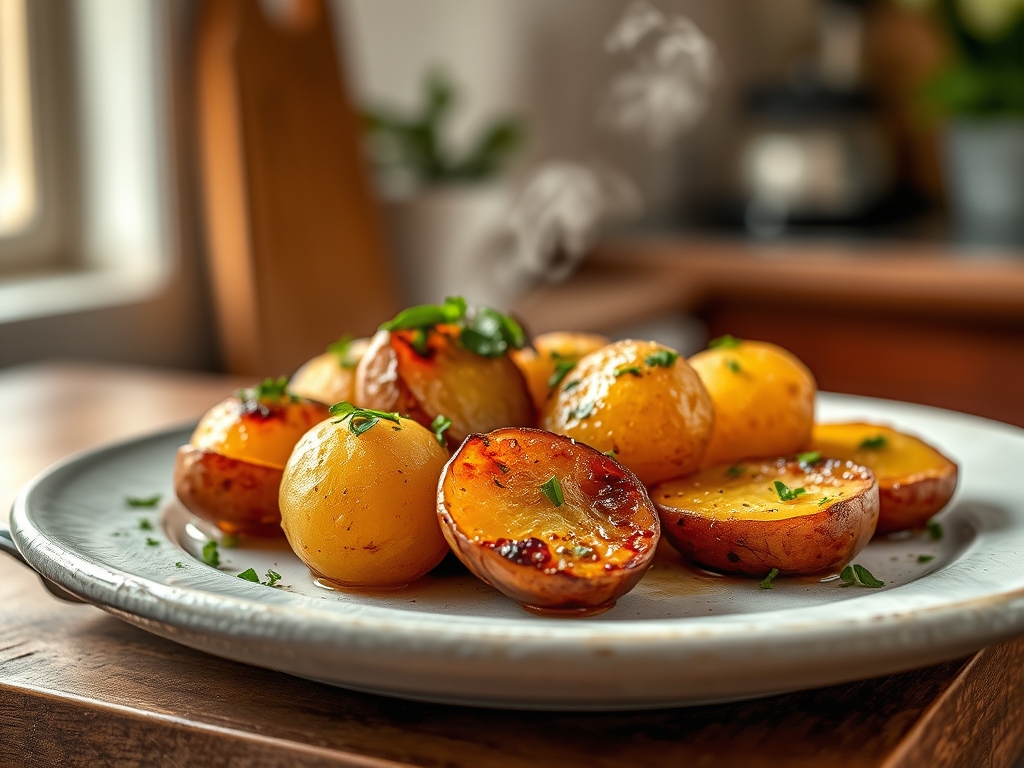
There is a specific, soul-soothing hum that resonates from a heavy-bottomed skillet when cold butter hits a hot starch. It is the sound of comfort. When you are craving something that feels like a warm hug for your nervous system, nothing beats the humble tuber. Mastering easy irish potato recipes is less about complex techniques and more about understanding the molecular magic of the humble Russet and Yukon Gold. Whether you are mashing, frying, or baking, we are going to transform these earthy roots into culinary gold.
Irish cuisine is the undisputed champion of the potato. It is a love affair built on the back of the Maillard reaction and the glorious emulsification of dairy. We are talking about dishes that have sustained generations; plates that rely on the perfect balance of salt, fat, and heat. Today, I am walking you through seven iconic iterations that will turn your kitchen into a cozy Dublin bistro. We will geek out over starch granules and moisture content while keeping things effortless. Grab your apron; it is time to get starchy.
The Gathers:
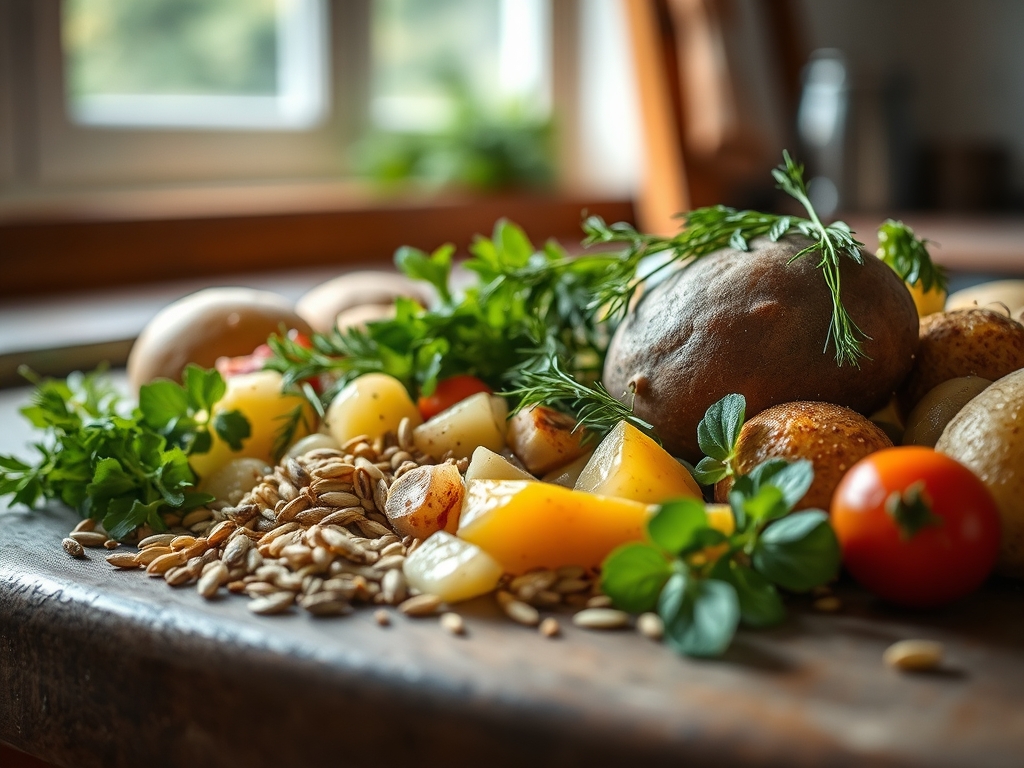
Before we ignite the burners, let us talk about your mise-en-place. To execute these easy irish potato recipes with precision, you need the right raw materials. Your primary protagonist is the potato. For fluffy interiors like Colcannon or Champ, reach for high-starch Russets. If you want a waxy, hold-its-shape vibe for a potato salad or stew, the Yukon Gold is your best friend.
You will also need high-quality fats. Use unsalted European-style butter; it has a lower water content and higher butterfat percentage, which leads to a more viscous and luxurious mouthfeel. For the aromatics, gather fresh scallions, curly kale, and leeks. The piquant bite of a leek, when properly sweated, provides a sophisticated flavor profile that cuts through the richness of the starch.
Smart Substitutions:
If you are avoiding dairy, a high-quality cashew cream provides the necessary lipids to mimic traditional textures. For a lower glycemic index, you can swap 30 percent of your potatoes with steamed cauliflower; just ensure you press out every drop of moisture with a clean kitchen towel to avoid a watery mess. Use a digital scale to measure your ingredients; precision is the secret language of great chefs.
The Clock
Efficiency in the kitchen is all about the Chef's Flow. For these seven recipes, expect a total active prep time of 25 minutes, with cook times ranging from 15 minutes for Boxty to 45 minutes for a deep-dish Shepherd's Pie topping.
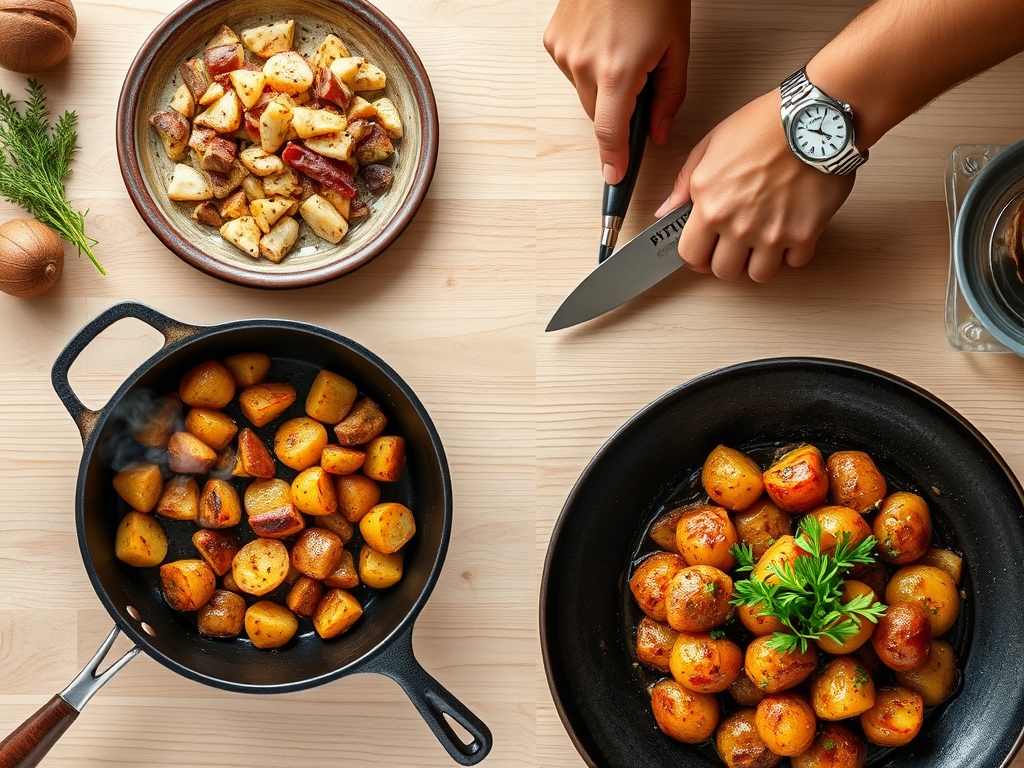
The "Flow" dictates that you start by scrubbing and peeling your tubers first. While they simmer in salted water, use that window to chiffonade your kale or finely dice your onions with a sharp chef's knife. By the time the potatoes reach fork-tender status, your aromatics should be rendered and ready for integration. This parallel processing ensures you are not standing around waiting for water to boil.
The Masterclass
1. The Perfect Colcannon Mash
Start by boiling peeled Russets in heavily salted water until the starch granules swell and soften. Drain them and let them steam-dry for two minutes in the pot. While they rest, sauté finely shredded kale in a saucier with plenty of butter until vibrant.
Pro Tip: This steam-drying phase is crucial to prevent "watery" mash. It allows excess moisture to evaporate, ensuring the potato can absorb the maximum amount of butter and cream later. This is known as optimizing the starch's absorptive capacity.
2. Traditional Boxty Pancakes
Grate raw potatoes using a microplane or the fine side of a box grater. Mix the raw shreds with leftover mashed potatoes, flour, and a splash of buttermilk to create a thick batter. Fry in a heavy-bottomed skillet until the edges are lacy and golden.
Pro Tip: Squeeze the raw potato shreds in a cheesecloth to remove excess liquid. This liquid contains dissolved starches that, if left in, will make your pancakes gummy instead of crispy.
3. Classic Champ with Scallions
Infuse whole milk with a generous handful of chopped scallions by gently heating it on the stove. Do not let it boil. Fold this piquant liquid into your riced potatoes.
Pro Tip: Using a potato ricer instead of a masher prevents the over-working of the starch. Over-mashing breaks the cell walls and releases too much amylose, which creates a gluey, sticky texture.
4. Irish Potato Soup (Pottage)
Sweat leeks and onions in butter until translucent. Add cubed potatoes and chicken stock. Once soft, use an immersion blender to aerate the soup into a silky velvet.
Pro Tip: Emulsifying the soup while it is hot creates a stable suspension of fats and liquids. If you blend it cold, the fats will separate, leaving an oily film on the surface.
5. Dublin Coddle Base
Layer sliced potatoes with high-quality sausages and thick-cut bacon. Deglaze the pan with a splash of stout before simmering.
Pro Tip: The acid in the stout helps break down the connective tissues in the meat while seasoning the potatoes from the inside out through osmotic pressure.
6. Crispy Smashed Roasted Potatoes
Parboil small Yukon Golds, then use a heavy glass to "smash" them flat on a baking sheet. Drizzle with olive oil and roast at high heat.
Pro Tip: The "smashing" increases the surface area, which maximizes the Maillard reaction. This chemical reaction between amino acids and reducing sugars is what creates that savory, browned crust.
7. Shepherd's Pie Topping
Pipe your seasoned mash onto a rich lamb or beef base using a star tip. Bake until the peaks are charred.
Pro Tip: Brush the top with an egg wash before baking. The proteins in the egg undergo rapid browning, providing a structural "snap" to the soft potato layer.
The Deep Dive
When we look at the macro nutrition, these easy irish potato recipes are powerhouses of potassium and complex carbohydrates. A medium potato actually contains more potassium than a banana, which is vital for muscle function.
Dietary Swaps:
For a Keto-friendly version, replace the potato with mashed celery root (celeriac). It has a similar earthy funk but a fraction of the carbs. For a Vegan approach, use nutritional yeast to add a "cheesy" umami depth without the dairy.
The Fix-It:
- Gluey Potatoes: You over-mixed them. Fix it by spreading them in a baking dish, topping with breadcrumbs and cheese, and turning it into a gratin. The texture becomes a feature, not a bug.
- Bland Flavor: You didn't salt the boiling water. Fix it by folding in a teaspoon of white miso paste; it adds salt and fermented complexity.
- Discoloration: Your raw potatoes turned gray. This is enzymatic browning. Fix it by submersing peeled potatoes in cold water with a squeeze of lemon juice to halt oxidation.
Meal Prep:
To reheat, avoid the microwave as it turns starch "rubbery." Instead, use a skillet with a teaspoon of water and a lid. This creates a steam-oven effect that re-hydrates the starch molecules without toughening them.
The Wrap-Up
There you have it; seven ways to turn the world's most versatile vegetable into a masterpiece. Whether you are folding kale into a buttery Colcannon or frying up a batch of Boxty for brunch, these easy irish potato recipes are your ticket to culinary comfort. Remember, the secret is in the details: dry your potatoes, don't over-work the starch, and never skimp on the butter. Now, go forth and get cooking!
The Kitchen Table
Which potato is best for Irish recipes?
High-starch Russets are best for fluffy mashes like Colcannon or Champ. Waxy Yukon Golds are superior for soups and stews because they maintain their structural integrity during long simmering processes.
How do I prevent my mashed potatoes from being gummy?
Avoid using a food processor or over-mashing. Use a potato ricer to gently break down the tubers. This prevents excessive starch release, which is the primary cause of a sticky, glue-like consistency.
Can I make Boxty ahead of time?
Yes. You can prepare the batter and store it in an airtight container for up to 24 hours. If the mixture oxidizes and turns slightly gray, simply stir it; the flavor remains unaffected.
Is it necessary to peel potatoes for Irish soup?
While traditional recipes often call for peeling, leaving the skins on adds rustic texture and extra fiber. If you prefer a silky, refined pottage, peeling and using an immersion blender is the professional standard.