
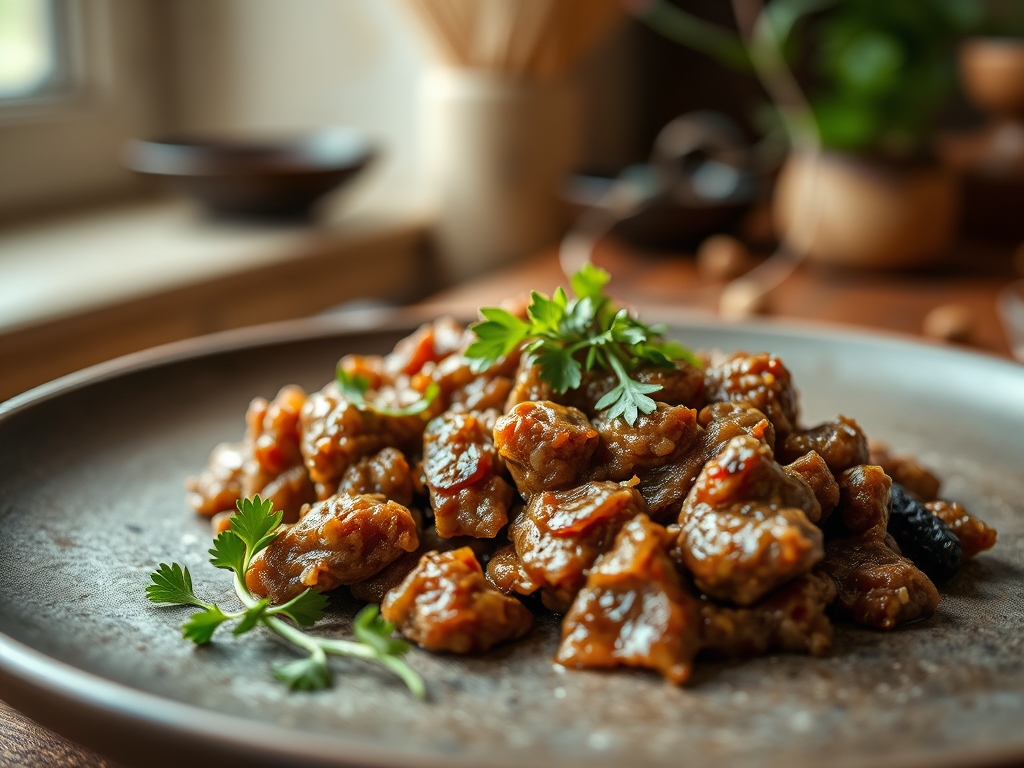
Imagine the scent of caramelized onions mingling with the salty punch of soy sauce and the heavy, rich aroma of searing fat. In the islands, comfort is defined by the sizzle of a flat top grill and the steam rising from a mountain of white rice. These ground beef recipes hawaii style are more than just dinner; they are a masterclass in the intersection of Japanese, Filipino, and Polynesian culinary traditions. We are talking about the kind of food that sticks to your ribs and warms your soul, all while relying on the humble utility of a pound of beef.
Whether you are craving the velvety gravy of a classic Loco Moco or the sweet, ginger-forward bite of a Teriyaki beef bowl, the secret lies in the chemistry of the sear. We are going to transform basic pantry staples into a week of tropical feasts. Grab your heavy-bottomed skillet and a cold drink; we are diving into the science of the perfect grind.
The Gathers:
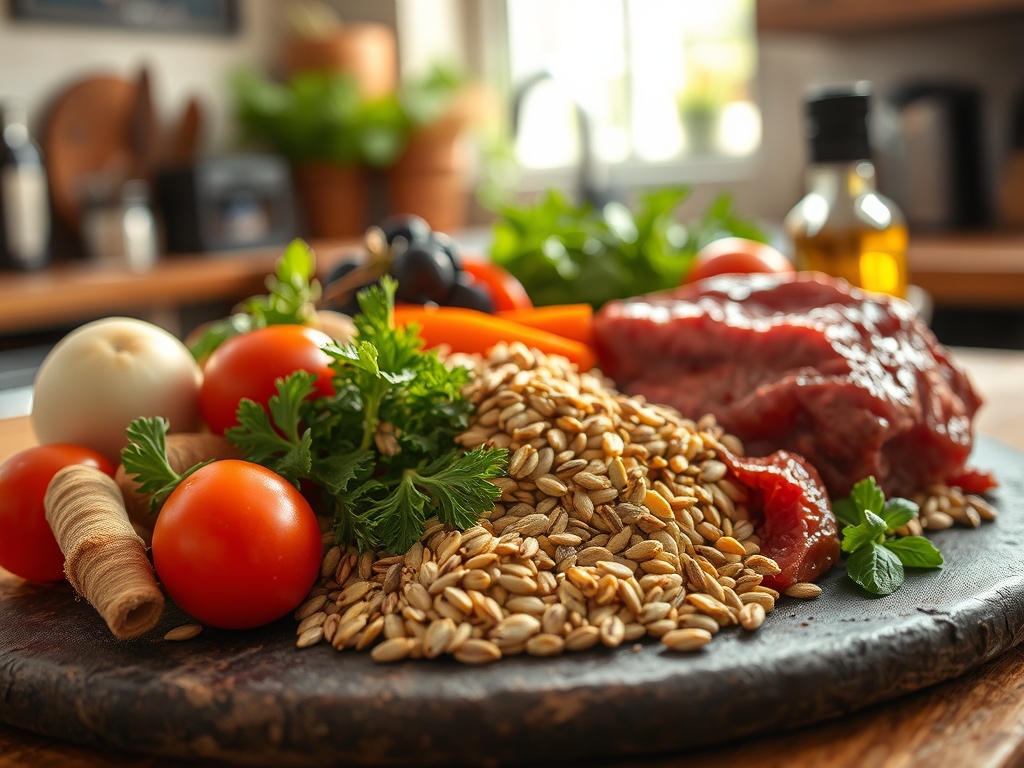
To master ground beef recipes hawaii enthusiasts swear by, your mise-en-place must be precise. Start with high-quality 80/20 ground chuck. The 20 percent fat content is non-negotiable because it provides the lipid emulsion necessary for a juicy patty that does not crumble. You will need a microplane for grating fresh ginger and garlic into a fine paste, ensuring the aromatics infuse the meat without leaving chunky, raw bits.
Your liquid gold consists of shoyu (Japanese soy sauce), oyster sauce for its viscous umami depth, and a splash of mirin to balance the acidity. For the texture, have panko breadcrumbs and eggs ready to act as binders. Smart Substitutions: If you are watching your sodium, swap shoyu for liquid aminos. If you need a gluten-free binder, crushed pork rinds or almond flour work beautifully to maintain the structural integrity of your patties. Always use a digital scale to portion your meat into even 6-ounce balls; consistency in mass ensures consistency in thermal conductivity.
The Clock
Efficiency in the kitchen is all about the Chef's Flow. This is the art of overlapping tasks so no heat is wasted. Prep time for these seven variations averages 20 minutes, mostly focused on the precision dicing of aromatics. The cook time ranges from 12 to 15 minutes per batch.
The flow begins with the rice cooker; the foundation must be steaming before the meat hits the pan. While the rice undergoes starch gelatinization, you are shaping your patties. By the time the rice is fluffing, your skillet is screaming hot. The total active time is roughly 35 minutes, making this the ultimate "fast-casual" home experience.
The Masterclass:
1. The Maillard Foundation
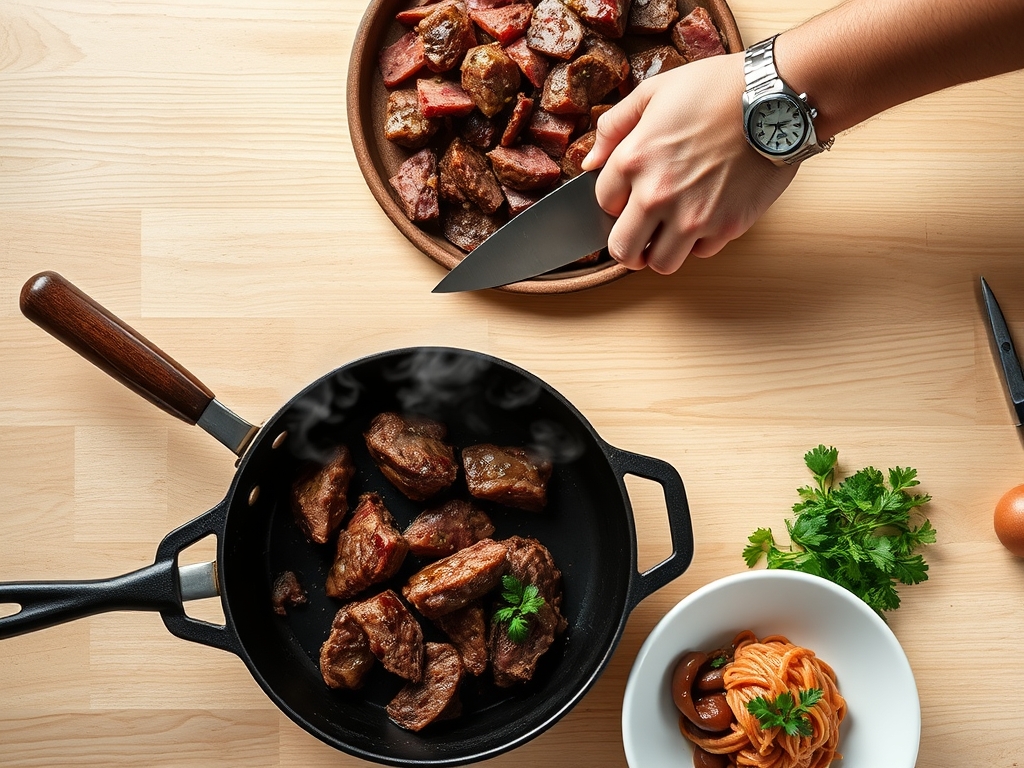
Place your cast iron skillet over medium-high heat until it reaches approximately 400 degrees Fahrenheit. Add a high-smoke-point oil like avocado oil. Place your beef patties in the pan, leaving ample space between them to avoid steaming.
Pro Tip: This stage triggers the Maillard Reaction, a chemical reaction between amino acids and reducing sugars that creates that distinctive savory crust. Do not flip the meat until it releases naturally from the pan; forcing it tears the protein fibers and loses precious juices.
2. Deglazing the Essence
Once the patties are removed to rest, you will see brown bits stuck to the bottom of the pan. This is called fond. Pour in a mixture of beef stock and shoyu, using a wooden spatula or bench scraper to lift those bits.
Pro Tip: Deglazing is essential for flavor layering. The fond contains concentrated umami compounds that, when dissolved back into a liquid, create a complex, professional-grade gravy that mimics the depth of a long-simmered demi-glace.
3. The Emulsion Phase
To create the iconic Loco Moco gravy, whisk a cornstarch slurry into your simmering liquid using a saucier or whisk. Stir constantly until the sauce coats the back of a spoon.
Pro Tip: This is a process of starch suspension. The heat causes the starch granules to swell and trap water molecules, thickening the sauce. If the sauce becomes too thick or "gloopy," simply whisk in a tablespoon of hot water to re-adjust the viscosity.
4. The Aromatic Infusion
In a separate small pan, sauté your ginger, garlic, and green onions in a touch of sesame oil. This is the "holy trinity" of island flavors.
Pro Tip: Heat triggers the release of essential oils in aromatics. By sautéing them separately and folding them into the beef at the end, you prevent the garlic from burning and becoming bitter, which can happen during the high-heat searing phase.
5. The Resting Period
Transfer your cooked beef to a warm plate and tent it loosely with foil for five minutes before serving.
Pro Tip: This allows for thermal carryover, where the internal temperature continues to rise slightly. More importantly, it allows the muscle fibers to relax and reabsorb the internal moisture. Cutting into the meat too soon causes the liquid to purge, leaving you with a dry result.
The Deep Dive
When we look at the macro nutrition, ground beef recipes hawaii style are protein-dense powerhouses. A standard serving provides roughly 30 grams of protein and 22 grams of fat. To optimize this for different lifestyles, the swaps are simple. For a Keto version, serve the beef over cauliflower rice and use xanthan gum instead of cornstarch for the gravy. For a Vegan twist, high-quality plant-based crumbles react surprisingly well to the shoyu-ginger marinade, though you must add a touch of coconut oil to mimic the animal fat mouthfeel.
The Fix-It:
- Greasy Gravy: If your sauce breaks, it is because the fat-to-liquid ratio is off. Use a spoon to skim the excess tallow from the top, or add a splash of cold water and whisk vigorously to re-emulsify.
- Tough Patties: This usually happens from over-working the meat. Handle the beef as little as possible to avoid denaturing the proteins into a rubbery texture.
- Bland Meat: If the center of the patty tastes "flat," you likely under-salted the interior. Next time, season the meat 30 minutes before cooking to allow the salt to penetrate via osmosis.
Meal Prep Science: To maintain "day-one" quality, store the gravy and beef separately. When reheating, use a microwave-safe lid to trap steam. This creates a miniature convection environment that prevents the beef from becoming "warmed-over flavor" (WOF), which is caused by the oxidation of lipids.
The Wrap-Up
Mastering ground beef recipes hawaii style is a journey through texture and taste. By understanding the science of the sear and the importance of a well-balanced emulsion, you are not just making dinner; you are honoring a rich cultural tapestry. These dishes are designed for big tables, loud laughter, and second helpings. So, grab your tongs, fire up that skillet, and bring a taste of the Pacific into your kitchen tonight. Your friends are going to think you have a secret portal to Honolulu in your pantry.
The Kitchen Table
What is the best fat ratio for Hawaii-style beef patties?
An 80/20 ratio is ideal. The 20 percent fat content provides the necessary moisture and flavor for searing, ensuring the patty remains succulent after the Maillard reaction occurs on the exterior.
How do I stop my Loco Moco gravy from getting lumpy?
Always mix your cornstarch with a cold liquid to create a slurry before adding it to the hot pan. Whisking constantly while pouring ensures the starch granules disperse evenly without clumping together.
Can I make these recipes with ground turkey?
Yes, but you must add a fat source like butter or olive oil. Turkey is very lean and lacks the myoglobin and fat levels of beef, which can lead to a dry texture if not supplemented.
What is the secret to a dark, rich gravy?
The secret is the "fond" or the browned bits left in the pan after searing. Deglazing with a high-quality beef stock and a splash of dark shoyu provides that deep, professional color and umami.
How long can I store leftover Hawaii-style ground beef?
Leftovers remain safe and flavorful for up to three days in an airtight container. Store the rice separately to prevent it from absorbing all the moisture from the meat and sauce.