
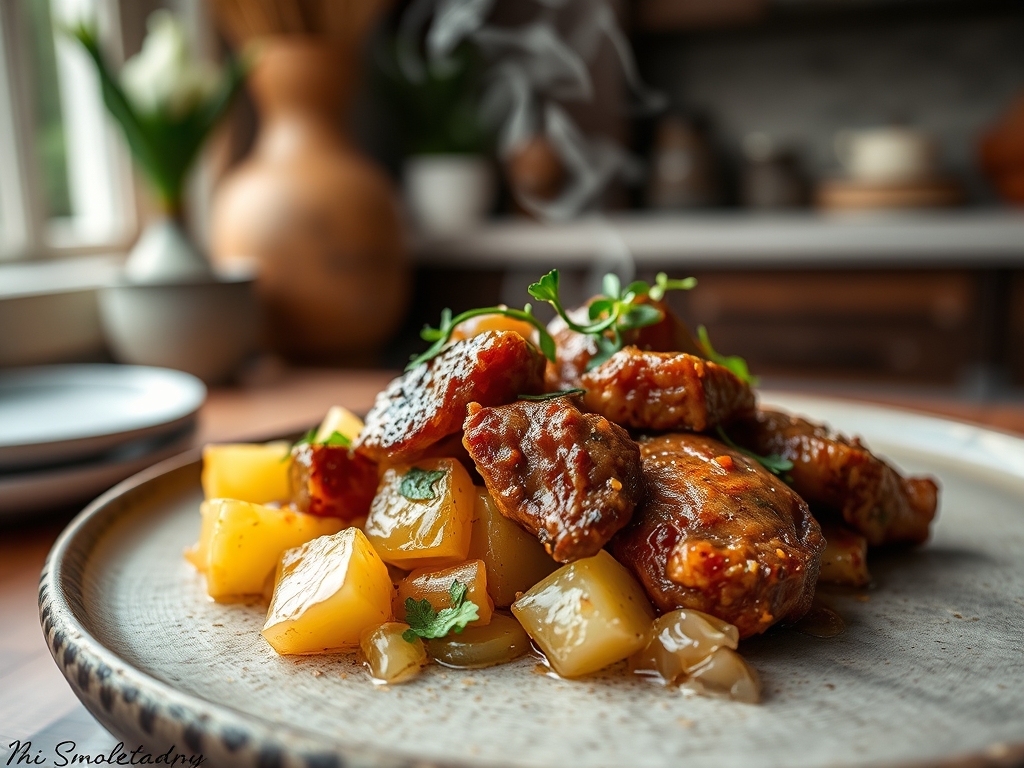
Picture a heavy-bottomed skillet screaming hot on the stovetop. You drop in a marbled ribeye, and the immediate hiss is a chemical symphony. Now, imagine introducing the bright, acidic punch of tropical fruit to that savory richness. Mastering pineapple and beef recipes is not just about a trendy flavor profile; it is a masterclass in enzymatic science and the delicate balance of pH levels on your palate.
The magic lies in bromelain. This powerful enzyme found in fresh pineapple acts as a natural meat tenderizer by breaking down tough muscle fibers. When you pair the deep, umami-rich notes of seared beef with the vibrant, piquant sugars of a pineapple glaze, you create a sensory experience that hits every taste bud. Whether you are craving a charred Hawaiian burger or a delicate stir-fry, the synergy between these two ingredients is undeniable. We are moving beyond the basic fruit salad and into the realm of high-end culinary chemistry. Grab your favorite chef's knife and a heavy apron. We are about to transform your kitchen into a laboratory of flavor where sweet meets heat and acid meets fat.
The Gathers:
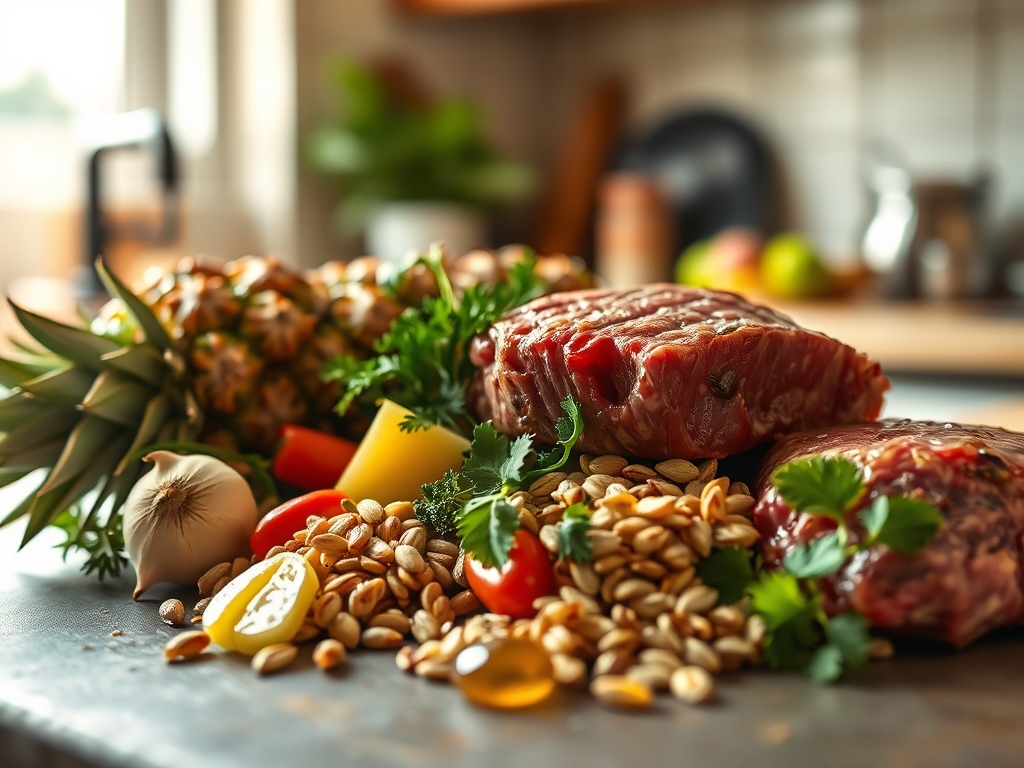
To execute these pineapple and beef recipes with precision, your mise-en-place must be flawless. Start with your protein. For high-heat searing, look for cuts with significant intramuscular fat, such as ribeye or flank steak. You will need a digital scale to ensure your portions are consistent. Next, the pineapple. Fresh is non-negotiable here because canned varieties are heat-treated, which destroys the bromelain enzymes we need for tenderization. Use a sharp utility knife to remove the "eyes" and core.
Your pantry staples should include high-smoke-point oils like avocado or grapeseed oil. Avoid extra virgin olive oil for searing; its low smoke point will result in a bitter, acrid crust. You will also need aromatics: fresh ginger for a spicy bite, garlic for depth, and scallions for a bright finish. For the sauce, gather aged soy sauce for salt, honey for viscosity, and rice vinegar to provide a sharp acidic counterpoint.
Smart Substitutions:
If you cannot find fresh pineapple, a splash of raw apple cider vinegar mixed with a touch of sugar can mimic the acidity, though you will lose the enzymatic tenderizing power. For those avoiding soy, coconut aminos offer a similar salty-sweet profile with a lower glycemic index. If beef is not on the menu, firm tofu or seitan can be substituted, though the cooking times will decrease significantly to avoid a rubbery texture.
The Clock: Timing Your Culinary Flow
Efficiency in the kitchen is all about "Chef's Flow." For most pineapple and beef recipes, your active prep time will hover around 20 minutes. This includes the precision dicing of fruit and the slicing of beef against the grain to shorten muscle fibers.
The cooking phase is rapid. High-heat searing takes roughly 3 to 5 minutes per side, while a stir-fry execution requires only 6 to 8 minutes of total heat exposure. However, do not overlook the "Resting Phase." Allowing your beef to rest for at least 10 minutes post-cook is vital. This allows the internal juices to redistribute, ensuring that the first cut does not result in a dry piece of meat. Total time from fridge to table? Approximately 45 minutes of focused, high-energy effort.
The Masterclass:
1. The Precision Slice
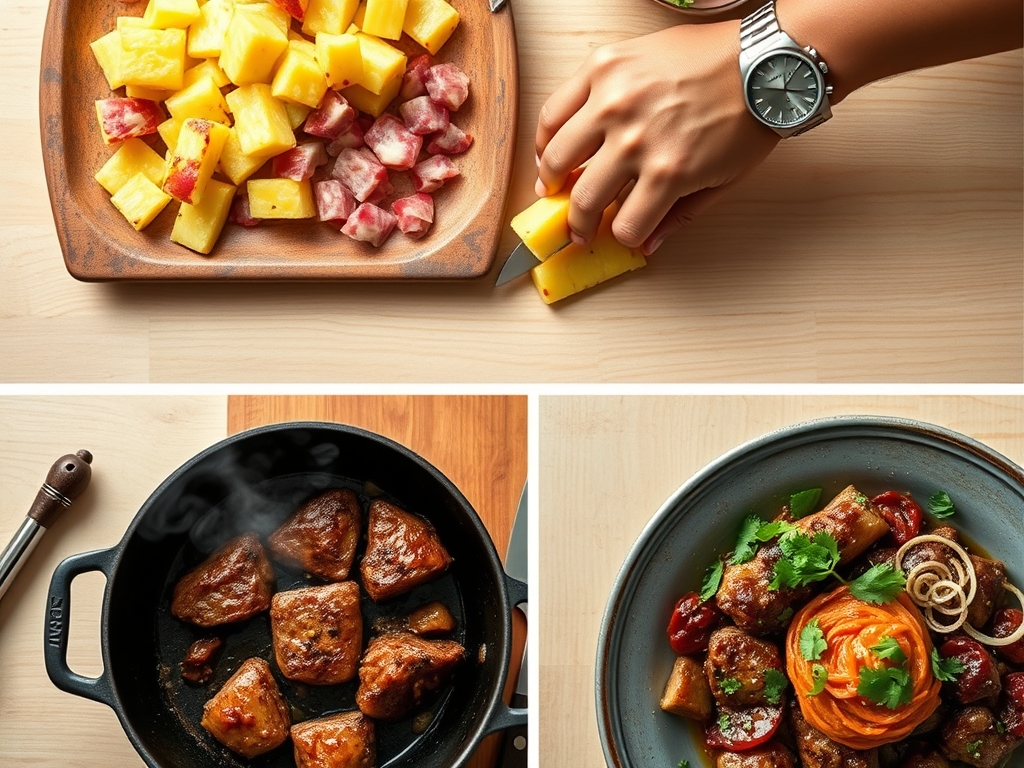
Using a sharp chef's knife, slice your beef into thin, uniform strips. If you are using a tougher cut like flank, ensure you are cutting perpendicular to the grain. This physical disruption of the fibers ensures a tender bite even before the pineapple enzymes get to work.
Pro Tip: Place your beef in the freezer for 15 minutes before slicing. This firms up the fat and muscle, allowing for paper-thin cuts that will sear instantly without overcooking the center.
2. The Enzymatic Marinade
Combine your sliced beef with fresh pineapple puree and a splash of soy sauce in a glass bowl. Use a silicone spatula to ensure every surface is coated. Limit this marinade time to 30 minutes.
Pro Tip: This is where proteolysis occurs. Bromelain breaks down protein chains. If you leave the beef in this marinade for too long (over 2 hours), the meat will lose its structural integrity and become mushy rather than tender.
3. The High-Heat Sear
Heat a heavy-bottomed skillet or a cast-iron pan until it just begins to smoke. Add your oil and then the beef in a single layer. Do not crowd the pan. Use stainless steel tongs to flip the pieces only once a deep brown crust has formed.
Pro Tip: This is the Maillard Reaction in action. This chemical reaction between amino acids and reducing sugars creates hundreds of different flavor compounds. Crowding the pan causes the temperature to drop, leading to steaming instead of searing.
4. Deglazing and Emulsification
Once the beef is removed, the pan will be covered in "fond" (browned bits). Pour in your pineapple juice and use a wooden spoon to scrape the bottom. Add a cold pat of butter or a cornstarch slurry and whisk vigorously until the sauce is glossy and coats the back of a spoon.
Pro Tip: This process is called deglazing. The acid in the pineapple juice releases the concentrated flavors stuck to the pan, while the whisking action creates a stable emulsion between the fats and the water-based liquids.
The Deep Dive: Science and Solutions
Macro Nutrition:
A standard serving of these pineapple and beef recipes provides a powerhouse of nutrients. You are looking at approximately 350 calories, with 30 grams of high-quality protein and 15 grams of healthy fats. The pineapple adds a significant dose of Vitamin C and manganese, which aids in bone health and metabolic function.
Dietary Swaps:
For a Keto version, swap the honey for monk fruit sweetener and serve the beef over cauliflower rice instead of jasmine rice. To make this Gluten-Free, ensure you are using tamari instead of standard soy sauce. For a Vegan twist, use "beefless" tips or king oyster mushrooms, which have a remarkably meaty texture when seared.
The Fix-It: Common Pitfalls
- The Meat is Tough: You likely cut with the grain or used canned pineapple. Next time, slice against the grain and use fresh fruit for the bromelain boost.
- The Sauce is Watery: You did not allow the sauce to reduce sufficiently. Continue to simmer over medium heat until the water evaporates and the sugars concentrate into a viscous glaze.
- The Pineapple is Mushy: You added the fruit too early. Add fresh pineapple chunks during the last 60 seconds of cooking to maintain their structural integrity and bright flavor.
Meal Prep & Reheating:
To maintain "day-one" quality, store the beef and sauce separately from the rice. When reheating, use a damp paper towel over the container in the microwave to create steam. This prevents the beef from drying out and keeps the pineapple succulent.
The Wrap-Up:
Bringing pineapple and beef recipes into your weekly rotation is a total game changer for your culinary repertoire. It is a dish that proves you understand the balance of acidity, sweetness, and savory depth. By respecting the science of the Maillard reaction and the power of bromelain, you are not just cooking; you are engineering a perfect meal. Now, go grab that skillet and show your kitchen who is boss.
The Kitchen Table:
Why is my beef mushy after marinating with pineapple?
Fresh pineapple contains bromelain, an enzyme that aggressively breaks down protein. If you marinate the beef for more than two hours, the muscle fibers disintegrate too much. Keep your marinade time under 30 minutes for the perfect tender texture.
Can I use canned pineapple for these recipes?
You can, but you will lose the tenderizing benefits. The canning process involves heat, which denatures the bromelain enzyme. Canned pineapple is fine for flavor and sweetness, but it will not help soften tougher cuts of beef.
What is the best cut of beef for a pineapple stir-fry?
Flank steak or sirloin tips are ideal. They have enough lean muscle to hold up to high heat but are porous enough to absorb the flavors of the pineapple glaze. Always slice thin and against the grain for maximum tenderness.
How do I prevent the pineapple from burning in the pan?
Pineapple has a high sugar content, which leads to rapid caramelization. Add your fruit chunks during the final minute of cooking. This allows them to warm through and glaze slightly without crossing the line into burnt territory.