
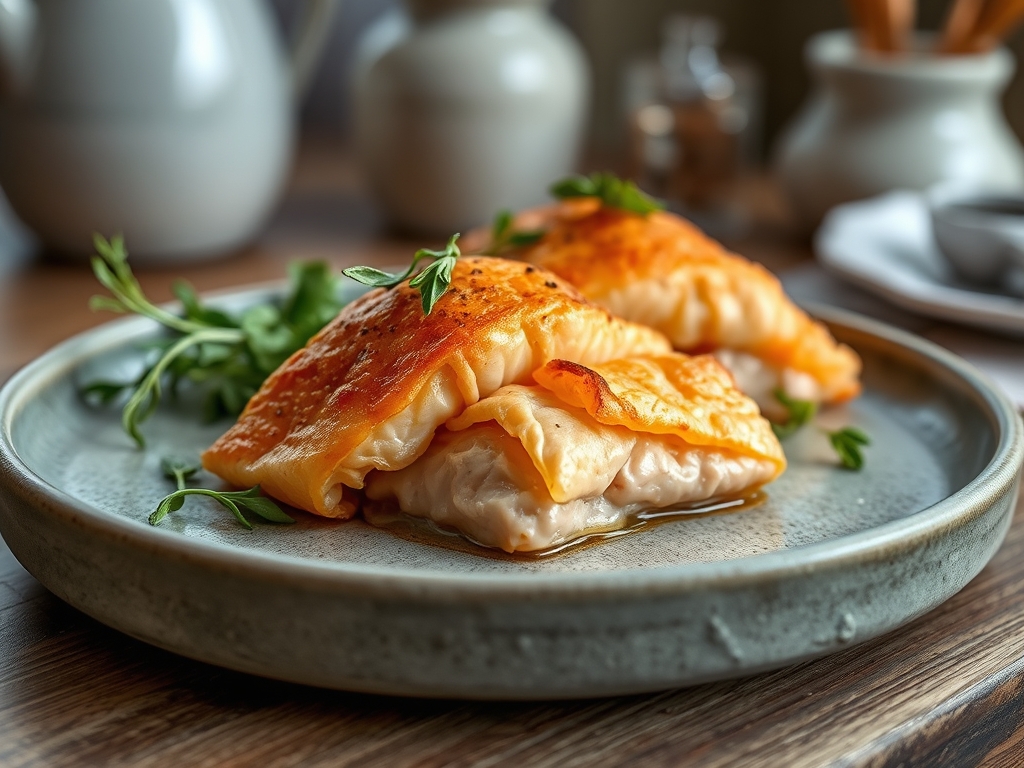
Imagine the sound of a thousand tiny glass shards shattering simultaneously under the pressure of a silver fork. That is the initial greeting of a perfectly executed salmon en croute. The air in your kitchen transforms; it carries the scent of toasted butter and the faint, citrusy perfume of fresh dill. When you explore phyllo salmon recipes, you are not just looking for a meal; you are seeking a textural masterpiece that balances the extreme fragility of paper-thin pastry with the lush, fatty density of a prime Atlantic fillet. This dish is the ultimate "quiet luxury" of the culinary world. It looks impossible to achieve, yet it relies on basic thermal physics and moisture management. We are going to build a crust so crisp it shatters, protecting a center that remains succulent and translucent. Forget the heavy, doughy brioche versions of the past. We are going to lighten the load, elevate the crunch, and master the art of the phyllo fold to ensure every bite is a balanced harmony of salt, fat, and acid.
The Gathers:
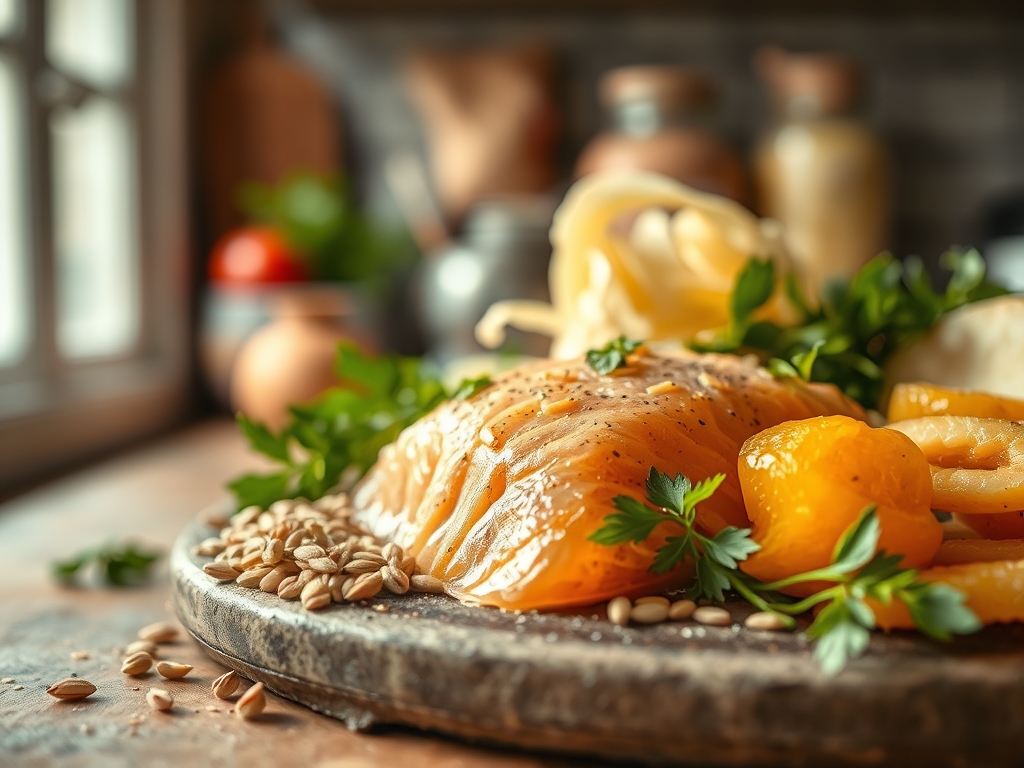
To begin, we must assemble our mise-en-place with the precision of a laboratory technician. Your primary subject is nine 6-ounce salmon fillets. Look for center-cut portions with uniform thickness; this ensures even heat distribution across the protein fibers. You will need a stack of high-quality phyllo dough, which is a non-leavened, flour-based sheet that relies on fat for separation. Speaking of fat, use high-quality European butter with at least 82 percent butterfat. Use a saucier to melt this gently, allowing the milk solids to settle.
For the aromatic binder, gather fresh baby spinach, shallots, and garlic. You will also need a microplane to zest a lemon and grate fresh nutmeg, which provides a warm, earthy counterpoint to the oceanic notes of the fish. A dollop of Dijon mustard acts as an emulsifier, helping the herbs cling to the salmon.
Smart Substitutions: If you are avoiding dairy, sub the butter for a high-smoke-point avocado oil spray; it lacks the Maillard-driven flavor of butter but provides incredible crispness. For a piquant twist, swap the spinach for finely chopped kale or even a thin layer of olive tapenade to introduce a salty, umami-rich punch.
The Clock:
The "Chef's Flow" for this recipe is all about temperature control. Total preparation time is approximately 40 minutes, with a bake time of 18 to 22 minutes. However, the secret is in the "Chilling Phase." You must allow your spinach filling to cool completely before it touches the pastry. If you apply a hot filling to phyllo, the steam will hydrate the starch molecules prematurely, resulting in a "soggy bottom" that no amount of heat can fix. Allocate 15 minutes for assembly and 10 minutes for the final rest. Resting is non-negotiable; it allows the internal juices to redistribute, ensuring the salmon does not "bleed" liquid onto your crisp pastry when sliced.
The Masterclass:
1. Prep the Protein and Aromatics
Start by patting the salmon fillets bone-dry with paper towels. Use a digital scale to ensure each portion is equal. In a heavy-bottomed skillet, saute the shallots and spinach until the greens are fully wilted. Transfer the mixture to a fine-mesh sieve and press firmly with the back of a spoon to remove every drop of excess moisture.
Pro Tip: This step prevents "hydrostatic pressure" from building up inside the pastry. If the spinach is wet, the steam will blow holes through the phyllo layers during the bake.
2. The Lamination Process
Lay one sheet of phyllo on a clean work surface. Using a pastry brush, apply a thin, even coating of melted butter. Repeat this until you have four layers stacked. The butter acts as a barrier and a frying medium, essentially "deep-frying" the layers from the inside out as the oven heat penetrates.
Pro Tip: This is a classic example of lamination. The water in the butter evaporates, creating tiny pockets of steam that lift the layers, while the fat fries the flour, creating that signature golden-brown crunch.
3. The Mustard Seal
Brush the top of each salmon fillet with a thin layer of Dijon mustard and sprinkle with lemon zest. Place the fillet in the center of your phyllo stack. Top with a generous tablespoon of the dried spinach mixture. Using a bench scraper can help you lift the edges of the delicate dough if it sticks to the counter.
Pro Tip: The mustard acts as an emulsified barrier. It prevents the fish oils from soaking directly into the pastry, preserving the structural integrity of the bottom layers.
4. The Envelope Fold
Fold the short sides of the phyllo over the salmon, then roll the entire package tightly like a burrito. Place the seam-side down on a parchment-lined baking sheet. Score the top of the pastry with three diagonal slashes using a very sharp paring knife. This allows steam to escape.
Pro Tip: Scoring is essential for ventilation. Without these vents, the internal steam would cause the pastry to "balloon" and eventually shatter or pull away from the fish.
5. The Golden Bake
Brush the exterior with a final coating of butter and a sprinkle of flaky sea salt. Bake at 400 degrees Fahrenheit until the pastry is deep gold and the internal temperature of the salmon reaches 125 degrees Fahrenheit on a digital thermometer.
Pro Tip: We pull the fish at 125 degrees to account for thermal carryover. The internal temperature will rise another 5 to 10 degrees while resting, landing at a perfect medium-rare to medium.
The Deep Dive:
From a macro perspective, this dish is a powerhouse of Omega-3 fatty acids and high-quality protein. One serving typically contains 450 calories, 32g of protein, and 28g of healthy fats.
Dietary Swaps: To make this Keto-friendly, you can swap phyllo for a cabbage leaf wrap, though you lose the crunch. For a Vegan version, use a "watermelon steak" that has been dehydrated and seared; use vegan butter or oil for the phyllo layers.
The Fix-It:
- Soggy Bottom: Your oven floor may be too cool. Use a preheated baking stone or move the tray to the lowest rack for the last five minutes.
- Tearing Phyllo: The dough is too dry. Keep a damp (not soaking) towel over the unused sheets to maintain humidity.
- Dry Salmon: You skipped the rest period. The juices didn't have time to re-absorb into the muscle fibers.
Meal Prep: To reheat and maintain "day-one" quality, avoid the microwave at all costs. The microwave excites water molecules, which will turn your pastry into a gummy mess. Instead, use an air fryer at 350 degrees for 4 minutes or a toaster oven. This re-activates the fats in the pastry, restoring the crisp texture.
The Wrap-Up:
Mastering phyllo salmon recipes is a rite of passage for any home cook looking to bridge the gap between "dinner" and "dining." It is a dish that demands respect for temperature and moisture, but rewards you with a sensory experience that is truly unmatched. Whether you are hosting a sophisticated gallery opening or just treating yourself to a Tuesday night win, these golden parcels are your ticket to culinary excellence. Now, grab that pastry brush and let the shattering begin!
The Kitchen Table:
How do I stop phyllo dough from breaking?
Keep unused sheets covered with a damp cloth. Work quickly and use plenty of melted butter to provide flexibility. If a sheet tears, simply "patch" it with butter and another layer; the texture is very forgiving once baked.
Can I make these ahead of time?
Yes, you can assemble the parcels up to four hours in advance. Keep them tightly wrapped in plastic in the refrigerator. Do not brush the final exterior butter layer until immediately before you slide them into the oven.
What is the best way to tell if the salmon is done?
Use a digital probe thermometer. Aim for 125 degrees Fahrenheit for a moist, flaky center. The pastry should be a deep, golden mahogany. Avoid overcooking, as phyllo does not insulate against heat as heavily as puff pastry.
Why is my spinach filling making the pastry wet?
You likely didn't squeeze enough water out. After sautéing, use a clean kitchen towel or a fine-mesh sieve to press the spinach until it is almost bone-dry. Moisture is the primary enemy of a crisp phyllo crust.