
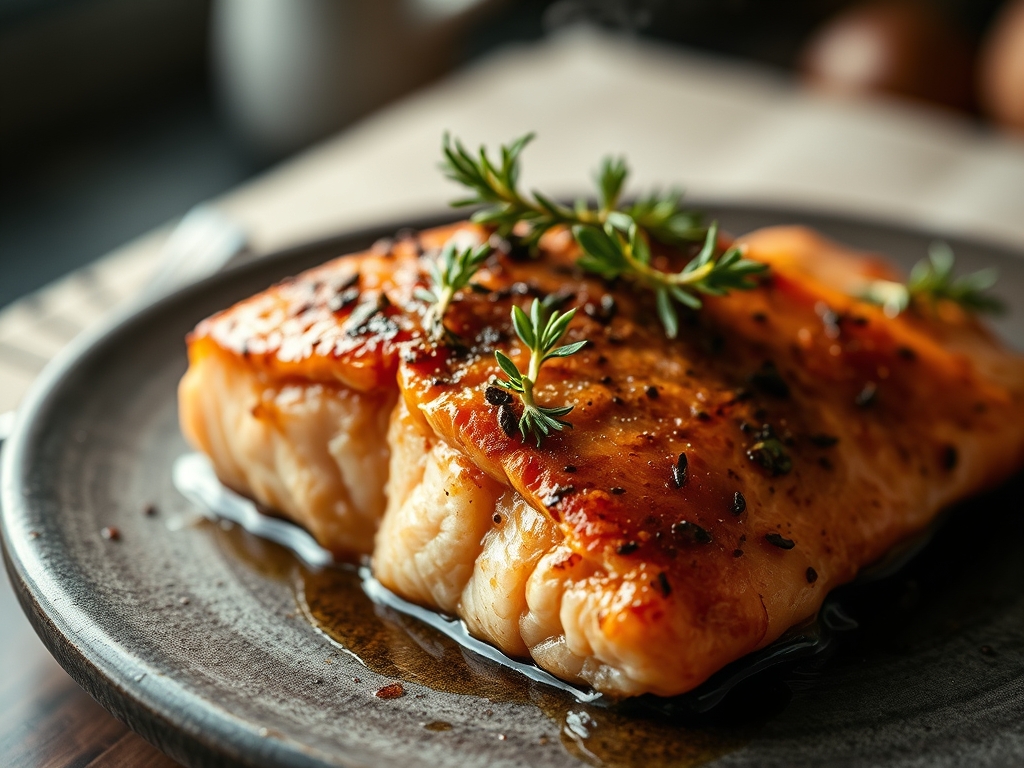
Imagine a crisp, ruby-red fillet hitting a hot surface; the initial hiss is a symphony of proteins transforming under heat. When searching for wild salmon recipes baked to perfection, most people settle for dry, chalky flakes that lack character. We are going to change that narrative right now. Wild salmon is a different beast entirely compared to its fatty, farmed cousins. It is leaner, more muscular, and packed with a complex, oceanic depth that requires a delicate touch and a bit of molecular understanding. This guide is your backstage pass to mastering the art of the oven, ensuring every bite is succulent, buttery, and mathematically perfect. We are moving beyond basic seasoning and into the realm of thermal precision. By the time we are done, you will treat a piece of Sockeye or King salmon with the same reverence a jeweler treats a gemstone. Let us sharpen our knives and calibrate our senses for the ultimate culinary upgrade.
The Gathers:
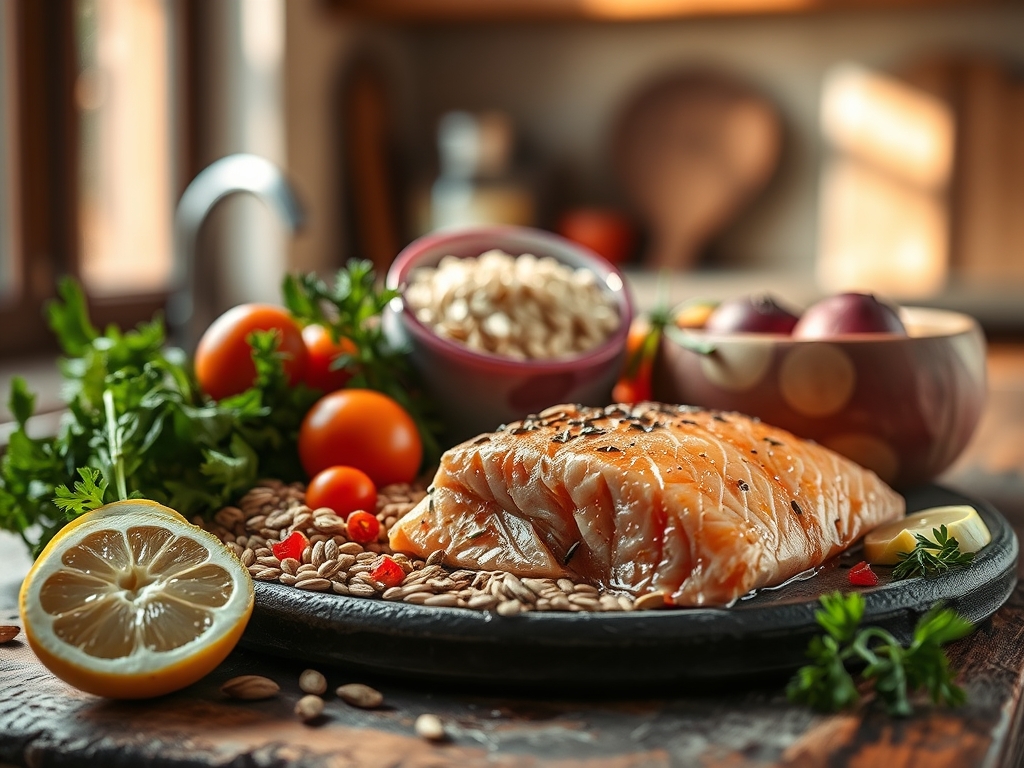
To achieve professional results, your mise-en-place must be intentional. Start with a cold, firm fillet of wild salmon; look for a deep saturation of color which indicates a high concentration of astaxanthin, a powerful antioxidant. You will need high-quality fats to compensate for the lower lipid content of wild fish. Gather high-smoke-point avocado oil or clarified butter (ghee) to facilitate heat transfer. For aromatics, use a microplane to zest fresh lemons, releasing the essential oils trapped in the flavedo without hitting the bitter pith. Fresh dill and parsley provide a piquant contrast to the rich flesh.
Smart Substitutions: If you lack fresh herbs, a high-quality dried tarragon can provide a similar licorice-like profile. Instead of lemon, a splash of verjus or a dry white wine can offer the necessary acidity to cut through the fats. For those avoiding dairy, a viscous emulsion of tahini and lemon juice can mimic the creamy mouthfeel of a traditional butter sauce while adding a nutty complexity.
The Clock
Efficiency in the kitchen is about the Chef's Flow, which is the logical sequencing of tasks to minimize downtime. Prep time should take exactly 15 minutes. This includes tempering the fish (bringing it closer to room temperature), chopping aromatics, and preheating your oven to a precise 375 degrees Fahrenheit. The cook time is remarkably short; usually between 8 to 12 minutes depending on the thickness of the fillet.
The most critical part of the clock is the five-minute rest period after the fish leaves the oven. During this window, residual heat continues to cook the center while the muscle fibers relax, allowing the juices to redistribute. If you cut into it immediately, the moisture will escape, leaving the fish dry. Total time from fridge to table is under 30 minutes, making this one of the most efficient high-protein meals in your repertoire.
The Masterclass
1. The Tempering Ritual
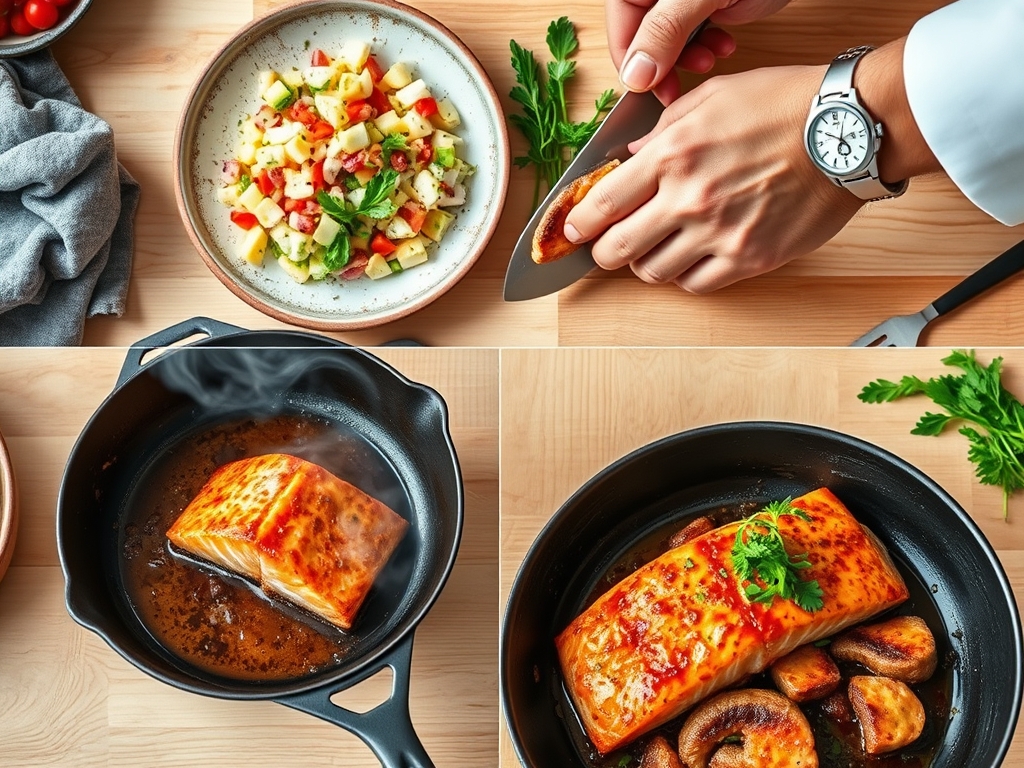
Remove your salmon from the refrigerator 20 minutes before cooking. Use a paper towel to pat the skin bone-dry. Moisture is the enemy of texture; if the surface is damp, the fish will steam rather than sear. Use a digital scale to ensure your portions are even, which guarantees they all finish cooking at the same time.
Pro Tip: This process prevents thermal shock. When ice-cold fish hits a hot oven, the muscle fibers contract violently, squeezing out the albumin (that white protein gunk). Tempering ensures a gentle transition and a cleaner aesthetic.
2. The Fat Barrier
Brush the fillet generously with your chosen fat. Use a silicone pastry brush to ensure every crevice is coated. Season aggressively with kosher salt from a height of twelve inches to ensure even distribution. The salt does more than season; it begins to break down the surface proteins, allowing for better heat penetration.
Pro Tip: Salt acts as a denaturant. By salting slightly ahead of time, you create a thin layer of "brine" on the surface that helps the fish retain its internal moisture during the high-heat bake.
3. The Aromatic Infusion
Place your aromatics—lemon slices, smashed garlic cloves, and woody herbs like thyme—directly onto the baking sheet or into a heavy-bottomed skillet. Place the salmon on top of these aromatics. This creates a flavor buffer, protecting the delicate underside of the fish from direct metal contact while the heat causes the aromatics to infuse the flesh from below.
Pro Tip: This is known as indirect conduction. The aromatics act as a thermal regulator, slowing down the heat transfer to the bottom of the fillet and preventing the overcooking of the thin belly meat.
4. The Precision Bake
Slide the tray into the center rack of the oven. If you are using a convection setting, reduce the temperature by 25 degrees. We are looking for the moment the flesh turns from translucent to opaque. Use a digital probe thermometer to check the internal temperature. For wild salmon, you want to pull it at 120 degrees Fahrenheit for a perfect medium-rare.
Pro Tip: Thermal carryover is a real scientific phenomenon. The internal temperature will rise by 5 to 7 degrees after you remove the fish from the oven. Pulling it early is the only way to avoid the dreaded "chalky" texture.
5. The Acid Finish
Once the fish is out and resting, hit it with a final squeeze of fresh lemon juice or a dash of champagne vinegar. This "wakes up" the flavors. Use a saucier to quickly melt a tablespoon of butter with some capers and pour this over the resting fillets for a glossy, professional finish.
Pro Tip: Acid triggers salivation, which enhances our perception of flavor. It also balances the pH of the dish, making the rich fats in the salmon feel lighter on the palate.
The Deep Dive
Macro Nutrition: Wild salmon is a nutritional powerhouse. A 6-ounce portion typically contains about 35 grams of high-quality protein and is rich in Omega-3 fatty acids (EPA and DHA). It is significantly lower in calories and saturated fats than farmed Atlantic salmon, making it the superior choice for heart health and cognitive function.
Dietary Swaps:
- Keto: Double down on the fats by topping the salmon with a dollop of homemade pesto or herb-infused tallow.
- Vegan: While there is no direct substitute for salmon, the baking technique works beautifully for thick slabs of cauliflower or "steaks" made from compressed watermelon, though the cook times will vary.
- GF: This recipe is naturally gluten-free; just ensure your spices are not processed in a facility with cross-contamination.
The Fix-It:
- The White Gunk (Albumin): If you see white spots, your oven was too hot or you overcooked the fish. Simply scrape it off gently with a bench scraper; the fish is still edible, just slightly drier.
- Stuck Skin: If the skin sticks to the pan, you likely didn't use enough fat or the pan wasn't preheated. Use a thin fish spatula to get underneath the skin without tearing the flesh.
- Uneven Cooking: If the tail is done but the center is raw, tuck the thin tail end underneath itself before baking to create a uniform thickness.
Meal Prep: To reheat salmon without ruining it, avoid the microwave at all costs. The microwave vibrates water molecules, which toughens the protein. Instead, place the leftover salmon in a low oven (275 degrees) with a tablespoon of water and cover it with foil to create a gentle steam chamber. This restores the viscous moisture of the fats.
The Wrap-Up
Mastering wild salmon recipes baked in your own kitchen is a transformative skill. It is the intersection of biological science and culinary intuition. By controlling your temperatures, respecting the rest period, and choosing high-quality fats, you elevate a simple piece of seafood into a five-star entree. Remember that wild fish is a seasonal gift; treat it with the precision it deserves, and it will reward you with unparalleled flavor and texture. Now, get into that kitchen and show that oven who is boss!
The Kitchen Table
How do I know when wild salmon is done without a thermometer?
Press the thickest part of the fillet with your finger. If the flakes begin to separate (the "flake test") and the flesh offers slight resistance rather than feeling mushy, it is ready. It should remain slightly translucent in the very center.
Can I bake wild salmon from frozen?
It is not recommended. Thawing ensures even heat distribution. If you must, use a low-temperature "slow-roasting" method at 250 degrees to prevent the outside from becoming rubbery while the inside remains an ice block.
Why is my wild salmon drier than farmed salmon?
Wild salmon has significantly less intramuscular fat. It is a lean, active fish. Because there is less fat to buffer the heat, it overcooks in seconds. Precision timing and lower finishing temperatures are essential for success.
Should I leave the skin on when baking?
Absolutely. The skin acts as a protective barrier against the hot pan and contains a layer of fat that renders during cooking, basting the fish from the bottom up. It also holds the delicate fillet together during plating.