
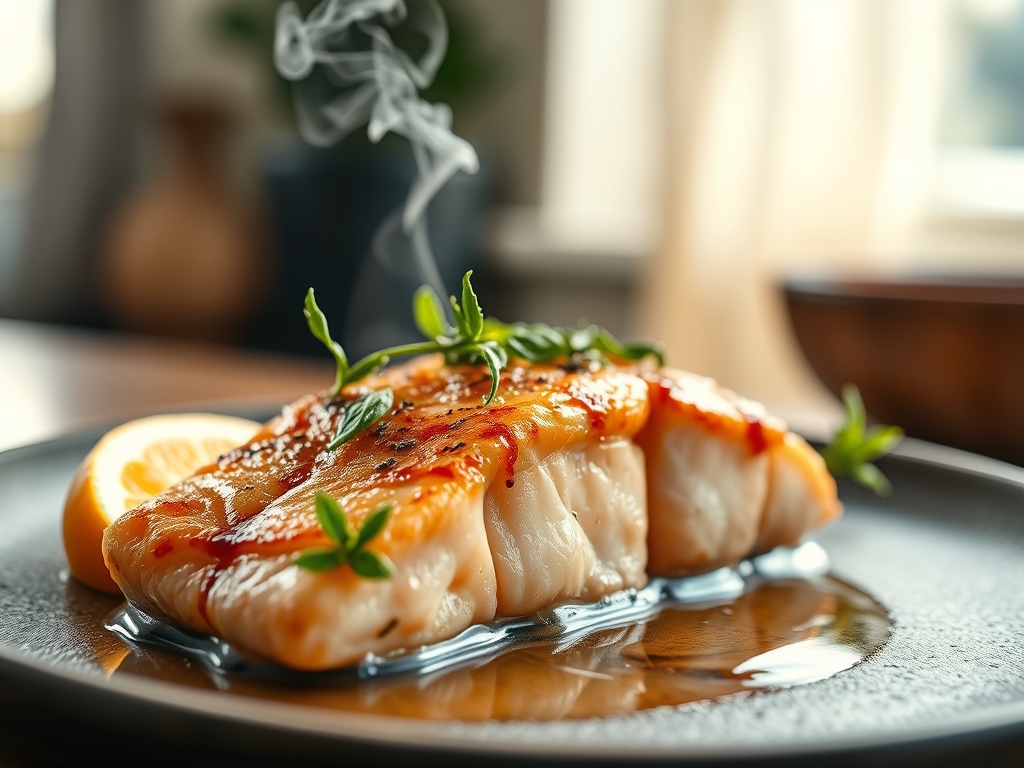
Close your eyes and imagine the sound of a heavy-bottomed skillet hitting the burner; that rhythmic clink is the opening note to your new favorite weeknight ritual. We are talking about the ultimate intersection of fatty, omega-3 rich fish and the high-acid brightness of citrus. When you search for salmon recipes orange juice, you are likely looking for that perfect balance of sweetness and tang that cuts through the richness of the fillet. The magic happens when the natural sugars in the juice undergo the Maillard reaction, transforming a thin liquid into a viscous, amber nectar that clings to every flake of fish. This is not just about dinner; it is about mastering the chemistry of a glaze that shimmers under the kitchen lights. We are going to explore ten distinct ways to pivot this flavor profile, from spicy chipotle infusions to ginger-heavy reductions. Whether you are searing, roasting, or air-frying, the goal remains the same: a piquant crust and a tender, translucent interior that melts the moment it hits your tongue.
The Gathers:
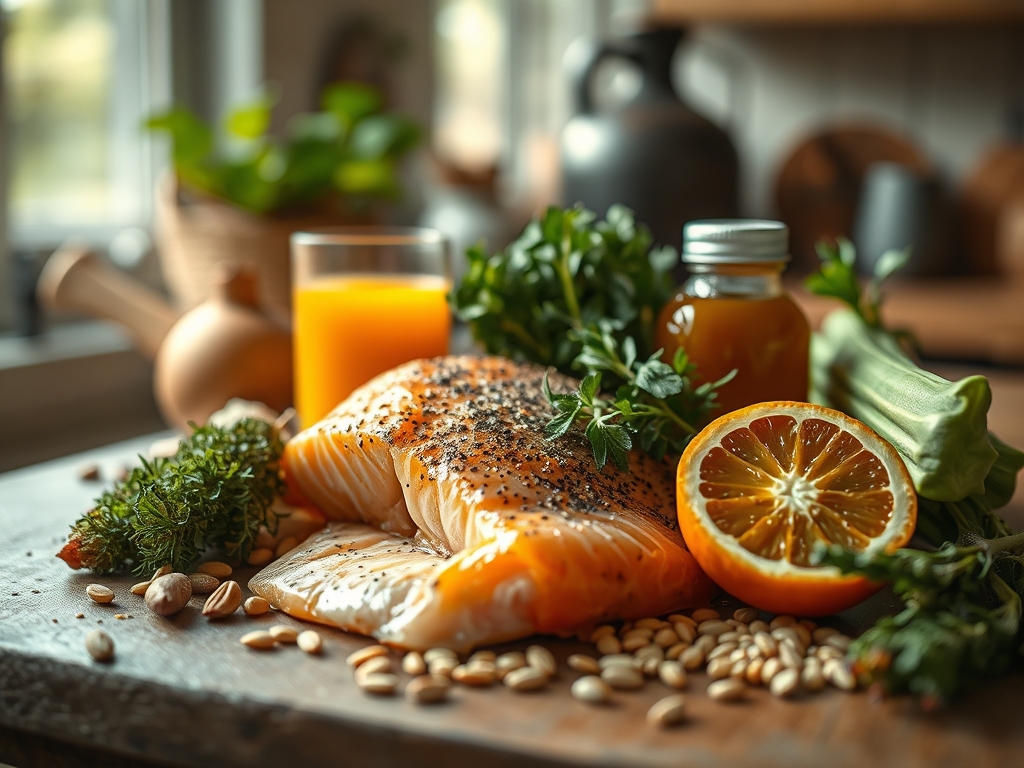
Before we ignite the flame, your mise-en-place must be impeccable. Scientific precision in your ingredient prep ensures that the sugars do not scorch before the proteins set. You will need high-quality salmon fillets, ideally center-cut for uniform heat distribution. For the liquid base, fresh-squeezed cara cara or blood oranges provide a deeper complexity than standard navel varieties due to their lower acidity and higher anthocyanin content.
Gather your aromatics: fresh ginger root, garlic cloves, and perhaps a stalk of lemongrass. Use a microplane to grate these into a fine paste; this increases the surface area, allowing the volatile oils to infuse the glaze more rapidly. You will also need a stabilizer like honey or maple syrup to help the glaze reach the proper viscosity.
Smart Substitutions:
If you find yourself without fresh citrus, a high-quality, pulp-free bottled juice works, but you must add a teaspoon of apple cider vinegar to mimic the missing citric bite. For a low-glycemic option, swap the honey for a monk fruit reduction. If you are avoiding soy, coconut aminos offer that same savory umami depth with a fraction of the sodium. Always have a digital scale nearby to measure your liquids in grams for absolute consistency.
The Clock: Timing the Perfect Sear
Efficiency in the kitchen is all about "Chef's Flow." You should anticipate a total active time of 15 minutes, with a 10-minute passive window for the glaze to reduce.
- Prep (5 Minutes): This is where you pat the salmon bone-dry with paper towels. Moisture is the enemy of the sear.
- Reduction (8 Minutes): While the fish rests at room temperature, you will simmer your orange juice mixture in a saucier.
- The Cook (7-10 Minutes): Depending on the thickness of your fillets, you are looking for an internal temperature of 125 degrees Fahrenheit for medium-rare.
The "Flow" dictates that you start the glaze first. By the time your skillet is screaming hot, the glaze should be thick enough to coat the back of a spoon.
The Masterclass: A Step-by-Step Guide
1. Tempering and Drying the Protein
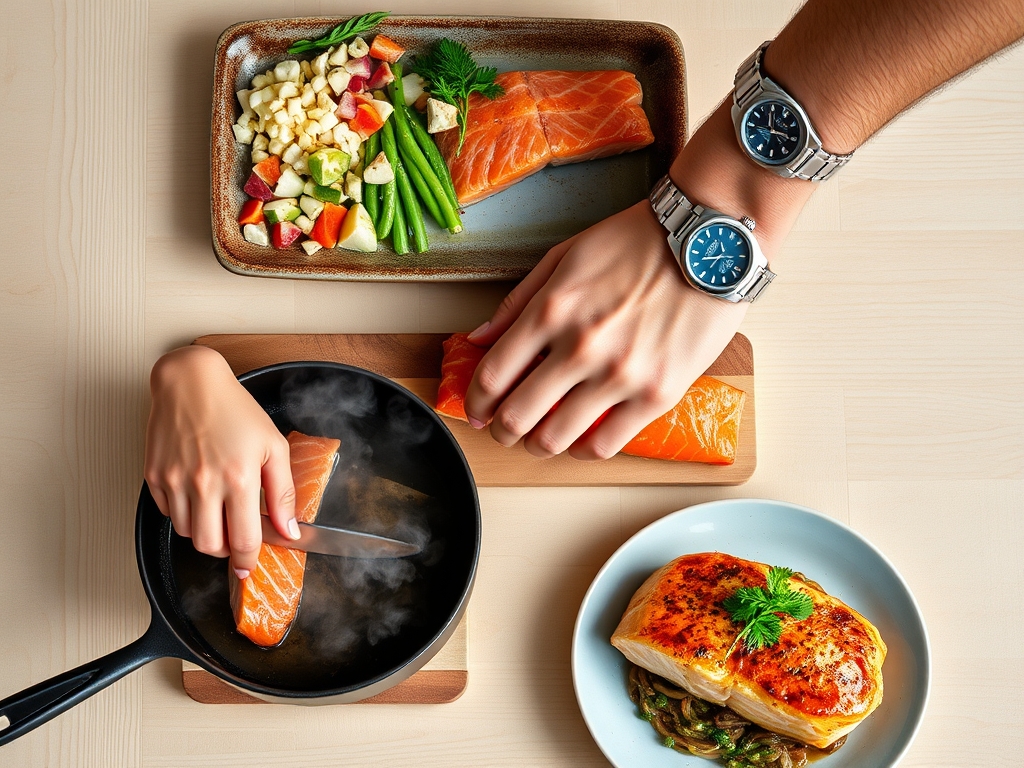
Remove your salmon from the refrigerator 20 minutes before cooking. Use a bench scraper to clear your workspace and ensure the skin side is meticulously dry. Pro Tip: Tempering the fish prevents the muscle fibers from "shocking" and tightening when they hit the pan, ensuring a buttery texture.
2. The Initial Sear
Heat a heavy-bottomed skillet with a high-smoke-point oil like avocado oil. Place the salmon skin-side down and press firmly with a flexible spatula. Pro Tip: This physical pressure prevents the skin from curling, allowing the collagen to render into a crisp, cracker-like texture through conductive heat.
3. Deglazing the Pan
Once the fish is flipped and nearly cooked, pour your prepared orange juice reduction into the pan. Use tongs to swirl the fillets, ensuring the liquid picks up the "fond" (the browned bits) from the bottom. Pro Tip: Deglazing incorporates those caramelized proteins back into the sauce, creating a complex, savory-sweet profile known as enzymatic browning.
4. Basting for Gloss
Tilt the pan and use a large spoon to continuously bathe the top of the salmon in the bubbling juice. Pro Tip: This technique, called "arroser," uses the hot fat and sugar to create a professional-grade lacquer that seals in moisture.
5. The Rest and Carryover
Move the salmon to a warm plate and let it sit for three minutes. Pro Tip: Thermal carryover will continue to raise the internal temperature by 5 degrees. Resting allows the internal juices to redistribute so they don't run out when you take your first bite.
The Deep Dive: Nutrition and Troubleshooting
Macro Nutrition:
Salmon is a powerhouse of long-chain Omega-3 fatty acids (EPA and DHA). A standard 6-ounce portion paired with an orange glaze provides roughly 34 grams of protein and 20 grams of healthy fats. The vitamin C in the orange juice actually aids in the absorption of any non-heme iron present in your side dishes, like spinach or kale.
Dietary Swaps:
- Vegan: Use the same glaze over thick slabs of cauliflower or firm tofu.
- Keto: Replace the orange juice with a mixture of orange extract, water, and erythritol to keep the net carbs under 5 grams.
- Gluten-Free: Ensure your thickener is arrowroot powder rather than flour, and always use tamari.
The Fix-It: Common Pitfalls
- The Glaze is Too Thin: Whisk in a small "slurry" of cornstarch and cold water. It will tighten the sauce instantly.
- The Skin is Soggy: You likely flipped too early or the pan wasn't hot enough. Next time, wait for the fish to "self-release" from the metal.
- The Sauce is Bitter: This happens if you zest too deep into the white pith of the orange. Balance it with a pinch of salt or a drop of agave.
Meal Prep and Reheating:
To maintain "day-one" quality, store the glaze separately. Reheat the salmon in a 275-degree oven covered with foil. This low-temperature method prevents the fats from oxidizing and becoming "fishy," a common issue with microwave reheating.
The Wrap-Up
Mastering salmon recipes orange juice is your ticket to becoming the hero of the dinner table. It is a dish that looks like a million dollars but relies on simple, high-heat physics and the balancing of pH levels. By focusing on the reduction of the juice and the crispness of the skin, you create a sensory experience that hits every flavor note: salty, sweet, sour, and fatty. Now, grab your citrus and your favorite skillet; it is time to turn those fillets into a masterpiece.
The Kitchen Table
How do I stop the orange glaze from burning?
Add your glaze only during the final two minutes of cooking. The high sugar content in orange juice caramelizes quickly; adding it too early leads to carbonization rather than a glossy reduction. Keep the pan moving constantly.
What is the best orange for salmon glazes?
Valencia or Cara Cara oranges are superior due to their high sugar-to-acid ratio. They provide a balanced sweetness that thickens beautifully into a syrup without requiring excessive added honey or refined sugars.
Can I use frozen salmon for this recipe?
Yes, but thaw it completely in the refrigerator and pat it extremely dry. Frozen fish often retains excess moisture, which can steam the salmon instead of searing it, ruining the texture of the glaze.
How do I know when the salmon is done?
Use a digital thermometer to check for an internal temperature of 125 to 130 degrees Fahrenheit. The flakes should just begin to separate when pressed gently with a fork, showing a translucent center.
Should I leave the skin on?
Absolutely. The skin acts as an insulator, protecting the delicate flesh from overcooking. It also contains the highest concentration of Omega-3s and, when seared properly, provides a necessary textural contrast to the soft glaze.