
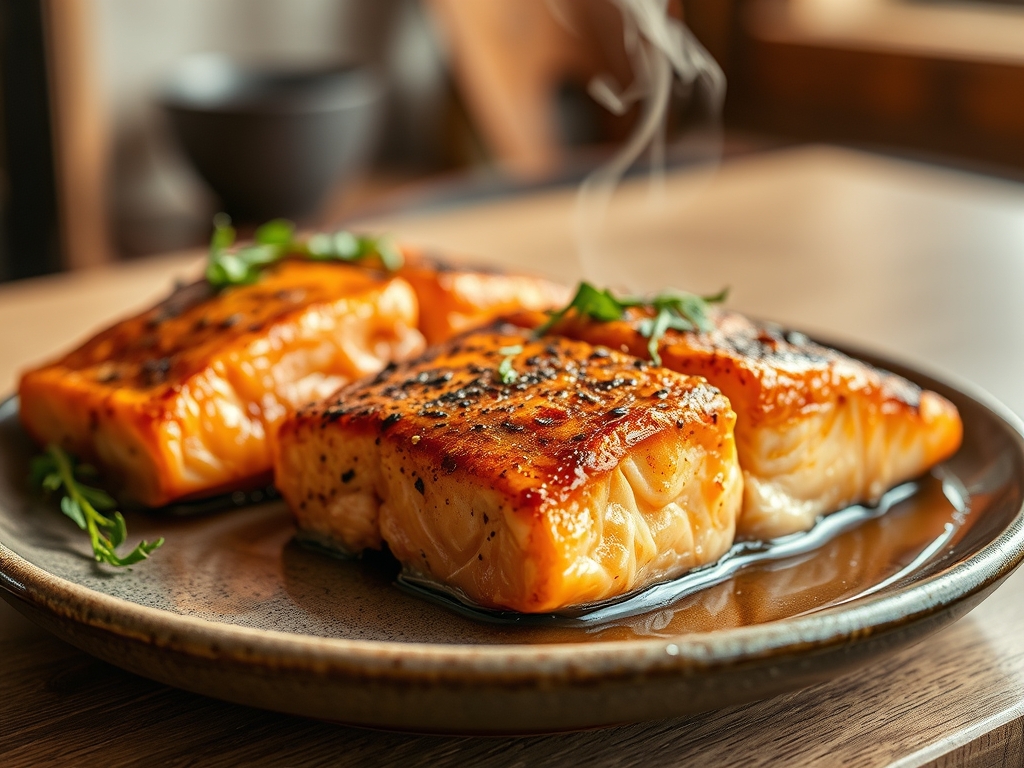
Picture a slab of King salmon so vibrant it looks like a sunset resting on your counter. The skin is tacky to the touch; the flesh is firm but yielding. When you master electric smoker salmon recipes, you are not just cooking; you are performing a delicate molecular dance between smoke and protein. Most home cooks settle for dry, flaky fish that feels like cardboard in the mouth. We are going for something entirely different. We want a buttery, translucent interior protected by a shimmering, lacquered exterior. The magic of an electric smoker lies in its precision. Unlike offset smokers that fluctuate wildly, your electric unit acts as a high-tech incubation chamber for flavor. We are going to harness that steady heat to transform a raw fillet into a piece of culinary art that rivals any high-end smokehouse.
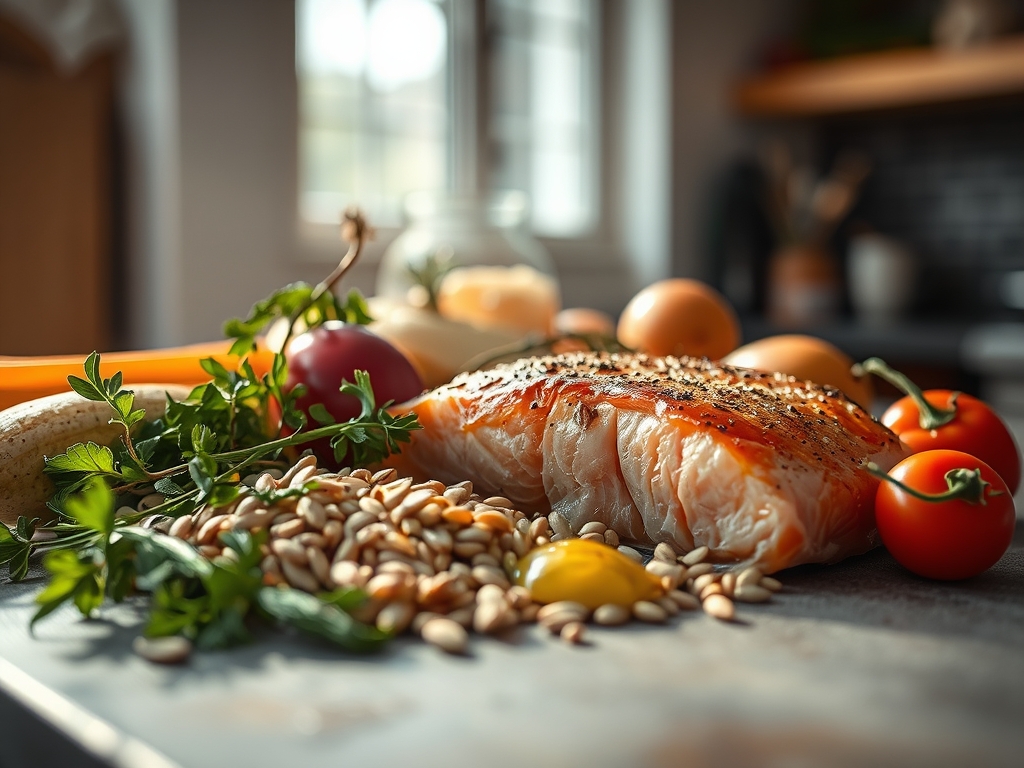
The Gathers:
To achieve professional results, your mise-en-place must be flawless. Start with a side of wild-caught salmon, preferably weighing between two and three pounds. You will need a digital scale to measure your dry brine ingredients; precision here prevents the fish from becoming a salt lick. The base of your cure is a 2:1 ratio of dark brown sugar to coarse kosher salt. The sugar is not just for sweetness. It is a humectant that draws moisture out while keeping the internal cells hydrated.
Add a tablespoon of cracked black peppercorns and the zest of two lemons using a microplane to release the essential oils. For the wood, reach for alder or apple chips. These woods provide a subtle, sweet smoke that complements rather than overpowers the delicate fish oils.
Smart Substitutions: If you are watching your sugar intake, swap the brown sugar for a granulated monk fruit sweetener. It mimics the texture and provides a similar osmotic pressure during the curing phase. If you cannot find fresh salmon, high-quality frozen sockeye works beautifully, provided you thaw it slowly in the refrigerator to prevent "drip loss," which is the leaking of cellular fluids that leaves fish mushy.
The Clock
Efficiency in the kitchen is all about the "Chef's Flow." You cannot rush this process. Total active prep time is only 20 minutes, but the passive time is where the transformation happens. Plan for a 4-hour dry brine followed by a 2-hour "air dry" in the fridge to develop the pellicle.
The actual smoking process takes between 2 and 3 hours depending on the thickness of the fillet. Your goal is a steady internal temperature, not a fast sear. By the time you factor in the 30-minute rest period, you are looking at a 7 to 8-hour journey. This is a Saturday project. Start in the morning, and you will have the centerpiece of your dinner party ready by sunset.
The Masterclass
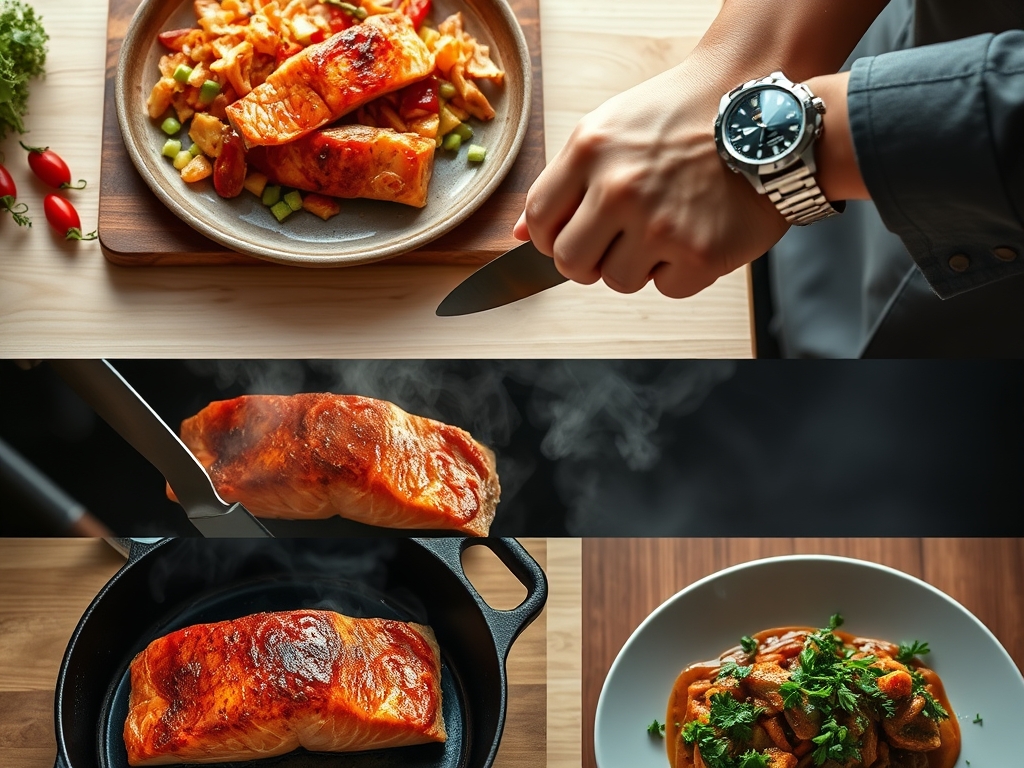
1. The Precision Trim
Use a sharp fillet knife or a bench scraper to clean up the edges of your salmon. Remove the thin belly fat and any ragged bits. This ensures the fillet cooks evenly. If the tail is significantly thinner than the center cut, tuck it under itself to create a uniform thickness.
Pro Tip: This step is about thermal mass. By creating a uniform shape, you prevent the thin edges from overcooking and becoming "jerky" before the thick center reaches the target temperature.
2. The Osmotic Cure
Pack your salt and sugar mixture heavily over the flesh side of the salmon. Place it in a glass dish and cover it tightly with plastic wrap. Let it sit in the refrigerator for four hours. You will notice a viscous liquid pooling in the bottom of the dish; this is the salt drawing out excess water.
Pro Tip: This is denaturation in action. The salt rearranges the protein structures, firming the texture so the fish does not fall apart on the smoker racks.
3. The Pellicle Development
Rinse the brine off thoroughly under cold water. Pat it bone-dry with paper towels. Place the salmon on a wire rack over a baking sheet and put it back in the fridge, uncovered, for at least two hours. The surface should become tacky and shiny.
Pro Tip: This shiny layer is called the pellicle. It acts as a "glue" for smoke molecules. Without a proper pellicle, the smoke will simply bounce off the fish rather than infuse into the meat.
4. Setting the Stage
Preheat your electric smoker to 225 degrees Fahrenheit. Fill the water pan with hot water and a splash of apple cider vinegar. This creates a moist environment that prevents the exterior of the fish from case-hardening.
Pro Tip: A moist environment facilitates smoke absorption. Smoke particles are water-soluble; a humid smoker allows for a deeper, more even smoke ring without drying out the surface.
5. The Gentle Smoke
Place the salmon skin-side down on the racks. Use a digital probe thermometer to monitor the internal temperature. Do not rely on the smoker's built-in gauge; they are notoriously inaccurate. Close the door and resist the urge to peek.
Pro Tip: Opening the door causes a thermal crash. In an electric smoker, it can take ten minutes to recover the lost heat, which messes with the delicate timing of the fat rendering.
6. The Glaze Application
When the internal temperature hits 130 degrees, use a saucier to warm up a mixture of maple syrup and bourbon. Brush this lightly over the salmon. This adds a piquant finish and a gorgeous mahogany glow.
Pro Tip: This is a late-stage Maillard reaction. The sugars in the glaze caramelize quickly, providing a complex flavor profile that balances the salt from the brine.
7. The Pull and Rest
Remove the salmon when the internal temperature reaches 140 degrees. Move it carefully using wide tongs or a large spatula to a wooden cutting board. Tent it loosely with foil.
Pro Tip: This accounts for thermal carryover. The internal temperature will continue to rise by 5 degrees while resting, bringing you to a perfect, juicy 145 degrees.
The Deep Dive
From a macro perspective, smoked salmon is a nutritional powerhouse. It is loaded with Omega-3 fatty acids and high-quality protein. A 4-ounce serving typically contains 200 calories, 25 grams of protein, and 10 grams of healthy fats.
For dietary swaps, this recipe is naturally Gluten-Free. To make it Keto, replace the brown sugar and maple glaze with an erythritol-based brown sugar substitute and a sugar-free maple syrup. For a vegan "fix," you can apply this exact brine and smoke method to thick slabs of extra-firm tofu or large "steaks" of king oyster mushrooms, though the smoking time will be reduced by half.
The Fix-It: Common Pitfalls
- White Stuff (Albumin): If you see white beads on the surface, you cooked it too fast. The protein (albumin) is being squeezed out of the muscle fibers. Lower your heat.
- Bitter Flavor: This happens if your wood chips are smoldering without enough oxygen. Ensure your top vent is at least half-open to aerate the chamber.
- Soggy Skin: If the skin is rubbery, you didn't dry it enough. Next time, ensure the air-dry phase in the fridge is a full two hours.
Meal Prep Science: To reheat, do not use a microwave. It will turn the fats rancid. Instead, place the salmon in a heavy-bottomed skillet with a tablespoon of water, cover it, and warm it over low heat for three minutes. This "steams" the fish back to its original texture.
The Wrap-Up
Mastering electric smoker salmon recipes is your ticket to becoming the MVP of every brunch and backyard gathering. By understanding the science of the pellicle and the precision of the cure, you have moved beyond "cooking" into the realm of professional craftsmanship. The result is a fillet that is smoky, sweet, and incredibly tender. Now, grab your microplane, find the freshest fish possible, and let that electric smoker work its magic. Your taste buds will thank you.
The Kitchen Table
How long does smoked salmon last in the fridge?
Stored in an airtight container or vacuum-sealed bag, your smoked salmon will remain fresh for up to seven days. For the best quality, consume it within four days to ensure the texture remains firm and the oils stay sweet.
Can I smoke salmon without a brine?
You can, but the texture will be significantly different. A brine is essential for "tightening" the protein fibers and seasoning the fish deeply. Without it, the salmon often turns out mushy and lacks that signature professional "snap."
What is the best wood for electric smoker salmon recipes?
Alder is the gold standard for Pacific Northwest-style salmon. It provides a light, sweet smoke. Fruitwoods like apple or cherry are also excellent. Avoid heavy woods like hickory or mesquite, which can easily overwhelm the delicate fish.
Why is my smoked salmon dry?
Dryness is almost always caused by overcooking or skipping the water pan. Ensure you pull the fish at 140 degrees Fahrenheit. The internal temperature will rise to 145 degrees during the rest, keeping the healthy fats intact and juicy.