
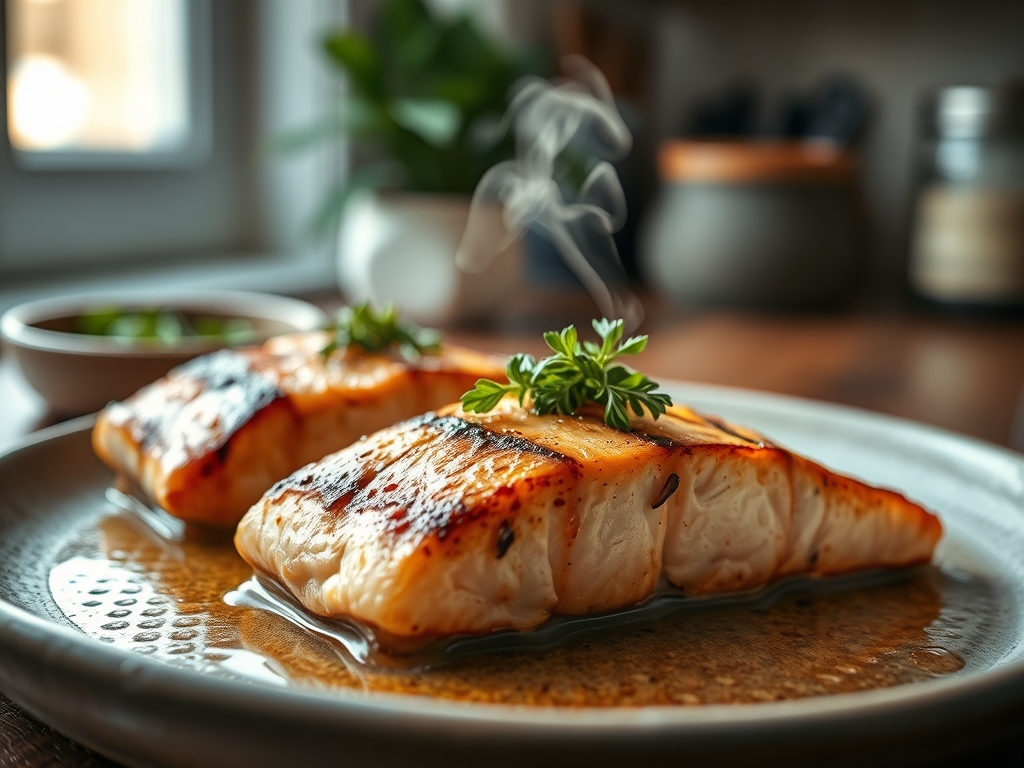
Imagine the sound of a cold, marbled fillet hitting a surface that is exactly four hundred degrees. That high pitched hiss is not just noise; it is the sound of water evaporating instantly to make room for a golden crust. When you master griddle salmon recipes, you are balancing the delicate physics of heat transfer against the fatty richness of the fish.
Salmon is a unique protein because it is packed with long chain omega 3 fatty acids that behave differently than the saturated fats in beef. On a flat top griddle, you have the surface area to achieve a uniform sear that a standard pan often misses. We are going after that glass like skin and a center that remains translucent and buttery. It is a dance between the Maillard reaction and internal temperature. If you have ever struggled with fish sticking or turning into a dry, chalky mess, take a breath. We are going to use science to turn your kitchen into a high end bistro.
The Gathers:
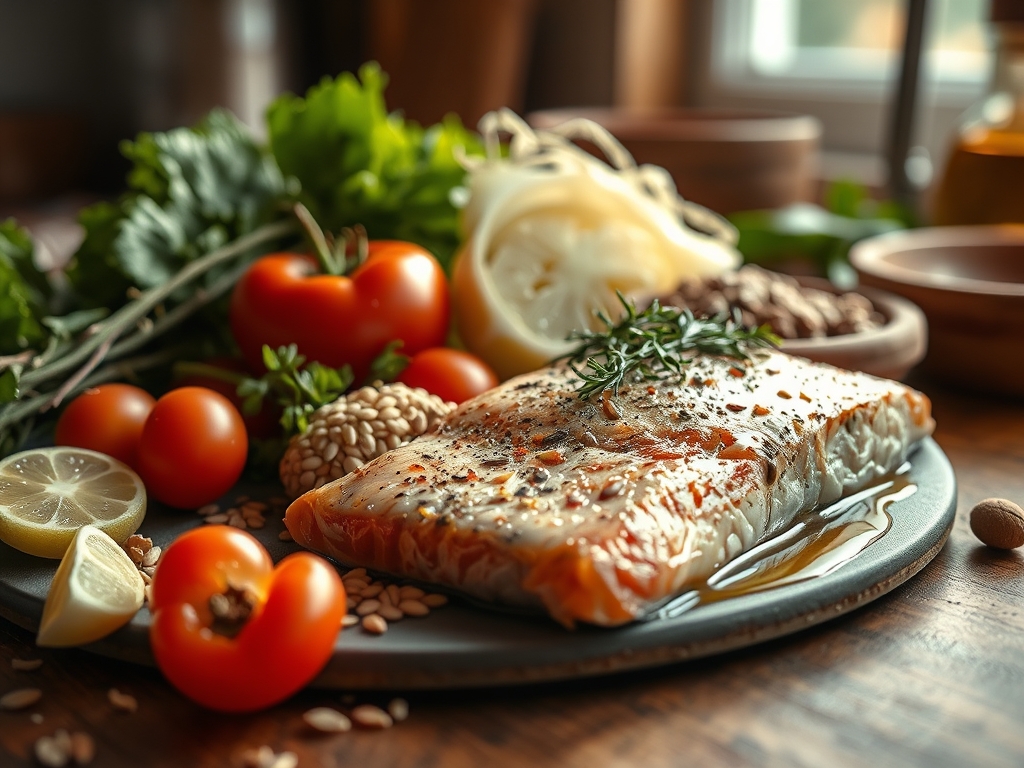
Before we ignite the burners, your mise en place must be flawless. Start with high quality Atlantic or King salmon fillets, ideally cut to a uniform 1.5 inch thickness. You will need a high smoke point oil like avocado or grapeseed oil; extra virgin olive oil will smoke and turn acrid at these temperatures. For seasoning, use coarse kosher salt to draw out surface moisture and freshly cracked black pepper for a piquant bite.
Your tool kit is just as vital as the fish. You will need a flexible metal fish spatula to get under the delicate skin without tearing it. A digital instant read thermometer is non negotiable for precision. Grab a microplane for zesting citrus at the finish and a small saucier if you plan on whisking together a lemon butter reduction while the fish rests.
Smart Substitutions: If you are avoiding nightshades, swap paprika for ground sumac to get that deep red hue and a citrusy punch. If you do not have a flat top griddle, a heavy bottomed cast iron skillet is the best surrogate for heat retention. For a vegan alternative that mimics this texture, marinated "steaks" of king oyster mushroom or thick cut cauliflower can be seared using these same thermal principles.
The Clock:
The "Chef's Flow" is all about timing the heat so the fish and sides cross the finish line together. Total active time is roughly 20 minutes.
- Prep (10 Minutes): This includes patting the fish dry and allowing it to sit at room temperature. Cold fish in a hot pan causes the muscle fibers to seize, resulting in a tough texture.
- The Sear (6 to 8 Minutes): Most of this time is spent "skin side down" to render the fat and create a protective thermal barrier.
- The Rest (3 to 5 Minutes): This is the most ignored step. Resting allows the internal juices to redistribute. If you cut it immediately, the moisture escapes and the fish dries out instantly.
The Masterclass:
1. The Desiccation Ritual
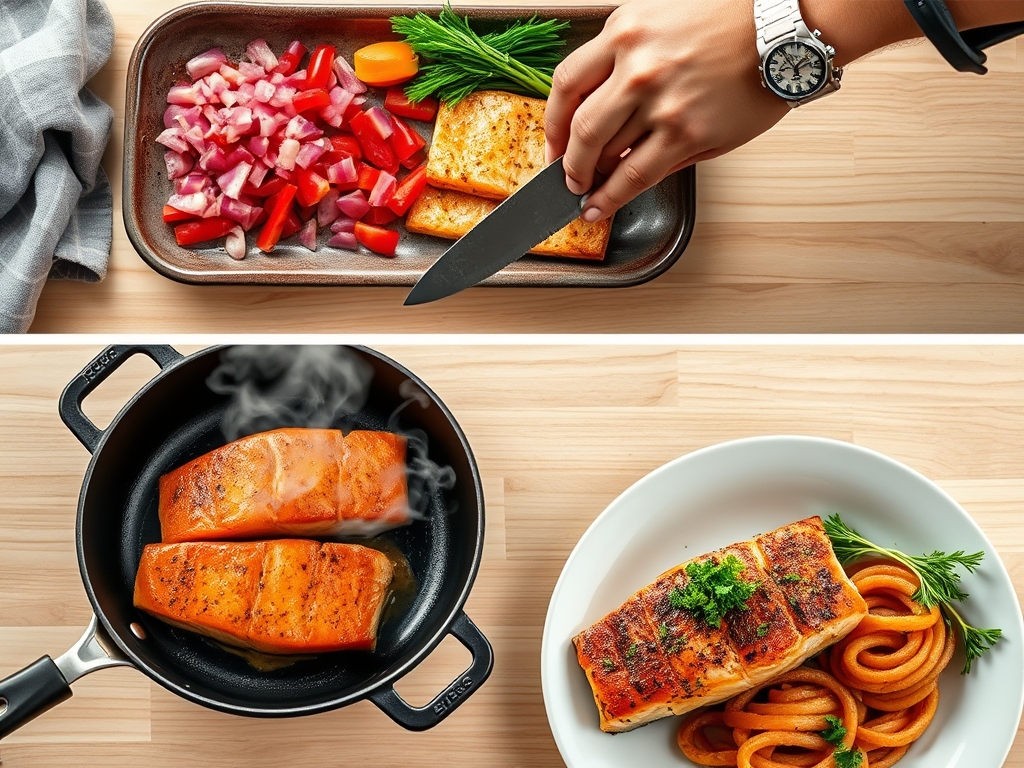
Use a paper towel to press firmly onto the skin and flesh. Moisture is the enemy of the sear. If the surface is wet, the energy of the griddle goes into boiling that water rather than browning the proteins.
Pro Tip: This is about preventing steam pockets. By removing surface water, you allow the Maillard reaction to begin immediately at 285 degrees Fahrenheit, creating a complex flavor profile before the inside overcooks.
2. The Weight of the World
Once the salmon hits the griddle, use your fish spatula to press down firmly for the first 30 seconds. Salmon skin tends to curl when it hits heat, which creates uneven contact.
Pro Tip: This technique ensures uniform heat conduction. By keeping the skin flat, you ensure every millimeter of the surface area is rendering its subcutaneous fat, leading to that coveted "potato chip" crunch.
3. The Seventy-Thirty Rule
Cook the salmon 70 percent of the way on the skin side. Watch the side of the fillet; you will see the color change from translucent pink to opaque beige creeping up from the bottom.
Pro Tip: This utilizes the skin as a heat shield. The skin is tough and fatty, protecting the delicate protein of the flesh from the direct, aggressive heat of the griddle.
4. Cold Butter Basting
In the final minute of cooking, toss a knob of butter and a smashed garlic clove onto the griddle. As it foams, tilt the griddle (if possible) or use a spoon to bathe the fish in the hot fat.
Pro Tip: This is called aromatic infusion. The milk solids in the butter brown and attach to the fish, adding a nutty depth of flavor while the fat acts as a final heat conductor to finish the top.
5. The Internal Target
Pull the salmon off the heat when the internal temperature hits 125 degrees Fahrenheit for medium rare or 130 degrees for medium.
Pro Tip: Account for thermal carryover. The internal temperature will continue to rise 5 to 7 degrees after you remove it from the heat source. If you wait until it looks "done" on the griddle, it will be overdone on the plate.
6. Deglazing for the Pan Sauce
While the griddle is still hot and the fish is resting, splash a bit of white wine or lemon juice onto the surface. Use a bench scraper to lift the browned bits (the fond).
Pro Tip: This is deglazing. Those browned bits are concentrated umami. Incorporating them into a quick sauce ensures no flavor is wasted.
7. The Acidic Brightness
Use your microplane to shower the fillets with fresh lemon or lime zest just before serving.
Pro Tip: High fat foods like salmon need acidic balance. The citric acid breaks through the oily mouthfeel, making the dish feel lighter and more vibrant on the palate.
8. The Resting Period
Place the fillets on a warm plate, skin side up, for at least three minutes.
Pro Tip: This allows for viscous stabilization. As the temperature evens out, the proteins relax and reabsorb the juices, ensuring a succulent bite from edge to edge.
The Deep Dive:
From a nutritional standpoint, salmon is a powerhouse. A standard 6 ounce fillet provides roughly 34 grams of protein and 18 grams of healthy fats. It is naturally Keto and Gluten Free, making it a versatile star for almost any diet. If you are cooking for a vegan guest, use the same griddle techniques on a thick slice of "Tofu Salmon" marinated in beet juice and soy sauce for color and salt.
The Fix-It:
- The Fish Sticks: Your griddle wasn't hot enough or you tried to flip it too early. The fish will naturally "release" once the crust has formed.
- White Gunk (Albumin): This is protein pushing out of the muscle fibers. It happens when you cook the fish too fast at too high a temperature. Lower the heat slightly.
- Soggy Skin: You likely crowded the pan. This creates a steam environment. Give each fillet at least two inches of breathing room.
Meal Prep: To reheat salmon without it smelling "fishy," avoid the microwave. Use a low oven (275 degrees) with a splash of water and a cover. This gently rehydrates the protein fibers without oxidizing the fats.
The Wrap-Up:
Mastering griddle salmon recipes is your ticket to being the ultimate dinner party hero. It is about understanding that the griddle is a precision instrument, not just a hot plate. When you respect the moisture levels, the skin contact, and the resting time, you end up with a piece of fish that rivals any five star steakhouse. Now, grab that spatula and get searing!
The Kitchen Table:
How do I prevent salmon from sticking to the griddle?
Ensure the griddle is fully preheated and the fish is bone dry. Apply oil to the fish, not just the griddle. Do not attempt to flip the fillet until it naturally releases from the surface.
What is the white stuff leaking out of my salmon?
That is albumin, a harmless protein. It appears when salmon is cooked too quickly or to a high internal temperature. To minimize it, cook the fish more gently and avoid overcooking past medium.
Can I cook frozen salmon on a griddle?
It is not recommended. Frozen salmon releases excess moisture as it thaws, which steams the fish instead of searing it. For the best crust, always thaw completely in the refrigerator and pat dry before cooking.
How do I know when the salmon is done without a thermometer?
Press the center of the fillet with your finger or a fork. The flakes should begin to separate easily but the very center should still look slightly translucent and feel firm but yielding.