
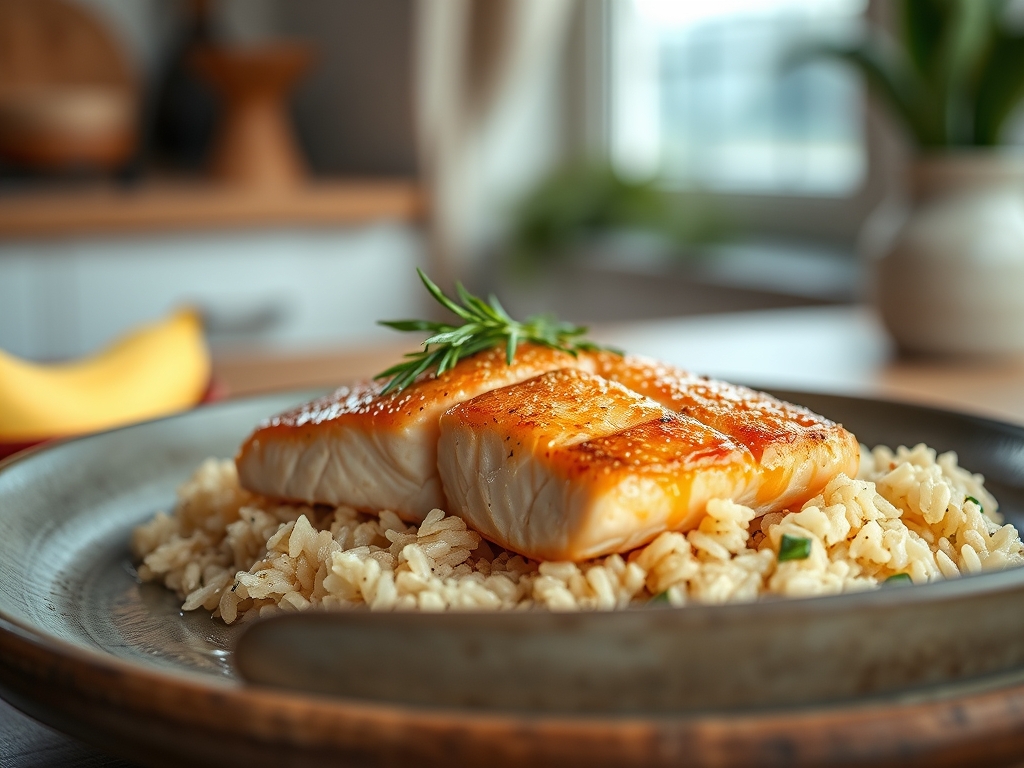
The scent of searing fat is a chemical siren song. When that cold, marbled fillet hits a shimmering heavy-bottomed skillet, you are not just cooking; you are orchestrating a complex sequence of amino acid transformations. Finding the perfect healthy salmon recipes with rice is about balancing the rich, omega-3 density of the fish with the structural integrity of a perfectly steamed grain. We are looking for that specific moment where the crispy, rendered skin meets a fluffy bed of jasmine or basmati. It is a textural playground.
Imagine the contrast between a buttery piece of Atlantic salmon and the piquant bite of a ginger-soy glaze. The rice acts as a neutral canvas, absorbing the viscous juices that escape during the resting phase. Whether you are aiming for a citrus-forward Mediterranean bowl or a heat-packed spicy tuna style bake, the goal is nutritional synergy. We want high-protein, heart-healthy fats, and slow-burning carbohydrates. This is the ultimate fuel for a high-performance lifestyle, delivered with the elegance of a five-star bistro. Let us dive into the mechanics of the perfect pairing.
The Gathers:
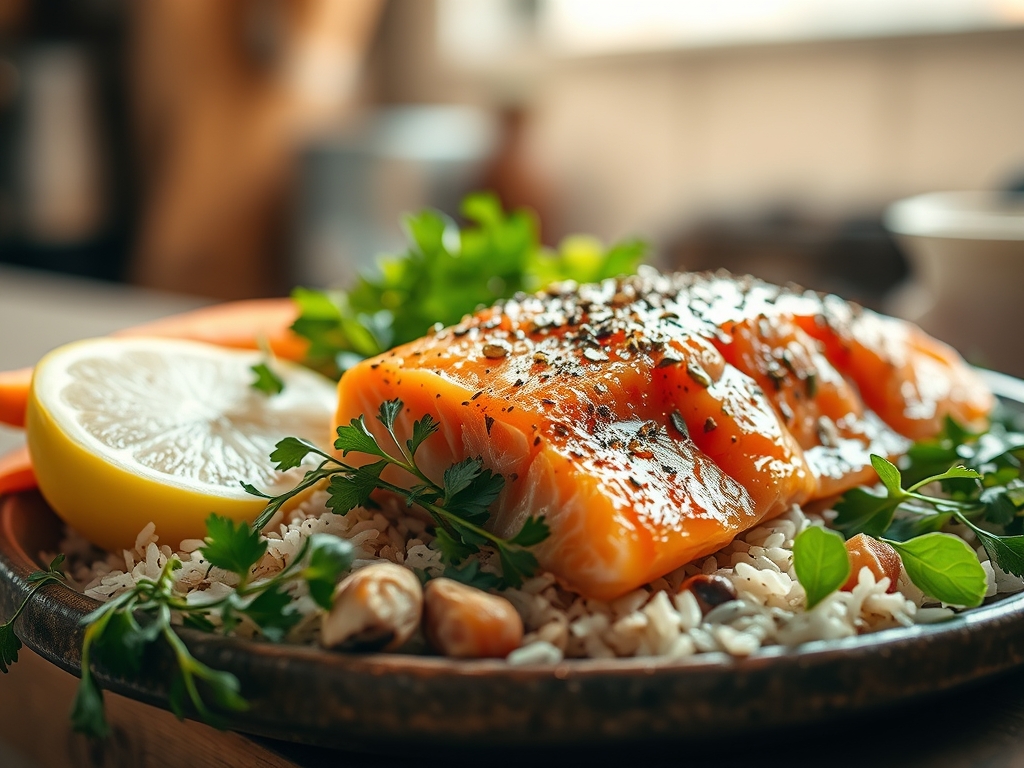
Your mise-en-place is your roadmap to success. Start with the centerpiece: six-ounce center-cut fillets. Look for vibrant color and firm flesh; if it bounces back when pressed, the cellular structure is intact. For the grains, we are looking at long-grain jasmine for its floral aroma or short-grain brown rice for a nutty, high-fiber profile.
You will need your aromatics ready to go. Grab a microplane to zest fresh lemons and grate ginger into a fine paste. This maximizes surface area, allowing the essential oils to infuse your marinade more efficiently. Have your digital scale handy to ensure your rice-to-water ratio is precise to the gram; consistency is the hallmark of a pro.
Smart Substitutions:
If you are watching your glycemic index, swap white rice for black "forbidden" rice. It contains anthocyanins, the same antioxidants found in blueberries. For a lower-fat profile, replace the butter in your rice with a splash of coconut aminos or a dash of toasted sesame oil. If you are out of fresh garlic, a high-quality garlic oil can provide that pungent depth without the risk of burning the delicate solids in a hot pan.
The Clock:
Efficiency in the kitchen is about "Chef's Flow." This is the art of overlapping tasks so nothing sits idle.
Prep Time: 15 minutes. This includes washing your rice until the water runs clear to remove excess surface starch; this prevents clumping.
Cook Time: 12 to 18 minutes. The rice takes the lead here, while the salmon requires a mere 4 minutes per side.
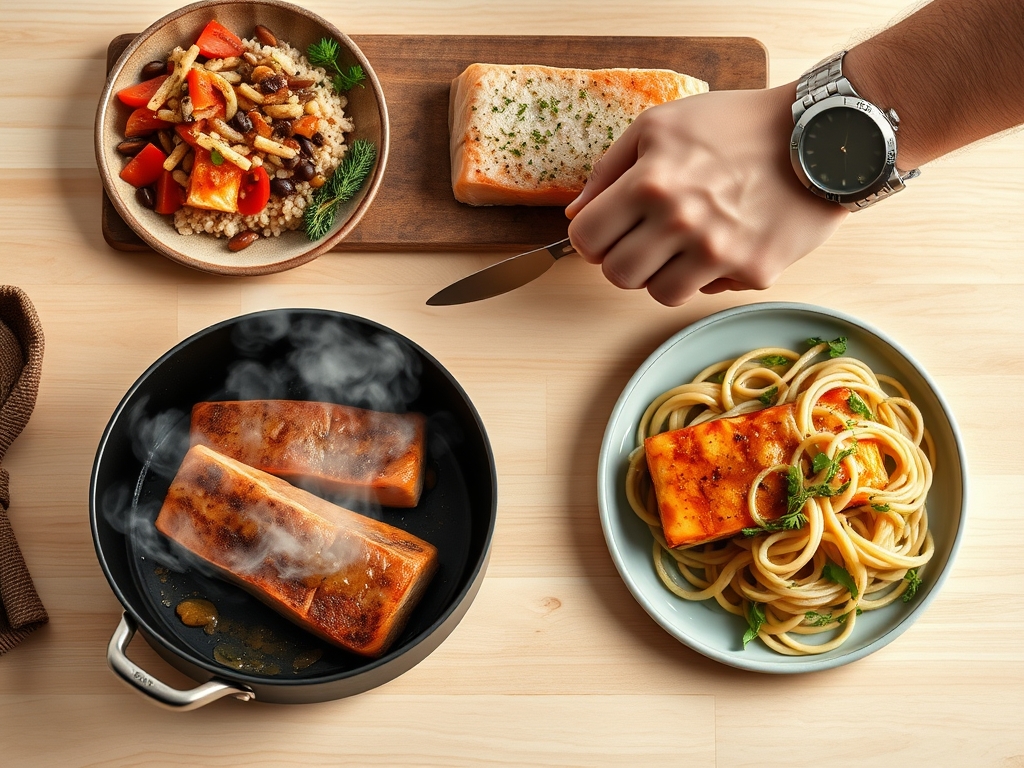
The Flow: Start your rice first. While the grains simmer and swell, prep your glaze and season the fish. The salmon should hit the pan just as the rice enters its final five-minute steaming phase. This ensures both components reach the plate at their thermal peak.
The Masterclass:
1. The Starch Preparation
Rinse your rice in a fine-mesh strainer until the effluent is transparent. Combine with filtered water in a saucier and bring to a boil before dropping to the lowest possible simmer.
Pro Tip: This rinsing process removes free amylose. Removing this starch ensures each grain remains distinct and fluffy rather than gummy, a result of starch gelatinization during the boiling phase.
2. The Protein Tempering
Remove your salmon from the refrigerator 20 minutes before cooking. Pat the skin bone-dry with a paper towel. Season liberally with kosher salt.
Pro Tip: Tempering the fish prevents a "thermal shock" when it hits the pan. If the fish is too cold, the exterior will overcook and become fibrous before the center reaches the desired translucent medium-rare.
3. The Sear and Render
Heat a heavy-bottomed skillet (cast iron or stainless steel) over medium-high heat. Add a high-smoke-point oil like avocado oil. Place the salmon skin-side down and press firmly with a fish spatula.
Pro Tip: Pressing the fish prevents the protein fibers from curling. This ensures maximum surface contact, leading to the Maillard reaction, where sugars and amino acids create that savory, brown crust.
4. The Glaze Infusion
Once the skin is shattered-glass crispy, flip the fish. Lower the heat and add your aromatics: garlic, ginger, and a splash of citrus. Use a spoon to baste the hot, flavored oil over the top of the fillet.
Pro Tip: Basting is a form of gentle convection cooking. It finishes the top of the fish without drying out the delicate fats, keeping the moisture locked within the lamellae (the layers of muscle).
5. The Aeration and Rest
Remove the rice from the heat and let it sit, covered, for five minutes. Use a bench scraper or a fork to gently fluff and aerate the grains. Transfer the salmon to a warm plate to rest for three minutes.
Pro Tip: Resting allows for thermal carryover. The internal temperature will rise by about 5 degrees after leaving the pan, allowing the juices to redistribute so they do not pool on your plate.
The Deep Dive:
Macro Nutrition
A standard serving of this pairing offers roughly 35g of protein, 12g of healthy fats, and 45g of complex carbohydrates. It is a powerhouse of Vitamin B12, Vitamin D, and Selenium. By choosing wild-caught salmon, you increase the ratio of Omega-3 to Omega-6 fatty acids, which is essential for reducing systemic inflammation.
Dietary Swaps
Vegan: Replace the salmon with a "steak" of extra-firm tofu or a large king oyster mushroom. Marinate in seaweed extract to mimic that oceanic salinity.
Keto: Swap the rice for riced cauliflower or shirataki grains. Increase the fat content by adding an avocado lime crema.
GF: Naturally gluten-free, just ensure your soy sauce is replaced with Tamari or coconut aminos to avoid hidden wheat.
The Fix-It
The Skin is Soggy: You likely moved the fish too early or the pan wasn't hot enough. Next time, wait for the fish to "self-release" from the pan surface.
The Rice is Crunchy: You lost too much steam. Ensure your lid is tight-fitting. If it happens, add two tablespoons of boiling water and steam for three more minutes.
The Salmon is White and Chalky: This is albumin, a protein that leaks out when the fish is overcooked. Pull the fish off the heat sooner; aim for an internal temperature of 125F.
Meal Prep: Reheating Science
To maintain "day-one" quality, reheat your salmon and rice separately. Place a damp paper towel over the rice in the microwave to create a steam chamber. For the salmon, use a low-temperature oven (275F) for 10 minutes. This prevents the fats from oxidizing and turning "fishy" or metallic in flavor.
The Wrap-Up:
Mastering healthy salmon recipes with rice is a foundational skill that elevates your weekly meal rotation from mundane to gourmet. It is all about the science of heat management and the precision of your prep. When you understand why we rinse the rice or why we press the fish, you move from following a script to conducting a culinary masterpiece. Grab your tongs, fire up that skillet, and enjoy the crisp, buttery rewards of your labor. Your kitchen is now a lab of flavor.
The Kitchen Table:
How do I keep salmon from sticking to the pan?
Ensure the pan and oil are shimmering hot before adding the fish. Pat the skin completely dry; moisture creates steam, which causes sticking. Use a flexible fish spatula to gently test the edges before attempting a full flip.
What is the best rice for salmon bowls?
Jasmine rice is the gold standard for its aromatic profile and soft texture. However, for a heartier, more nutritional "crunch," short-grain brown rice or a wild rice blend provides excellent structural contrast to the tender fish.
Can I cook salmon from frozen for these recipes?
It is not recommended for a high-quality sear. Thawing allows for even heat distribution. If you must, use the "sous-vide" method in a waterproof bag in warm water for 20 minutes before searing to ensure the center isn't icy.
How do I know when the salmon is perfectly done?
The most reliable method is using a digital thermometer to hit 125F to 130F for medium-rare. Visually, the flakes should just begin to separate when pressed gently with a fork, remaining translucent in the very center.