
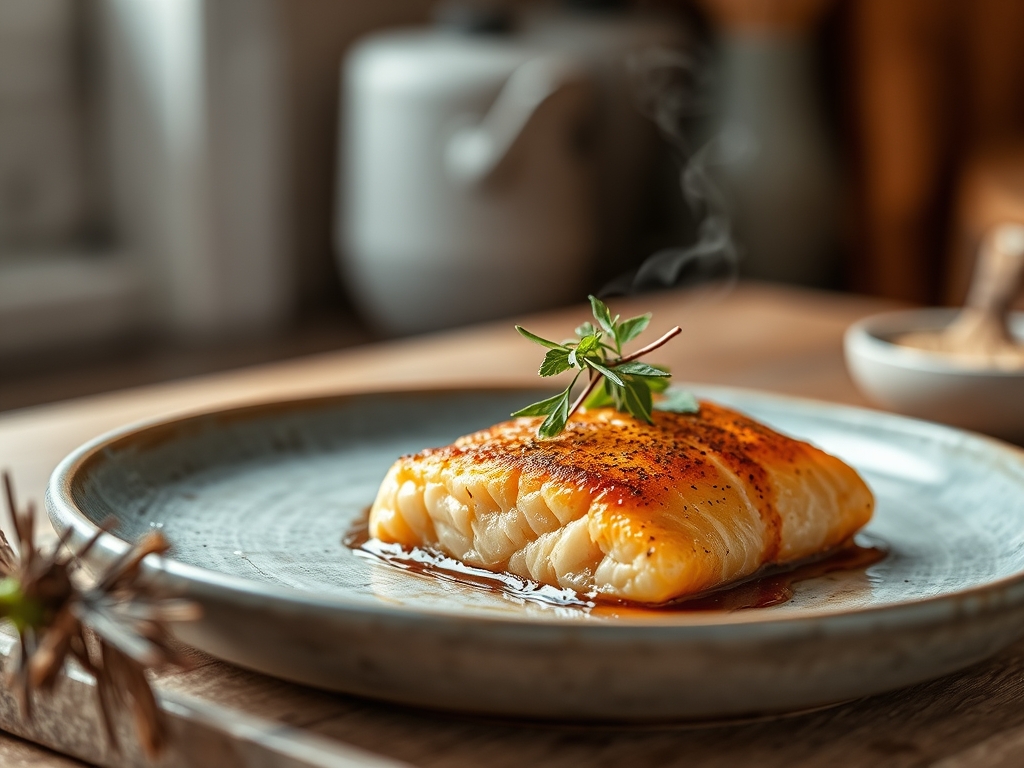
Imagine a slab of wild-caught sockeye transformed into translucent, ruby-red gems that shatter with a glass-like crunch before dissolving into a buttery, oceanic silk. This is the alchemy of the best candy salmon recipes; a process where raw muscle fibers are cured, glazed, and dehydrated into a sophisticated confection. It is the ultimate party trick for your palate.
The magic lies in the intersection of high-grade protein and complex saccharides. We are not just cooking fish; we are performing a controlled dehydration that concentrates the natural umami while layering a shimmering, viscous lacquer over every surface. Whether you are serving these as high-protein snacks or as the crowning jewel on a charcuterie board, the result is always the same: pure, unadulterated obsession.
We are moving beyond the basic grilled fillet. To master candy salmon recipes, you must embrace the patience of a confectioner and the precision of a chemist. We are going to manipulate water activity and thermal energy to create a snack that is shelf-stable, intensely flavorful, and undeniably addictive. Grab your apron and your favorite heavy-bottomed skillet; we are about to turn your kitchen into a high-end smokehouse boutique.
The Gathers:
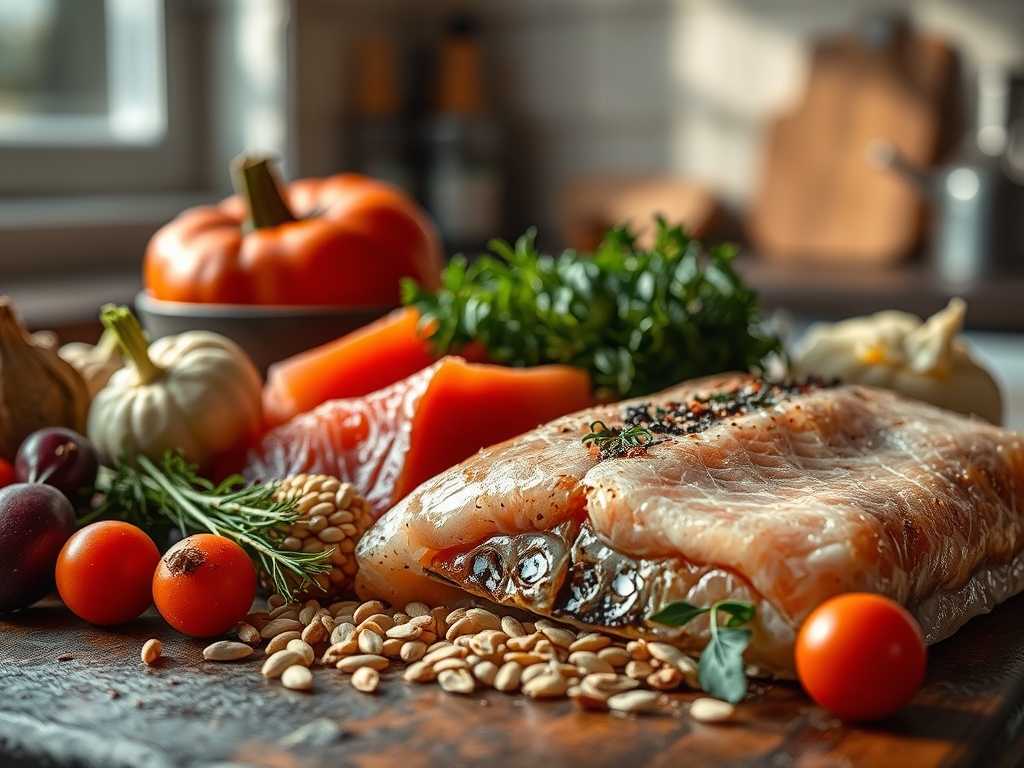
To begin, we must assemble our molecular building blocks. Start with a side of king or sockeye salmon, preferably skin-on to maintain structural integrity during the long curing process. You will need a digital scale to ensure the ratio of coarse sea salt to dark brown sugar is exactly one-to-three. This ratio is vital; the salt denatures the proteins to "cook" the fish without heat, while the molasses in the brown sugar provides the depth for a perfect Maillard reaction later.
For the glaze, gather high-quality maple syrup (Grade A Dark for maximum mineral punch), freshly grated ginger using a microplane, and a splash of bourbon to act as a solvent for the fat-soluble flavor compounds. You will also need a cooling rack set over a rimmed baking sheet to allow for 360-degree airflow.
Smart Substitutions: If you are avoiding refined sugar, coconut aminos and monk fruit sweetener can mimic the viscosity and depth of the traditional cure. For those lacking a smoker, a drop of high-quality liquid smoke added to the brine provides that essential campfire finish without the actual wood fire.
The Clock
Efficiency in the kitchen is all about the "Chef's Flow." For candy salmon recipes, the active prep time is a mere 20 minutes, but the passive time is where the transformation happens. You will spend 12 to 24 hours in the "Cure Phase," where the salt draws out moisture. This is followed by a 2-hour "Pellicle Phase" to air-dry the surface.
The final "Glaze and Bake" takes roughly 3 to 4 hours at a low temperature. Total elapsed time is about 30 hours. Do not rush this. The slow exit of moisture is what creates the "candy" texture. If you blast it with heat, you will simply end up with dry, overcooked fish instead of the chewy, translucent delicacy we are aiming for.
The Masterclass
1. The Precision Slice
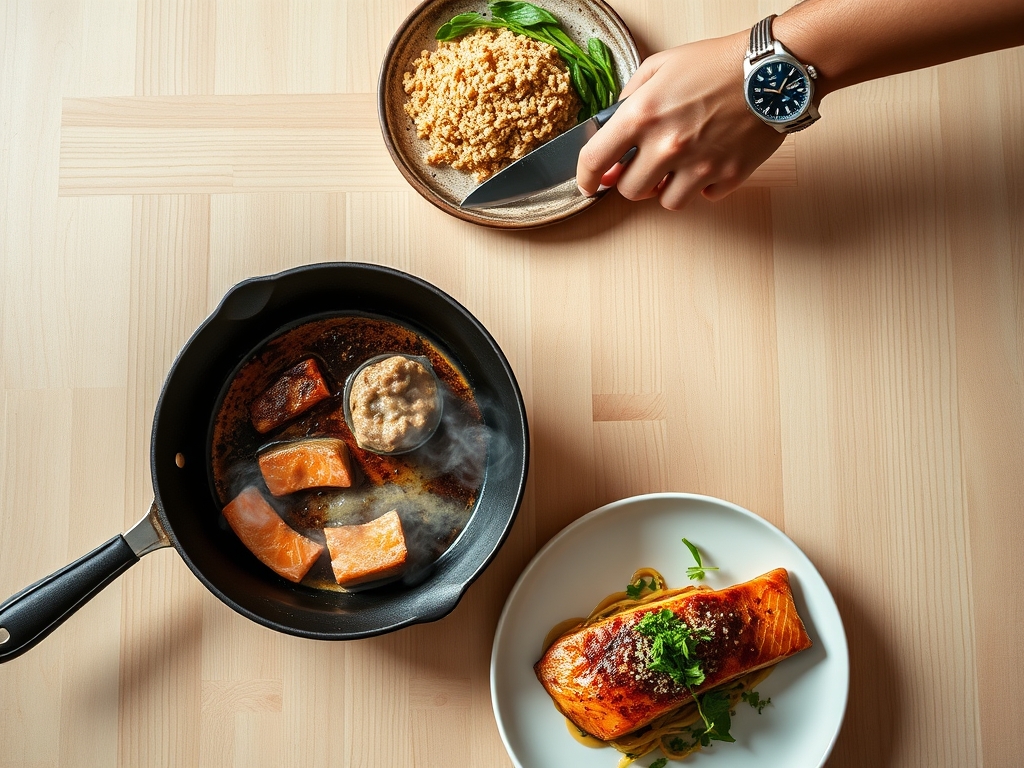
Using a sharp fillet knife, slice your salmon into uniform strips about one inch wide. Consistency is key here; if your pieces vary in thickness, they will dehydrate at different rates, leading to some pieces being gummy and others being rock hard.
Pro Tip: Use a bench scraper to move your delicate slices without tearing the flesh. Keeping the fish near-freezing during slicing prevents the lipids from softening, ensuring clean, professional edges.
2. The Dry Cure Saturation
Bury the strips in your salt and sugar mixture. Ensure every millimeter of surface area is covered. This process uses osmotic pressure to draw water out of the cells, effectively curing the meat and inhibiting bacterial growth.
Pro Tip: Place a heavy weight on top of the curing fish. This physical pressure accelerates the moisture extraction, resulting in a denser, "candied" texture rather than a soft, flaking one.
3. The Pellicle Formation
After rinsing the cure away, pat the fish dry and place it on a wire rack in the fridge, uncovered, for at least two hours. You are waiting for the surface to become tacky. This sticky layer is called the pellicle, and it is essential for the glaze to adhere.
Pro Tip: Use a small kitchen fan to increase evaporation. The pellicle acts as a primer; without it, your expensive maple glaze will simply slide off the fish and pool at the bottom of the pan.
4. The Low and Slow Infusion
Set your oven or smoker to 160 degrees Fahrenheit. This low temperature prevents the albumin (that white protein gunk) from squeezing out of the muscle fibers. We want the fats to render slowly and stay inside the meat.
Pro Tip: Brush the salmon with your maple-bourbon glaze every 45 minutes. This creates "lacquer layers," building a thick, glossy coating that traps moisture inside while the outside hardens.
5. The Final Glaze and Set
In the final 30 minutes, increase the heat to 200 degrees for a quick flash. This triggers caramelization, where the sugars break down and create complex, nutty flavor profiles that balance the salt.
Pro Tip: Use a digital thermometer to pull the fish when it reaches an internal temperature of 145 degrees. Thermal carryover will finish the job, ensuring the center remains succulent while the exterior stays crisp.
The Deep Dive
From a macro perspective, candy salmon is a powerhouse. It is rich in Omega-3 fatty acids and high-quality protein, though the sugar content makes it a "treat" rather than a staple. One serving typically contains about 180 calories, with 15 grams of protein and 10 grams of healthy fats.
Dietary Swaps: For a Keto version, replace the sugar and maple syrup with Allulose; it is the only sugar alternative that truly caramelizes and creates that sticky "candy" feel. For a Vegan "salmon" alternative, use thick-cut carrots or king oyster mushrooms, though you will need to increase the liquid smoke to mimic the fatty richness of the fish.
The Fix-It:
- Too Salty? You likely cured it too long. Soak the strips in cold water for 30 minutes before the pellicle phase to "leach" out excess sodium.
- White Gunk Appearing? Your heat is too high. Drop the temperature immediately to prevent the proteins from contracting too fast.
- Soggy Texture? You skipped the pellicle phase. Return the fish to a low oven with the door cracked to encourage further evaporation.
Meal Prep: To reheat and maintain "day-one" quality, avoid the microwave. Use an air fryer at 300 degrees for 3 minutes. This re-crisps the exterior glaze without overcooking the delicate interior.
The Wrap-Up
Mastering candy salmon recipes is about finding the harmony between the sea and the sugar shack. It is a slow, methodical process that rewards the patient cook with a snack that is both rustic and refined. You have the science, the tools, and the secrets; now it is time to turn that fillet into gold. Go forth and glaze!
The Kitchen Table
Can I make candy salmon without a smoker?
Yes. Use a low-temperature oven (160F) and add high-quality liquid smoke or smoked paprika to your brine. The key is the long, slow dehydration process, which an oven handles perfectly if you use a wire rack for airflow.
How long does homemade candy salmon last?
When properly cured and dehydrated, candy salmon lasts up to two weeks in the refrigerator. For longer storage, vacuum seal the strips and freeze them for up to six months without sacrificing the texture or the glossy maple glaze.
Why is my candy salmon tough instead of chewy?
Toughness usually results from overcooking or using a cut that is too lean. Ensure you use fatty salmon like King or Atlantic, and keep your temperatures below 170F to prevent the protein fibers from tightening and becoming woody.
What is the best wood for smoking candy salmon?
Fruitwoods like apple, cherry, or alder are ideal. They provide a mild, sweet smoke profile that complements the maple glaze without overpowering the delicate flavor of the fish. Avoid heavy woods like hickory or mesquite, which can turn bitter.