
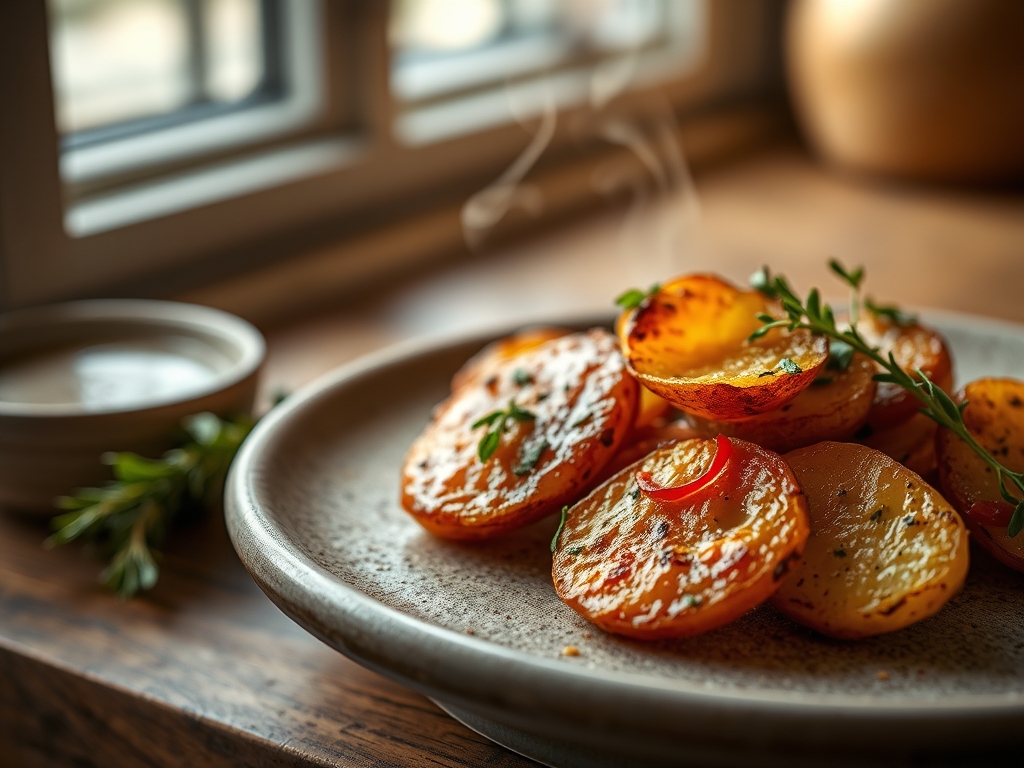
Picture the scene. The lights are dimmed; the opening credits are rolling; and you are cradling a bowl of the most shatteringly crisp, golden-brown gems known to humankind. There is a specific, primal joy in the perfect crunch that a standard bag of store-bought chips simply cannot replicate. When you master the ultimate potato recipes snack, you are not just cooking; you are performing a delicate dance of starch gelatinization and moisture evaporation. We are moving beyond the basic fry. We are diving into a world where the humble tuber is transformed into six distinct masterpieces of texture and salt. Whether you crave the vinegar-sharp bite of a kettle chip or the pillowy interior of a triple-cooked wedge, the secret lies in the chemistry of the spud itself. Let us turn your kitchen into a high-end bistro where the humble Russet is the undisputed star of the show.
The Gathers:
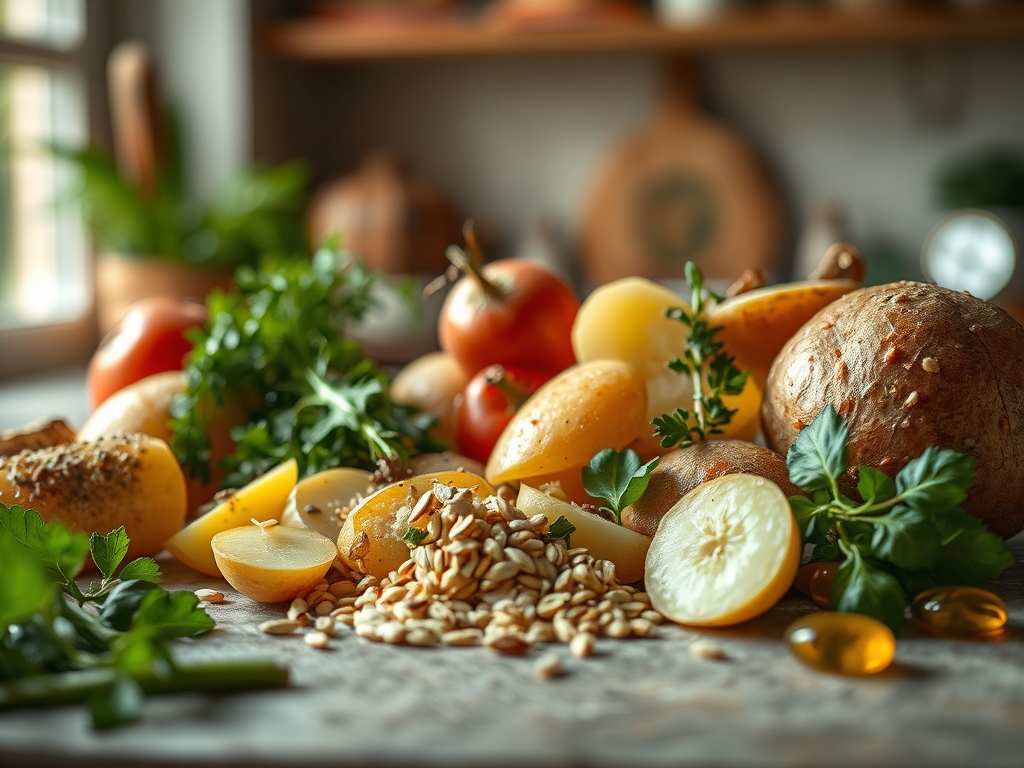
To achieve snack-time nirvana, your mise-en-place must be precise. Start with high-starch varieties like the Russet Burbank for maximum fluff, or waxy Yukon Golds if you desire a buttery, viscous mouthfeel. You will need a digital scale to ensure consistency across your batches. Gather high-smoke-point fats such as refined avocado oil or rendered duck fat to facilitate the Maillard reaction without scorching. For aromatics, keep a microplane handy to zest citrus or grate hard cheeses like Pecorino Romano into a fine, snow-like dust.
Smart Substitutions: If you are avoiding nightshades, Japanese sweet potatoes offer a similar starch profile with a lower glycemic index. For a lower-fat profile, replace deep-frying with a high-convection air fryer setting, though you must increase the emulsification of your oil coating to ensure even browning. If you lack fine sea salt, use a mortar and pestle to grind kosher salt into a powder; this allows the crystals to adhere to the irregular surface area of the potato more effectively.
The Clock
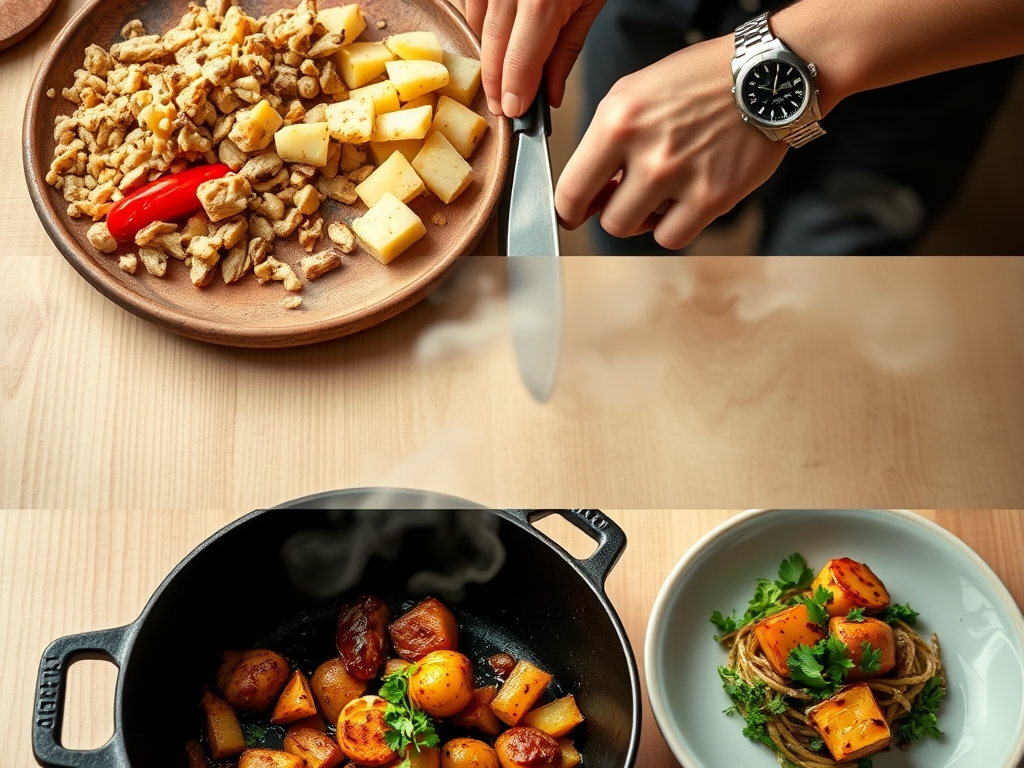
Efficiency in the kitchen is all about the Chef's Flow. Total active prep time for these snacks ranges from 20 to 30 minutes, with cook times spanning 15 to 45 minutes depending on the method. The "Flow" involves a staggered approach: while your first batch of sliced potatoes undergoes a cold-water soak to remove excess surface starch, you should be preheating your heavy-bottomed skillet or oven. By the time the oven reaches its target temperature, your potatoes are dried and ready for seasoning. This overlapping schedule ensures that you spend less time hovering over the stove and more time on the couch with your favorite film.
The Masterclass
1. The Precision Slice and Soak
Use a mandoline or a very sharp chef knife to achieve uniform thickness. Submerge the slices in an ice-water bath for at least 30 minutes.
Pro Tip: This process removes excess surface amylose. If left on the potato, this starch would caramelize too quickly, leading to a bitter, burnt exterior before the center is fully dehydrated.
2. The Parboil Technique
For wedges or "smashed" potatoes, simmer the pieces in alkaline water (add a pinch of baking soda) until the edges are frayed and fuzzy.
Pro Tip: The baking soda breaks down the pectin in the potato cell walls. This creates a starchy slurry on the surface that, once fried, turns into a thick, glass-like crust through thermal carryover.
3. The Moisture Evaporation Phase
After boiling or soaking, lay your potatoes on a wire rack. Use a clean kitchen towel to pat them bone-dry.
Pro Tip: Water is the enemy of the crunch. Any residual surface moisture will turn to steam in the hot oil, leading to a soggy texture rather than a crisp one.
4. The Fat Infusion
Toss your prepared potatoes in a large bowl with your chosen fat and seasonings. Use a saucier to melt butter or infuse oils with garlic and rosemary before coating.
Pro Tip: Fat acts as a heat transfer medium. By ensuring every crevice is coated, you create a uniform heat distribution that prevents "hot spots" and uneven browning.
5. The High-Heat Roast or Fry
Place the potatoes in a single layer, ensuring they do not touch. If frying, use tongs to flip them individually to monitor the color.
Pro Tip: Aim for "GBD" (Golden Brown and Delicious). This color indicates that the sugars and amino acids have reacted to create hundreds of different flavor compounds.
6. The Final Seasoning Aeration
As soon as the potatoes exit the heat, toss them in a bowl with your dry spices.
Pro Tip: Adding salt while the oil is still hot and liquid allows the seasoning to dissolve slightly and "stick" to the surface. Once the fat cools and solidifies, the seasoning is locked in place.
The Deep Dive
Macro Nutrition: Potatoes are naturally fat-free and high in potassium, though our snack versions introduce healthy fats. A standard serving of homemade crisps contains roughly 150 calories, 20g of carbohydrates, and 7g of fat.
Dietary Swaps:
- Vegan: Use nutritional yeast for a "cheesy" flavor and avocado oil instead of butter.
- Keto: Replace the potato with sliced daikon radish or zucchini, though the starch content will differ.
- GF: Potatoes are naturally gluten-free; just ensure your spice blends do not contain anti-caking agents derived from wheat.
The Fix-It:
- Soggy Potatoes: Your oil temperature was too low. Use a digital thermometer to ensure it stays between 350F and 375F.
- Uneven Browning: The pieces were cut to different thicknesses. Use a bench scraper to clear your board and refocus on uniform knife skills.
- Bitter Aftertaste: You likely used an oil with a low smoke point, like extra virgin olive oil. Switch to grapeseed or peanut oil.
Meal Prep: To reheat and maintain "day-one" quality, avoid the microwave at all costs. Use a toaster oven or air fryer at 350F for 3 to 5 minutes. This re-activates the fats and drives off any moisture absorbed from the air during storage.
The Wrap-Up
There you have it, my friend! You are now equipped with the scientific prowess to dominate movie night. From the initial starch removal to the final infusion of flavors, you have transformed a basic root vegetable into a culinary event. Remember, the best potato recipes snack is the one shared with friends, so grab your tongs, fire up the stove, and let the crunching begin. Your kitchen is now the hottest ticket in town!
The Kitchen Table
Why are my homemade chips always soggy?
Soggy chips usually result from residual surface moisture or low oil temperature. Always pat potatoes dry after soaking and maintain an oil temperature of 350F to 375F to ensure rapid steam evaporation and crisping.
What is the best potato for snacking?
Russet potatoes are the gold standard for snacks due to their high starch content. This starch creates a light, airy interior and a perfectly crisp exterior when fried or roasted at high temperatures.
Can I make these snacks ahead of time?
Yes, you can parboil and dry your potatoes up to 24 hours in advance. Store them in the fridge uncovered; the cold air actually helps dehydrate the surface even further for a better crunch later.
How do I get seasonings to stick without extra oil?
Grind your salt and spices into a fine powder using a mortar and pestle. The smaller particle size allows the seasoning to adhere to the microscopic nooks and crannies of the potato surface more effectively.