
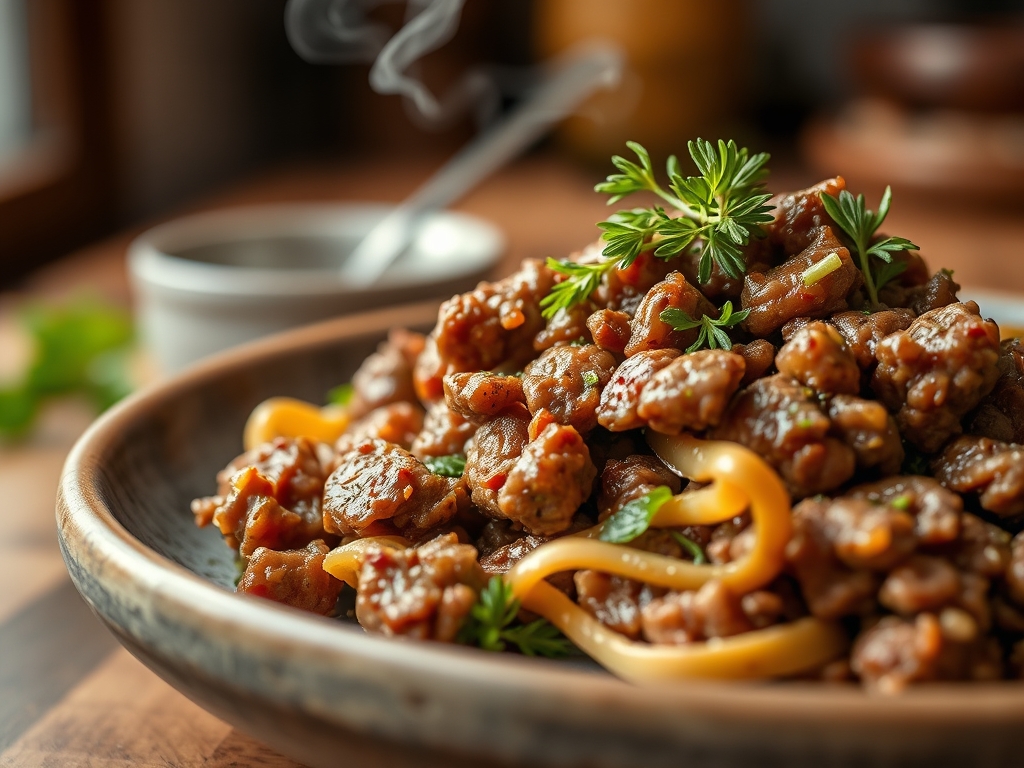
Imagine the sound of a heavy bottomed skillet meeting a high flame; it is the rhythmic percussion of a kitchen in motion. There is something deeply primal about the aroma of browning fat and the sharp, piquant scent of searing aromatics. When you master simple minced beef recipes, you are not just making dinner; you are conducting a symphony of Maillard reactions. It is the ultimate weeknight alchemy.
You know that feeling when you come home and the fridge looks like a desert, but there is a single pound of ground beef waiting in the crisper? That is your golden ticket. We are moving beyond the basic burger. We are talking about six distinct, high velocity meals that utilize scientific principles to maximize flavor in under thirty minutes. We will use heat to transform humble proteins into something luxurious, viscous, and utterly craveable. Grab your favorite apron and a glass of something cold; we are about to turn your kitchen into a high performance culinary lab.
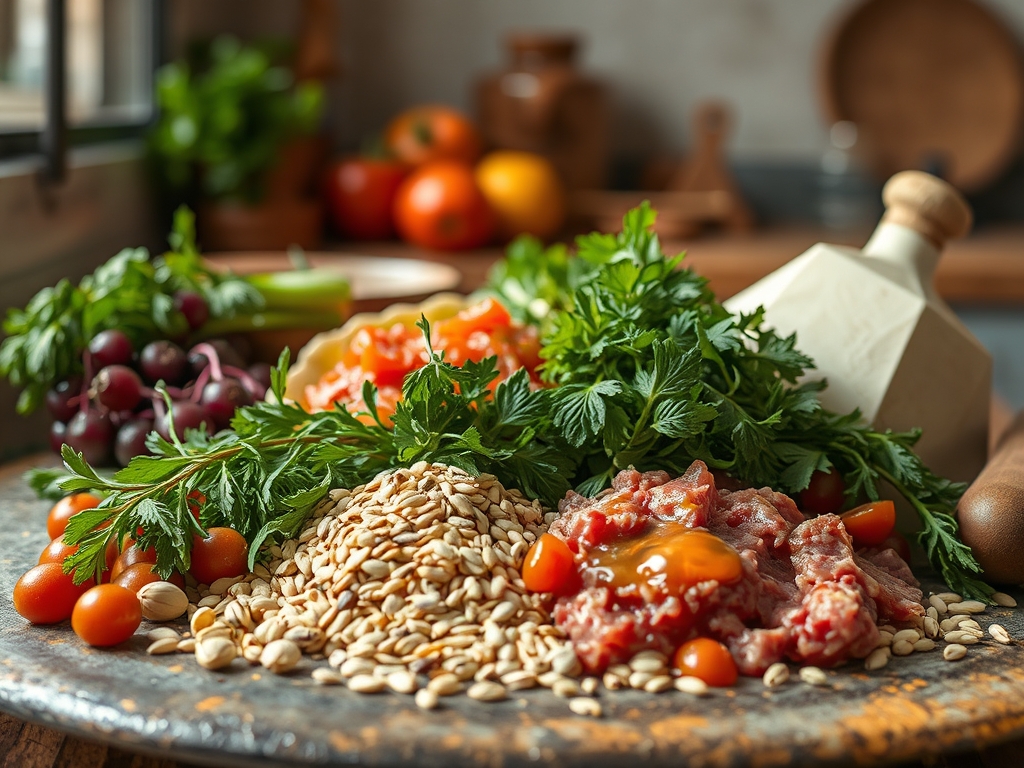
The Gathers:
Before we ignite the burners, we must respect the mise-en-place. To execute these simple minced beef recipes with precision, your station should be organized by molecular function. Start with your protein: look for an 80/20 fat ratio. This provides enough lipids to render and fry the meat in its own juices, creating a self-basting environment that prevents the fibers from becoming desiccated.
Next, gather your aromatics. You will need high-sulfur vegetables like shallots and garlic, which provide the foundational base notes for every dish. Use a microplane to grate your garlic into a fine paste; this increases the surface area and allows the allicin to release more effectively. For the liquids, keep a high-quality beef bone broth and a bottle of dry red wine nearby to deglaze the pan and capture those caramelized bits of "fond" stuck to the bottom.
Smart Substitutions:
If you are looking to lighten the caloric load, you can swap half the beef for finely minced cremini mushrooms. This is a technique known as "The Blend." Mushrooms contain high levels of guanylate, which works synergistically with the glutamate in beef to explode the umami profile. If you lack fresh herbs, use a 1:3 ratio of dried to fresh, but ensure you bloom them in hot oil first to infuse the fat with their essential oils.
The Clock
Efficiency in the kitchen is all about "Chef's Flow." This is the practice of overlapping tasks so that no second is wasted. For these simple minced beef recipes, the goal is a twenty-minute active window. Spend the first five minutes on prep: use a bench scraper to move your chopped veggies quickly from the board to the pan.
The cooking phase usually takes twelve to fifteen minutes. The secret is to avoid "fiddling" with the meat. Let it sit undisturbed in the skillet for at least three minutes to develop a deep, mahogany crust. While the meat sears, you should be boiling your pasta or prepping your greens. The final three minutes are for the "finish," where we add acids like lemon juice or vinegar to brighten the heavy fats and balance the palate.
The Masterclass
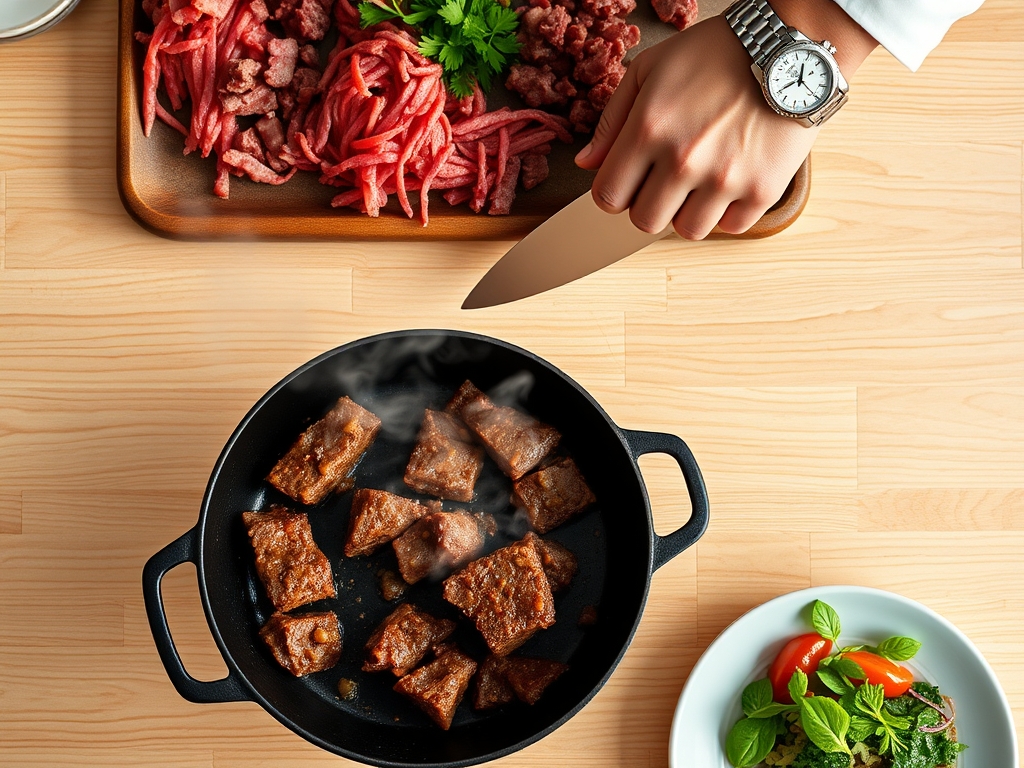
1. The High Heat Sear
Place your heavy-bottomed skillet over medium-high heat until it wisps with smoke. Add the beef in large chunks rather than breaking it up immediately. This prevents the temperature of the pan from dropping too rapidly, which would cause the meat to steam in its own moisture rather than sear.
Pro Tip: This is the Maillard Reaction in action. By keeping the heat high and the surface dry, the amino acids and reducing sugars rearrange to create hundreds of new flavor compounds. If you see grey meat, your pan was not hot enough.
2. Rendering the Lipids
Once the first side is browned, use a stiff spatula to break the beef into smaller crumbles. You will notice a pool of liquid fat forming. Do not drain this immediately. Use this hot fat to sauté your onions and peppers right in the same pan.
Pro Tip: This is called confit-style frying. The beef fat acts as a heat transfer medium, cooking the vegetables faster and deeper than olive oil ever could while ensuring the flavor profiles are cohesive.
3. Deglazing the Fond
After the meat and vegetables are browned, the bottom of your pan will be covered in dark, sticky spots. Pour in a splash of liquid; broth, wine, or even a bit of pasta water. Use your spatula to scrape those bits into the sauce.
Pro Tip: This process captures denatured proteins that have bonded to the metal. These bits are concentrated flavor bombs that add "body" and a savory depth to your simple minced beef recipes.
4. Emulsifying the Sauce
If you are making a pasta or a stir-fry, add a cold knob of butter or a splash of heavy cream at the very end. Whisk it vigorously into the simmering liquid until the sauce becomes glossy and coats the back of a spoon.
Pro Tip: This creates a fat-in-water emulsion. The agitation breaks the fat into tiny droplets that are suspended in the liquid, resulting in a silky mouthfeel rather than a greasy one.
5. The Acid Balance
Just before serving, stir in a teaspoon of balsamic vinegar, lime juice, or even a dash of pickle brine. This is the "secret weapon" of professional chefs that makes home-cooked meals taste like restaurant quality.
Pro Tip: Acid acts as a palate cleanser. It cuts through the richness of the rendered beef fat, stimulating salivation and making the next bite taste just as vibrant as the first.
6. Thermal Carryover Rest
Remove the pan from the heat while the meat still looks slightly moist. Transfer it to a warm serving bowl and let it sit for two minutes before diving in.
Pro Tip: This accounts for carryover cooking. The internal temperature will continue to rise by about five degrees even after it leaves the flame. Resting allows the muscle fibers to relax and reabsorb the juices, ensuring every bite is tender.
The Deep Dive
From a nutritional standpoint, these simple minced beef recipes are powerhouses. A standard 4-ounce serving of 80/20 beef provides roughly 20 grams of protein and is a significant source of Vitamin B12 and Zinc. To keep it Keto-friendly, serve your mince over sautéed zoodles or inside lettuce cups. For a Vegan alternative, use a soy-based crumble or lentils, but add a dash of liquid smoke to mimic the depth of beef.
The Fix-It: Common Pitfalls
- The Meat is Tough: You likely over-handled it. Next time, try "velveting" the beef with a pinch of baking soda ten minutes before cooking to break down the proteins.
- The Sauce is Greasy: Your emulsion broke. Add a tablespoon of hot water and whisk aggressively to re-incorporate the fats.
- The Flavor is Flat: You missed the salt. Salt should be added in layers; once during the sear and once at the finish.
Meal Prep Science:
When reheating, do not use a microwave if you can avoid it. The radiation vibrates water molecules so violently that it toughens the protein. Instead, use a saucier on the stovetop with a tablespoon of water. Cover it with a lid to create a steam chamber, which gently rehydrates the meat to "day-one" quality.
The Wrap-Up
There you have it; six ways to dominate your kitchen using nothing but a pack of ground beef and some basic scientific principles. By focusing on the sear, the deglaze, and the acid balance, you have elevated simple minced beef recipes into a culinary art form. Cooking is just chemistry you can eat, so do not be afraid to experiment with your heat levels and aromatics. You have the tools, you have the knowledge, and now you have the plan. Go make something incredible!
The Kitchen Table
How do I keep minced beef from getting dry?
Avoid over-stirring. Let the meat sear undisturbed to lock in juices. Use a 20% fat blend and add a splash of beef broth during the final simmering stage to maintain a viscous and moist texture.
Can I freeze simple minced beef recipes?
Yes. Allow the cooked meal to cool completely to prevent ice crystals. Store in airtight containers for up to three months. Reheat slowly on the stovetop to preserve the structural integrity of the protein fibers.
What is the best pan for browning beef?
A heavy-bottomed cast iron skillet or stainless steel pan is best. These materials have high heat retention, ensuring the surface temperature stays consistent when the cold meat is added, which is essential for the Maillard reaction.
Why does my ground beef turn grey?
Grey meat occurs when the pan is overcrowded or not hot enough. The moisture escaping the beef turns into steam, boiling the meat instead of searing it. Cook in smaller batches to ensure a proper brown crust.