
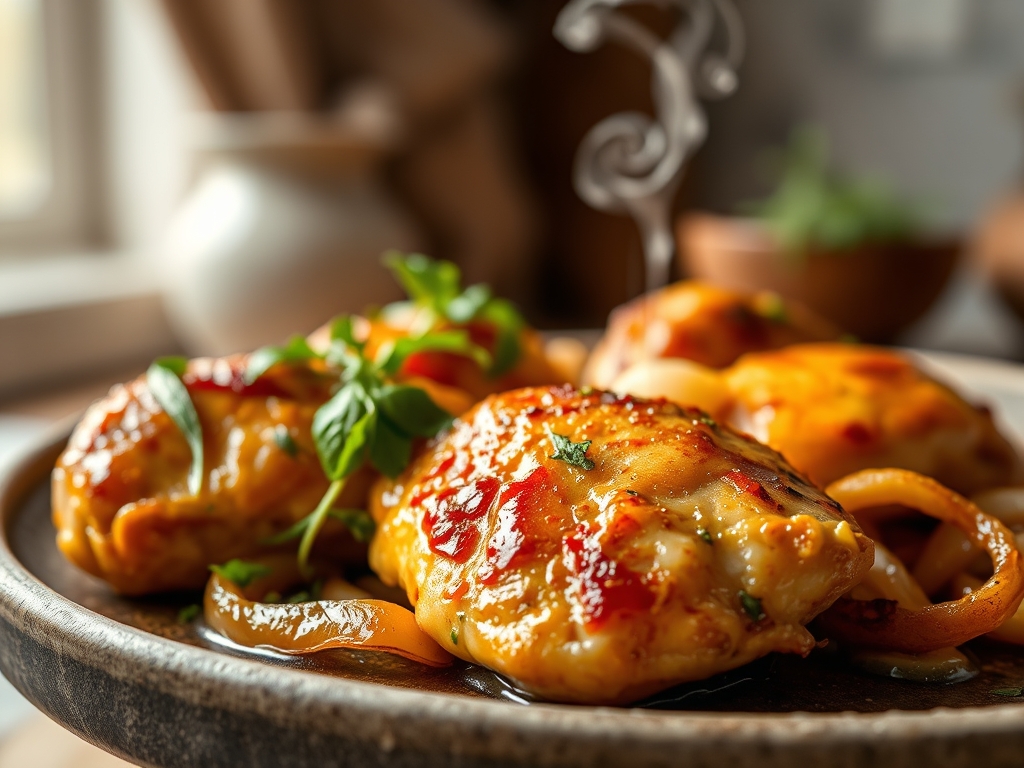
The sizzle of cold protein hitting a shimmering layer of oil is the universal siren song of a kitchen in motion. When you master chicken recipes with peppers and onions, you are not just making dinner; you are orchestrating a complex chemical ballet of sugars and amino acids. The kitchen fills with the scent of volatile aromatics as the peppers soften and the onions begin their slow, sweet transformation into translucent gold. It is the ultimate culinary trifecta that balances lean protein, vegetal crunch, and savory depth.
Whether you are craving a high-heat stir fry or a slow-braised Italian stew, these three ingredients form the foundation of global comfort food. The secret lies in the contrast between the sharp, piquant bite of a raw red onion and the mellow, jammy sweetness it develops after a long date with a heavy-bottomed skillet. We are going to dive deep into the molecular magic that makes this combination work every single time. Grab your favorite apron and let's get into the science of the sear.
The Gathers:
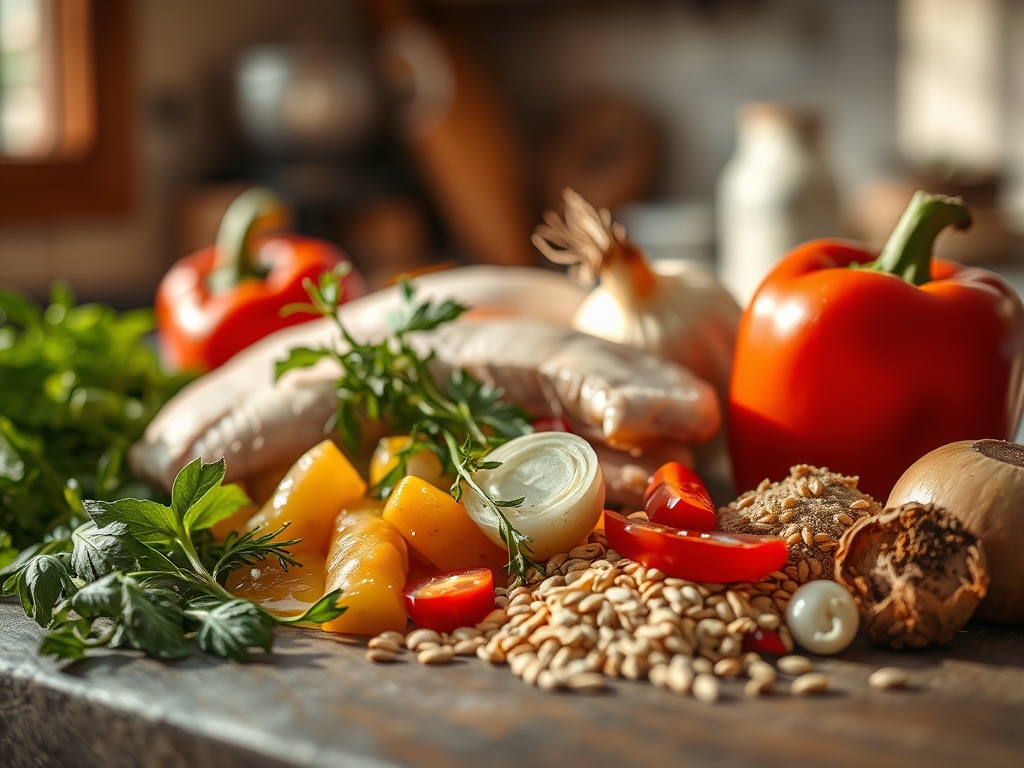
To execute these chicken recipes with peppers and onions with professional precision, your mise-en-place must be flawless. Start with your protein. I recommend organic chicken thighs for their higher fat content and resilience against overcooking, though breasts work well if you monitor the internal temperature with a digital scale or probe. Your peppers should be heavy for their size, indicating high water content and crisp cell walls. Bell peppers provide the bulk, but adding a poblano or a serrano introduces a complex capsaicin heat that elevates the entire profile.
For the onions, a mix of yellow and red provides both structural integrity and aesthetic vibrance. Yellow onions contain a high sulfur content that mellows into a deep umami, while red onions offer a sharper finish. You will also need a high-smoke-point fat like avocado oil or clarified butter to ensure you can reach the temperatures required for the Maillard reaction without the oil breaking down into acrid compounds.
Smart Substitutions: If you are out of fresh peppers, a jar of roasted red peppers adds a smoky, silky texture. No onions? Leeks offer a more delicate, buttery flavor profile but require careful cleaning to remove grit from their layers. If you want to boost the savory notes, a splash of fish sauce or liquid aminos provides a hidden depth that makes the vegetables taste "meatier."
The Clock:
Efficiency in the kitchen is about understanding the "Chef's Flow." For most chicken recipes with peppers and onions, you are looking at a 15-minute prep window and a 20-minute cook time. The flow is simple: slice your aromatics while the chicken tempers on the counter. Never cook meat straight from the fridge; letting it sit for 10 minutes ensures the muscle fibers don't seize up when they hit the heat.
The total active time is approximately 35 minutes. By the time your chicken has finished its mandatory 5-minute rest period, you will have had just enough time to deglaze the pan and mount a quick pan sauce with cold butter. This timing ensures that the vegetables retain a slight al dente snap while the chicken reaches its juicy peak.
The Masterclass:
1. Prep and Temper the Protein
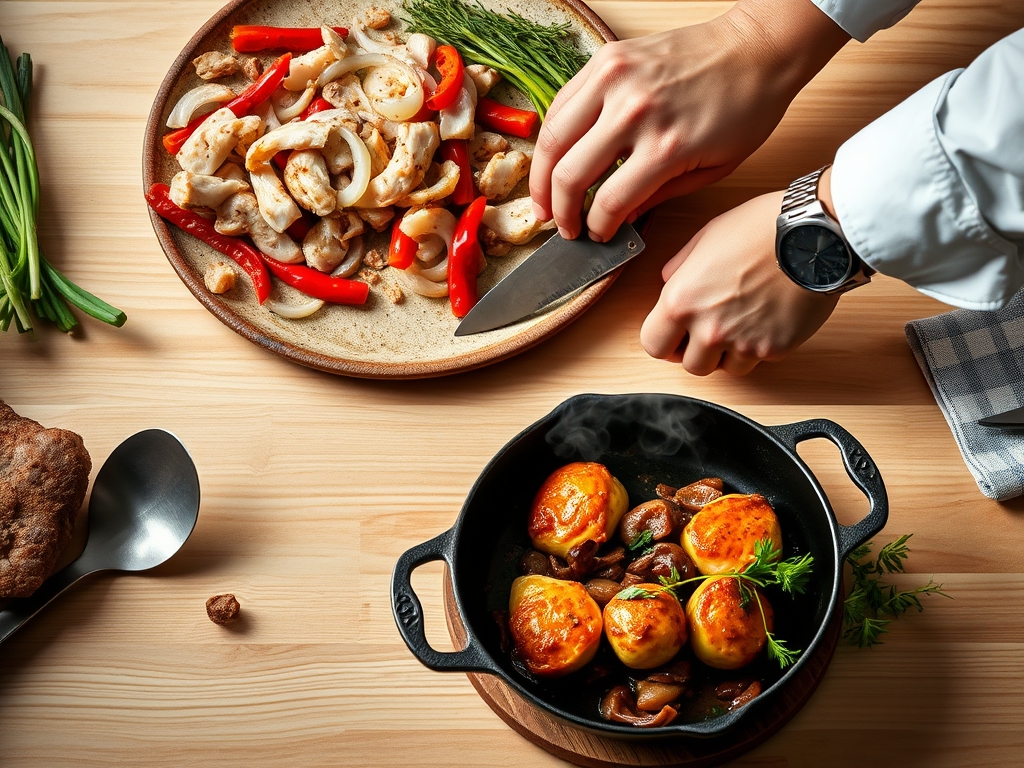
Use a sharp chef's knife to slice the chicken into uniform 1-inch strips. Pat the meat dry with paper towels to remove surface moisture. This is vital because moisture creates steam, and steam is the enemy of a golden-brown crust. Season generously with kosher salt and black pepper from a height to ensure even distribution.
Pro Tip: This process involves denaturation. By salting the meat early, you allow the salt to penetrate the protein strands, helping them retain moisture during the high-heat cooking process.
2. Achieve the Perfect Sear
Heat your heavy-bottomed skillet over medium-high heat until the oil shimmers. Add the chicken in a single layer, ensuring you do not crowd the pan. Use stainless steel tongs to flip the pieces only once they release naturally from the surface.
Pro Tip: This is the Maillard Reaction in action. This chemical reaction between amino acids and reducing sugars creates hundreds of different flavor compounds, giving the chicken its characteristic savory "browned" taste.
3. Sauté the Aromatics
Remove the chicken and set it aside. Immediately add your sliced peppers and onions to the rendered fat. Use a wooden spoon or a bench scraper to move the vegetables constantly. You want to soften the cell walls without turning the peppers into mush.
Pro Tip: This stage focuses on caramelization. As the onions heat up, their complex starch molecules break down into simple sugars, which then brown and sweeten, balancing the savory chicken.
4. Deglaze and Emulsify
Once the vegetables are vibrant and tender, pour in a splash of chicken stock, dry white wine, or even a squeeze of citrus. Use your spatula to scrape up the "fond" (the brown bits) stuck to the bottom of the pan.
Pro Tip: Deglazing uses a solvent to lift concentrated flavor. By adding a fat source like butter at the end, you create a viscous emulsion that coats the chicken and vegetables in a silky, restaurant-quality sauce.
5. Reintegrate and Finish
Return the chicken and any accumulated juices to the pan. Toss everything together for 60 seconds to marry the flavors. Finish with fresh herbs like cilantro or parsley, using a microplane to zest a bit of lime over the top for a bright, acidic finish.
Pro Tip: Pay attention to thermal carryover. Remove the pan from the heat when the chicken is a few degrees below your target temperature; the internal heat will continue to cook the meat as it rests.
The Deep Dive:
From a nutritional standpoint, chicken recipes with peppers and onions are a powerhouse. A standard serving offers roughly 35g of lean protein and is packed with Vitamin C and fiber from the peppers. To keep this Keto-friendly, skip any starch-based thickeners and use extra virgin olive oil. For a vegan twist, swap the chicken for pressed extra-firm tofu or oyster mushrooms, which mimic the fibrous texture of poultry beautifully.
The Fix-It:
- Soggy Vegetables: This happens when the pan is overcrowded. The moisture released has nowhere to go, so it steams the food. Fix: Cook in smaller batches or use a wider skillet.
- Dry Chicken: You likely skipped the resting phase or overcooked the breast. Fix: Use a digital thermometer and pull the chicken at 160 degrees Fahrenheit.
- Bland Sauce: This is an acid deficiency. Fix: Add a teaspoon of apple cider vinegar or a squeeze of lemon to "wake up" the flavors.
Meal Prep Science: To maintain "day-one" quality, store the chicken and vegetables in an airtight glass container. When reheating, add a teaspoon of water and cover the dish. This creates a small steam chamber that rehydrates the protein fibers without making the peppers rubbery.
The Wrap-Up:
Mastering chicken recipes with peppers and onions is a fundamental skill that unlocks a world of culinary possibilities. It is about understanding how heat transforms raw ingredients into a cohesive, flavorful masterpiece. Once you understand the science of the sear and the importance of deglazing, you can riff on these recipes with different spices and liquids to suit any mood. Now, get into that kitchen and let the sizzle begin!
The Kitchen Table:
How do I prevent my onions from burning while the peppers cook?
Slice your onions slightly thicker than your peppers. Onions have a higher sugar content and will brown faster; the extra mass ensures they reach a perfect caramelization at the same time the peppers become tender.
Can I use frozen peppers for these chicken recipes?
Yes, but you must adjust your technique. Thaw and pat them dry first. Frozen peppers have compromised cell walls and release water quickly, so use a very high heat to evaporate moisture instantly and prevent steaming.
What is the best way to cut peppers for even cooking?
Cut the top and bottom off, slice down one side, and "roll" the pepper flat to remove the ribs. Slice into uniform matchsticks (julienne). Uniformity ensures every piece hits the same level of doneness simultaneously.
Why does my chicken stick to the stainless steel pan?
The chicken sticks because the protein bonds haven't finished the Maillard reaction. Wait for the meat to naturally "release" from the pan surface. If you force it, you will tear the fibers and lose the crust.