
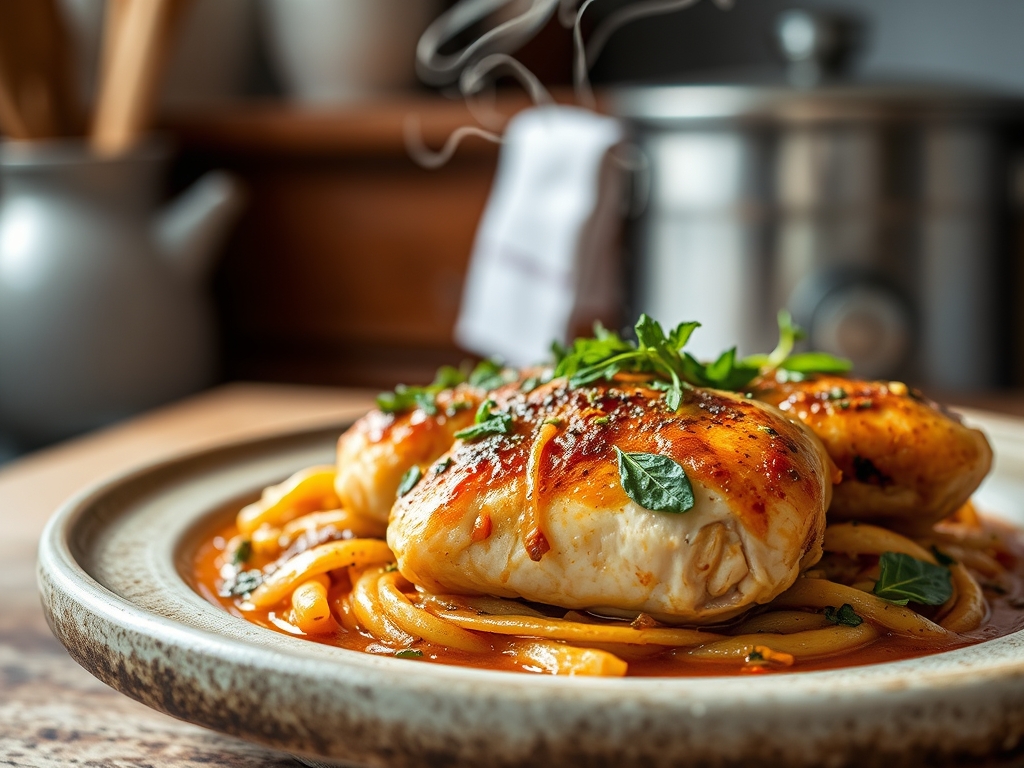
Picture a Sunday afternoon where the air is thick with the scent of crushed San Marzano tomatoes and blooming basil; a kitchen that smells like a heritage villa in Tuscany without you having to lift a single heavy pot. Mastering italian slow cooker chicken recipes is less about "dumping and going" and more about managing the molecular architecture of a slow-simmered sauce. We are looking for that perfect, fork-tender pull that retains its structural integrity rather than turning into a pablum of over-braised protein. It is about the intersection of convenience and high-level gastronomy.
The secret to why these dishes taste better the next day lies in the syneresis of the sauces. As the ceramic crock maintains a steady, low-impact heat, the collagen in the chicken thighs transforms into silky gelatin. This process creates a viscous mouthfeel that mimics the output of a professional saucier. We are not just making dinner; we are conducting a low-temperature experiment in flavor extraction. By the time you lift the lid, the piquant notes of capers or the earthy depth of rosemary have fully infused into the heart of the meat.
The Gathers:
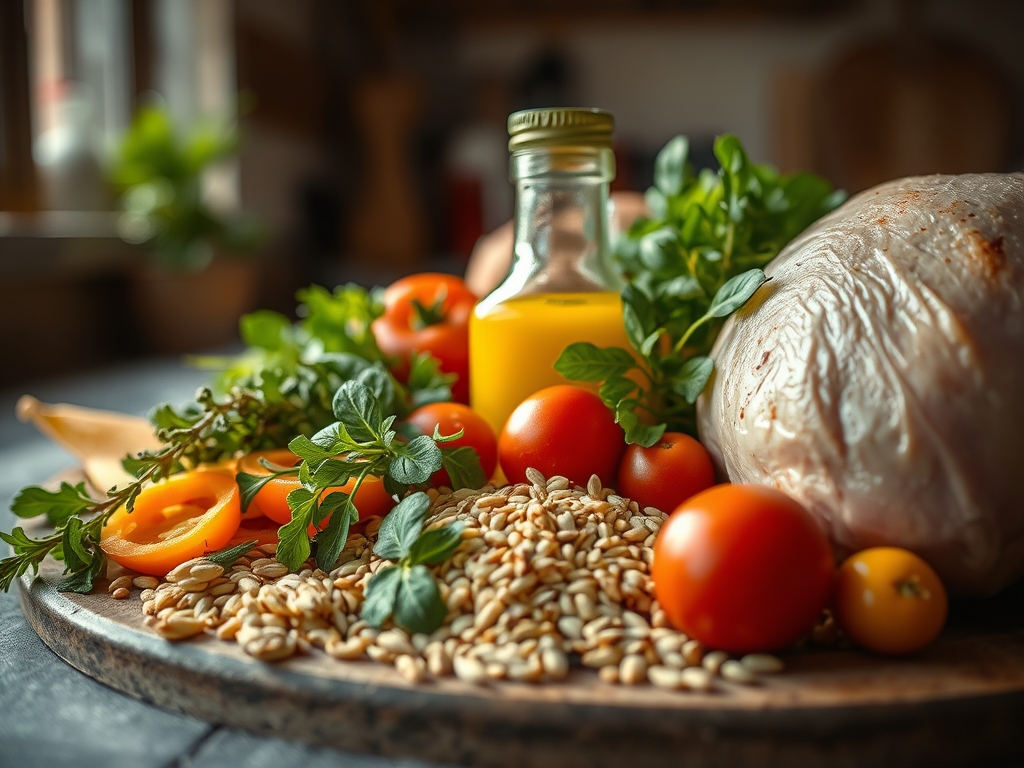
To achieve a restaurant-grade result, your mise-en-place must be precise. Start with bone-in, skin-on chicken thighs. While you might be tempted by breasts, the higher fat content in thighs allows the fat to render slowly, preventing the meat from becoming stringy during an eight-hour cycle. Use a digital scale to measure your aromatics. You will need 500 grams of crushed tomatoes, 50 grams of salt-cured capers (rinsed to control salinity), and a bouquet garni of fresh oregano and thyme tied with kitchen twine.
For the piquant kick, keep a jar of Calabrian chili paste nearby. If you are looking for smart substitutions, swap the traditional yellow onion for shallots to achieve a more delicate, garlicky profile. If you find yourself out of fresh garlic, use a microplane to zest a bit of ginger into your base; it sounds unconventional, but it provides a bright, sharp top note that mimics the bite of fresh allium. For a deeper umami hit, add a two-inch rind of Parmigiano-Reggiano directly into the liquid. The rind will soften and release glutamates, acting as a natural flavor enhancer without the need for synthetic additives.
The Clock
The "Chef's Flow" for these recipes is divided into two distinct phases: the active sear and the passive braise. Expect 20 minutes of active prep time. This includes the crucial step of searing your protein in a heavy-bottomed skillet before it ever touches the slow cooker. The passive phase ranges from four hours on "High" to eight hours on "Low."
Always opt for the "Low" setting if your schedule allows. The slower temperature climb prevents the muscle fibers from contracting too violently, which preserves the moisture trapped within the protein cells. If you are in a rush, the four-hour "High" setting works, but you must be vigilant with a digital probe thermometer to ensure the internal temperature does not exceed 175 degrees Fahrenheit, the sweet spot for thigh meat.
The Masterclass
1. The Maillard Foundation
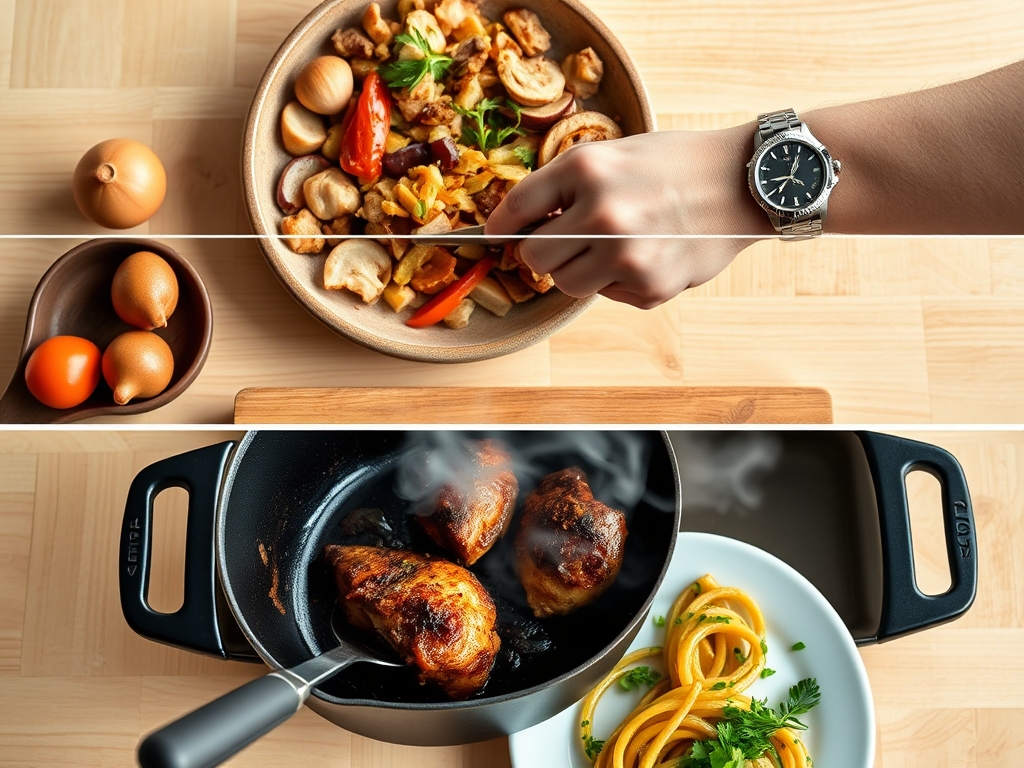
Pat your chicken completely dry with paper towels. Season aggressively with kosher salt. Heat a splash of high-smoke-point oil in your skillet until it shimmers. Place the chicken skin-side down and do not move it for four minutes. Use tongs to check for a deep, golden crust.
Pro Tip: This step utilizes the Maillard Reaction, a chemical reaction between amino acids and reducing sugars that creates hundreds of different flavor compounds. Without this initial sear, your slow cooker chicken will lack the savory complexity found in traditional Italian braises.
2. Deglaze and Extract
Once the chicken is browned, remove it and set it aside. Pour 100ml of dry white wine (like a Pinot Grigio) into the hot pan. Use a bench scraper or wooden spoon to lift the fond (the brown bits) from the bottom of the pan.
Pro Tip: Deglazing is essential for solvent extraction. The alcohol in the wine dissolves flavor molecules that are not water-soluble, ensuring that every ounce of "burnt" goodness is incorporated back into the sauce.
3. Layering the Aromatics
Place your aromatics (onions, celery, carrots) at the bottom of the slow cooker insert. These vegetables act as a biological "rack" for the chicken, preventing the meat from sitting directly on the heating element and scorching.
Pro Tip: This layering creates a thermal buffer. It allows the vegetables to soften in the chicken drippings while the meat cooks via gentle steam and indirect heat, preserving its delicate texture.
4. The Long Simmer
Pour your tomato base and deglazing liquid over the chicken. Set your timer. Resist the urge to open the lid. Every time you peek, you release a significant amount of heat and steam, extending the cook time by at least fifteen minutes.
Pro Tip: Maintaining a sealed environment creates a closed-loop system of evaporation and condensation. This ensures the braising liquid remains concentrated and the meat stays hydrated through consistent humidity.
5. The Emulsification Finish
Ten minutes before serving, remove the chicken. If the sauce looks thin, whisk in a tablespoon of cold butter or a splash of heavy cream. Use a saucier if you prefer to reduce the sauce further on the stovetop for a more viscous coating.
Pro Tip: This is known as mounting with butter (beurre monte). The fats wrap around the water molecules in the sauce, creating a smooth, glossy emulsion that clings to pasta or crusty bread perfectly.
The Deep Dive
From a macro nutrition perspective, these italian slow cooker chicken recipes are powerhouses. A standard serving provides roughly 35g of protein and 12g of healthy fats. To make this Keto, simply omit the wine and serve over zoodles. For a Vegan twist, swap the chicken for hearty oyster mushrooms or chickpeas, though you should reduce the cook time to two hours to avoid mushiness.
The Fix-It:
- Too Salty: Add a peeled, halved potato for the last thirty minutes. The starch acts as a sponge for excess sodium.
- Too Thin: Temper a teaspoon of cornstarch with cold water and stir it in; the heat will trigger starch gelatinization to thicken the liquid instantly.
- Bland Flavor: Add a teaspoon of balsamic vinegar or a squeeze of lemon at the very end. The acid brightens the heavy fats.
For Meal Prep, store the chicken in its own juices. When reheating, use a low heat on the stove rather than a microwave. Rapid microwaving can cause the proteins to toughen; a gentle simmer on the range restores the "day-one" silkiness by re-melting the gelatin.
The Wrap-Up
There is a profound joy in coming home to a meal that has been working harder than you have all day. By applying these technical touches—the sear, the deglaze, and the acid balance—you elevate a humble appliance into a vessel of culinary excellence. These italian slow cooker chicken recipes are your ticket to a sophisticated, stress-free dinner that tastes like it took a lifetime to master. Now, grab your microplane, find your favorite apron, and let the slow cooker do the heavy lifting.
The Kitchen Table
Can I use frozen chicken in the slow cooker?
No, you should never put frozen chicken in a slow cooker. The meat stays in the "danger zone" temperature range for too long, risking bacterial growth. Always thaw your poultry completely in the refrigerator before starting your recipe.
Why is my slow cooker chicken always dry?
Dryness usually results from using lean breast meat or cooking for too long on "High." Switch to chicken thighs and use a digital thermometer to pull the meat at 175 degrees Fahrenheit for the most succulent results.
How do I get crispy skin in a slow cooker?
The slow cooker environment is too humid for crispiness. To achieve a crunch, sear the skin in a skillet before slow cooking, or place the finished chicken under a broiler for three minutes just before serving.
Do I need to add water to the pot?
Rarely. Chicken and vegetables release significant moisture during the cooking process. Adding extra water often results in a diluted, flavorless sauce. Stick to the measured liquids like wine or crushed tomatoes specified in the recipe.