
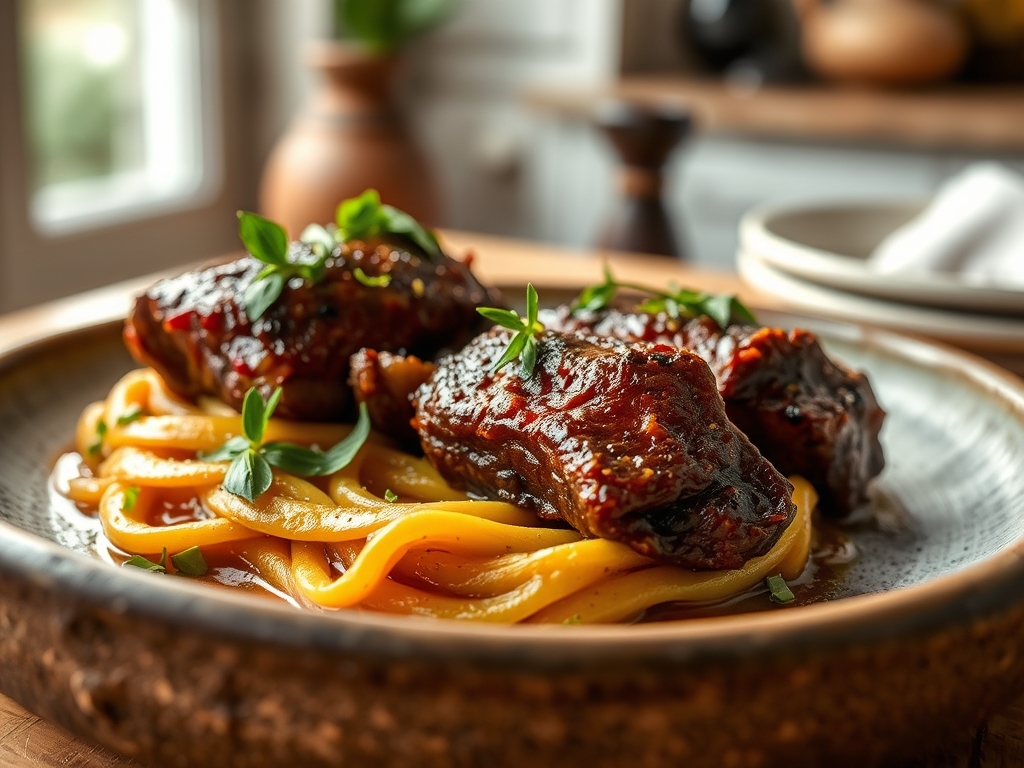
Imagine the scent of smoked paprika hitting a hot, heavy-bottomed skillet while beef fat renders into a golden, shimmering liquid. That is the soul of the Iberian kitchen. If you are hunting for authentic spanish beef recipes, you are looking for more than just dinner; you are looking for a masterclass in slow-cooked alchemy and piquant aromatics. We are moving beyond the basic steak to explore textures that range from the crisp, seared edges of a Galician ribeye to the silky, viscous collagen of a Madrid-style stew. It is time to treat your kitchen like a high-end tasca where the wine is cold and the beef is legendary.
Spanish cuisine treats beef with a unique reverence, often balancing the heavy protein with bright acidity or earthy minerals. Whether you are searing a Chuletón or braising Oxtail, the secret lies in the patience of the process. We are going to dive into the technical nuances that make these dishes iconic. Grab your apron and your sharpest chef knife; we are about to transform a few humble cuts into a Mediterranean feast that would make a Michelin-starred chef nod in approval.
The Gathers:
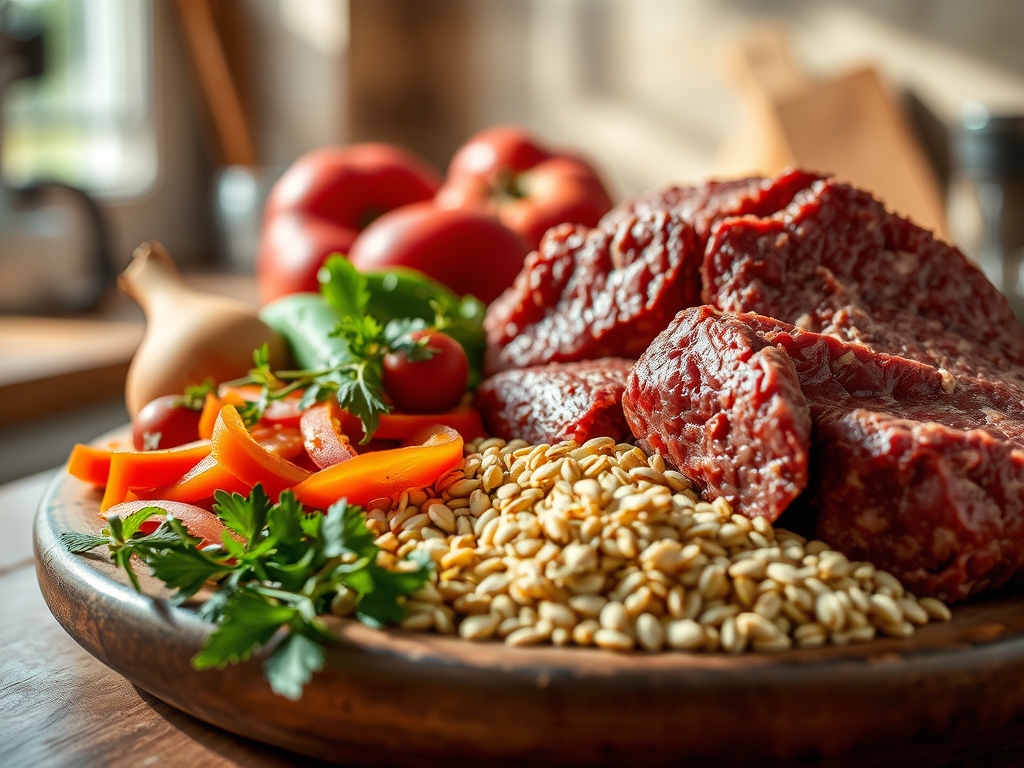
To execute these spanish beef recipes with precision, your mise-en-place must be impeccable. We start with the beef itself, preferably grass-fed with high intramuscular fat. You will need a digital scale to ensure your ratios of Pimentón de la Vera (smoked paprika) are exact; too much can veer into bitterness. Your counter should be a landscape of aromatics: whole cloves of purple garlic, saffron threads that smell of dried hay and honey, and Sherry vinegar to provide that essential hit of acetic acid.
Don't forget the liquids. A high-quality beef stock, rich in gelatin, is the backbone of any stew. Use a microplane to zest lemons for a bright finish and a bench scraper to move your finely diced mirepoix from the board to the pot without losing a single drop of juice.
Smart Substitutions:
If you cannot find authentic Pimentón, a mix of smoked chipotle powder and sweet paprika can mimic the depth, though you will lose the specific Spanish terroir. For those avoiding alcohol, a splash of verjuice or extra stock with a teaspoon of balsamic vinegar can replace the dry Fino sherry. If you are out of saffron, a pinch of turmeric provides the hue, but the flavor profile will shift from floral to earthy.
The Clock
Efficiency in the kitchen is all about the Chef's Flow. For these nine dishes, your total active time is roughly 45 minutes, but the passive time is where the magic happens. A traditional Estofado or Rabo de Toro requires a minimum of three hours to allow for the hydrolysis of collagen, turning tough connective tissue into melt-in-your-mouth gelatin.
Plan your workflow by starting with the long-braised items first. While the beef simmers, you can prep the quicker tapas like Albóndigas (Spanish meatballs) or Carne con Tomate. By the time your guests arrive, the heavy lifting is done, leaving you only to deglaze the final pans and garnish with fresh parsley. This staggered timing ensures that every component hits the table at its thermal peak.
The Masterclass
1. The Sear and the Maillard Reaction
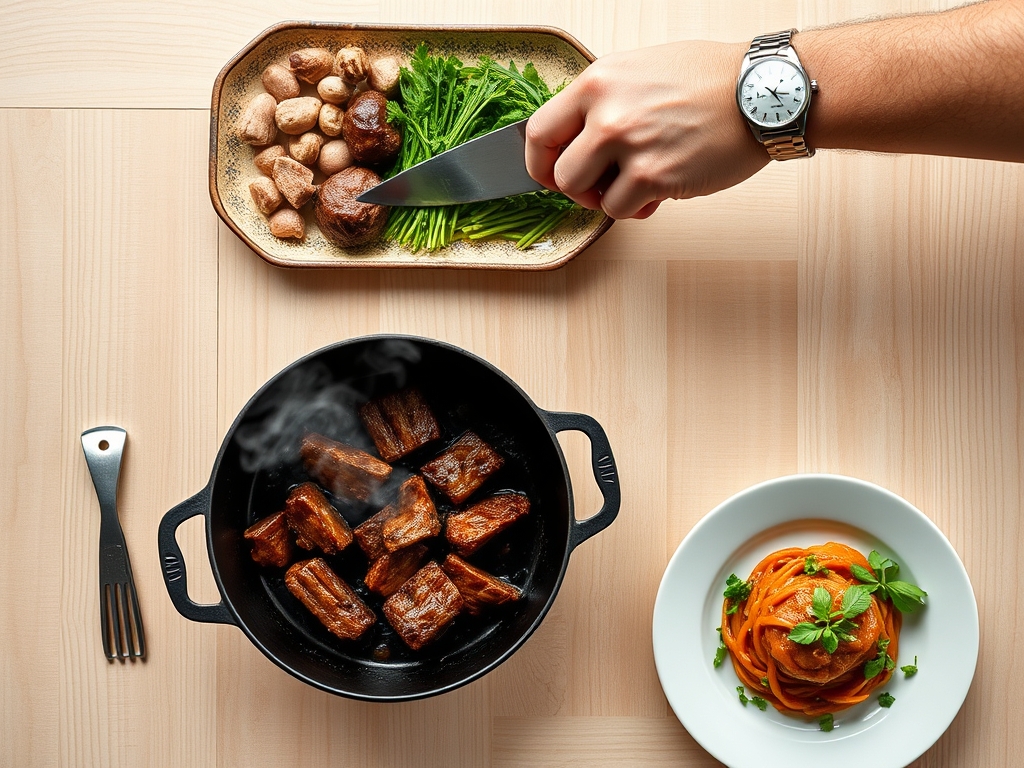
Begin by patting your beef dry with paper towels. Use a heavy-bottomed skillet to achieve a high-heat sear. Do not overcrowd the pan; you want to avoid steaming the meat.
Pro Tip: This stage triggers the Maillard reaction, a chemical dance between amino acids and reducing sugars that creates hundreds of flavor compounds. If the meat is wet, the energy goes into evaporating water rather than browning, resulting in a gray, bland exterior.
2. Deglazing the Fond
Once the beef is browned and removed, you will see brown bits stuck to the bottom. Pour in your wine or vinegar and use a wooden spoon to scrape them up.
Pro Tip: This process captures the fond, which is concentrated flavor. The acidity in the liquid helps dissolve the proteins, creating a complex base for your sauce that balances the richness of the rendered fat.
3. The Low and Slow Infusion
Add your aromatics and liquids, then drop the heat. The liquid should barely shimmer, not boil.
Pro Tip: Keeping the temperature below 190 degrees Fahrenheit prevents the muscle fibers from tightening and squeezing out moisture. This ensures the beef stays succulent while the flavors of the saffron and bay leaves infuse deeply into the core of the meat.
4. Emulsifying the Sauce
In the final minutes, you might find the sauce is too thin. Increase the heat slightly and whisk in a cold knob of butter or a slurry.
Pro Tip: This creates a stable emulsion, where fat droplets are suspended in the liquid. This gives the sauce a velvety mouthfeel and ensures it clings to the beef rather than pooling at the bottom of the plate.
The Deep Dive
From a nutritional standpoint, these spanish beef recipes are powerhouses of iron, B12, and zinc. When you include the traditional vegetable bases (sofrito), you are also adding a healthy dose of lycopene and antioxidants.
Dietary Swaps:
For a Keto version, simply omit the potatoes often found in Spanish stews and replace them with daikon radish or cauliflower florets. For a Vegan alternative, use "beefy" mushrooms like King Oyster or Portobello, which have a similar umami profile. For Gluten-Free diners, ensure your thickener is cornstarch or arrowroot rather than flour.
The Fix-It:
- Tough Meat: If the beef is chewy, it simply hasn't cooked long enough. Add a splash of water and keep simmering; the collagen will eventually break down.
- Broken Sauce: If your sauce looks greasy, it has "split." Whisk in a tablespoon of warm water or stock vigorously to re-emulsify the fats.
- Over-Salted: If you were too heavy-handed with the salt, drop in a peeled potato for ten minutes. The starch will absorb some of the excess sodium.
Meal Prep:
Beef stews actually improve on day two. As the dish cools, the aromatics continue to aerate and meld. To reheat, use a saucier over low heat and add a tablespoon of water to loosen the gelatin. Avoid the microwave, which can cause the beef to become rubbery through uneven heating.
The Wrap-Up
Mastering spanish beef recipes is like learning a new language; once you understand the grammar of the sear and the vocabulary of the spices, you can say anything. These dishes are designed for lingering over, for dipping crusty bread into rich sauces, and for celebrating the robust flavors of the Mediterranean. You now have the technical knowledge to turn a simple cut of beef into a cultural experience. So, fire up that stove, grab your tongs, and let the aroma of Spain fill your home.
The Kitchen Table
Which cut of beef is best for Spanish stews?
Chuck roast or oxtail are ideal. These cuts contain high amounts of connective tissue that transform into a viscous, rich gelatin during the slow-cooking process, providing the signature mouthfeel of authentic Spanish comfort food.
Can I make these recipes in a slow cooker?
Yes, but you must sear the meat in a heavy-bottomed skillet first. The slow cooker cannot reach the temperatures required for the Maillard reaction, so browning the beef beforehand is essential for deep, complex flavor.
Why is my Spanish beef stew bitter?
Bitterness usually comes from burning the garlic or the Pimentón. Always add these delicate aromatics last in your sofrito and ensure there is enough liquid or fat to prevent them from scorching on the pan surface.
How do I get a thick sauce without flour?
Traditional Spanish cooks often use a picada, a paste made of toasted almonds, garlic, and breadcrumbs. For a grain-free version, simply blend a portion of the cooked vegetables and stir them back into the sauce to increase density.