
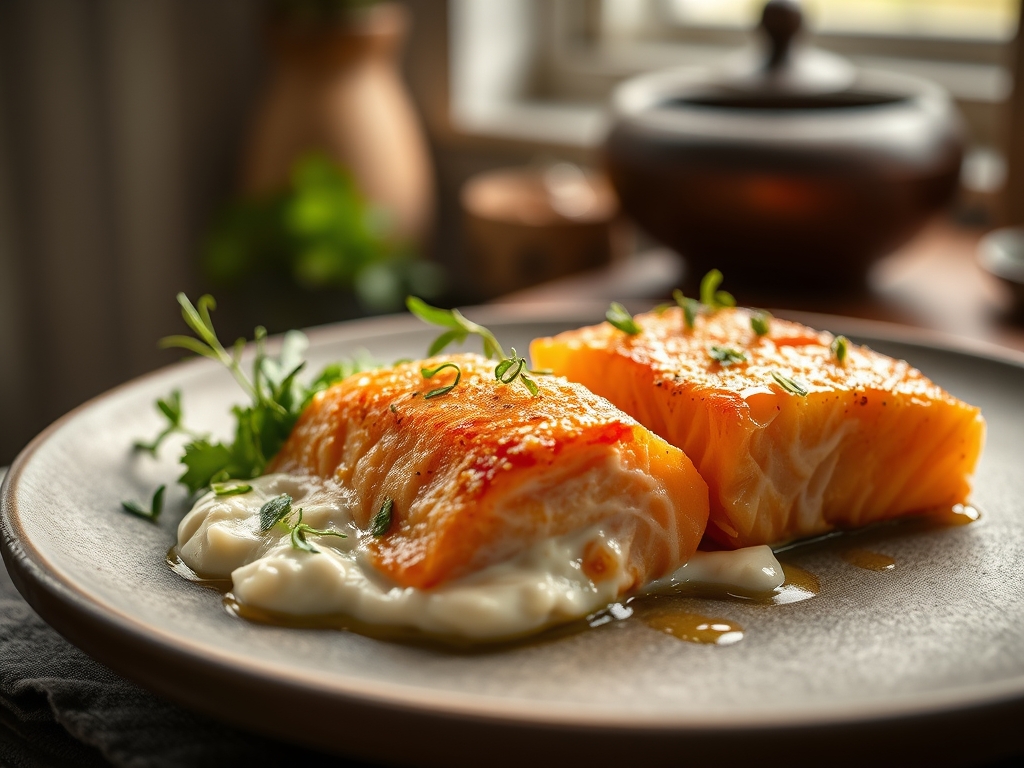
Imagine the tactile snap of cold, brined capers meeting the velvety resistance of a high protein curd. When you start exploring cottage cheese and salmon recipes, you are not just making lunch; you are engineering a structural masterpiece of textures. The piquant acidity of the fish cuts through the lactic richness of the cheese, creating a profile that is both decadent and lean.
This duo is the ultimate culinary power couple for the modern kitchen. Salmon provides the omega-3 fatty acids and a buttery mouthfeel, while cottage cheese acts as a high-protein, low-fat binder that mimics the luxury of cream cheese without the caloric density. Whether you are folding flaked, pan-seared fillets into a whipped base or layering smoked lox over a dollop of small-curd goodness, the result is a nutrient-dense powerhouse. We are moving beyond the basic bowl and into the realm of sophisticated, chef-driven plates that satisfy the palate and the macros simultaneously.
The Gathers:
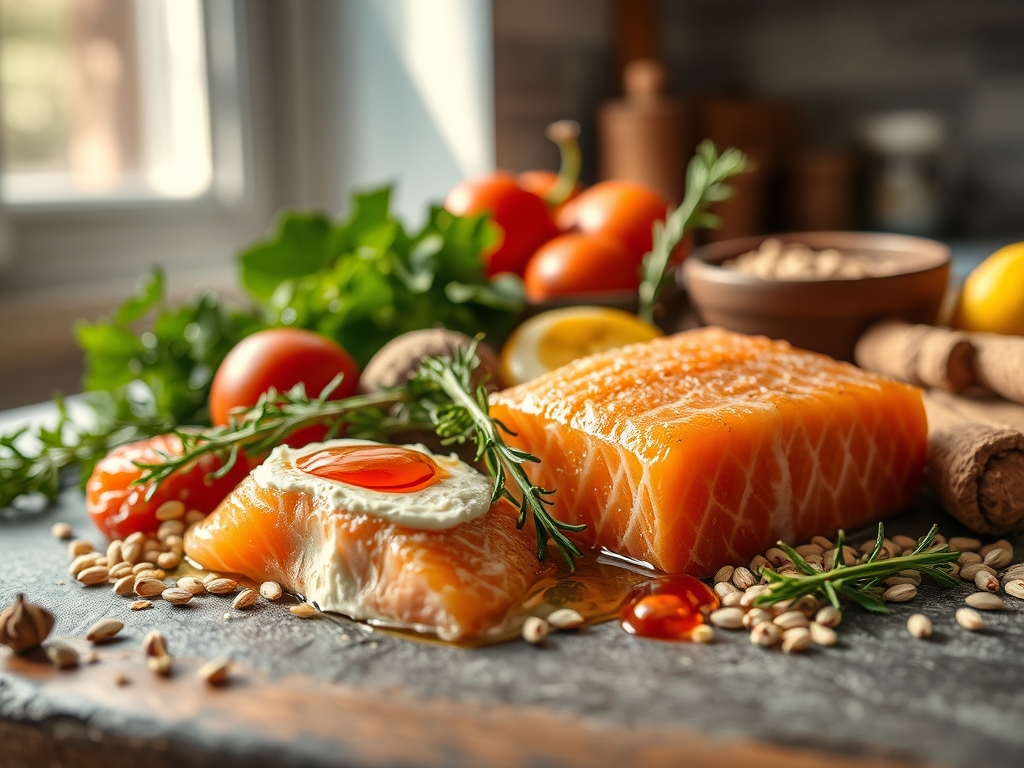
To execute these cottage cheese and salmon recipes with precision, your mise-en-place must be impeccable. Start with the salmon. If you are using fresh fillets, look for vibrant, translucent flesh that springs back when pressed. For smoked varieties, cold-smoked sockeye offers a firm, lean texture, while Atlantic salmon provides a higher fat content and a more viscous, melt-on-the-tongue experience.
Next, examine your cottage cheese. For a smooth, spreadable consistency, use a saucier or a high-speed blender to aerate the curds until they reach a silken state. If you prefer the classic texture, opt for 4 percent milk fat to ensure a rich mouthfeel. You will also need a microplane for zesting lemons, which provides the essential citric acid to balance the fats. Fresh dill, chives, and scallions are non-negotiable for their aromatic volatile oils.
Smart Substitutions: If you are sensitive to dairy, a high-quality almond-based ricotta can mimic the texture of cottage cheese. For those avoiding seafood, salt-cured carrots (often called carrot lox) provide a similar smoky profile. If you find the cottage cheese too liquid, strain it through a fine-mesh sieve lined with cheesecloth for thirty minutes to increase the solids-to-whey ratio.
The Clock
Efficiency in the kitchen is about mastering the Chef's Flow. For these recipes, total preparation time usually spans fifteen minutes, while cooking (if using fresh salmon) takes about eight to ten minutes. The secret to a seamless experience is multitasking during the render phase. While your salmon is crisping in a heavy-bottomed skillet, you should be zesting your citrus and chiffonading your herbs.
Cold-prep versions, like the smoked salmon protein bowls, are even faster; they require about five minutes of assembly. Always allow your cooked salmon to rest for three minutes before flaking. This allows the internal juices to redistribute, ensuring the fish remains succulent rather than dry when integrated with the cool cheese.
The Masterclass
1. The Whipped Foundation
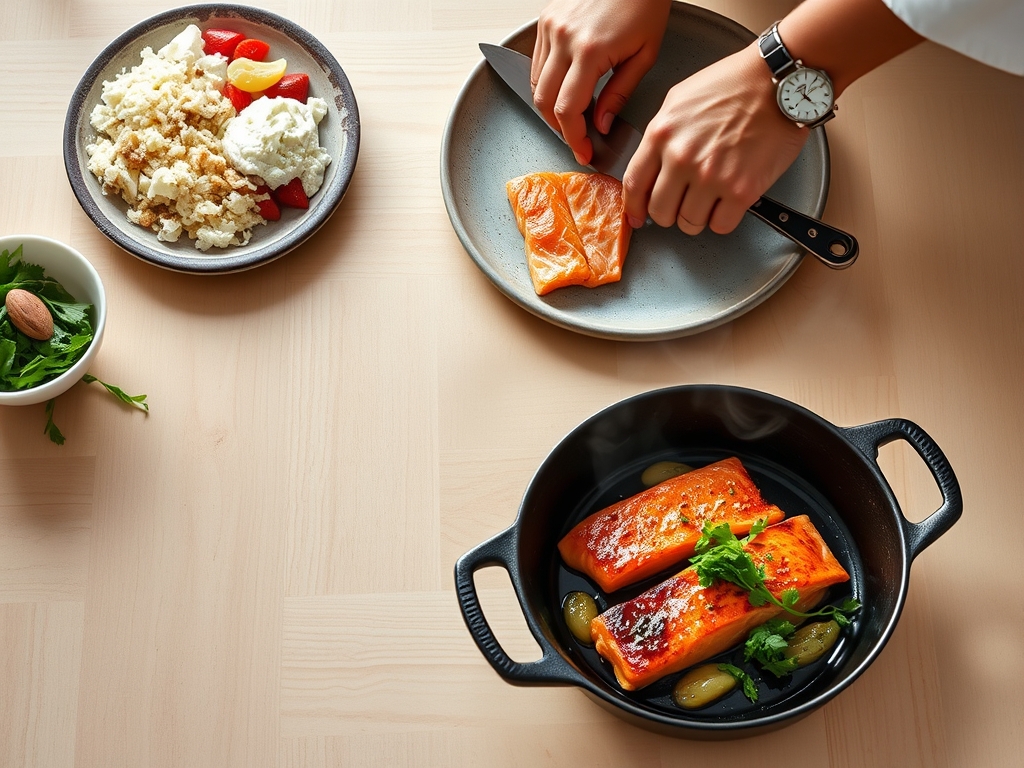
Place your cottage cheese into a food processor and pulse until the curds disappear. This process breaks down the casein structures, resulting in a light, mousse-like texture that serves as a perfect bed for toppings.
Pro Tip: This is known as mechanical emulsification. By breaking down the solids, you create more surface area for flavor molecules to bind, making your seasonings taste more intense.
2. Searing the Protein
Pat your salmon fillets bone-dry with a paper towel. Place them skin-side down in a preheated skillet with a high-smoke-point oil. Use tongs to press the fish down firmly for the first thirty seconds to prevent curling.
Pro Tip: This triggers the Maillard reaction, a chemical reaction between amino acids and reducing sugars that gives browned food its distinctive flavor. Moisture is the enemy of this reaction; hence the need for dry skin.
3. The Infusion Phase
While the salmon rests, fold your aromatics into the cottage cheese. Use a bench scraper or a silicone spatula to gently incorporate dill, lemon zest, and cracked black pepper. Do not over-mix, or you will lose the airy volume you created during whipping.
Pro Tip: Fat is a flavor carrier. The lipids in the cottage cheese will infuse with the essential oils in the herbs, carrying the flavor across your entire tongue as you eat.
4. Flaking and Folding
If making a salad or dip, use two forks to flake the salmon into large, chunky pieces. Add the warm fish to the cold cheese mixture. The contrast in temperature is a sensory delight, but you must work quickly to serve it before the cheese reaches room temperature.
Pro Tip: Be mindful of thermal carryover. Salmon continues to cook for several minutes after being removed from the heat. Pull the fish off the stove when it is slightly underdone to reach perfect flakiness.
5. Plating and Garnishing
Spread the mixture onto toasted sourdough or into a hollowed-out cucumber. Garnish with capers or pickled red onions. The acidity of the pickles acts as a palate cleanser, cutting through the richness of the protein.
Pro Tip: Acid facilitates proteolysis, or the breakdown of proteins. This not only balances the flavor but also aids in the digestion of a high-protein meal.
6. The Texture Contrast
Top your creation with something crunchy, like toasted hemp seeds or everything bagel seasoning. This provides a structural counterpoint to the soft cheese and tender fish.
Pro Tip: Sensory specific satiety suggests that varied textures keep the brain engaged, making the meal feel more satisfying and preventing overeating.
7. Final Seasoning
Finish with a sprinkle of flaky sea salt. Use a digital scale if you are tracking sodium, but generally, a pinch at the end highlights the sweetness of the fresh fish.
Pro Tip: Salt is a flavor enhancer that suppresses bitterness and enhances the perception of sweetness and umami in the salmon.
The Deep Dive
From a macro perspective, cottage cheese and salmon recipes are a gold mine. A single serving typically provides 30 to 40 grams of protein with a balanced ratio of healthy fats. It is a low-glycemic index meal that prevents insulin spikes, making it ideal for sustained energy.
For Dietary Swaps, Keto followers can skip the crackers and use endive leaves as a vessel. Those who are Gluten-Free should ensure their smoked salmon is not processed with malt-based flavorings. If you are looking for a lower-sodium option, swap smoked salmon for poached fresh salmon and use "no salt added" cottage cheese.
The Fix-It:
- Watery Consistency: If your dish looks "weepy," it is because the salt is drawing moisture out of the vegetables. Add your cucumbers or tomatoes just before serving.
- Grainy Texture: This happens if the cottage cheese is over-processed or too cold. Let it sit at room temperature for five minutes before blending.
- Fishy Aftertaste: This is caused by the oxidation of fats. A squeeze of fresh lemon juice will neutralize the amines responsible for the odor.
For Meal Prep, do not mix the salmon and cheese until you are ready to eat. Store them in separate airtight containers. To reheat cooked salmon without it becoming rubbery, use a low temperature in the oven (around 275 degrees Fahrenheit) with a splash of water to create steam.
The Wrap-Up
Mastering cottage cheese and salmon recipes is like unlocking a secret level of kitchen efficiency. You are combining high-level nutritional science with gourmet flavors that feel like a treat. It is fast, it is smart, and it is undeniably delicious. Now, grab your tongs and get to the stove; your best-ever lunch is only a few minutes away!
The Kitchen Table
Can I use canned salmon for these recipes?
Yes; canned salmon is a budget-friendly, shelf-stable alternative. Ensure you drain it thoroughly and remove any large bones or skin pieces. The texture will be softer, making it ideal for whipped spreads and dips.
How long does salmon and cottage cheese last in the fridge?
Once combined, the mixture should be consumed within 24 hours for optimal freshness. Separately, opened cottage cheese lasts about five to seven days, while cooked salmon is best within three days of preparation.
Is it better to use fat-free or full-fat cottage cheese?
Full-fat (4%) cottage cheese provides a superior mouthfeel and better satiety. The fats also help your body absorb the fat-soluble vitamins found in the salmon and garnishes. Fat-free versions may require more seasoning to compensate for flavor.
Can I freeze cottage cheese and salmon dip?
Freezing is not recommended. The cellular structure of cottage cheese breaks down when frozen, resulting in a grainy, separated texture upon thawing. For the best culinary experience, always prepare this dish fresh or refrigerate briefly.