
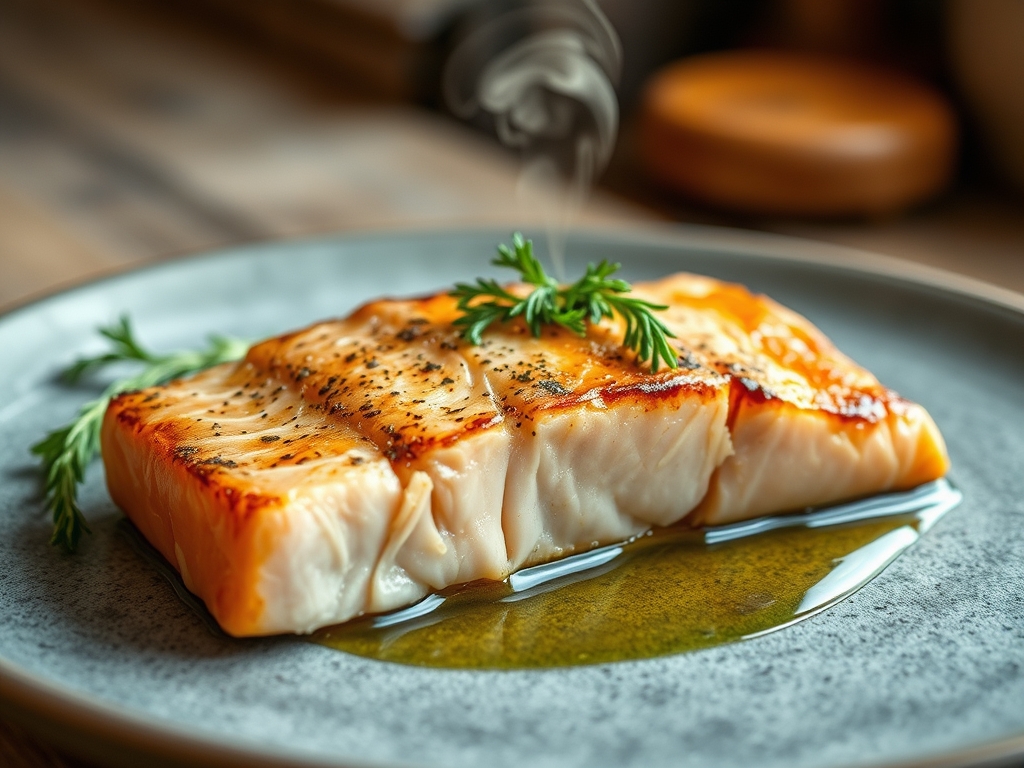
Imagine the sound of a heavy bottomed skillet meeting a high flame; it is a sharp, percussive ring that signals the start of something transformative. As the pan heats, you pour in a thin, viscous ribbon of liquid gold. Finding the perfect balance in salmon recipes olive oil is about more than just dinner; it is about the chemistry of a perfect sear. The kitchen fills with the scent of sea salt and crushed herbs as the fish hits the shimmering oil. There is a specific, rhythmic sizzle that tells you the Maillard reaction is beginning to work its magic on the proteins. We are moving beyond basic baking into the realm of professional roasting, where heat management and fat quality define the final texture of the fillet.
This guide is your masterclass in seven distinct ways to roast salmon using the world's most versatile fat. Whether you are looking for a piquant citrus infusion or a deep, garlic-heavy crust, the foundation remains the same. We are chasing that elusive combination of a glass-like, crispy skin and a translucent, buttery interior. It requires a bit of nerve, a lot of heat, and the right extra virgin olive oil to act as a heat conductor. Pull up a stool and grab your favorite apron; we are about to turn your kitchen into a high-end bistro.
The Gathers:
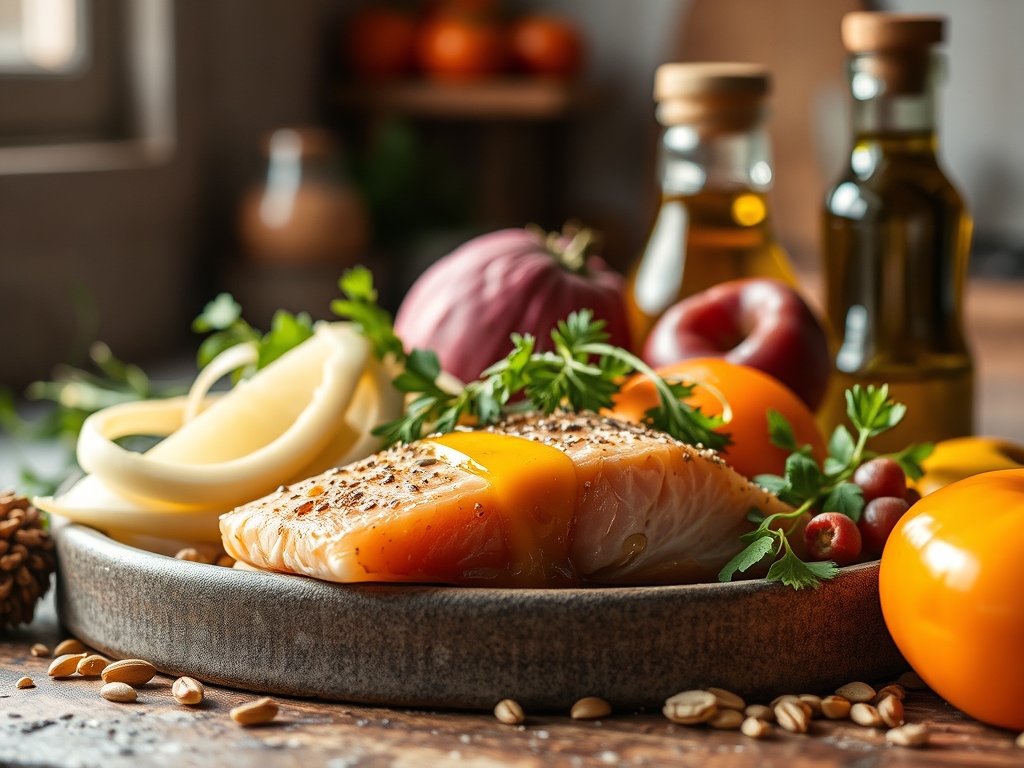
Before the first flame is lit, your mise-en-place must be flawless. Professional cooking is 80 percent preparation and 20 percent execution. You will need center-cut Atlantic or King salmon fillets, ideally weighing about six ounces each. Use a digital scale to ensure uniform thickness; this prevents one piece from drying out while the other remains raw. Your olive oil should be cold-pressed and extra virgin, providing a high polyphenol count that stands up to roasting temperatures without breaking down into acrid smoke.
Gather your aromatics: fresh rosemary sprigs, cloves of garlic, and bright lemons. You will also need coarse kosher salt and freshly cracked black pepper. The large grains of kosher salt are essential because they do not dissolve instantly, allowing them to create a textured crust. For tools, have your microplane ready for zesting, a pair of sturdy tongs for flipping, and a saucier if you plan to make a quick pan sauce.
Smart Substitutions:
If you find yourself without fresh lemons, a splash of high-quality white wine vinegar can provide the necessary acidity to cut through the fatty fish. No rosemary? Thyme or oregano offers a similar woody profile. If you are watching your sodium, swap the kosher salt for a dulse seaweed sprinkle to maintain that briny, oceanic depth without the extra chloride.
The Clock
Efficiency in the kitchen is known as "Chef's Flow." For these salmon recipes olive oil roasts, expect a total commitment of 25 minutes. Prep takes exactly 10 minutes: this includes patting the fish dry (non-negotiable for a good sear), portioning, and seasoning. The roasting process itself takes between 12 and 15 minutes depending on your oven's calibration.
The secret to the flow is preheating. Your oven and your roasting pan should be screaming hot before the fish even touches them. This immediate hit of thermal energy prevents the fish from sticking and initiates the rendering of subcutaneous fat instantly. While the fish roasts, you have a five-minute window to whisk together a vinaigrette or prep a side salad, ensuring everything hits the table at the peak of its temperature profile.
The Masterclass
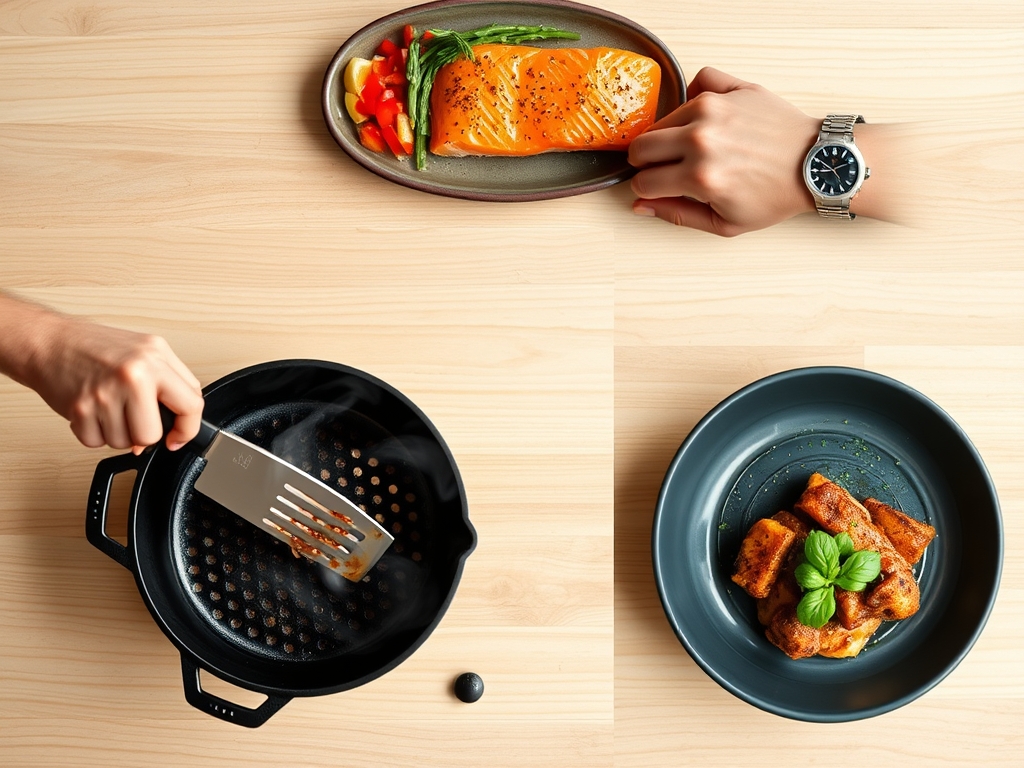
1. The Desiccating Prep
Use a paper towel to remove every trace of moisture from the skin of the fish. Moisture is the enemy of the sear; if the surface is wet, the fish will steam rather than roast. Once dry, rub a generous amount of olive oil over the entire fillet to create a protective barrier.
Pro Tip: This process is called surface dehydration. By removing water, you allow the surface temperature to rise above 212 degrees Fahrenheit, which is the threshold required for the Maillard reaction to create those complex, savory flavor compounds.
2. The Seasoning Anchor
Season the fish from a height of about twelve inches. This ensures an even distribution of salt and pepper across the entire surface area. Press the spices into the flesh firmly so they adhere during the high-heat transition from counter to oven.
Pro Tip: Salt acts as a denaturant. It begins to break down the tightly coiled proteins on the surface, which eventually helps create a tighter, more cohesive crust once heat is applied.
3. The Cold-Pan Start (Optional Technique)
For ultra-crispy skin, place the salmon skin-side down in a cold, heavy-bottomed skillet with a tablespoon of olive oil, then turn the heat to medium-high. As the pan heats, the fat under the skin renders out slowly, frying the skin in its own oil.
Pro Tip: This is known as fat rendering. Starting cold prevents the proteins from "shocking" and curling upward, ensuring the skin stays in flat, constant contact with the heat source for maximum crunch.
4. The High-Heat Roast
Slide your pan into a preheated 425-degree oven. The ambient heat will cook the top of the fillet while the conductive heat from the pan continues to crisp the bottom. Do not move the fish for at least eight minutes.
Pro Tip: Conductive heat is more efficient than convective heat. By using a heavy metal pan, you are transferring energy directly into the fish, which results in a faster cook time and better moisture retention in the center.
5. The Aromatics Infusion
In the last three minutes of roasting, toss your smashed garlic cloves and rosemary into the oil pooling at the bottom of the pan. Use a spoon to baste the hot, flavored oil over the top of the salmon fillets.
Pro Tip: This is a technique called "aromatizing." The volatile oils in the herbs are fat-soluble; by bathing the fish in the infused olive oil, you are layering flavor molecules directly onto the protein structure.
6. The Carryover Rest
Remove the salmon when a digital thermometer reads 130 degrees Fahrenheit. Move the fillets to a warm plate and let them sit for five minutes before serving.
Pro Tip: This accounts for thermal carryover. The internal temperature will continue to rise by 5 to 7 degrees after removal. Resting also allows the muscle fibers to relax and reabsorb the internal juices, preventing a dry fillet.
7. The Acidic Finish
Just before serving, use your microplane to grate fresh lemon zest over the top and add a final drizzle of cold, raw olive oil. The contrast between the cooked and raw oil adds a sophisticated layer of flavor.
Pro Tip: Adding acid at the very end brightens the dish by stimulating the salivary glands, which makes the rich, fatty flavors of the salmon and oil feel lighter and more balanced on the palate.
The Deep Dive
When we look at the macro nutrition of salmon recipes olive oil, we are looking at a powerhouse of healthy fats. A standard serving provides roughly 35 grams of protein and a significant dose of Omega-3 fatty acids, which are essential for brain health. The olive oil adds monounsaturated fats, specifically oleic acid, which is known for reducing inflammation.
Dietary Swaps:
For those on a Keto or Paleo track, this recipe is already a gold standard. If you are looking for a Vegan alternative, you can apply these same roasting techniques to thick slabs of cauliflower or "tofu steaks," though you will want to increase the aromatics to compensate for the lack of natural fish fats. For a Gluten-Free experience, ensure your spices are certified, as some pre-mixed rubs contain anti-caking agents derived from grain.
The Fix-It:
- White Stuff Oozing Out: This is albumin, a protein that pushes to the surface when salmon is cooked too fast or too long. Fix: Lower your oven temp slightly and pull the fish 5 degrees earlier next time.
- Soggy Skin: This happens if the pan wasn't hot enough or the fish was wet. Fix: Use a bench scraper to carefully lift the fish, pat the pan dry, add fresh oil, and sear it on the stovetop for 60 seconds.
- Sticking to the Pan: You likely tried to flip it too early. Fix: Wait. The fish will naturally "release" from the pan once the crust has fully formed.
Meal Prep:
To reheat salmon without it turning into rubber, avoid the microwave. Instead, place it in a lidded pan with a teaspoon of water and a drizzle of olive oil over low heat. The steam will gently warm the interior while the oil prevents the exterior from drying out, maintaining that day-one quality.
The Wrap-Up
Mastering salmon recipes olive oil is a rite of passage for any home cook who wants to move into the "pro" category. It is about understanding the relationship between fat, heat, and timing. When you pull that pan out of the oven and see the shimmering, golden crust and the vibrant pink flakes, you will know you have nailed it. This isn't just a meal; it is a technical achievement that tastes like a dream. Now, pour a glass of something crisp, gather your friends, and enjoy the fruits of your scientific labor.
The Kitchen Table
Can I use light olive oil instead of extra virgin?
Yes, light olive oil has a higher smoke point, making it safer for high-heat roasting. However, you will lose the peppery, robust flavor profile and the high antioxidant count found in extra virgin varieties.
How do I know when the salmon is perfectly done?
The most reliable method is using a digital thermometer to hit 135 degrees Fahrenheit. Visually, the flesh should be opaque on the outside and flake easily with a fork while remaining slightly translucent in the very center.
Should I leave the skin on during roasting?
Absolutely. The skin acts as a natural insulator, protecting the delicate flesh from the direct heat of the pan. It also contains a high concentration of Omega-3s and provides a delightful textural contrast when crisped properly.
Why does my olive oil smoke in the oven?
If your oil is smoking, the oven is likely above 410 degrees and you are using a delicate unrefined oil. Switch to a "refined" olive oil for roasting at 425 degrees to prevent the fat from breaking down.