
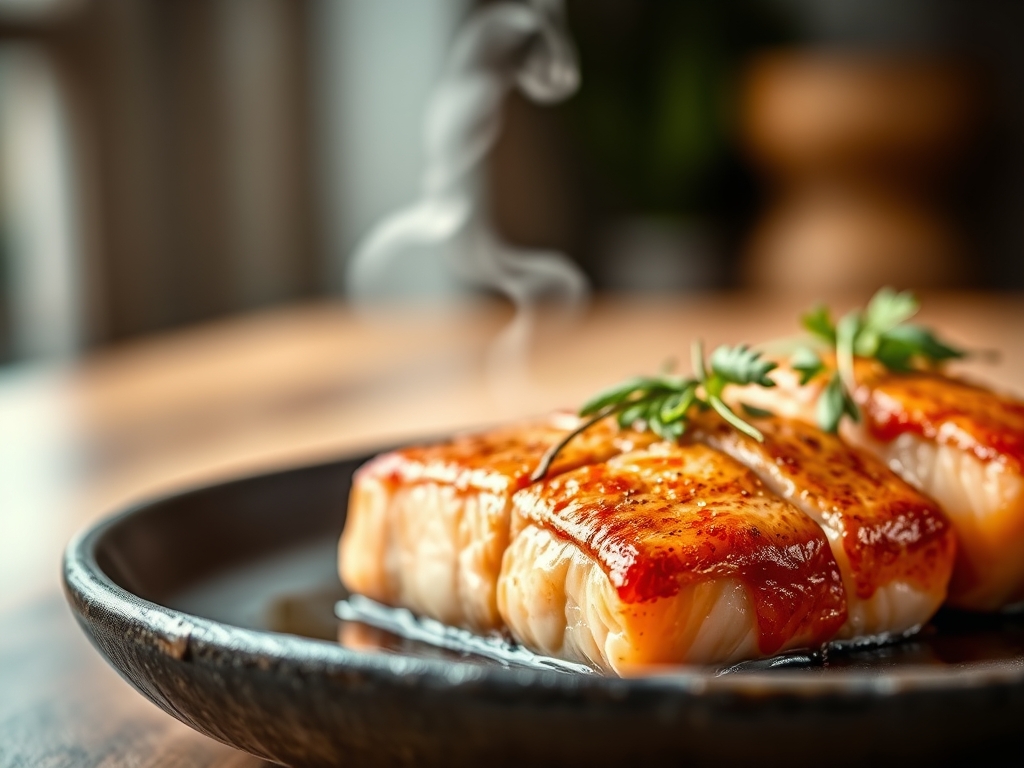
Picture a cold, coastal evening where the scent of garlic butter and searing protein hangs heavy in the air. We are chasing that specific, buttery crust and tender flake that defines the dining experience at America's favorite seafood house. Mastering red lobster salmon recipes at home is not just about the fish; it is about controlling the physics of heat and the chemistry of fat.
The secret to replicating these dishes lies in the Maillard reaction, which is the chemical dance between amino acids and reducing sugars that creates that golden brown exterior. Most home cooks fail because they fear high heat or use crowded pans. Today, we are breaking down the barriers between your kitchen and professional grade results. We will focus on the iconic New Orleans Salmon, the classic Wood-Grilled style, and the indulgent Garlic Shrimp topping that makes these plates legendary. Grab your apron; we are about to turn your kitchen into a high volume seafood station with scientific precision and a bit of flair.
The Gathers:
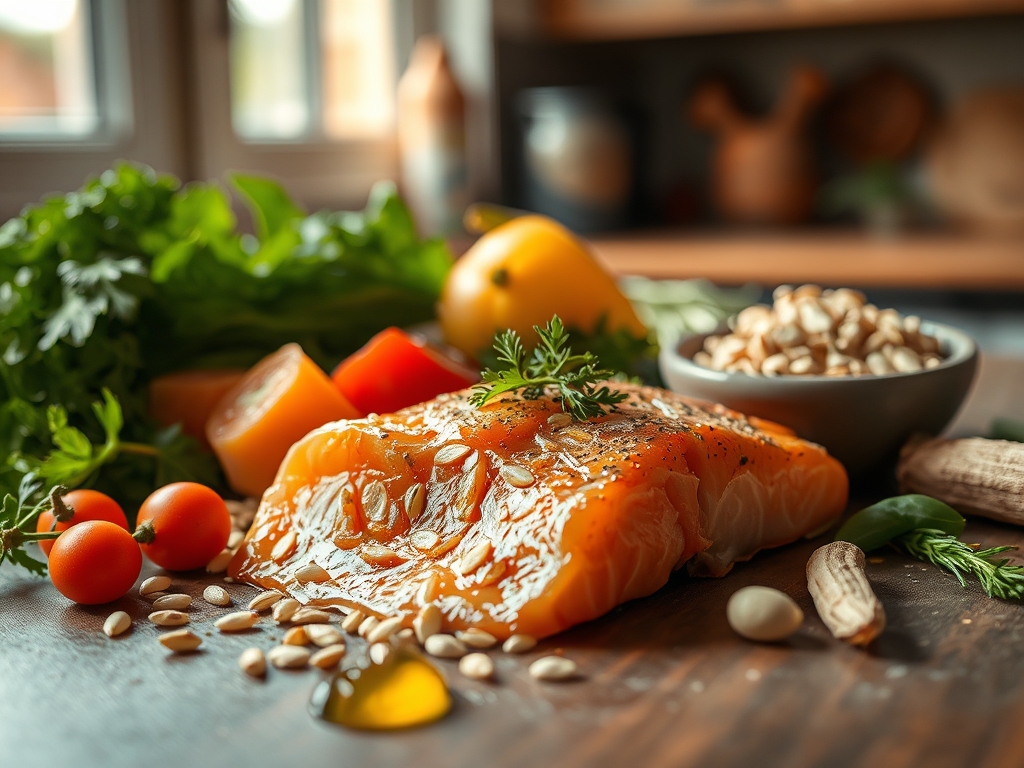
To achieve a restaurant quality result, your mise-en-place must be flawless. Start with Atlantic Salmon fillets, ideally center-cut for uniform thickness. You will need high smoke point fats like clarified butter (ghee) or avocado oil to prevent acrid flavors during the sear. For the seasonings, gather smoked paprika, cayenne, and dried oregano to build a viscous spice rub that clings to the flesh.
Freshness is non-negotiable. Use a microplane to zest fresh lemons, which provides a piquant aromatic lift that bottled juice lacks. For the sauces, ensure your heavy cream is at room temperature to prevent curdling when it hits the acidic components.
Smart Substitutions:
If you are avoiding dairy, swap the heavy cream for full-fat coconut milk and use a high-quality vegan butter. For a lower sodium profile, replace standard soy sauce with liquid aminos. If you cannot find fresh Atlantic salmon, sockeye works beautifully, though its lower fat content requires you to reduce the cooking time by approximately twenty percent to avoid a dry texture.
The Clock
Efficiency in a professional kitchen is dictated by the Chef's Flow. This is the sequence of operations that ensures every component of the meal reaches the plate at the peak of its thermal potential. Total active time for these red lobster salmon recipes is roughly 15 minutes, with a 10 minute preparation window.
Start by tempering your fish; let it sit on the counter for 15 minutes before it touches the pan. This prevents the "thermal shock" that causes the muscle fibers to tighten and squeeze out moisture. While the fish tempers, prepare your sides. If you are serving the classic broccoli or mashed potatoes, they should be nearly finished before the salmon hits the heavy-bottomed skillet. Salmon is a "last-minute" protein; it waits for no one.
The Masterclass
1. The Prep and Pat Down
Use a lint-free paper towel to bone-dry the surface of the fish. Moisture is the enemy of a crisp sear; any water on the surface will turn to steam, resulting in a rubbery texture rather than a crust.
Pro Tip: This is known as preventing evaporative cooling. If the surface is wet, the energy of the pan goes into boiling the water rather than browning the protein.
2. The Seasoning Saturation
Apply your spice blend generously. Use a digital scale if you are batch-prepping to ensure consistency. Press the spices into the flesh so they form a crust that protects the delicate interior.
Pro Tip: Salt acts as a denaturant. It begins to break down the protein structure slightly, allowing the spices to penetrate deeper into the muscle fibers for a more infused flavor profile.
3. The High-Heat Sear
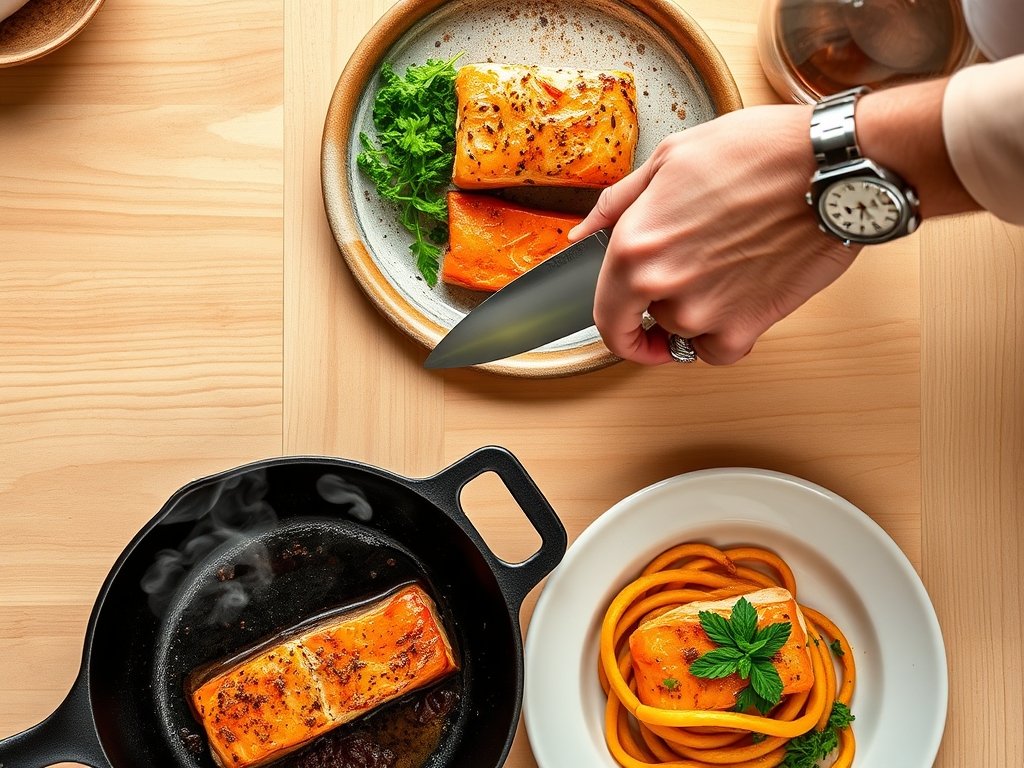
Heat your skillet until the oil shimmers. Lay the salmon skin-side down (or presentation-side down if skinless) away from your body to avoid oil splatter. Use tongs to press the fish down for the first 30 seconds to ensure total surface contact.
Pro Tip: This initial contact triggers the Maillard reaction. Do not move the fish. If it sticks, the bond hasn't finished forming; it will naturally release once the crust is set.
4. The Butter Baste
Once flipped, add a knob of butter, smashed garlic, and thyme to the pan. Use a large spoon to continuously bath the fish in the foaming fat.
Pro Tip: This is convection cooking within a fat medium. The hot butter reaches the crevices the pan surface cannot, ensuring even cooking and adding a luxurious mouthfeel through emulsification.
5. The Deglaze and Sauce
Remove the salmon when it is 5 degrees below your target temperature. Pour off excess fat and deglaze the pan with white wine or seafood stock, using a bench scraper to lift the flavorful brown bits (fond).
Pro Tip: This process captures the concentrated umami left in the pan. Whisking in cold butter at the end (monter au beurre) creates a glossy, stable sauce.
6. The Rest and Carryover
Place the salmon on a warm plate and let it rest for 3 to 5 minutes. This allows the internal juices to redistribute.
Pro Tip: Thermal carryover will increase the internal temperature by about 5 degrees. If you pull the fish at 130F, it will perfectly reach a medium 135F while resting.
The Deep Dive
Macro Nutrition: A standard 6-ounce portion of prepared salmon provides roughly 340 calories, 36g of protein, and 18g of healthy fats. It is a powerhouse of Omega-3 fatty acids and Vitamin D.
Dietary Swaps:
- Keto: Replace any flour-based thickeners in the sauces with a pinch of xanthan gum or simply reduce the cream further.
- Vegan: Use a "Salmon-style" fillet made from marinated tofu or konjac root, focusing heavily on the liquid smoke and seaweed seasoning to mimic the oceanic profile.
The Fix-It:
- White Gunk (Albumin): If white beads appear on the surface, your heat was too high too fast. Fix: Lower the temperature and cook slower next time. For now, gently brush it off with a pastry brush.
- Soggy Skin: The pan wasn't hot enough or you didn't dry the skin. Fix: Finish the fish under a high broiler for 60 seconds to crisp it up.
- Overcooked Interior: The fish feels firm like a well-done steak. Fix: Immediately submerge the bottom of the pan in cold water to stop the cooking and serve with extra sauce to add moisture.
Meal Prep: To reheat salmon without the "fishy" smell or rubbery texture, avoid the microwave. Use a toaster oven at 275F with a splash of water covered in foil. This creates a mini-steam chamber that restores the day-one flake.
The Wrap-Up
You now hold the technical keys to the seafood kingdom. By understanding the relationship between surface moisture, heat transfer, and resting times, these red lobster salmon recipes will become your new weeknight flex. Whether you are hosting a dinner party or just treating yourself to a Tuesday night upgrade, remember that great cooking is half chemistry and half confidence. Get that pan screaming hot, trust the sear, and don't forget the lemon zest. Your kitchen is now the best seafood spot in town.
The Kitchen Table
How do I get the salmon skin extra crispy?
Ensure the skin is bone-dry and the pan is shimmering hot. Press the fillet down with a weighted press or spatula for the first minute to prevent the skin from curling away from the heat source.
What is the best temperature for salmon?
For a restaurant-style flake, aim for an internal temperature of 135F. This is considered medium. The flesh will be opaque but still moist. Use a digital thermometer for the most accurate results.
Can I make these recipes with frozen salmon?
Yes, but you must thaw it completely in the refrigerator overnight. Pat it extremely dry, as frozen fish tends to release more moisture than fresh. Increase the initial searing heat slightly to compensate.
Why does my salmon taste "fishy"?
This usually indicates the fats have begun to oxidize. Buy the freshest fish possible and use an acidic component like lemon juice or vinegar to neutralize the trimethylamine, the compound responsible for that scent.