
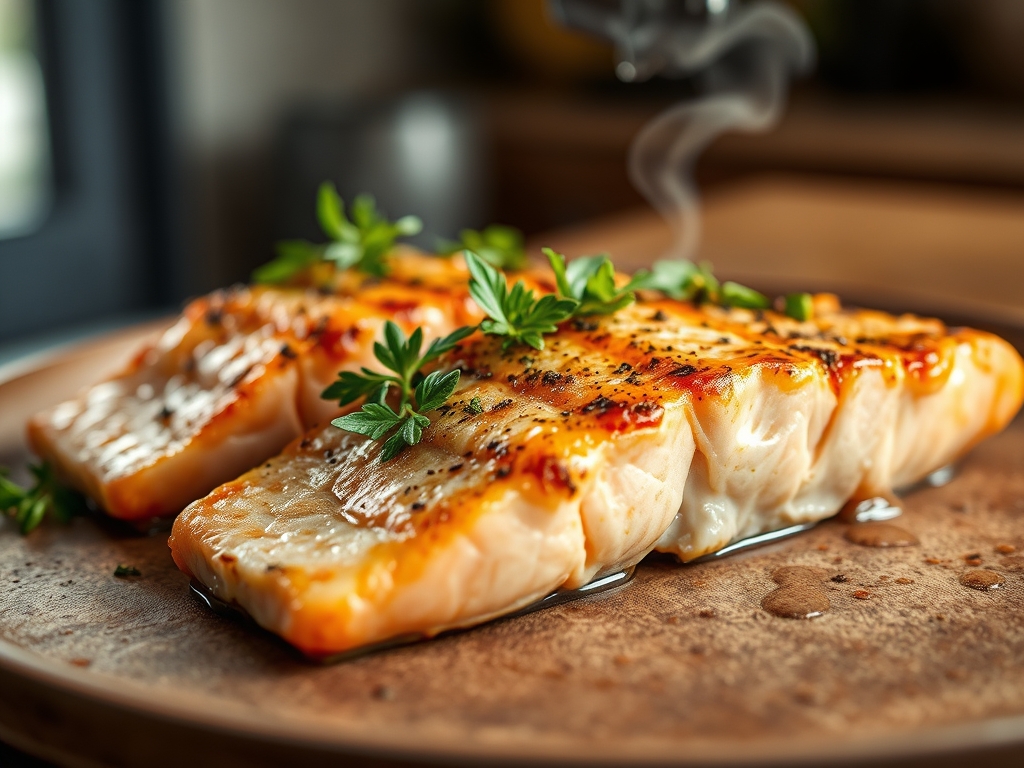
Imagine the scent of cold-smoked alder wood drifting through your kitchen as you crack open a fillet of perfectly cured fish. It is salty, oily, and deeply umami. Mastering kippered salmon recipes is about more than just a quick breakfast; it is about harnessing the power of hot-smoked preservation to elevate your culinary repertoire from basic to brilliant.
The term kippered refers to a specific process where the fish is butterflied, salted, and smoked with heat. This differs from lox or cold-smoked salmon because the proteins have actually denatured and tightened, resulting in a flake that is firm yet buttery. It is the ultimate "cheat code" for savory meals because the deep, smoky base notes are already built into the protein. Whether you are folding it into a silky carbonara or whipping it into a piquant mousse, this fish brings a complex profile that mimics the depth of pancetta or aged cheese. Let us dive into the molecular magic of turning this traditional staple into a modern masterpiece.
The Gathers:
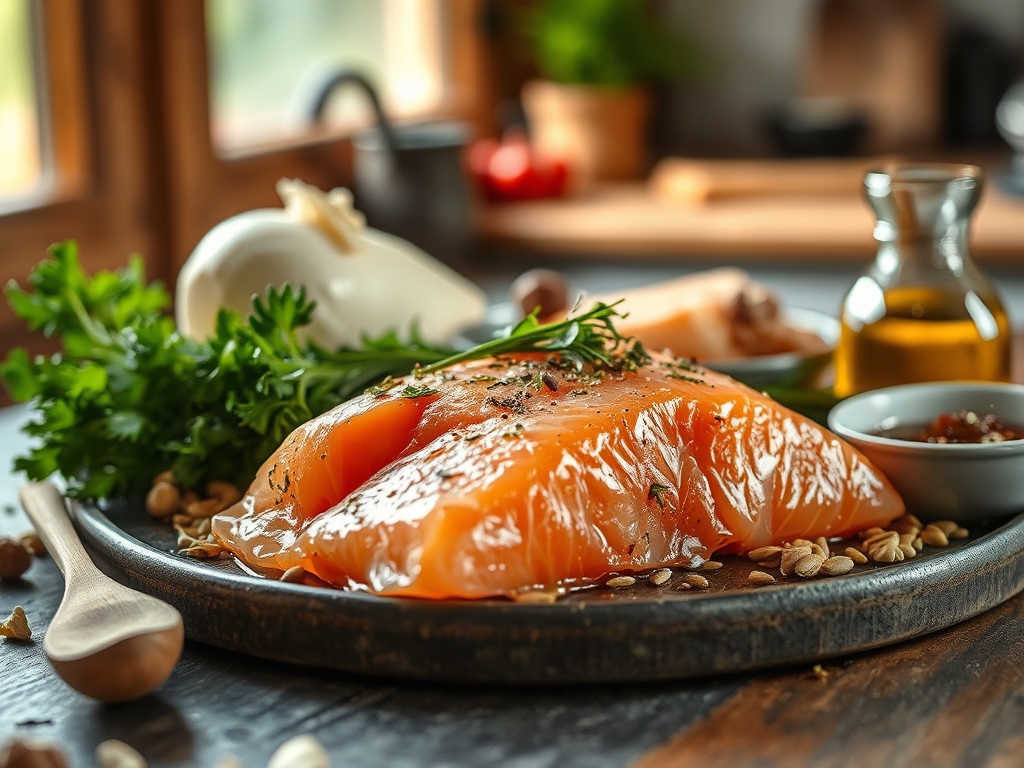
Before you even touch a knife, your mise-en-place must be precise. To execute high-end kippered salmon recipes, you need ingredients that balance the heavy lipids of the fish. Gather your heavy-bottomed skillet and a digital scale for accuracy. You will need high-quality kippered salmon fillets, heavy cream with at least 36 percent milkfat for a viscous mouthfeel, and fresh aromatics like shallots and dill.
The science of flavor pairing here relies on acidity to cut through the rendered fats. Have fresh lemons ready for zest and juice. If you are looking for Smart Substitutions, consider using Greek yogurt instead of sour cream for a higher protein-to-fat ratio and a sharper lactic tang. If kippered salmon is unavailable, smoked trout is a functional equivalent because it shares a similar moisture content and smoke-point profile. For a vegan alternative, "carrot lox" marinated in liquid smoke and caper brine can mimic the salinity, though it lacks the essential omega-3 fatty acids and collagen structure of the real thing.
The Clock: Timing Your Culinary Flow
The "Chef's Flow" is the art of overlapping tasks to ensure nothing overcooks. Total active prep time for these hacks is roughly 15 minutes, with cook times ranging from zero (for cold applications) to 12 minutes (for pan-seared finishes).
Start by tempering your salmon at room temperature for 10 minutes. Cold fats do not emulsify well into sauces. While the fish tempers, use a microplane to zest your citrus and a bench scraper to organize your chopped herbs. By the time your saucier is hot, your ingredients are ready to hit the pan in a sequence that prevents the delicate fish proteins from becoming rubbery.
The Masterclass: 8 Hacks for Kippered Salmon Recipes
1. The Crispy Skin Render
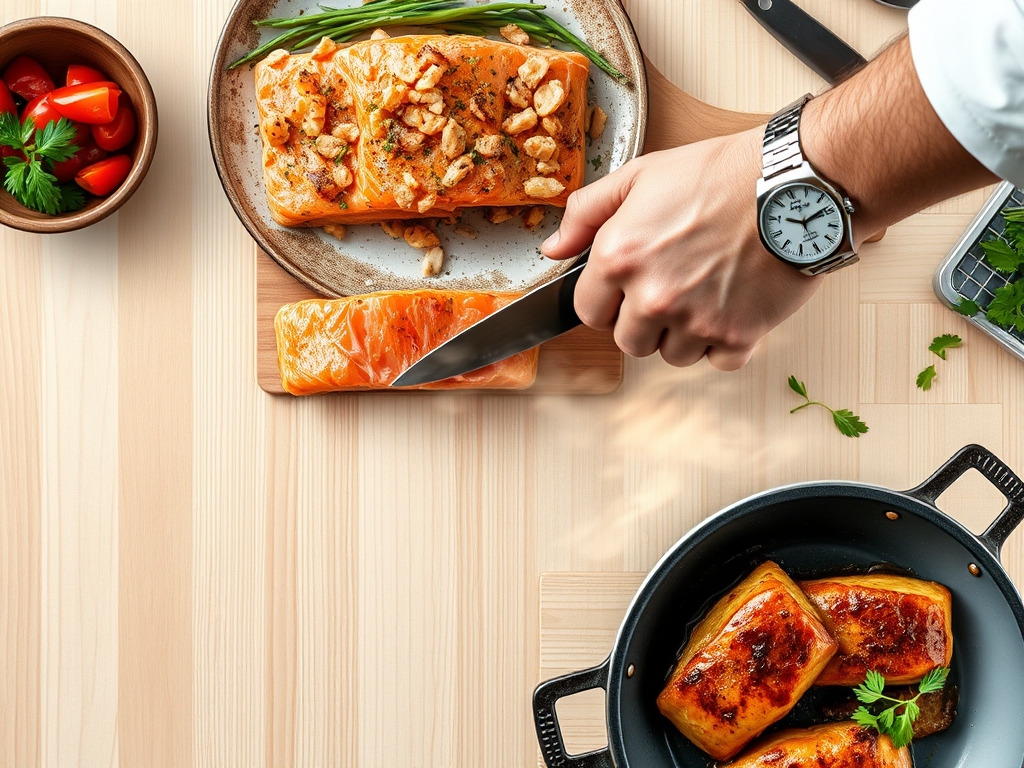
Place the salmon skin-side down in a cold heavy-bottomed skillet before turning on the heat. This allows the subcutaneous fat to render slowly, resulting in a glass-like crunch rather than a soggy texture.
Pro Tip: This uses the principle of thermal conduction. Starting cold prevents the protein fibers from shrinking too quickly, which keeps the fillet flat and ensures even browning.
2. The Piquant Cream Emulsion
Deglaze your pan with a splash of dry white wine, then whisk in heavy cream. Fold in flaked salmon at the very last second to prevent the fish from breaking down into mush.
Pro Tip: The wine provides tartaric acid, which acts as a stabilizer for the cream proteins, preventing the sauce from "breaking" or separating under high heat.
3. The Aerated Mousse
Use a food processor to pulse kippered salmon with cream cheese and lemon juice until it becomes light and airy.
Pro Tip: This process incorporates air bubbles into the fat matrix. This aeration changes the perceived density on the palate, making the heavy fats feel "lighter" and more sophisticated.
4. The Umami Grain Bowl
Toss warm quinoa or farro with flaked salmon and a soft-boiled egg. The residual heat from the grains will gently soften the fish fats without further cooking the protein.
Pro Tip: This relies on residual heat transfer. Keeping the salmon below 140 degrees Fahrenheit ensures the delicate albumin does not leach out, preserving the "clean" look of your dish.
5. The Zesty Infusion
Macerate thinly sliced red onions in lemon juice and salt for ten minutes before topping your salmon.
Pro Tip: This is a quick-pickling enzymatic reaction. The acid denatures the harsh sulfur compounds in the onion, turning them sweet and bright to complement the smoky fish.
6. The Herb-Crusted Finish
Press a mixture of panko and fresh dill onto the flesh side of the salmon and flash-broil for 60 seconds.
Pro Tip: This creates a Maillard reaction on the breadcrumbs. This chemical reaction between amino acids and reducing sugars provides the savory "toasted" flavor that balances the saltiness of the cure.
7. The Benedict Upgrade
Replace traditional Canadian bacon with thick slabs of kippered salmon. Use a saucier to create a lemon-heavy Hollandaise.
Pro Tip: The lecithin in the egg yolks acts as an emulsifier that binds the butter to the salmon juices, creating a seamless flavor bridge between the topping and the base.
8. The Smoky Chowder Base
Sweat leeks and potatoes, then add flaked salmon during the final five minutes of simmering.
Pro Tip: This allows the smoke phenols to infuse the broth. Because smoke compounds are fat-soluble, they will migrate from the fish into the cream-based broth, flavoring the entire pot.
The Deep Dive: Nutrition and Troubleshooting
Nutritiously, kippered salmon is a powerhouse. It is exceptionally high in Vitamin D and Omega-3 fatty acids (EPA and DHA), which are essential for brain health. A standard 3-ounce serving provides roughly 20 grams of protein.
Dietary Swaps: For a Keto-friendly version, serve your salmon over zoodles or avocado halves. For a Gluten-Free meal, ensure your smoke source and brine are certified GF, as some commercial liquid smokes contain barley malt.
The Fix-It:
- Too Salty? Do not add more salt to the dish. Instead, add an acid (lemon) or a fat (avocado) to mask the sodium perception.
- Fish is Dry? You likely overcooked it. Fold in a tablespoon of high-quality olive oil or crème fraîche to re-introduce moisture to the muscle fibers.
- Smell is Overpowering? Use stainless steel tools. Stainless steel binds to sulfur molecules, neutralizing the "fishy" scent on your hands and equipment.
Meal Prep: When reheating, use a "low and slow" approach. Place the salmon in a covered dish with a teaspoon of water at 275 degrees Fahrenheit. This creates a steam chamber that prevents the fats from oxidizing and turning rancid.
The Wrap-Up
You are now officially a master of kippered salmon recipes! By understanding the chemistry of fat rendering and the importance of acidic balance, you can turn a simple smoked fillet into a five-star dining experience. Remember to respect the ingredient; it has already been through a rigorous curing process, so your job is simply to highlight its natural, smoky glory. Grab your tongs, fire up that skillet, and get cooking!
The Kitchen Table: FAQs
What is the difference between lox and kippered salmon?
Lox is salt-cured and never cooked, resulting in a translucent, silky texture. Kippered salmon is hot-smoked, meaning it is fully cooked through with a flaky, opaque appearance and a much deeper smoky flavor profile.
Can you eat kippered salmon straight from the package?
Yes, kippered salmon is fully cooked during the hot-smoking process. You can enjoy it cold in salads, at room temperature on a charcuterie board, or gently warmed in your favorite pasta dishes and grain bowls.
How long does kippered salmon last in the fridge?
Once opened, kippered salmon should be consumed within three to five days. To maintain optimal freshness, wrap it tightly in parchment paper and then plastic wrap to prevent the fats from absorbing other odors in the refrigerator.
How do you remove the skin easily?
If the skin is not crispy, use a sharp bench scraper or a thin spatula to slide between the flesh and the skin. If you sear it skin-side down first, the skin will often release naturally as the fats render.