
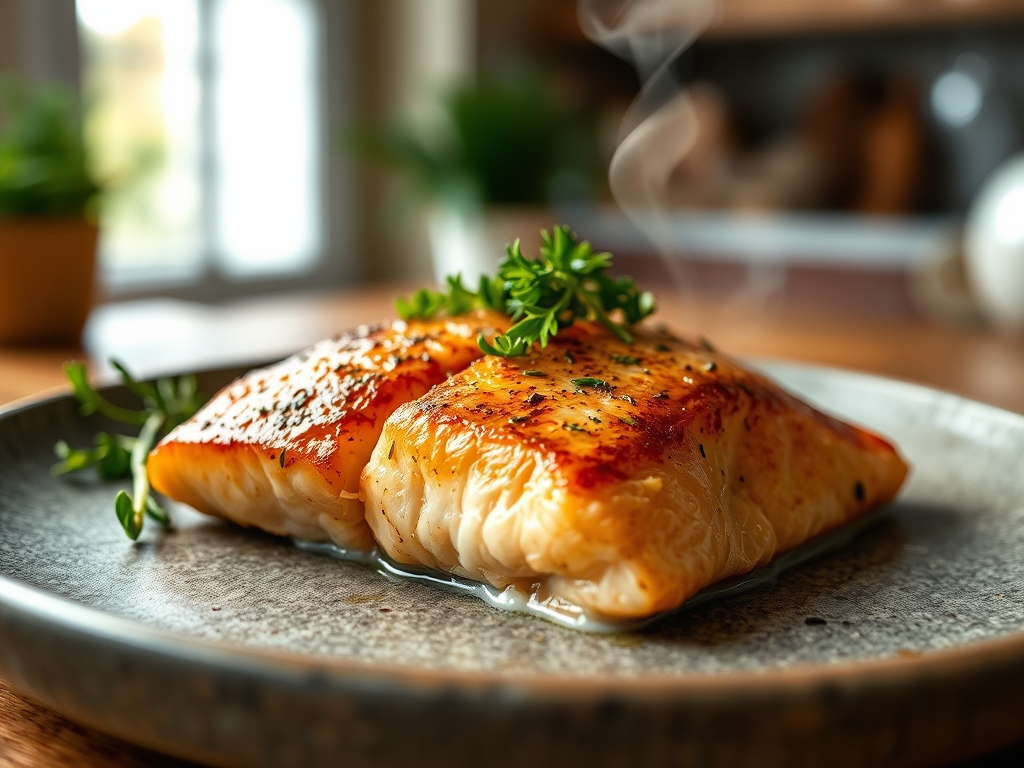
Imagine the scent of caramelized honey and toasted garlic wafting through your kitchen as a perfectly flaky fillet slides onto your plate. Achieving restaurant quality results usually requires a heavy bottomed skillet and a prayer to the gods of nonstick surfaces. However, mastering air fryer salmon recipes easy style transforms your weeknight routine into a high performance culinary lab without the grease splatters.
We are talking about a transformation that happens in under twelve minutes. The air fryer functions as a miniature convection oven; it circulates superheated air at high velocities to mimic the effects of deep frying through rapid moisture evaporation. This process creates a delicate, golden crust while the interior remains buttery and translucent. It is the ultimate hack for the modern cook who demands precision and flavor without the labor intensive cleanup. Let us break down the chemistry of the perfect sear and why your air fryer is about to become your most trusted sous chef.
The Gathers:
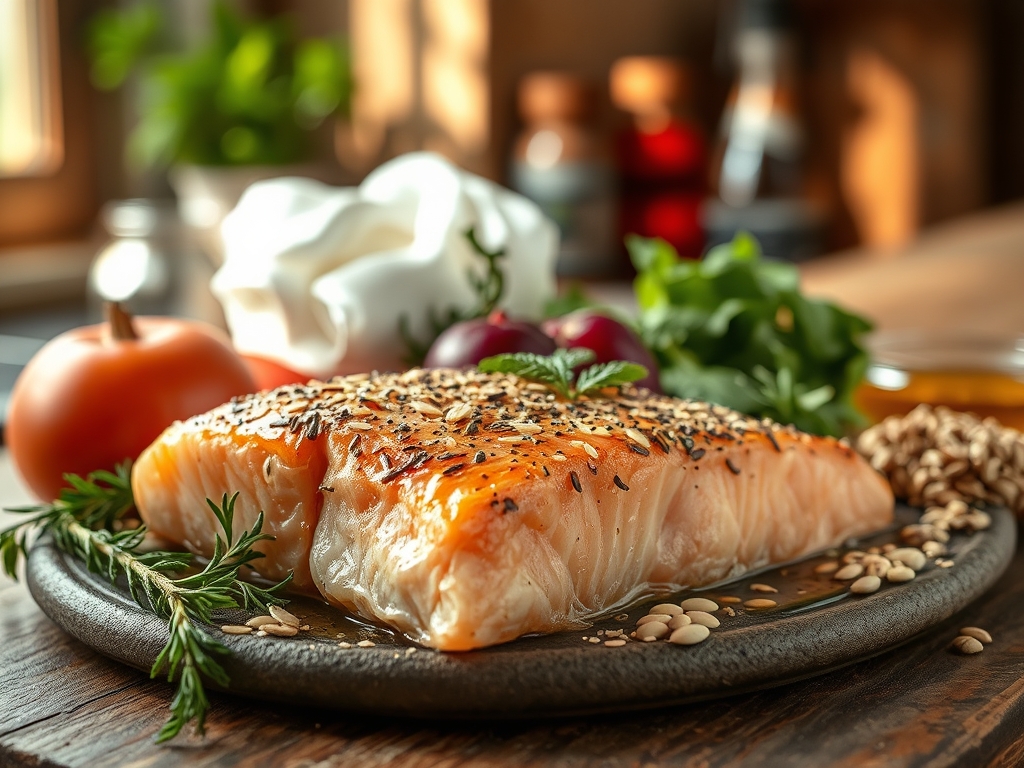
Before we engage the heating element, we must assemble our mise en place with scientific intent. Start with high quality Atlantic or King salmon fillets. Look for deep pigmentation and firm muscular structure; this indicates a high lipid content which is essential for a moist finish. You will need a high smoke point oil like avocado or grapeseed oil to facilitate heat transfer without scorching.
For the flavor profile, gather your microplane to zest fresh lemons and grate aromatic garlic into a fine paste. This increases the surface area of the aromatics, allowing them to infuse the oil more effectively. You will also need kosher salt for its jagged crystal structure that adheres better to the flesh, and freshly cracked black pepper for a piquant bite.
Smart Substitutions:
If you are avoiding honey, use maple syrup or a dash of monk fruit sweetener to achieve the necessary sugar concentration for the Maillard reaction. If you lack fresh herbs, a high quality dried dill or oregano can be rehydrated in your oil base for five minutes before application to prevent the herbs from burning in the high velocity air stream.
The Clock
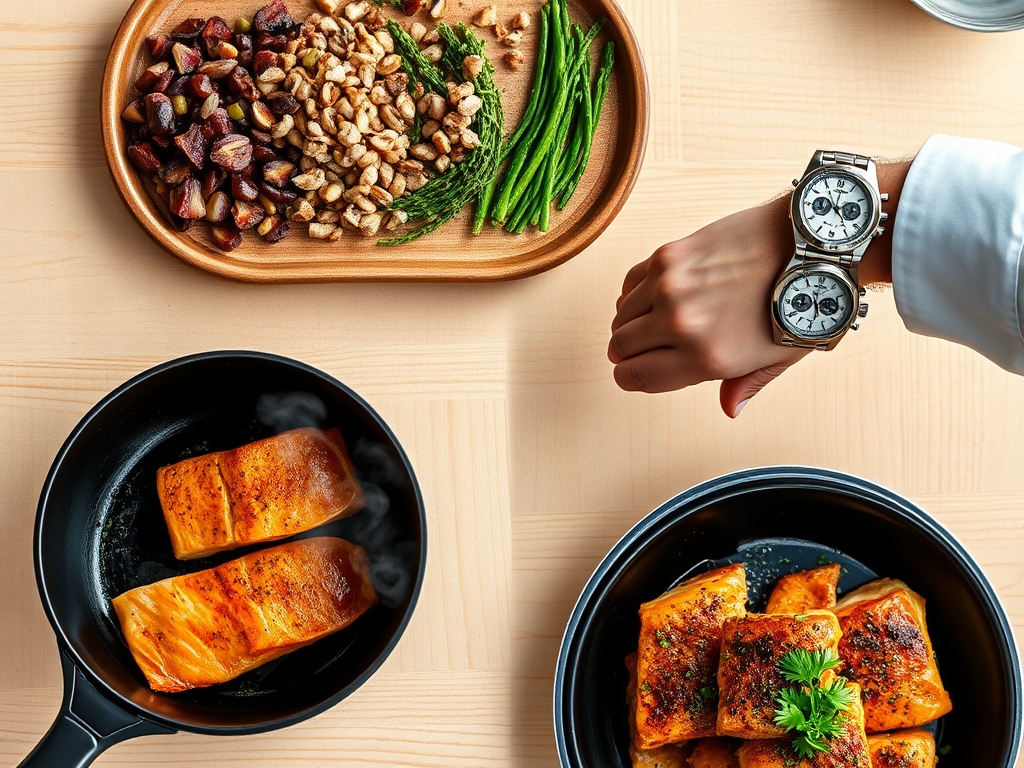
Efficiency in the kitchen is all about the Chef's Flow. Your total active preparation time should not exceed five minutes. This involves patting the fish dry, seasoning, and preheating the unit. The actual cook time ranges from seven to ten minutes depending on the thickness of the fillet.
A one inch thick fillet typically hits the sweet spot at eight minutes at 400 degrees Fahrenheit. Remember that timing is a variable, not a constant. Use a digital thermometer to ensure an internal temperature of 125 to 130 degrees Fahrenheit for a medium rare finish. Factoring in three minutes of resting time is non negotiable; this allows the muscle fibers to relax and reabsorb the rendered fats.
The Masterclass
1. The Desiccation Phase
Use a paper towel to aggressively pat the salmon skin and flesh dry. Removing surface moisture is the most critical step for a crisp exterior.
Pro Tip: This prevents the formation of steam. Water absorbs a massive amount of energy to evaporate; by removing it manually, the thermal energy goes directly into enzymatic browning rather than boiling the surface of the fish.
2. The Lipid Barrier
Coat the fillets in a thin, even layer of oil using a silicone brush or your hands. Ensure every crevice is covered.
Pro Tip: Oil acts as a thermal bridge. It fills the microscopic gaps between the air and the fish, ensuring a more uniform heat distribution and preventing the delicate proteins from sticking to the basket.
3. The Seasoning Saturation
Apply your salt, pepper, and aromatics from a height of six inches to ensure even coverage across the entire surface.
Pro Tip: Salt acts as a denaturant. It begins to break down the tightly wound protein strands on the surface, which eventually leads to a more tender mouthfeel once the heat is applied.
4. The Preheating Protocol
Always preheat your air fryer for at least three minutes. Placing cold fish into a cold chamber leads to uneven cooking and a soggy bottom.
Pro Tip: This utilizes thermal momentum. Starting with a hot basket creates an immediate sear on the bottom skin, helping it to render its fat quickly for a cracker like texture.
5. The Airflow Arrangement
Place the fillets in the basket with at least one inch of space between them. Do not crowd the chamber.
Pro Tip: Air fryers rely on convection. If the fillets touch, the air cannot aerate the sides of the fish, leading to "steamed" patches that lack the desired golden hue.
6. The Glaze Application
If using a sugary glaze like honey or teriyaki, apply it only during the last two minutes of cooking.
Pro Tip: Sugars have a lower burning point than proteins. Applying them too early results in carbonization (burning) before the fish is cooked through. This late stage application allows for a viscous lacquer finish.
7. The Extraction
Use silicone tipped tongs to gently lift the fillets from the basket. Avoid metal tools that might tear the fragile skin.
Pro Tip: Use a bench scraper if the fish feels stuck. Sliding a flat edge underneath the skin preserves the structural integrity of the fillet.
8. The Carryover Rest
Transfer the salmon to a warm plate and tent loosely with foil for three minutes.
Pro Tip: This accounts for thermal carryover. The internal temperature will rise by about 5 degrees after removal. Resting prevents the juices from rushing out the moment you take your first bite.
The Deep Dive
From a nutritional standpoint, salmon is a powerhouse of Omega 3 fatty acids and high quality protein. A standard 6 ounce serving provides roughly 34 grams of protein and 18 grams of healthy fats. For those on a Keto path, this is a staple meal. Vegan friends can swap the salmon for extra firm tofu pressed with a saucier weight, though the cook time will increase to fifteen minutes to achieve a similar crunch.
The Fix-It: Common Pitfalls
- The White Gunk: If you see white substance (albumin) oozing out, you have overcooked the fish. The muscle fibers have contracted so tightly they are squeezing out the protein. Fix: Reduce cook time by 90 seconds.
- Soggy Skin: This happens when the basket isn't hot enough or the fish was too wet. Fix: Preheat longer and use a light dusting of cornstarch on the skin side.
- Uneven Doneness: Tail pieces cook faster than center cuts. Fix: Fold the thin tail underneath itself to create a uniform thickness.
Meal Prep & Reheating
To maintain "day one" quality, never microwave leftover salmon. This turns the fats rancid and the texture rubbery. Instead, use your air fryer at 320 degrees for 3 to 4 minutes. This gently warms the center while re crisping the exterior.
The Wrap-Up
You are now equipped with the molecular knowledge to turn a basic fillet into a masterpiece. By controlling moisture, leveraging the Maillard reaction, and respecting the resting phase, you have mastered the art of air fryer salmon recipes easy style. This is not just cooking; it is efficient, delicious engineering. Now, go grab your tongs and get to work. Your best dinner yet is only eight minutes away.
The Kitchen Table
How do I prevent salmon from sticking to the air fryer?
Preheat the basket for three minutes and generously oil the salmon skin. You can also use a small piece of perforated parchment paper or a silicone mat specifically designed for air fryers to ensure a clean release every time.
Can I cook frozen salmon in the air fryer?
Yes, you can. Increase the cook time to 12 to 15 minutes at 390 degrees. Rinse any ice crystals off first and pat dry mid way through the cycle to apply seasonings once the surface has thawed slightly.
Is it better to leave the skin on?
Absolutely. The skin acts as a protective thermal barrier for the delicate flesh. It also contains the highest concentration of healthy fats, which render during the cooking process to provide natural moisture and a delicious, savory crunch.
What is the best temperature for air frying salmon?
A temperature of 400 degrees Fahrenheit is ideal for most fillets. This high heat ensures a rapid sear on the outside while the internal temperature reaches the perfect medium rare state before the fish has a chance to dry out.