
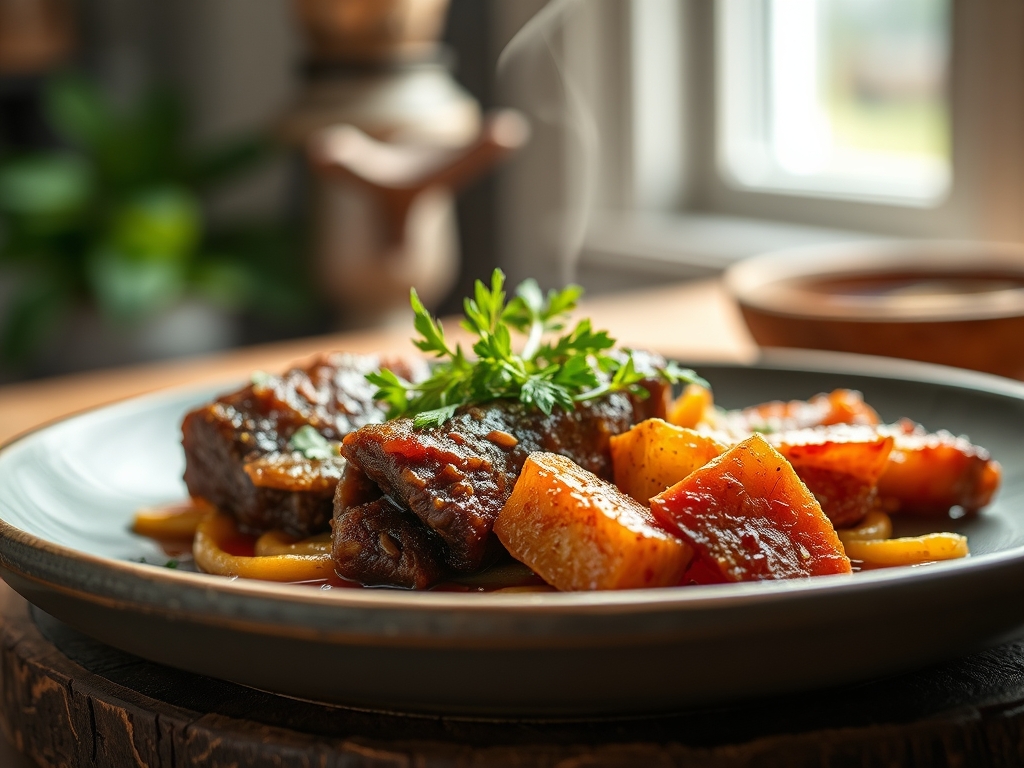
Imagine the sound of a heavy-bottomed cast iron skillet hitting a high-flame burner; that sharp, metallic ring is the opening bell for a culinary masterpiece. We are diving into the world of gluten free beef recipes where flavor is never sacrificed for dietary safety. Picture a prime cut of ribeye hitting the hot oil, sending up a plume of aromatic steam that carries notes of rosemary and garlic. This is not just cooking; it is a chemical transformation where proteins and sugars dance to create a crust so savory it defies logic. Whether you are a seasoned celiac or just exploring a wheat-free lifestyle, these dishes promise a sensory overload of rich umami and tender textures. We are going to master nine distinct preparations, from silky stir-fries to slow-braised short ribs, ensuring your kitchen becomes a sanctuary of high-end gastronomy. Forget the dry, bland substitutes of the past. We are utilizing modern techniques and smart ingredient sourcing to elevate beef to its highest potential. Grab your apron and your favorite tongs; we are about to turn your kitchen into a professional-grade steakhouse.
The Gathers:
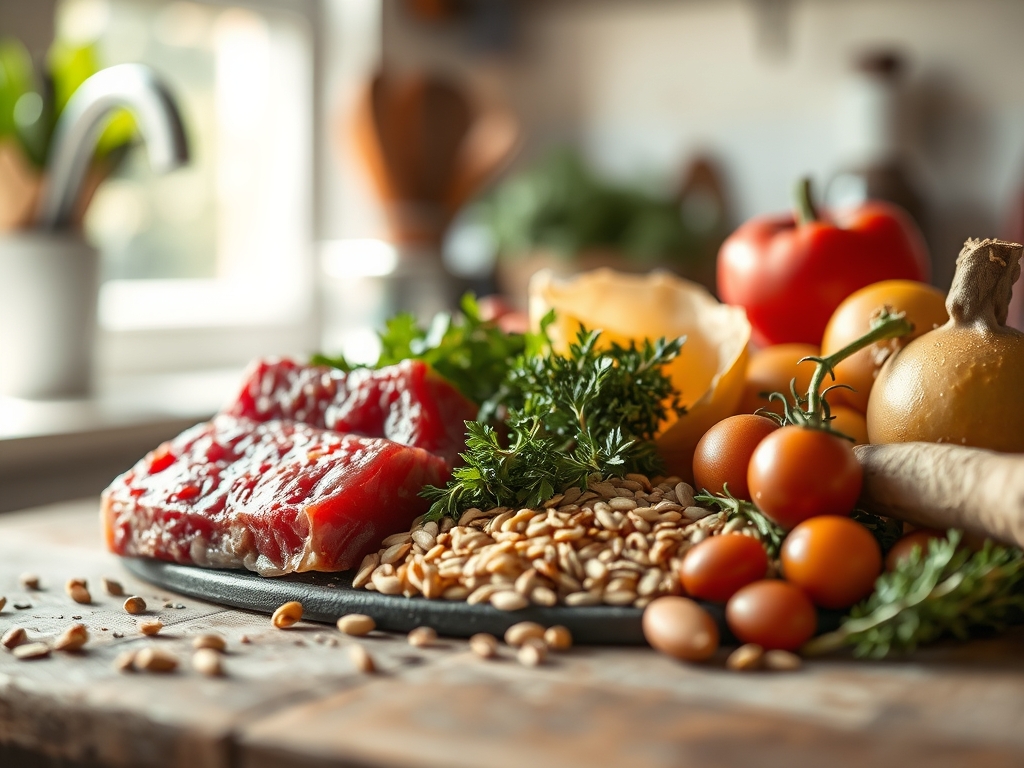
To execute these gluten free beef recipes with precision, your mise-en-place must be impeccable. Start with the protein: look for highly marbled cuts where the intramuscular fat will render into a luscious sauce. You will need a digital scale to measure your dry ingredients, as gluten-free flours vary wildly in density compared to wheat. Our "Smart Substitutions" are the secret weapons here. Instead of traditional soy sauce, we utilize liquid aminos or tamari to provide that essential piquant saltiness without the hidden wheat. For thickening agents, skip the roux and reach for arrowroot powder or tapioca starch. These starches provide a more translucent, glossy finish to your sauces, making them look as vibrant as they taste.
You will also need a microplane for zesting aromatics like ginger and garlic, ensuring they infuse the oil without burning. A high-quality bench scraper is essential for organizing your chopped aromatics, while a saucier pan will help you manage delicate reductions. Remember that gluten-free cooking relies on high-quality fats to carry flavor; keep grass-fed butter or avocado oil within arm's reach. The goal is to create a viscous mouthfeel that mimics the body provided by gluten, achieved here through gelatin-rich bone broths and careful emulsification.
The Clock
Efficiency in the kitchen is about mastering the "Chef's Flow." For these nine dishes, prep time generally clocks in at thirty minutes, while cook times range from a brisk ten-minute sear to a four-hour slow braise. The key is overlapping tasks. While your beef is tempering on the counter to reach room temperature, use that window to prepare your vegetable garnishes and whisk together your sauces. This prevents the frantic "chopping while the pan smokes" scenario. Always account for a ten-minute rest period for any seared meat; this allows the muscle fibers to relax and reabsorb the juices, ensuring every bite is succulent rather than dry.
The Masterclass
1. The High-Heat Sear
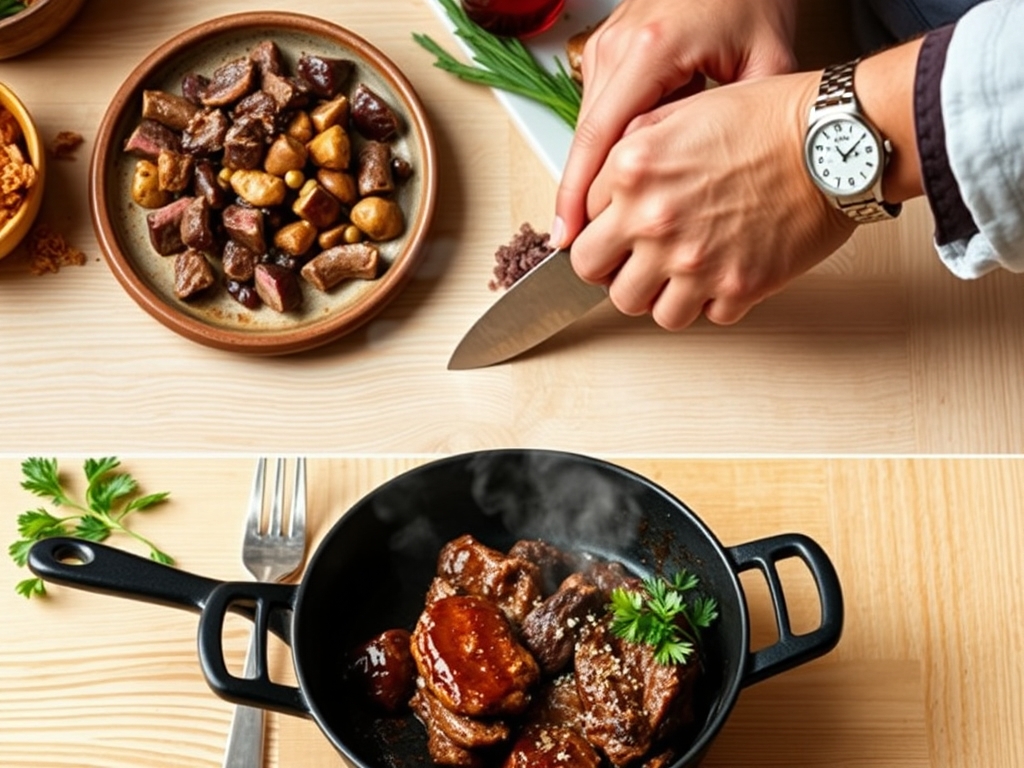
Start by patting your beef bone-dry with paper towels. Any surface moisture will create steam, preventing the Maillard reaction from occurring. Place the meat in a shimmering layer of high-smoke-point oil.
Pro Tip: This chemical reaction occurs between 280 and 330 degrees Fahrenheit. If your pan is too cool, the meat will grey and boil in its own juices rather than developing a crust.
2. Deglazing the Fond
Once the beef is removed, you will see brown bits stuck to the bottom of the skillet. Pour in a splash of red wine or beef stock and use a wooden spoon to scrape them up.
Pro Tip: These bits are called "fond." Deglazing releases these concentrated flavor compounds into your sauce, creating a complex, layered profile that defines professional gluten free beef recipes.
3. Emulsifying the Sauce
Lower the heat and whisk in a cold pat of butter or a teaspoon of dijon mustard. This creates a stable emulsion, binding the fats and liquids into a smooth, velvety coating.
Pro Tip: Emulsification is the process of forcing two immiscible liquids to combine. Cold butter works best because it melts slowly, allowing the milk solids to coat the fat droplets before they can separate.
4. Resting and Slicing
Transfer your beef to a cutting board and wait. After the allotted time, slice against the grain to break up the long muscle fibers.
Pro Tip: This is known as managing thermal carryover. The internal temperature of the meat will continue to rise by five to ten degrees after it leaves the heat; pulling it early prevents overcooking.
The Deep Dive
When we look at the macro nutrition of these gluten free beef recipes, we are looking at a powerhouse of bioavailable iron, B12, and high-quality protein. On average, a six-ounce serving provides approximately 45 grams of protein and zero carbohydrates, making this an ideal foundation for Keto or Paleo lifestyles. For a vegan swap, thick-cut cauliflower steaks or king oyster mushrooms can be treated with the same searing techniques, though you will need to add a splash of balsamic vinegar to mimic the depth of beef.
The "Fix-It" section is your safety net. If your sauce is too thin, do not keep boiling it; instead, whisk a teaspoon of cornstarch into cold water to create a "slurry" and stir it in. If your beef is tough, it likely did not reach the high internal temperature required to break down collagen; next time, opt for a longer, slower braise. If the dish is too salty, a squeeze of lemon juice or a pinch of sugar can balance the palate through acid-base neutralization. For meal prep, reheat your beef in a covered dish with a tablespoon of water at low power. This creates a mini-steam chamber, preventing the proteins from becoming rubbery and maintaining that "day-one" quality.
The Wrap-Up
We have journeyed through the science of the sear and the art of the reduction, proving that gluten free beef recipes are the gold standard of home cooking. By understanding the molecular mechanics of the Maillard reaction and the importance of the "fond," you have transitioned from a recipe-follower to a culinary architect. Your kitchen is now a place where dietary restrictions are simply boundaries that foster greater creativity. Go forth, use your heavy-bottomed skillet with confidence, and serve up a meal that is as smart as it is delicious.
The Kitchen Table
Can I use regular soy sauce in these recipes?
No, traditional soy sauce contains wheat. Always use certified gluten-free tamari or coconut aminos to ensure the dish remains safe for celiacs while maintaining that essential savory umami profile.
What is the best cut for a quick stir-fry?
Flank steak or skirt steak are ideal. Their loose grain structure absorbs marinades quickly and they cook in under five minutes over high heat, staying tender if sliced thin against the grain.
How do I get a thick sauce without flour?
Use a starch slurry made of cornstarch or arrowroot mixed with cold water. Alternatively, whisking in cold butter at the end of cooking creates a rich, glossy emulsion that coats the back of a spoon perfectly.
Why did my beef turn out tough?
Toughness usually results from skipping the resting phase or slicing with the grain. Resting allows fibers to reabsorb moisture, while slicing against the grain mechanically shortens the fibers, making the meat easier to chew.