
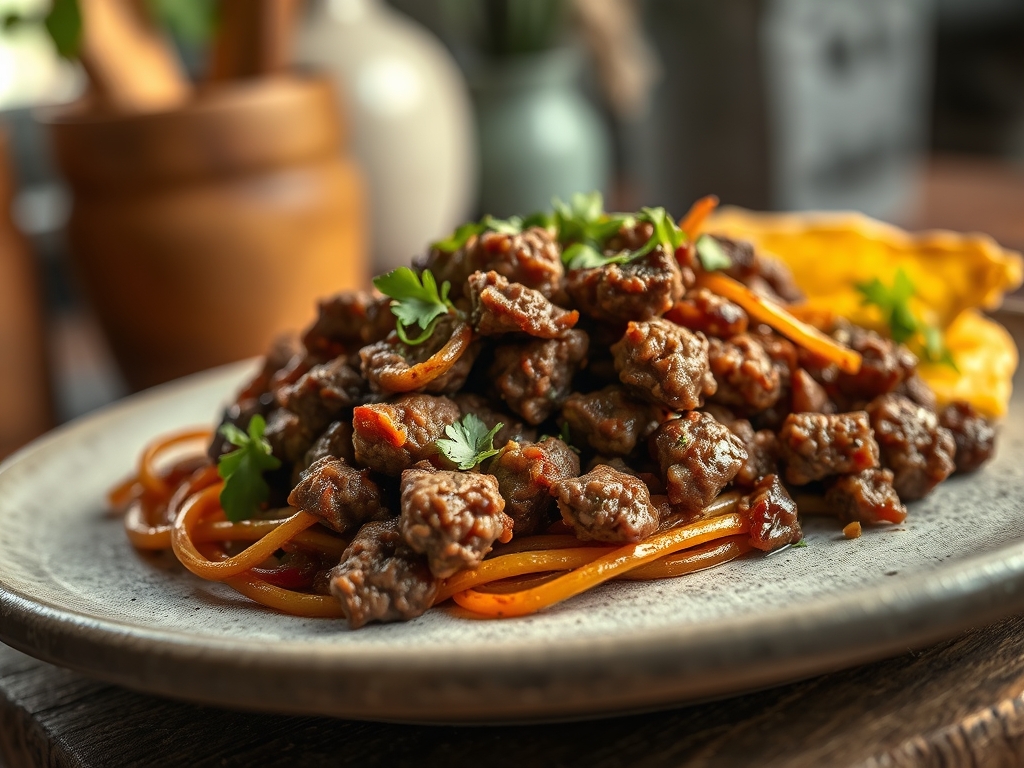
Picture the heavy cast iron skillet resting on the range; its black surface shimmering with a thin veil of oil as the blue flame licks the underside. You drop a pound of meat into the center and the kitchen erupts into that aggressive, rhythmic sizzle that signals the start of something legendary. This is the heart of the region. From the deep, savory depths of a slow simmered gravy to the crispy, charred edges of a skillet patty, southern ground beef recipes are the soulful backbone of the American pantry. We are not just making dinner; we are engineering comfort through high heat and heritage. Whether you are craving a nostalgic porcupine meatball or a piquant sloppy joe, the secret lies in the transformation of humble protein into a masterpiece of texture and taste. Grab your apron and your favorite wooden spoon. We are about to dive into the molecular magic that makes these nine classics the undisputed royalty of the weeknight table.
The Gathers:
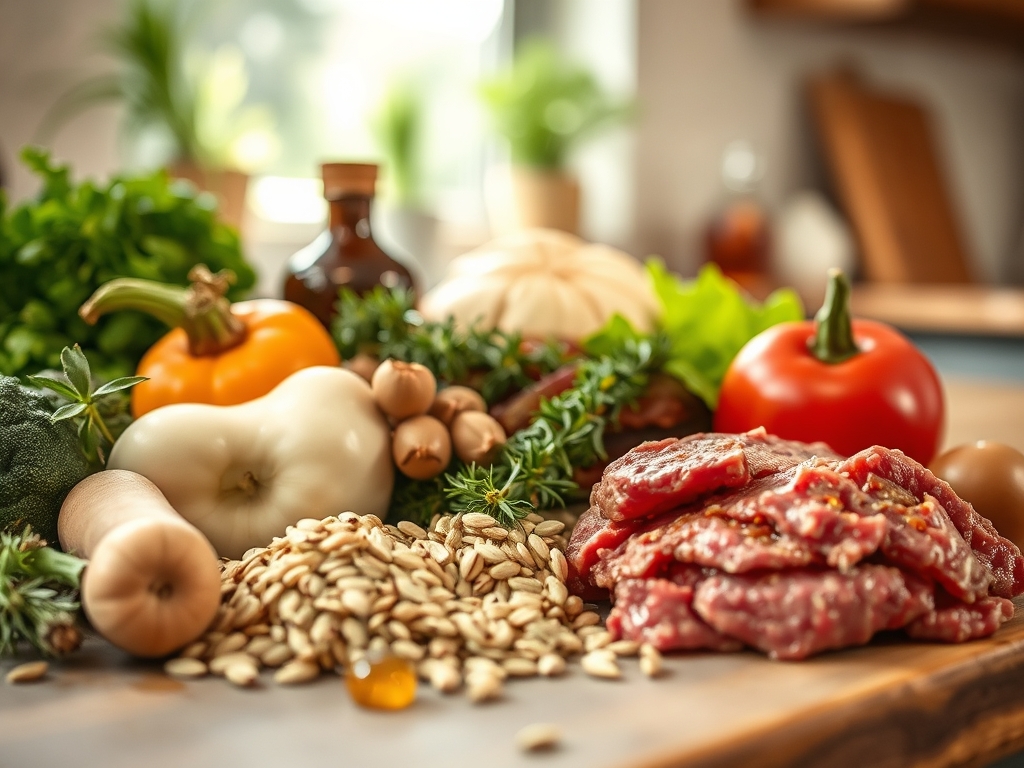
To achieve professional results, your mise-en-place must be precise. Start with high quality ground beef, preferably an 80/20 blend. This ratio is critical because the 20 percent fat content provides the lipids necessary for the Maillard reaction, ensuring your meat browns rather than steams. You will need the "Holy Trinity" of Southern cooking: finely diced white onions, green bell peppers, and celery. Use a sharp chef knife to ensure uniform surface area, which allows for even caramelization.
For your liquids, keep a bottle of Worcestershire sauce and a rich beef bone broth nearby to deglaze the pan and harvest those savory brown bits known as fond. Spices should include smoked paprika for depth, garlic powder for an immediate aromatic hit, and plenty of coarse kosher salt.
Smart Substitutions: If you are looking to lighten the profile, you can substitute ground turkey or bison, but you must add a teaspoon of neutral oil to compensate for the lower fat solids. For a plant-based swap, use a mushroom-walnut crumble to mimic the viscous mouthfeel of rendered beef fat. If you lack fresh aromatics, a tablespoon of dried mirepoix rehydrated in warm water can save the day.
The Clock:
Efficiency in the kitchen is about mastering the Chef's Flow. For these southern ground beef recipes, expect a total commitment of 45 to 60 minutes.
Prep Phase (15 Minutes): This is your window for mechanical labor. Dice your vegetables, measure your spices into small pinch bowls, and let your beef sit at room temperature for ten minutes. Taking the chill off the protein prevents the pan temperature from crashing, which is the primary cause of gray, boiled-looking meat.
Execution Phase (30-45 Minutes): The cooking process is divided into the high heat sear and the low heat infusion. You will spend the first ten minutes rendering fat and developing color. The remaining time is dedicated to simmering, allowing the connective tissues to soften and the flavors to infuse into a cohesive profile.
The Masterclass:
1. The High Heat Sear
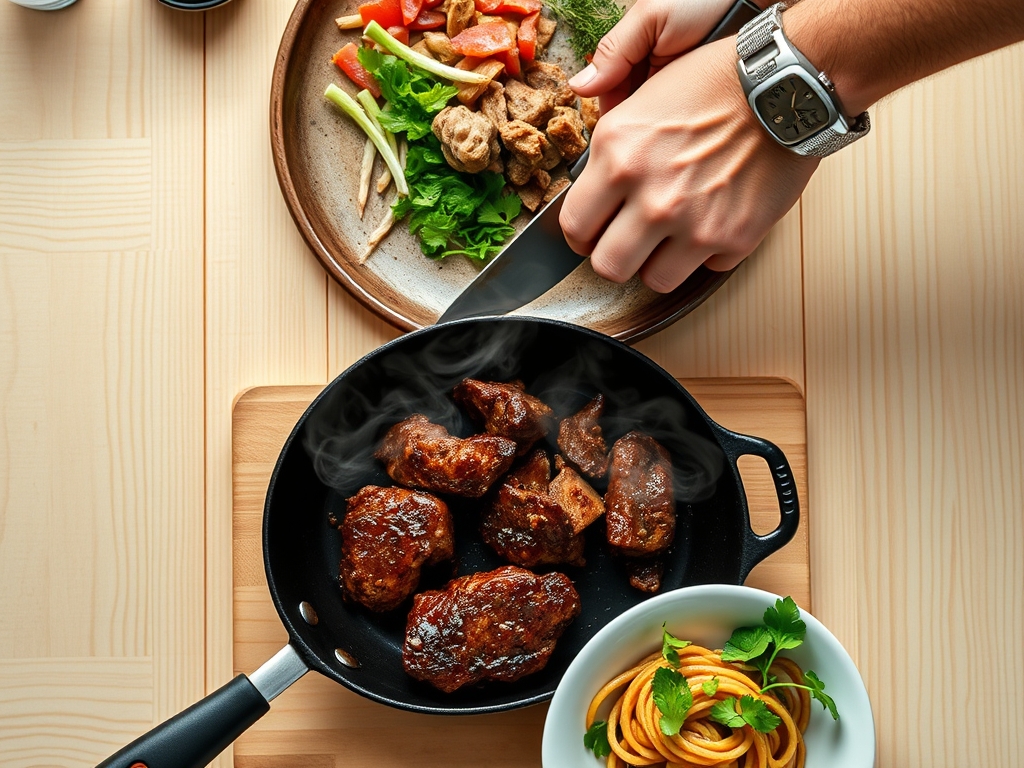
Place your heavy-bottomed skillet over medium-high heat until a drop of water dances and evaporates instantly. Add the beef in a single, flat layer. Do not stir it immediately. Let it sit for three full minutes to develop a deep, mahogany crust.
Pro Tip: This is enzymatic browning. By resisting the urge to move the meat, you allow the amino acids and reducing sugars to reorganize into hundreds of different flavor compounds that provide that "meaty" essence.
2. The Trinity Sweat
Once the meat is browned, use a bench scraper or slotted spoon to move the beef to the perimeter of the pan. Drop your onions, peppers, and celery into the center. Use the rendered fat to aerate and soften the vegetables until they become translucent and fragrant.
Pro Tip: Adding salt to the vegetables now uses osmosis to draw out moisture. This prevents the vegetables from burning while they release their natural sugars to the pan.
3. Deglazing the Fond
As the pan dries, a brown film will form on the bottom. Pour in a splash of beef broth or red wine. Use a firm spatula to scrape the bottom of the skillet, dissolving those concentrated flavor particles back into the sauce.
Pro Tip: This process captures the fond. These caramelized proteins are the most flavorful part of the dish; ignoring them is leaving the best part of the recipe in the sink.
4. The Low Simmer
Reduce the heat to low and add your remaining liquids, such as tomato sauce or gravy base. Cover the pan partially to allow some steam to escape, which concentrates the sauce while the meat finishes cooking.
Pro Tip: Maintain a gentle simmer to avoid protein denaturation. Boiling meat too hard makes the fibers tight and rubbery; a low simmer keeps the texture tender and succulent.
5. The Final Seasoning
Before serving, taste your creation. This is when you add a final splash of acid, like apple cider vinegar or lemon juice, to brighten the heavy fats. Use a microplane to zest in a bit of fresh garlic if you want a sharp, piquant finish.
Pro Tip: This is the "Brightness Correction." Acid cuts through the viscous nature of the fat, balancing the palate and making the savory notes pop.
The Deep Dive:
Understanding the "why" behind the "how" elevates you from a cook to a scientist. A standard serving of these southern ground beef recipes provides roughly 25 grams of protein and 18 grams of fat. To make this Keto-friendly, serve your beef over cauliflower rice or sautéed greens. For a Gluten-Free version, ensure your thickening agent is cornstarch or arrowroot powder rather than flour.
The Fix-It:
- Greasy Sauce: If the fat is separating, whisk in a tablespoon of cold butter or a cornstarch slurry to emulsify the liquid.
- Bland Flavor: You likely under-salted during the sear. Add a teaspoon of soy sauce or fish sauce; the umami will deepen the beefiness without tasting like salt.
- Dry Meat: If the beef feels grainy, you overcooked it. Stir in a quarter cup of heavy cream or sour cream to add moisture and fat back into the fibers.
Meal Prep: When reheating, avoid the microwave if possible. Use a small saucier on the stove with a tablespoon of water. This creates a steam-jacket effect that rehydrates the proteins without making them rubbery.
The Wrap-Up:
Mastering southern ground beef recipes is about more than just feeding a crowd; it is about respecting the chemistry of the kitchen. When you understand how to manage heat, leverage fats, and balance acidity, you turn a simple package of meat into a culinary event. These dishes are designed to be shared, whispered over, and passed down through generations. Now that you have the technical roadmap, go forth and turn that skillet into a vessel of pure Southern magic.
The Kitchen Table:
How do I keep ground beef from getting dry?
Always use an 80/20 fat ratio and avoid over-working the meat. High fat content provides internal lubrication, while minimal handling prevents the proteins from becoming tightly knit and tough during the cooking process.
What is the best way to brown beef?
Use a preheated heavy-bottomed skillet and do not crowd the pan. Leave the meat undisturbed for several minutes to allow the Maillard reaction to create a flavorful, mahogany crust before breaking it into smaller pieces.
Can I freeze these southern ground beef recipes?
Yes, ground beef dishes freeze exceptionally well. Allow the food to cool completely before sealing in airtight containers. This prevents ice crystals from forming, which can degrade the texture of the meat upon thawing and reheating.
Why is my ground beef gray instead of brown?
Gray meat occurs when the pan temperature is too low or the pan is overcrowded. This causes the meat to steam in its own juices rather than searing. Always ensure your skillet is shimmering hot before adding protein.