
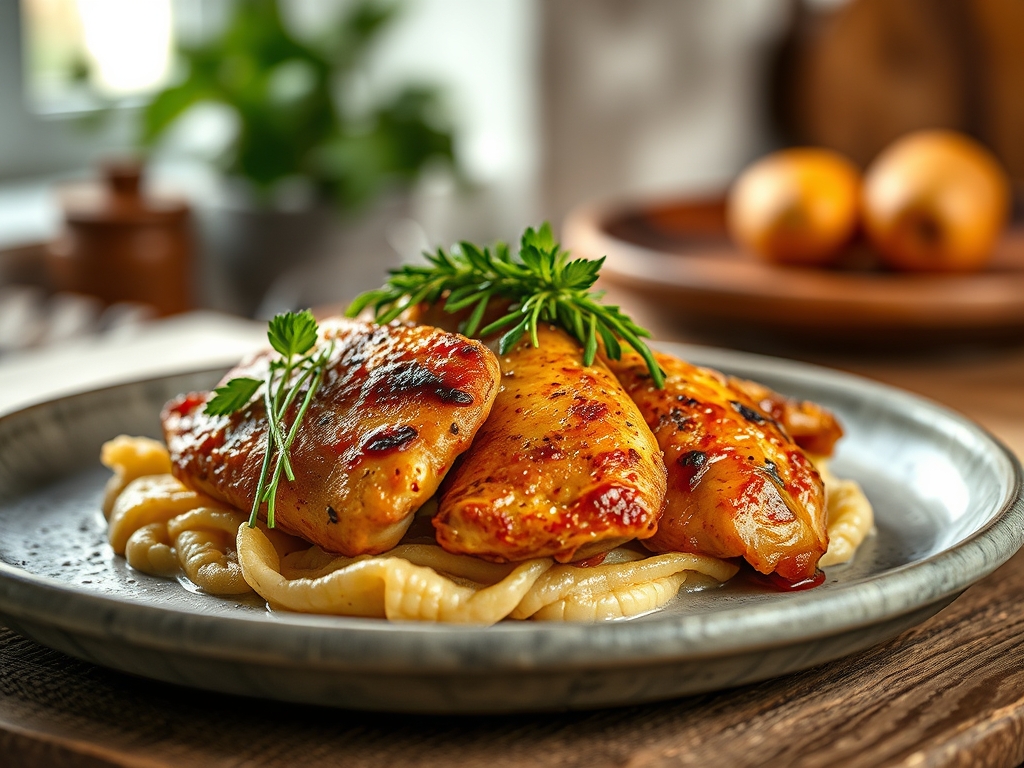
Imagine the sound of a heavy bottomed skillet hitting the burner; a resonant, metallic ring that signals the start of something transformative. You drop a tablespoon of avocado oil into the pan, watching it shimmer as the viscosity thins out. Then comes the chicken. That initial contact creates a violent, glorious hiss, sending the aroma of searing protein into every corner of your kitchen. If you have been searching for chicken recipes dairy free that actually deliver on texture and soul, you are in the right place. We are moving beyond the sad, dry chicken breast and into a world where coconut milk creates velvet, and toasted nuts provide the richness you thought only butter could offer. This is about reclaiming the decadence of a home cooked meal without the digestive aftermath. We are going to master the art of the sear, the science of the emulsion, and the magic of the deglaze to ensure every bite is a masterclass in flavor.
The Gathers:
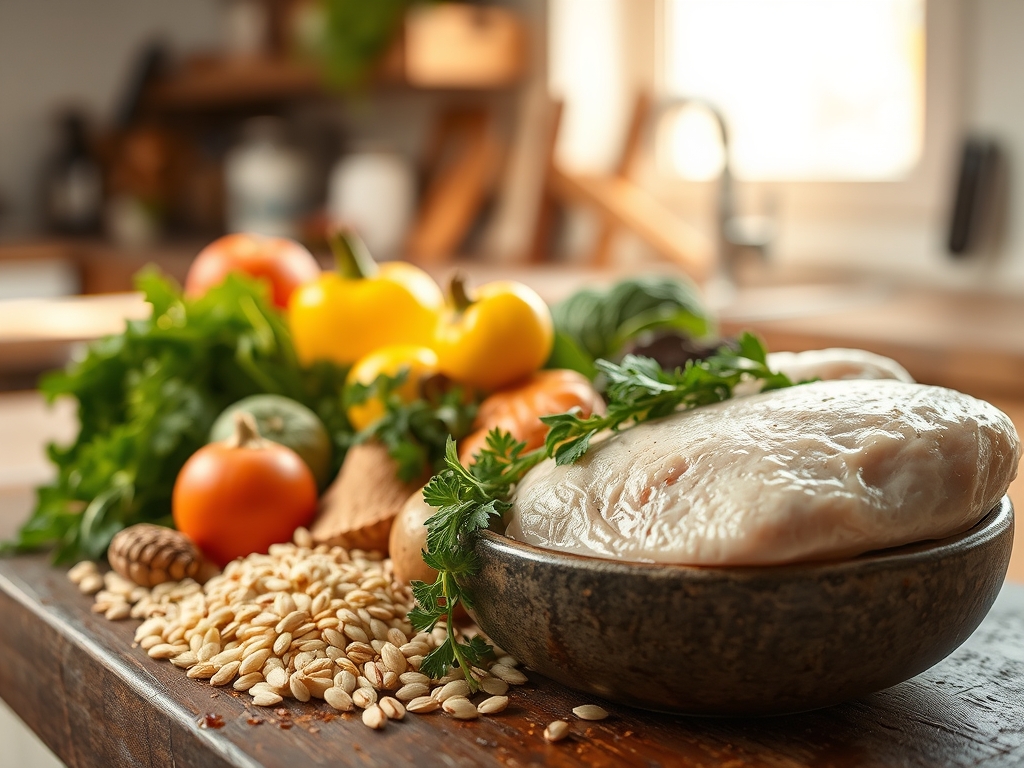
Setting your mise en place is not just about organization; it is about controlling the chemistry of your environment. For these ten variations, your workspace should look like a laboratory of high quality lipids and aromatics. You will need high smoke point oils like avocado or refined coconut oil to facilitate the Maillard reaction without scorching. Gather your aromatics: pungent garlic cloves, piquant shallots, and fresh ginger root. These contain volatile oils that release their full bouquet only when exposed to heat.
Smart substitutions are the backbone of this collection. Instead of heavy cream, we utilize full fat coconut milk or cashew cream, which provide the necessary fat globules to coat the palate. For that savory, umami punch usually found in parmesan, we reach for nutritional yeast or white miso paste. Miso is a fermented powerhouse that adds depth and a salty complexity to sauces. Do not forget your acids. A bright lemon or a splash of apple cider vinegar is essential to cut through the richness of the fats. Ensure your chicken is patted bone dry with paper towels; moisture is the enemy of a golden crust.
The Clock:
The secret to a stress free kitchen is understanding the Chef's Flow. Most of these chicken recipes dairy free require a total time of 30 to 45 minutes, but the active labor is concentrated in the first ten. Your prep time usually clocks in at 15 minutes, which involves the precision dicing of vegetables and the seasoning of your protein.
The "Flow" dictates that you should always start your grains or starches first, as they are thermally stable and can rest. While the rice steams, you focus on the high heat searing. The final ten minutes are dedicated to the "simmer and marry" phase, where the sauce reduces and the flavors meld. By the time your timer dings, the chicken has reached its safe internal temperature and the sauce has reached its peak thickness.
The Masterclass:
1. The High Heat Sear
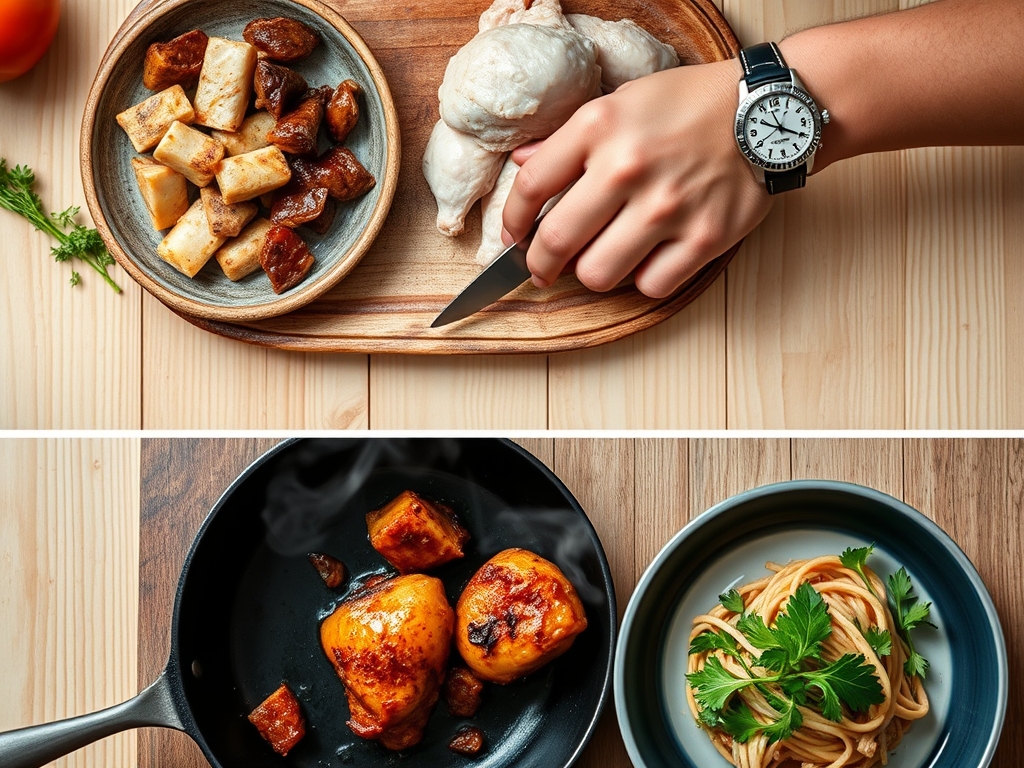
Place your seasoned chicken into a preheated cast iron skillet. Do not crowd the pan, as this lowers the surface temperature and leads to steaming rather than browning. Use your tongs to press the meat down for maximum surface contact.
Pro Tip: This stage relies on the Maillard reaction, a chemical reaction between amino acids and reducing sugars. To maximize this, ensure your pan is at least 350 degrees Fahrenheit. A dry surface is vital for that crispy, golden exterior.
2. Deglazing the Fond
Once you remove the chicken, you will see brown bits stuck to the bottom. This is the "fond," and it is concentrated flavor. Pour in a splash of chicken stock or dry white wine and use a wooden spoon to scrape those bits up.
Pro Tip: Deglazing uses the principle of solubility. The liquid dissolves the caramelized proteins, incorporating them back into your sauce for a complex, savory profile that no seasoning packet can replicate.
3. Building the Emulsion
Lower the heat and whisk in your dairy free fat source, such as coconut milk or a nut butter. Use a saucier or a whisk to vigorously combine the fats with your deglazing liquid.
Pro Tip: An emulsion is a mixture of two liquids that are normally unmixable. By whisking constantly, you are breaking the fat into tiny droplets that stay suspended in the liquid, creating a smooth, viscous mouthfeel.
4. Infusing the Aromatics
Add your herbs and spices toward the end of the cooking process. Fresh basil, cilantro, or parsley should be folded in just before serving to maintain their vibrant color and volatile oils.
Pro Tip: Adding herbs too early can lead to thermal degradation, where the delicate flavor compounds are destroyed by heat. "Finishing" with herbs ensures a bright, fresh aromatic profile.
The Deep Dive:
When we look at the macro nutrition of these chicken recipes dairy free, we see a profile dominated by lean protein and healthy fats. By removing dairy, we often reduce the saturated fat and caloric density, making these meals excellent for heart health. For those following Keto, focus on the coconut based sauces and skin on thighs. For a Vegan swap, firm tofu or chickpeas can be substituted using the exact same sauce techniques. If you are Gluten Free, simply ensure your thickener is arrowroot powder or cornstarch rather than wheat flour.
"The Fix-It" is your culinary insurance policy. If your sauce is too thin, do not keep boiling it; instead, use a "slurry" of equal parts cold water and starch to tighten it up instantly. If the sauce "breaks" (the fat separates), add a tablespoon of boiling water and whisk vigorously to re-emulsify. If the flavor feels flat, it usually lacks acid. A squeeze of lime or a drop of balsamic vinegar will "wake up" the dish by balancing the pH levels on your tongue.
For meal prep, reheating is a science. To maintain "day one" quality, avoid the microwave if possible. Reheat your chicken in a covered pan over low heat with a splash of water or stock. This creates a steam chamber that prevents the protein fibers from tightening and becoming rubbery, a process known as protein denaturation.
The Wrap-Up:
You now have the technical blueprint to execute ten incredible chicken recipes dairy free that will impress even the most devoted cheese lovers. We have covered the chemistry of the sear, the physics of the emulsion, and the strategic use of aromatics to build layers of flavor. Cooking is not just about following a list of ingredients; it is about manipulating heat and texture to create an experience. Grab your favorite heavy skillet, trust your senses, and get ready to serve a meal that feels like a warm hug for your soul and your stomach.
The Kitchen Table:
How do I make dairy free chicken sauces creamy?
Use full fat coconut milk, cashew cream, or pureed white beans. These provide the necessary lipids and solids to create a viscous, mouth coating texture that mimics the molecular structure of heavy dairy cream without the lactose.
Can I use chicken breast instead of thighs?
Yes, but you must monitor the internal temperature closely. Chicken breasts lack the connective tissue and fat of thighs, making them prone to drying out. Pull them at 160 degrees Fahrenheit and let thermal carryover reach 165.
What is the best dairy free butter substitute for searing?
Ghee is an option for some, but for a strictly dairy free choice, use avocado oil or a high quality vegan butter. These have higher smoke points than regular butter, allowing for a better Maillard reaction without burning.
How do I prevent my coconut milk sauce from curdling?
Avoid boiling the sauce vigorously once the coconut milk is added. High heat can cause the proteins to clump. Instead, maintain a gentle simmer and use a whisk to keep the emulsion stable and smooth throughout the process.